

Capital General Directorate of Traffic Motorcycle
Timed mock exam· Full mock examsCapital General Directorate of Traffic - Bahrain Motorcycle Theory Mock Test 3
Third full motorcycle mock exam and a great final readiness check before your real bike theory test. Another distinct set of 30 timed questions.
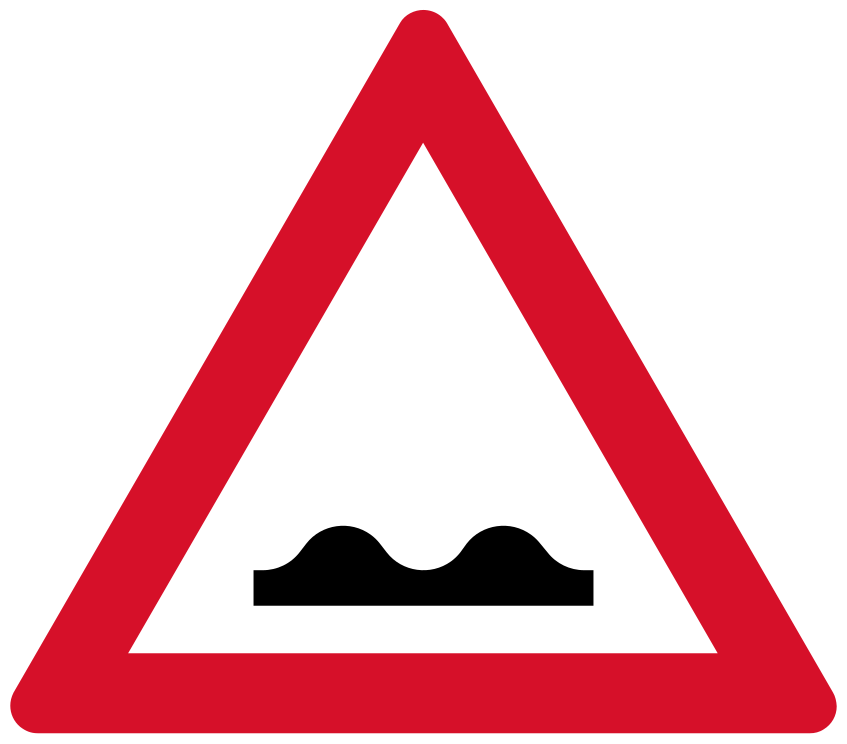
What does this sign warn drivers about?
The other 25 questions in this test
Read them all. The answer and the reason for each, and the timed 35-question run, are in the Bahrain Driving Test Questions PDF.
- Q11Motorcycle control
In a corner, which tyre is more likely to lose grip first if you enter too fast?
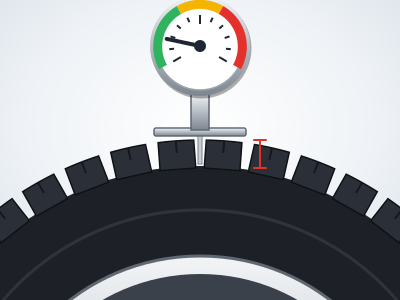
- AThe front tyre, because it carries additional cornering and braking forces simultaneously
- BThe rear tyre, because it must provide all the drive and cornering force
- CBoth tyres lose grip at exactly the same moment
- DNeither, because lean angle reduces the load on both tyres equally
Answer and explanation in the bank
- Q12Motorcycle safety
How can you recognise a diesel fuel spill on a wet road?
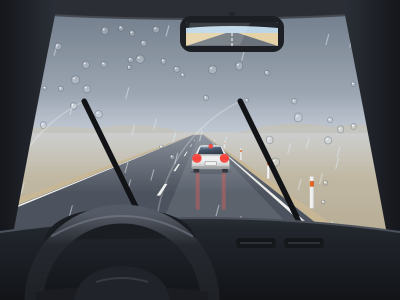
- AIt makes the road surface appear very black and shiny, similar to a dry tarmac surface
- BIt appears as a rainbow-coloured sheen or slick on the road surface, often near petrol stations or truck stops
- CDiesel spills are odourless and invisible; they can only be detected by a loss of traction
- DDiesel evaporates within minutes in Bahrain's heat and is not a lasting hazard
Answer and explanation in the bank
- Q13Motorcycle control
If you need to brake urgently while already leaning through a corner, what is the safest action?
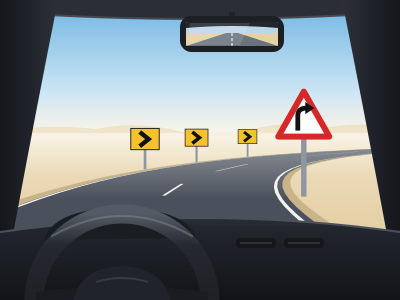
- AApply the front brake firmly while maintaining full lean angle
- BStamp on the rear brake to slow quickly without disturbing the front
- CAccelerate slightly to stabilise the tyres, then brake hard
- DGradually straighten the bike first if possible, then apply the brakes progressively
Answer and explanation in the bank
- Q14Motorcycle safety
When overtaking a large truck or bus on a Bahrain highway, which hazard should you anticipate as you move alongside the vehicle?
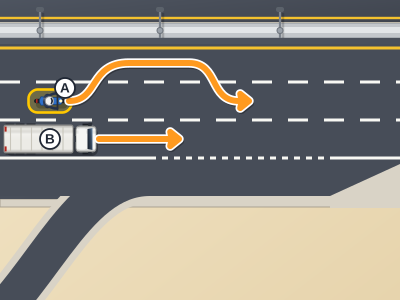
- AA sudden strong crosswind as you emerge from the shelter of the vehicle, which can push the bike sideways
- BThe truck's slipstream pulling the motorcycle into the vehicle
- CIncreased road grip beside the truck because the wide tyres compress the surface
- DReduced engine noise from the truck making it safer to communicate with other riders
Answer and explanation in the bank
- Q15Road signs and signals
A No Overtaking sign is displayed but the road ahead is a three-lane road. Which statement is correct?
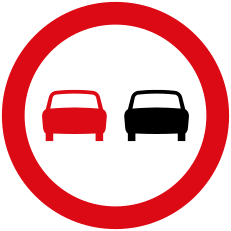
- AYou must not pass any moving vehicle on any lane while the sign applies
- BYou may overtake in the left (fast) lane only
- CThe restriction applies only to the rightmost lane
- DYou may overtake bicycles and motorcycles but not cars
Answer and explanation in the bank
- Q16Traffic rules
You are about to overtake on a Bahraini highway. Which sequence of actions is correct?
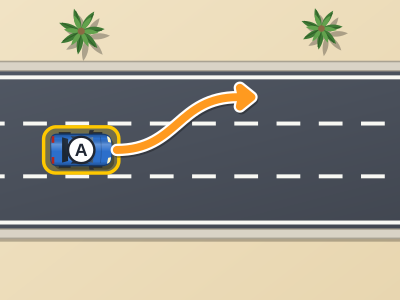
- ACheck mirrors and blind spot, signal left, confirm a clear road ahead, then move into the left lane
- BSound the horn once and pull left immediately
- CSignal and pull out at the same time without a mirror check
- DMove into the left lane first, then check mirrors
Answer and explanation in the bank
- Q17Right of way
Which lane should you normally use at a multi-lane roundabout when taking the first exit (an immediate turn to the right)?
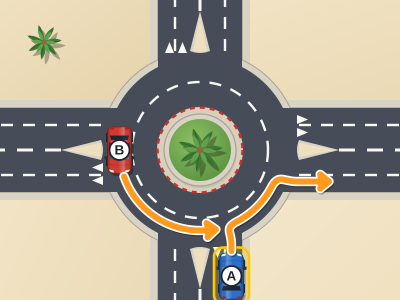
- AThe right-hand (outer) lane.
- BThe left-hand (inner) lane.
- CThe middle lane.
- DAny lane; lane choice on roundabouts is unrestricted.
Answer and explanation in the bank
- Q18Safe driving
Who is required to wear a seat belt in Bahrain?
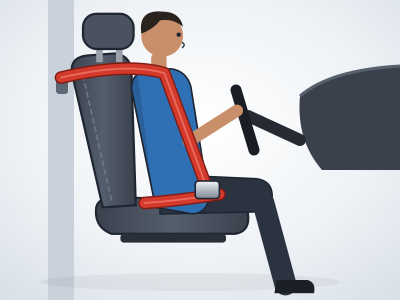
- AOnly the driver and front passenger
- BOnly passengers under the age of 12
- COnly occupants travelling on highways; seat belts are optional inside cities
- DAll occupants in every seating position that has a belt fitted
Answer and explanation in the bank
- Q19Penalties and fines
Which penalty is specifically associated with running a red traffic light in Bahrain?
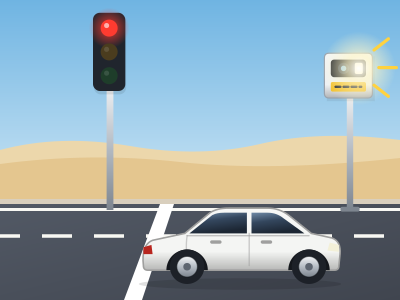
- AOnly a verbal warning from a traffic officer if it is a first offence
- BUp to 6 months in prison and/or a fine of BD 100 to 500, and points on the licence
- CCommunity service with no monetary fine
- DA letter sent to the driver's employer but no official penalty
Answer and explanation in the bank
- Q20Motorcycle control
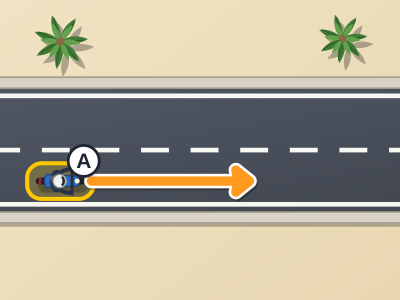
When is the correct time to shift to a higher gear?
- AImmediately after pulling away from a stop, to keep revs as low as possible
- BOnly when the speedometer shows a round number (e.g. 40, 60, 80 km/h)
- CWhenever the engine makes any noise indicating it is working
- DWhen engine revs climb into the mid-to-upper range and the bike is accelerating smoothly
Answer and explanation in the bank
- Q21Motorcycle safety
Why should a motorcyclist increase following distance when riding at night compared to daytime?
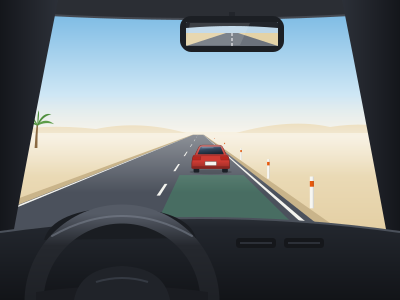
- AHeadlights illuminate a shorter distance than the stopping distance at speed, so hazards are seen later
- BThe road surface is always wetter at night, requiring more braking distance
- COther drivers cannot see motorcycles at night, so the motorcyclist must compensate by stopping sooner
- DNight temperatures reduce tyre pressure, increasing braking distance by a fixed amount
Answer and explanation in the bank
- Q22Road signs and signals
You approach a Give Way sign at a T-junction. There is no approaching traffic. What should you do?
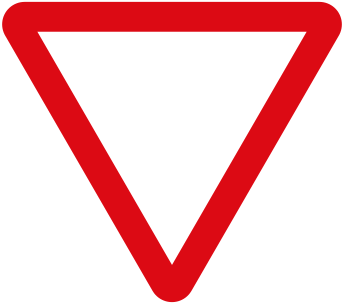
- ASlow down and check before proceeding; stop if necessary
- BProceed at normal speed since no vehicles are visible
- CTreat it the same as a STOP sign and stop completely
- DSound your horn and enter the main road
Answer and explanation in the bank
- Q23Traffic rules
Which additional locations prohibit overtaking in Bahrain?
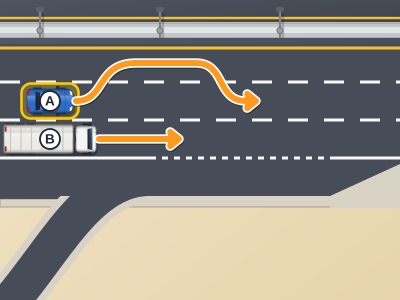
- AAny road with two or more lanes going in your direction
- BWhenever the road surface is wet
- CJunctions, intersections, and where solid white lines separate lanes
- DOnly roads posted below 80 km/h
Answer and explanation in the bank
- Q24Right of way
You are on a roundabout and wish to take the next exit. A vehicle is trying to enter from that exit's approach road. Who has priority?
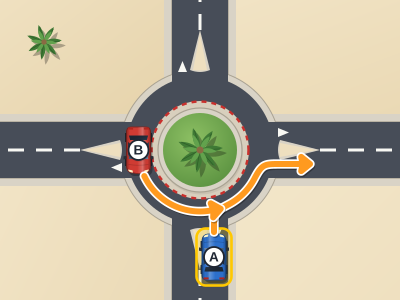
- AYou, because you are already on the roundabout.
- BThe entering vehicle, because it is approaching from the right.
- CNeither vehicle; both must stop.
- DThe vehicle closer to the exit.
Answer and explanation in the bank
- Q25Safe driving
A child that is too small for an adult seat belt must travel in a vehicle using which restraint?
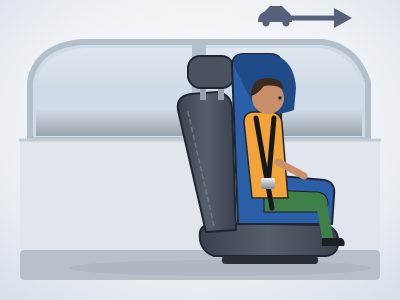
- AThe adult lap belt only, without the diagonal shoulder strap
- BAn approved child safety seat appropriate for the child's age, weight, and height
- CAn adult holding the child on their lap
- DNo restraint is needed for children under 5 years old
Answer and explanation in the bank
- Q26Penalties and fines
What is tailgating and why is it penalised in Bahrain?
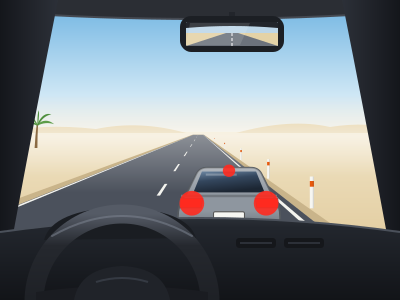
- AFollowing the vehicle ahead too closely, reducing reaction time and increasing the risk of a rear-end collision
- BDriving in the wrong lane on a dual carriageway, which is a lane discipline offence
- CAttaching an unauthorised tow-bar to the rear of a vehicle
- DReversing on a motorway hard shoulder
Answer and explanation in the bank
- Q27Motorcycle control
What is the likely effect of opening the throttle suddenly and aggressively in the middle of a corner?
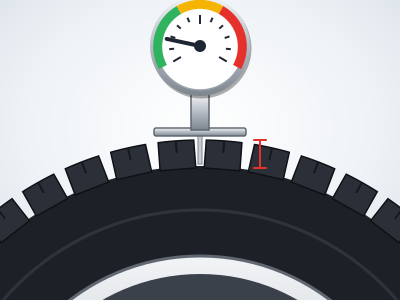
- AThe bike will accelerate and tighten its line through the corner
- BEngine braking will kick in and slow the bike safely
- CThe rear tyre can spin or step out, causing the bike to slide wide or highside
- DThe front wheel will lift, straightening the bike out of the corner safely
Answer and explanation in the bank
- Q28Motorcycle safety
How does rain affect a motorcycle's tyre grip compared to dry conditions?
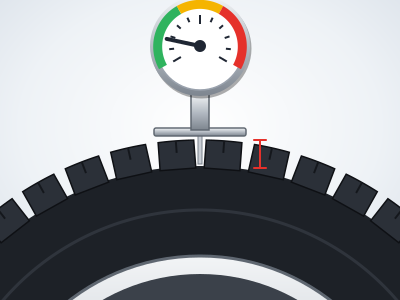
- AGrip improves slightly because rain cools the tyres to their optimal operating temperature
- BGrip is unchanged because modern tyres have grooves that expel all water
- COnly the front tyre is affected by rain; rear grip remains the same
- DGrip is significantly reduced because a film of water can prevent full tyre-to-road contact
Answer and explanation in the bank
- Q29Road signs and signals
You are driving on a road posted at 120 km/h. Heavy rain begins. What speed should you choose?
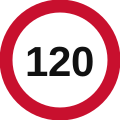
- AExactly 120 km/h because that is the legal limit
- BA speed that is safe for conditions, which may be well below 120 km/h
- CAt least 100 km/h to keep up with traffic
- D120 km/h but only in the right (slow) lane
Answer and explanation in the bank
- Q30Traffic rules
A driver behind you flashes their headlights on a Bahraini highway. What does this most likely mean?
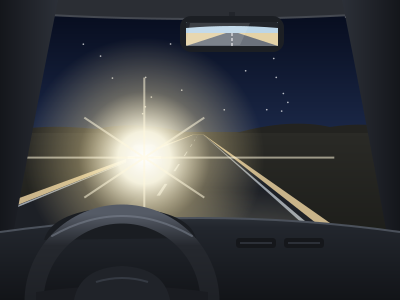
- AThey wish to overtake and are requesting you to move to the right lane
- BThey are greeting you
- CTheir lights have malfunctioned
- DYou must stop immediately
Answer and explanation in the bank
- Q31Right of way
A large lorry is already on the roundabout and drifts into your lane as you also circulate. What should you do?
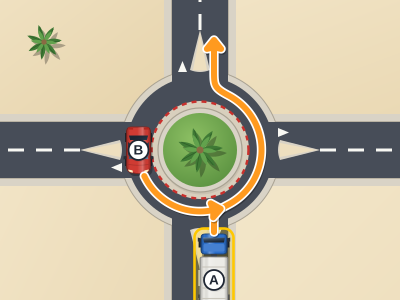
- AClaim your lane and maintain your position.
- BGive way; the lorry is on the roundabout and large vehicles may need extra space.
- CSound the horn and accelerate past.
- DExit the roundabout immediately regardless of your intended exit.
Answer and explanation in the bank
- Q32Safe driving
You are fitting a rear-facing infant seat. Which seating position should you avoid if the vehicle has an active front passenger airbag?
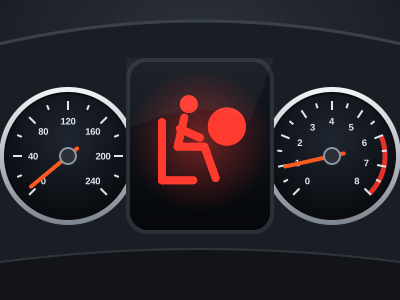
- AThe front passenger seat, unless the airbag is deactivated
- BThe rear centre seat because it lacks side-impact protection
- CAny seat behind the driver because the infant cannot see forward
- DThere is no restriction; airbags are designed to be safe for all child seats
Answer and explanation in the bank
- Q33Penalties and fines
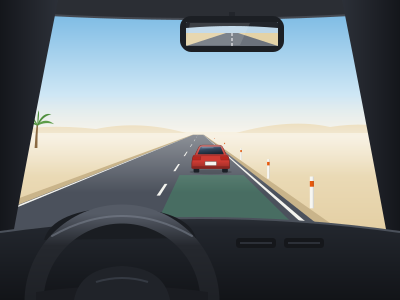
How does Bahrain law determine whether a following distance is safe?
- AA fixed gap of exactly one metre is always sufficient regardless of speed
- BAny visible daylight between the two vehicles satisfies the legal requirement
- CThe following distance rule only applies on roads with a speed limit above 100 km/h
- DThe driver must allow enough space to stop safely if the vehicle ahead brakes suddenly, taking speed and road conditions into account
Answer and explanation in the bank
- Q34Motorcycle control
What is the primary physical mechanism that keeps a motorcycle upright when moving?
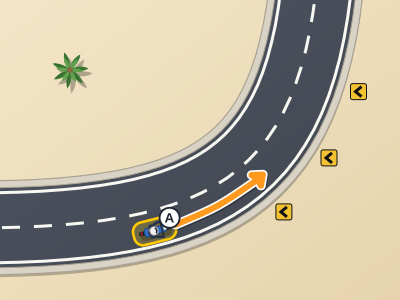
- AThe weight of the engine acting as a pendulum below the frame
- BAir pressure pushing equally on both sides of the tyres
- CThe friction between the tyres and the road preventing any tilt
- DGyroscopic effect of the spinning wheels and rider balance inputs through steering
Answer and explanation in the bank
- Q35Motorcycle safety
What does defensive riding mean for a motorcyclist?
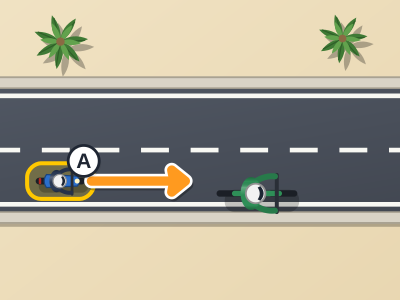
- AAnticipating hazards before they develop, maintaining safety margins, and never relying on other road users to behave predictably
- BRiding slowly at all times to avoid any possibility of a collision
- CUsing aggressive horn use and headlight flashing to warn other drivers of the motorcycle's presence
- DStaying within the speed limit only; no further action is required once you obey the rules
Answer and explanation in the bank
Every answer above, with the rule it comes from, plus the full 35-question timed test.
Get the Bahrain Driving Test Questions - BHD 3What this test covers
Topics include road signs, traffic signals, right of way, roundabouts, speed limits, seat belts, fines and penalties, and the safe-driving rules specific to your vehicle category. Full question-by-question feedback with explanations is shown immediately after you finish the test above.
Frequently asked questions
How many questions is the Capital General Directorate of Traffic motorcycle theory test?
The official General Directorate of Traffic motorcycle theory test in Capital has 35 questions and you need 26 correct (75%) to pass. This practice test has 35 questions.
Is this the real exam?
These are practice questions to help you revise, written to the published rules and to what candidates report from the real test. They are not the official Bahrain exam and the real question bank, format, fees and pass mark are set by the General Directorate of Traffic (Ministry of Interior), and can change. Always confirm the current requirements with your driving school or the traffic department.
Is this practice test free?
The first 10 questions are free, with no signup, and each shows the answer and the reason. The full 35-question test, timed, is in the Bahrain Driving Test Questions PDF (BHD 3, one payment), with every question in the bank.
What does the Capital motorcycle theory test cover?
Road signs, traffic signals, right of way, roundabouts, speed limits, seat belts, penalties and safe-driving rules, plus the handling and safety topics specific to your vehicle.