

Muharraq General Directorate of Traffic Motorcycle
Practice mode· Motorcycle skillsMuharraq General Directorate of Traffic - Bahrain Motorcycle Safety Practice Test
Rider safety essentials: protective gear, visibility, safe following distances, hazard awareness, lane position and sharing the road with larger vehicles.
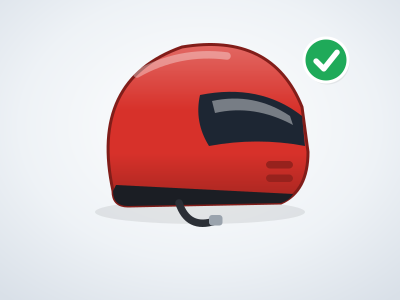
Which helmet certification standards are widely recognised as acceptable for motorcycle riders in Bahrain?
The other 10 questions in this test
Read them all. The answer and the reason for each, and the timed 20-question run, are in the Bahrain Driving Test Questions PDF.
- Q11Motorcycle safety
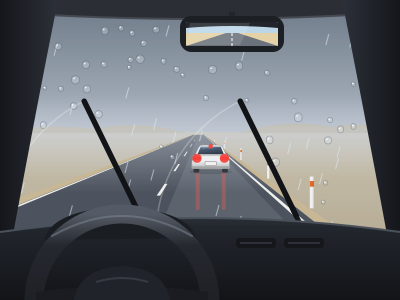
Which of the following road surfaces presents the greatest slip risk for a motorcyclist?
- ADry, coarse-textured tarmac in good repair
- BA wet manhole cover or road marking (paint) in the rain
- CNew asphalt that has had one week to cure
- DConcrete motorway surface on a dry day
Answer and explanation in the bank
- Q12Motorcycle safety
Which motorcycle colour is generally considered most visible to other road users in daylight?
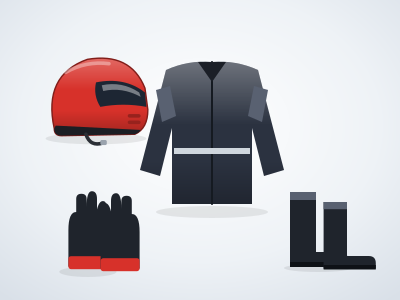
- ABright white or fluorescent yellow-green, which stand out from most road and vehicle backgrounds
- BBlack, which is the most commonly chosen colour and therefore the most recognised by drivers
- CMetallic silver, because it reflects light and draws attention
- DColour has no measurable effect on conspicuity; only riding position matters
Answer and explanation in the bank
- Q13Motorcycle safety
Apart from the standard headlight, which additional measure best improves a motorcycle's night-time visibility to other drivers?
- AReplacing the standard headlight with a very powerful aftermarket unit that blinds oncoming traffic
- BRetro-reflective strips on the helmet, jacket, and panniers that light up in other vehicles' headlights
- CUsing a high-pitched horn more frequently to draw attention at night
- DRiding in the centre of the road so that both lanes of traffic can see the headlight
Answer and explanation in the bank
- Q14Motorcycle safety
When riding in rain, which of the following adjustments is most important?
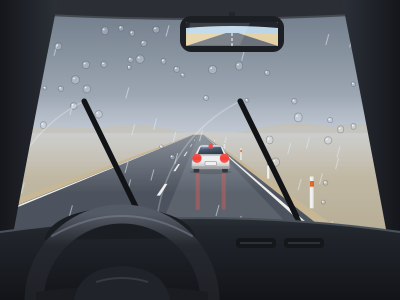
- AReduce speed, increase following distance, and apply all controls (throttle, brakes, steering) more gently than in dry conditions
- BIncrease speed to reduce exposure time in the rain
- CRide closer to the vehicle ahead so its tyres clear water from the road ahead of you
- DSwitch the engine off at junctions to avoid water entering the air filter
Answer and explanation in the bank
- Q15Motorcycle safety
Who is best suited to lead a group ride of motorcyclists?
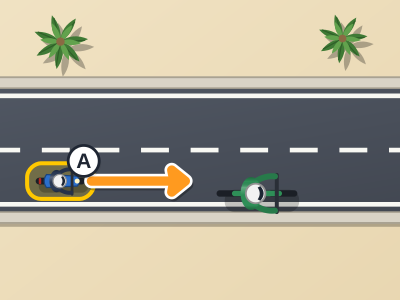
- AThe rider with the fastest motorcycle, to set a challenging pace
- BThe most experienced rider who knows the route, can set a sustainable pace, and will adjust for the group's weakest rider
- CA new rider, so they do not feel pressure from more experienced riders behind
- DThe lead position should rotate every few kilometres so no single rider carries the responsibility
Answer and explanation in the bank
- Q16Motorcycle safety
In which situation should a tinted or dark visor NOT be used?
- AOn motorways where wind pressure is high
- BDuring the midday summer sun when glare is at its peak
- CWhen riding near the coast where salt air can scratch the visor over time
- DAt night or in low-light conditions such as dawn, dusk, tunnels, or heavy rain
Answer and explanation in the bank
- Q17Motorcycle safety
What type of footwear should a motorcyclist wear when riding?
- ASandals or flip-flops to keep feet cool in Bahrain's summer heat
- BTrainers or sports shoes, which provide sufficient grip on the footpegs
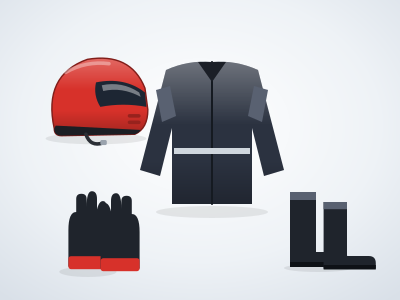
- CSturdy ankle-covering boots, ideally motorcycle-specific with ankle protection and an oil-resistant sole
- DAny closed-toe shoe is equally protective to motorcycle boots
Answer and explanation in the bank
- Q18Motorcycle safety
On a straight multi-lane road in Bahrain, which lane is generally recommended for motorcyclists travelling at a steady speed?
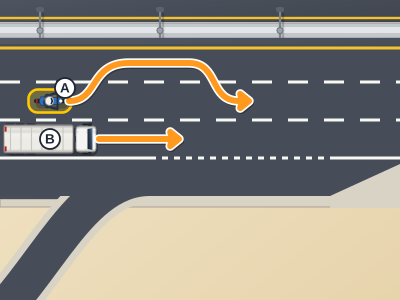
- AThe fastest lane (leftmost) at all times to stay ahead of merging traffic
- BAny centre lane to avoid both the left-side kerb and right-side fast-moving traffic
- CMotorcycles are exempt from lane discipline rules in Bahrain
- DThe rightmost lane appropriate for the speed being travelled, consistent with Bahrain's keep-right rule except when overtaking
Answer and explanation in the bank
- Q19Motorcycle safety
To reduce fatigue on a long ride, how often should a motorcyclist take a break?
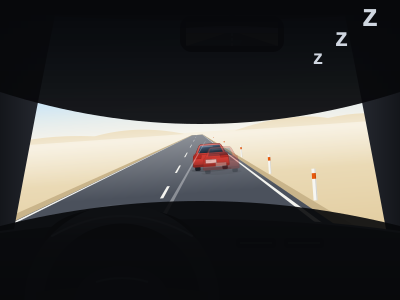
- AApproximately every 1.5 to 2 hours, or sooner if tiredness is felt
- BOnly at fuel stops, which are typically every 4 to 5 hours on modern motorcycles
- CBreaks are not necessary if the rider feels alert; only personal judgment matters
- DOnce every 6 hours, consistent with heavy vehicle driver break regulations
Answer and explanation in the bank
- Q20Motorcycle safety
If an animal suddenly runs onto the road ahead of you while you are riding, what is generally the safest response?
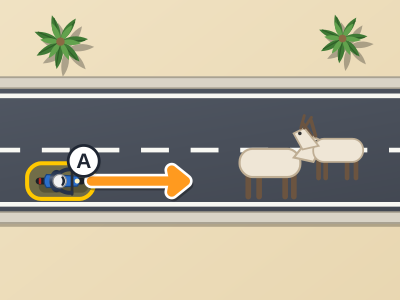
- ABrake progressively and in a straight line; avoid swerving if it means entering oncoming traffic or leaving the road surface
- BSwerve sharply around the animal to avoid any contact
- CAccelerate to pass the animal before it reaches your path
- DLay the bike down deliberately to stop more quickly
Answer and explanation in the bank
Every answer above, with the rule it comes from, plus the full 20-question timed test.
Get the Bahrain Driving Test Questions - BHD 3What this test covers
Topics include road signs, traffic signals, right of way, roundabouts, speed limits, seat belts, fines and penalties, and the safe-driving rules specific to your vehicle category. Full question-by-question feedback with explanations is shown immediately after you finish the test above.
Frequently asked questions
How many questions is the Muharraq General Directorate of Traffic motorcycle theory test?
The official General Directorate of Traffic motorcycle theory test in Muharraq has 35 questions and you need 26 correct (75%) to pass. This practice test has 20 questions.
Is this the real exam?
These are practice questions to help you revise, written to the published rules and to what candidates report from the real test. They are not the official Bahrain exam and the real question bank, format, fees and pass mark are set by the General Directorate of Traffic (Ministry of Interior), and can change. Always confirm the current requirements with your driving school or the traffic department.
Is this practice test free?
The first 10 questions are free, with no signup, and each shows the answer and the reason. The full 20-question test, timed, is in the Bahrain Driving Test Questions PDF (BHD 3, one payment), with every question in the bank.
What does the Muharraq motorcycle theory test cover?
Road signs, traffic signals, right of way, roundabouts, speed limits, seat belts, penalties and safe-driving rules, plus the handling and safety topics specific to your vehicle.