

Northern General Directorate of Traffic Light vehicle
Practice mode· Road rulesNorthern General Directorate of Traffic - Bahrain Road Rules Test 2
Second set of 20 road rules questions covering overtaking, parking, motorway driving, pedestrian crossings and more. Complete both tests for full rules coverage.
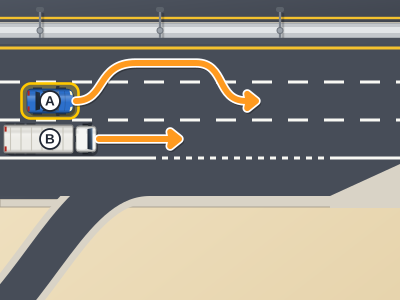
Which statement about lane discipline in Bahrain is correct?
The other 10 questions in this test
Read them all. The answer and the reason for each, and the timed 20-question run, are in the Bahrain Driving Test Questions PDF.
- Q11Traffic rules
Which road users are particularly vulnerable near schools and markets in Bahrain?
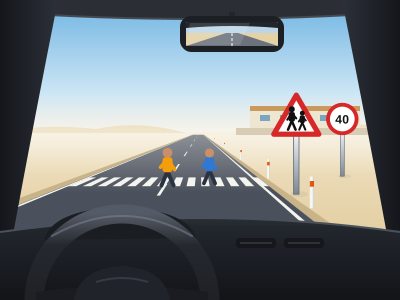
- AChildren, elderly people and cyclists
- BOnly children under the age of 10
- COnly pedestrians not wearing high-visibility clothing
- DOnly pedestrians who ignore crossing signals
Answer and explanation in the bank
- Q12Traffic rules
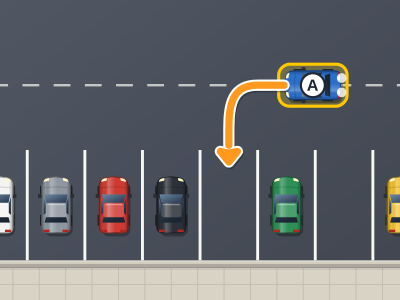
Before reversing your vehicle in Bahrain, what must you do?
- AOnly check the left mirror before reversing
- BSound the horn twice and then reverse immediately
- CIt is sufficient to check only your rear-view mirror
- DCheck all around - including directly behind the vehicle - for pedestrians, cyclists and other hazards
Answer and explanation in the bank
- Q13Traffic rules
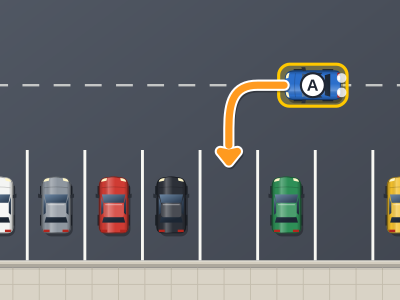
How far may you reverse on a public road in Bahrain?
- AUp to 500 metres if no vehicle is following you
- BAny distance, provided your hazard lights are on
- CReversing on any public road is completely prohibited
- DOnly as far as is strictly necessary for the manoeuvre, and never on a main road or highway
Answer and explanation in the bank
- Q14Traffic rules
Before towing another vehicle in Bahrain, what must be in place?
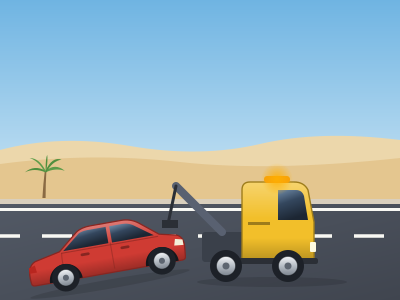
- AAn approved tow bar or rope, working lights on the towed vehicle, and a driver in the towed vehicle where the law requires one
- BOnly a rope of any kind attached between the two vehicles
- CNo special equipment is needed for short towing distances
- DA valid roadside-assistance membership card
Answer and explanation in the bank
- Q15Traffic rules
When towing a trailer in Bahrain, which statement about maximum speed is correct?
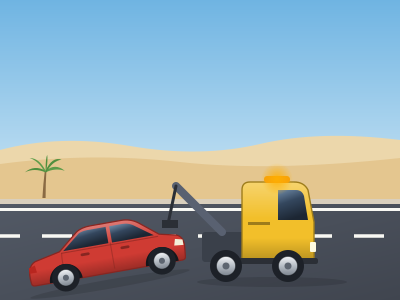
- AYou may travel at the full posted speed limit at all times when towing
- BTowing combinations have no separate speed restrictions in Bahrain
- CThe maximum speed when towing is lower than the normal road limit, because braking takes longer and the load can sway
- DThe maximum speed when towing is always 40 km/h everywhere
Answer and explanation in the bank
- Q16Traffic rules
May a private car use a bus lane in Bahrain during its posted operating hours?
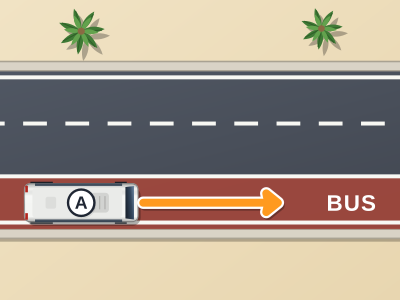
- AYes, as long as there is no bus currently behind you
- BYes, private cars may always use bus lanes
- CNo - bus lanes are reserved for authorised vehicles only during operating hours
- DOnly motorcycles are excluded from bus lanes
Answer and explanation in the bank
- Q17Traffic rules
Outside a bus lane's posted operating hours, what may a private car do?
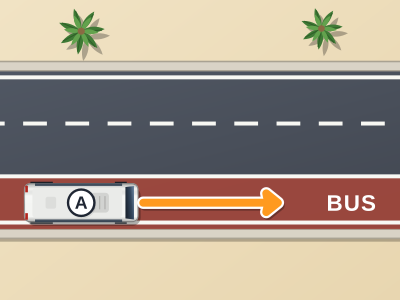
- AStill not use the bus lane at any time
- BUse the bus lane only to stop and pick up passengers
- CUse the bus lane only at weekends
- DUse the bus lane as a normal traffic lane
Answer and explanation in the bank
- Q18Traffic rules
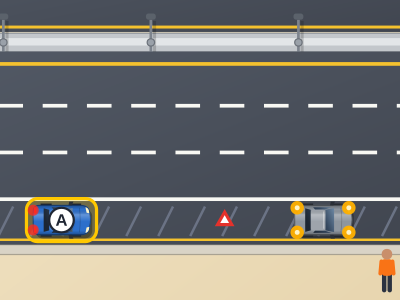
For what purpose may you use the hard shoulder of a Bahraini highway?
- ATo overtake slow vehicles when other lanes are congested
- BTo drive at reduced speed and make faster progress
- CAs a parking lane for brief stops
- DOnly for genuine emergencies or breakdowns - it is not a driving lane
Answer and explanation in the bank
- Q19Traffic rules
You stop on the hard shoulder of a Bahraini highway because a warning light appeared on your dashboard. What should you do next?
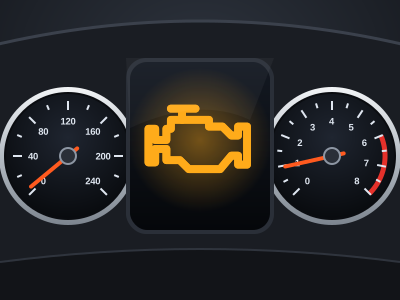
- AMove as far left as possible, switch on hazard lights, place a warning triangle, stay behind any safety barrier, and call for assistance
- BStand on the road side of your vehicle to flag down passing help
- CWalk along the hard shoulder to the nearest exit
- DAttempt a repair on the road side of the vehicle straight away
Answer and explanation in the bank
- Q20Traffic rules
During extreme summer heat in Bahrain, how can high temperatures affect your driving safety?
- AHot roads provide more grip, so you can brake later than usual
- BThe surface becomes more reflective but causes no change in vehicle handling
- CHeat does not affect road surfaces or tyres in modern vehicles
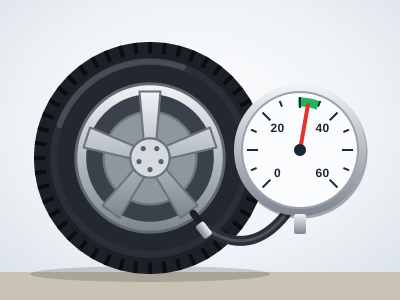
- DHeat can soften road surfaces and cause tyres to overheat or over-inflate, increasing blowout risk - check tyre pressure regularly and reduce speed
Answer and explanation in the bank
Every answer above, with the rule it comes from, plus the full 20-question timed test.
Get the Bahrain Driving Test Questions - BHD 3What this test covers
Topics include road signs, traffic signals, right of way, roundabouts, speed limits, seat belts, fines and penalties, and the safe-driving rules specific to your vehicle category. Full question-by-question feedback with explanations is shown immediately after you finish the test above.
Frequently asked questions
How many questions is the Northern General Directorate of Traffic light vehicle theory test?
The official General Directorate of Traffic light vehicle theory test in Northern has 35 questions and you need 26 correct (75%) to pass. This practice test has 20 questions.
Is this the real exam?
These are practice questions to help you revise, written to the published rules and to what candidates report from the real test. They are not the official Bahrain exam and the real question bank, format, fees and pass mark are set by the General Directorate of Traffic (Ministry of Interior), and can change. Always confirm the current requirements with your driving school or the traffic department.
Is this practice test free?
The first 10 questions are free, with no signup, and each shows the answer and the reason. The full 20-question test, timed, is in the Bahrain Driving Test Questions PDF (BHD 3, one payment), with every question in the bank.
What does the Northern light vehicle theory test cover?
Road signs, traffic signals, right of way, roundabouts, speed limits, seat belts, penalties and safe-driving rules, plus the handling and safety topics specific to your vehicle.