

Northern General Directorate of Traffic Motorcycle
Practice mode· Motorcycle skillsNorthern General Directorate of Traffic - Bahrain Motorcycle Control Practice Test
Focused practice on motorcycle handling: balance, braking, cornering, gear use, positioning and low-speed control. Build the machine skills the theory test expects.
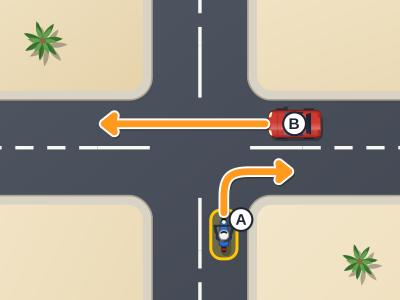
When riding at speed and you want to turn right, which steering input correctly initiates the turn?
The other 10 questions in this test
Read them all. The answer and the reason for each, and the timed 20-question run, are in the Bahrain Driving Test Questions PDF.
- Q11Motorcycle control
In a corner, which tyre is more likely to lose grip first if you enter too fast?
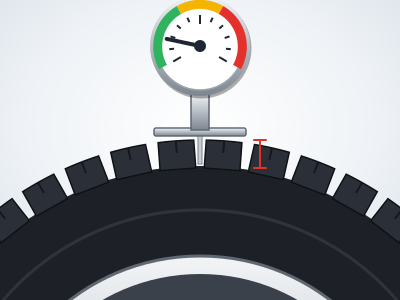
- AThe front tyre, because it carries additional cornering and braking forces simultaneously
- BThe rear tyre, because it must provide all the drive and cornering force
- CBoth tyres lose grip at exactly the same moment
- DNeither, because lean angle reduces the load on both tyres equally
Answer and explanation in the bank
- Q12Motorcycle control
If you need to brake urgently while already leaning through a corner, what is the safest action?
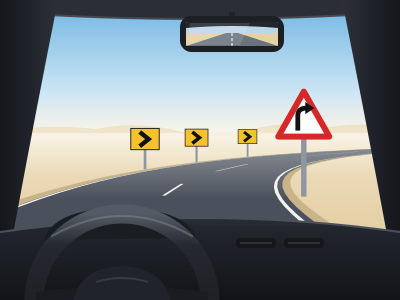
- AApply the front brake firmly while maintaining full lean angle
- BStamp on the rear brake to slow quickly without disturbing the front
- CAccelerate slightly to stabilise the tyres, then brake hard
- DGradually straighten the bike first if possible, then apply the brakes progressively
Answer and explanation in the bank
- Q13Motorcycle control
When is the correct time to shift to a higher gear?
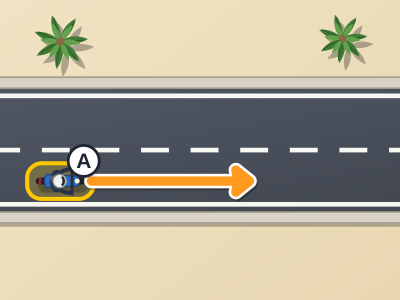
- AImmediately after pulling away from a stop, to keep revs as low as possible
- BOnly when the speedometer shows a round number (e.g. 40, 60, 80 km/h)
- CWhenever the engine makes any noise indicating it is working
- DWhen engine revs climb into the mid-to-upper range and the bike is accelerating smoothly
Answer and explanation in the bank
- Q14Motorcycle control
What is the likely effect of opening the throttle suddenly and aggressively in the middle of a corner?
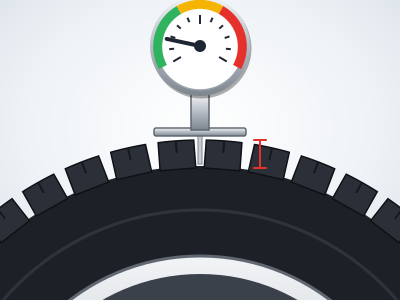
- AThe bike will accelerate and tighten its line through the corner
- BEngine braking will kick in and slow the bike safely
- CThe rear tyre can spin or step out, causing the bike to slide wide or highside
- DThe front wheel will lift, straightening the bike out of the corner safely
Answer and explanation in the bank
- Q15Motorcycle control
What is the primary physical mechanism that keeps a motorcycle upright when moving?
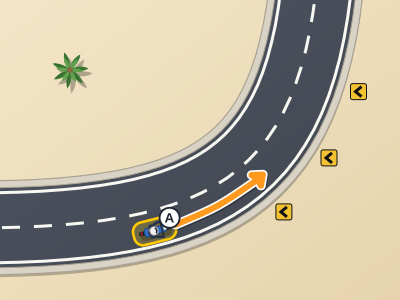
- AThe weight of the engine acting as a pendulum below the frame
- BAir pressure pushing equally on both sides of the tyres
- CThe friction between the tyres and the road preventing any tilt
- DGyroscopic effect of the spinning wheels and rider balance inputs through steering
Answer and explanation in the bank
- Q16Motorcycle control
Why does counter-steering work to initiate a turn on a fast-moving motorcycle?
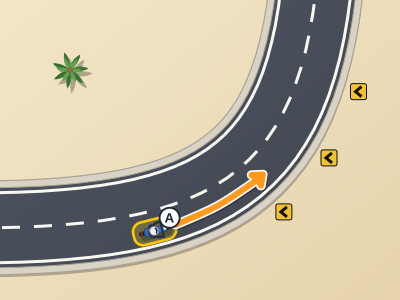
- APushing the bar creates air resistance on one side that pushes the bike around the corner
- BPushing the bar transfers weight to the opposite footpeg, tilting the bike
- CCounter-steering reverses the gyroscopic effect, slowing the spinning wheel and tightening the turn
- DPushing on one bar briefly steers the wheel slightly off-centre, allowing the bike to lean into the turn under gravity
Answer and explanation in the bank
- Q17Motorcycle control
Slipping the clutch (partially engaging it) is most useful when:
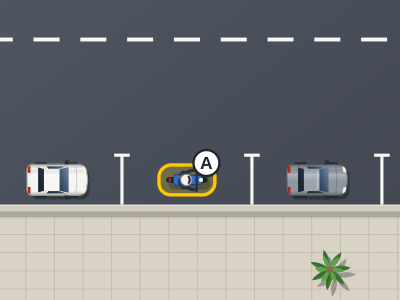
- AOvertaking at high speed on a dual carriageway
- BDescending a steep hill to increase engine braking
- CWarming up the engine from cold before riding
- DManoeuvring at very low speeds such as car-park turns or slow traffic
Answer and explanation in the bank
- Q18Motorcycle control
What is the primary role of the rear brake on a motorcycle?
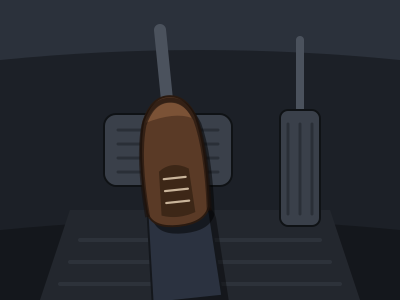
- ATo provide the majority (over 70%) of total stopping power
- BTo lock the rear wheel intentionally for controlled slides
- CTo assist steering by dragging on one side during corners
- DTo provide additional stopping force and help stabilise the bike during braking
Answer and explanation in the bank
- Q19Motorcycle control
What risk does aggressive engine braking create on a slippery surface?
- AThe front wheel locks because all braking force is transferred forward
- BThe engine overheats because the cylinders are not receiving fuel
- CThe rear wheel can lock or lose traction, causing a rear-wheel skid
- DThe suspension compresses fully, causing the bike to bottom out
Answer and explanation in the bank
- Q20Motorcycle control
When descending a long steep hill, which technique best controls speed without overheating the brakes?
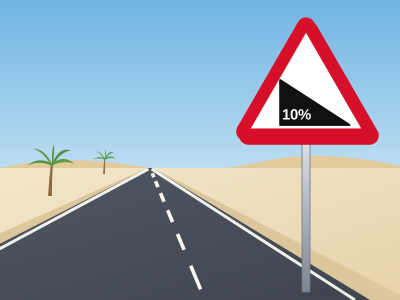
- ASelect neutral and hold both brakes firmly all the way down
- BRide in a high gear to reduce engine braking and rely solely on the front brake
- CEngage a lower gear for engine braking and apply the brakes lightly and intermittently if needed
- DIncrease speed so the descent is completed faster and braking time is reduced
Answer and explanation in the bank
Every answer above, with the rule it comes from, plus the full 20-question timed test.
Get the Bahrain Driving Test Questions - BHD 3What this test covers
Topics include road signs, traffic signals, right of way, roundabouts, speed limits, seat belts, fines and penalties, and the safe-driving rules specific to your vehicle category. Full question-by-question feedback with explanations is shown immediately after you finish the test above.
Frequently asked questions
How many questions is the Northern General Directorate of Traffic motorcycle theory test?
The official General Directorate of Traffic motorcycle theory test in Northern has 35 questions and you need 26 correct (75%) to pass. This practice test has 20 questions.
Is this the real exam?
These are practice questions to help you revise, written to the published rules and to what candidates report from the real test. They are not the official Bahrain exam and the real question bank, format, fees and pass mark are set by the General Directorate of Traffic (Ministry of Interior), and can change. Always confirm the current requirements with your driving school or the traffic department.
Is this practice test free?
The first 10 questions are free, with no signup, and each shows the answer and the reason. The full 20-question test, timed, is in the Bahrain Driving Test Questions PDF (BHD 3, one payment), with every question in the bank.
What does the Northern motorcycle theory test cover?
Road signs, traffic signals, right of way, roundabouts, speed limits, seat belts, penalties and safe-driving rules, plus the handling and safety topics specific to your vehicle.