

Northern General Directorate of Traffic Motorcycle
Practice mode· Motorcycle skillsNorthern General Directorate of Traffic - Bahrain Motorcycle Safety Practice Test
Rider safety essentials: protective gear, visibility, safe following distances, hazard awareness, lane position and sharing the road with larger vehicles.
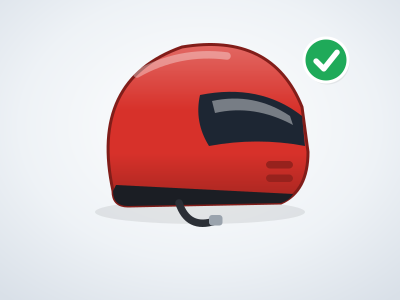
Which helmet certification standards are widely recognised as acceptable for motorcycle riders in Bahrain?
The other 10 questions in this test
Read them all. The answer and the reason for each, and the timed 20-question run, are in the Bahrain Driving Test Questions PDF.
- Q11Motorcycle safety
How can you recognise a diesel fuel spill on a wet road?
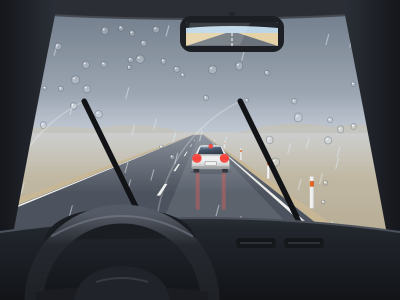
- AIt makes the road surface appear very black and shiny, similar to a dry tarmac surface
- BIt appears as a rainbow-coloured sheen or slick on the road surface, often near petrol stations or truck stops
- CDiesel spills are odourless and invisible; they can only be detected by a loss of traction
- DDiesel evaporates within minutes in Bahrain's heat and is not a lasting hazard
Answer and explanation in the bank
- Q12Motorcycle safety
When overtaking a large truck or bus on a Bahrain highway, which hazard should you anticipate as you move alongside the vehicle?
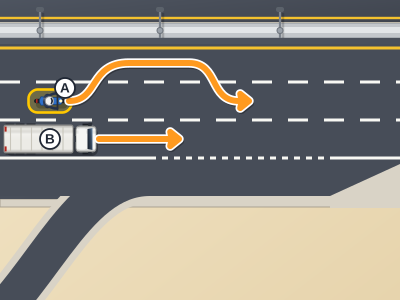
- AA sudden strong crosswind as you emerge from the shelter of the vehicle, which can push the bike sideways
- BThe truck's slipstream pulling the motorcycle into the vehicle
- CIncreased road grip beside the truck because the wide tyres compress the surface
- DReduced engine noise from the truck making it safer to communicate with other riders
Answer and explanation in the bank
- Q13Motorcycle safety
Why should a motorcyclist increase following distance when riding at night compared to daytime?
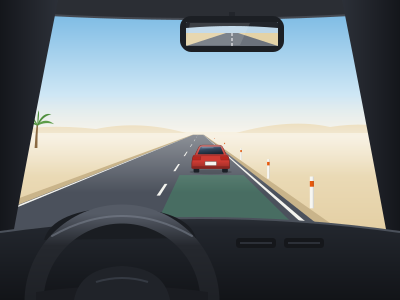
- AHeadlights illuminate a shorter distance than the stopping distance at speed, so hazards are seen later
- BThe road surface is always wetter at night, requiring more braking distance
- COther drivers cannot see motorcycles at night, so the motorcyclist must compensate by stopping sooner
- DNight temperatures reduce tyre pressure, increasing braking distance by a fixed amount
Answer and explanation in the bank
- Q14Motorcycle safety
How does rain affect a motorcycle's tyre grip compared to dry conditions?
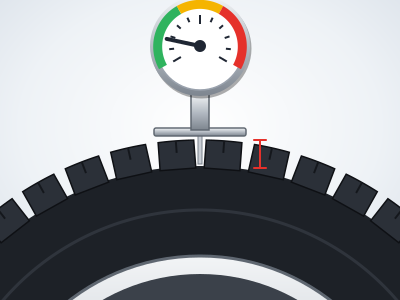
- AGrip improves slightly because rain cools the tyres to their optimal operating temperature
- BGrip is unchanged because modern tyres have grooves that expel all water
- COnly the front tyre is affected by rain; rear grip remains the same
- DGrip is significantly reduced because a film of water can prevent full tyre-to-road contact
Answer and explanation in the bank
- Q15Motorcycle safety
What does defensive riding mean for a motorcyclist?
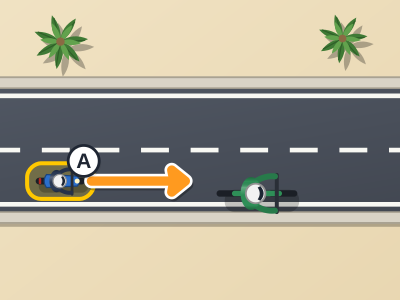
- AAnticipating hazards before they develop, maintaining safety margins, and never relying on other road users to behave predictably
- BRiding slowly at all times to avoid any possibility of a collision
- CUsing aggressive horn use and headlight flashing to warn other drivers of the motorcycle's presence
- DStaying within the speed limit only; no further action is required once you obey the rules
Answer and explanation in the bank
- Q16Motorcycle safety
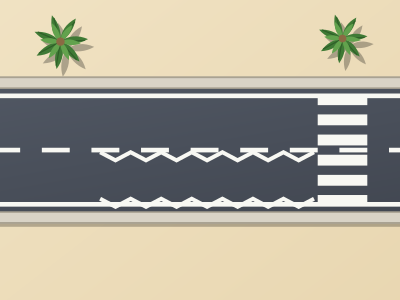
What is the recommended riding formation for a group of motorcyclists on a multi-lane road?
- ASingle file, one directly behind the other, as close together as possible
- BSide by side in pairs, filling the full width of the lane
- CA staggered (zigzag) formation, with each rider offset to one side of the lane, maintaining a gap to the rider directly ahead
- DEach rider in a separate lane to maximise individual safety
Answer and explanation in the bank
- Q17Motorcycle safety
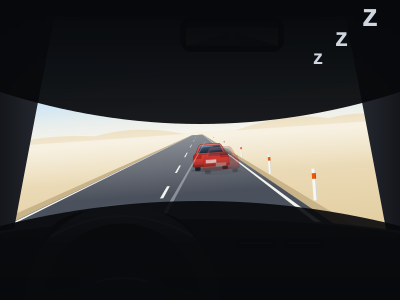
Why is fatigue especially dangerous for motorcyclists compared to car drivers?
- AMotorcycles are faster than cars, so fatigue affects them proportionally more
- BA motorcycle requires constant active physical balance and input; fatigue reduces reaction time and fine motor control that are critical to staying upright
- CMotorcycles have no seatbelt, so a fatigued rider is immediately ejected if they fall asleep
- DFatigue is equally dangerous for all vehicle types; motorcycles have no specific additional risk
Answer and explanation in the bank
- Q18Motorcycle safety
What symptoms of dehydration should a motorcyclist watch for during long summer rides in Bahrain?
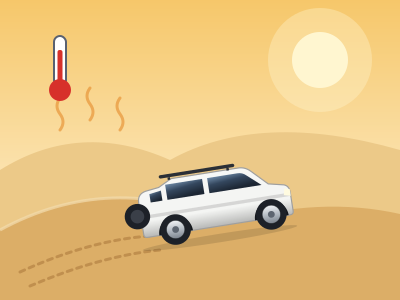
- AHeadache, dizziness, difficulty concentrating, and muscle cramps, which all impair riding ability
- BIncreased alertness and sharper reactions as adrenaline compensates for fluid loss
- CSweating more heavily, which keeps the body cool and does not affect riding performance
- DOnly physical weakness; mental performance and reactions are unaffected by dehydration
Answer and explanation in the bank
- Q19Motorcycle safety
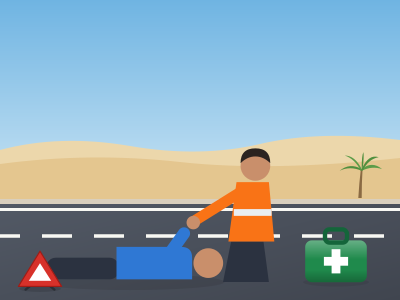
After a motorcycle crash, when should a bystander remove the injured rider's helmet?
- AAlways remove it immediately to check for head injuries
- BRemove it only if the visor is fogged; leave it on if the visor is clear
- CNever remove a helmet; it is always safer to leave it on in all circumstances
- DOnly if the rider has stopped breathing and the helmet is preventing airway management; otherwise leave it on and wait for emergency services
Answer and explanation in the bank
- Q20Motorcycle safety
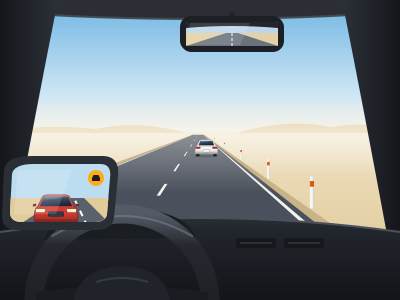
When approaching and passing through the blind spot of a large vehicle, what should a motorcyclist do?
- ASlow down to match the truck's speed and ride alongside it until it is safe to overtake
- BPass through the blind spot quickly without lingering, ensure headlights are on, and avoid sitting alongside the vehicle for extended periods
- CFlash headlights repeatedly to alert the truck driver to your presence
- DMove into the oncoming lane to be fully visible to the truck driver through the windscreen
Answer and explanation in the bank
Every answer above, with the rule it comes from, plus the full 20-question timed test.
Get the Bahrain Driving Test Questions - BHD 3What this test covers
Topics include road signs, traffic signals, right of way, roundabouts, speed limits, seat belts, fines and penalties, and the safe-driving rules specific to your vehicle category. Full question-by-question feedback with explanations is shown immediately after you finish the test above.
Frequently asked questions
How many questions is the Northern General Directorate of Traffic motorcycle theory test?
The official General Directorate of Traffic motorcycle theory test in Northern has 35 questions and you need 26 correct (75%) to pass. This practice test has 20 questions.
Is this the real exam?
These are practice questions to help you revise, written to the published rules and to what candidates report from the real test. They are not the official Bahrain exam and the real question bank, format, fees and pass mark are set by the General Directorate of Traffic (Ministry of Interior), and can change. Always confirm the current requirements with your driving school or the traffic department.
Is this practice test free?
The first 10 questions are free, with no signup, and each shows the answer and the reason. The full 20-question test, timed, is in the Bahrain Driving Test Questions PDF (BHD 3, one payment), with every question in the bank.
What does the Northern motorcycle theory test cover?
Road signs, traffic signals, right of way, roundabouts, speed limits, seat belts, penalties and safe-driving rules, plus the handling and safety topics specific to your vehicle.