

Southern General Directorate of Traffic Motorcycle
Timed mock exam· Full mock examsSouthern General Directorate of Traffic - Bahrain Motorcycle Theory Mock Test 2
Second full motorcycle mock exam with a fresh 35-question selection across road rules, signs and rider-specific topics. Keep practising without repetition.
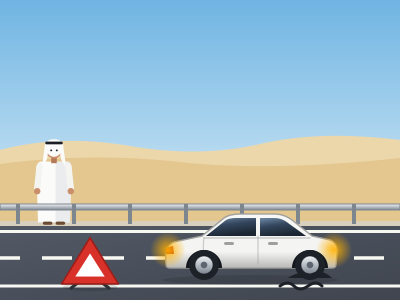
A rear tyre blows out at highway speed. How does this differ from a front blowout in terms of the vehicle's behaviour?
The other 25 questions in this test
Read them all. The answer and the reason for each, and the timed 35-question run, are in the Bahrain Driving Test Questions PDF.
- Q11Road signs and signals
What shape is a warning sign in Bahrain?

- AA red-bordered triangle
- BA red octagon
- CA blue circle
- DA green rectangle
Answer and explanation in the bank
- Q12Traffic rules
You have just parked at the kerb. Before pulling back into traffic, what indicator action is required?
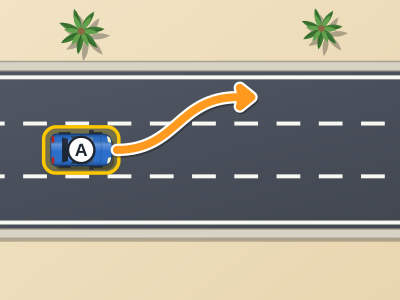
- ASignal right, since you are moving away from the kerb on your right
- BSignal left to show you are moving into traffic, wait for a safe gap, then go
- CNo indicator is needed when pulling away from a parking space
- DSound the horn instead of signalling
Answer and explanation in the bank
- Q13Right of way
After an emergency vehicle has passed, when may you follow closely behind it or use the clear path it has created?
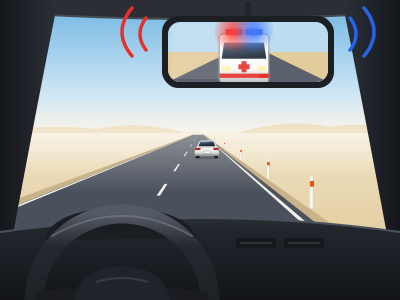
- AImmediately, because the road ahead is now clear.
- BOnly if you are travelling to the same destination.
- CAfter waiting 30 seconds.
- DNever; you must not follow an emergency vehicle or exploit the gap it has cleared.
Answer and explanation in the bank
- Q14Safe driving
An oncoming vehicle dazzles you with its full-beam headlights at night. What should you do?
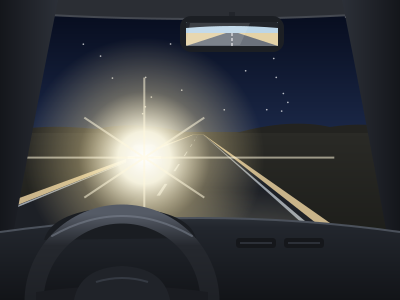
- AFlash your high beams repeatedly until the other driver dips theirs
- BClose your eyes briefly until the vehicle passes to protect your night vision
- CSlow down, look toward the left edge of your lane, and avoid staring into the lights
- DSwerve right to create maximum distance from the oncoming vehicle
Answer and explanation in the bank
- Q15Penalties and fines
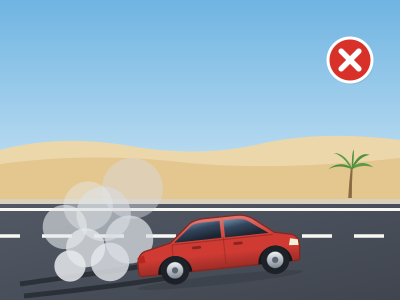
Which of the following best describes dangerous driving as opposed to reckless driving?
- ADangerous driving only applies to professional or commercial drivers
- BDangerous driving includes any manner of driving that falls far below the standard expected of a competent driver, even without deliberate intent
- CDangerous driving is a lesser offence than careless driving and carries no points
- DDangerous driving can only be charged if a collision actually occurred
Answer and explanation in the bank
- Q16Motorcycle control
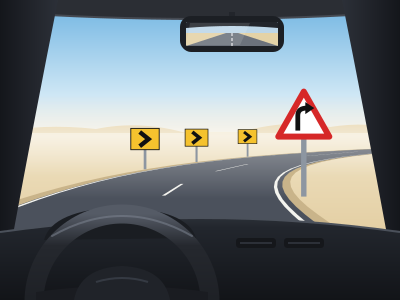
What should a pillion passenger do to help the rider maintain control?
- ALean opposite to the turn to help counterbalance the motorcycle
- BHold firmly to the rider or grab handles, keep feet on the footpegs, and lean with the bike in corners
- CGrip the rider tightly around the neck to stay secure
- DPut their feet down at every stop to help stabilise the bike
Answer and explanation in the bank
- Q17Motorcycle safety
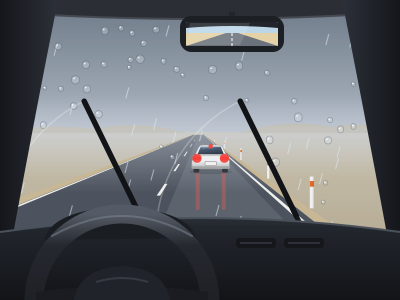
Which of the following road surfaces presents the greatest slip risk for a motorcyclist?
- ADry, coarse-textured tarmac in good repair
- BA wet manhole cover or road marking (paint) in the rain
- CNew asphalt that has had one week to cure
- DConcrete motorway surface on a dry day
Answer and explanation in the bank
- Q18Road signs and signals
What does a white rectangular sign with a black border typically provide?
- AA prohibition that must be obeyed immediately
- BA warning about a hazard ahead
- CSupplementary information such as distance or hours of operation
- DAdvance direction information for motorways
Answer and explanation in the bank
- Q19Traffic rules
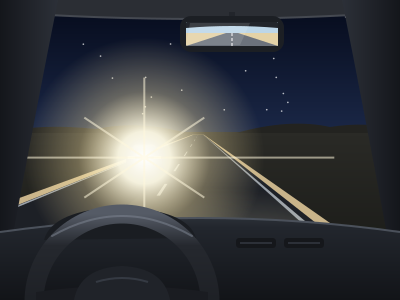
When must you switch on your vehicle's headlights in Bahrain?
- AOnly when driving on highways after midnight
- BBetween sunset and sunrise and whenever visibility is reduced by weather or dust
- COnly in fog or heavy rain
- DOnly when other drivers flash their lights at you
Answer and explanation in the bank
- Q20Right of way
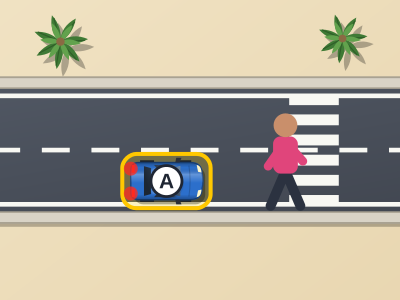
A pedestrian steps onto an uncontrolled crossing directly ahead of you. What must you do?
- ASound your horn and continue if you can pass without hitting them.
- BSlow down but maintain priority because you are in a vehicle.
- CStop and give way to the pedestrian.
- DOnly stop if the pedestrian is in your direct lane of travel.
Answer and explanation in the bank
- Q21Safe driving
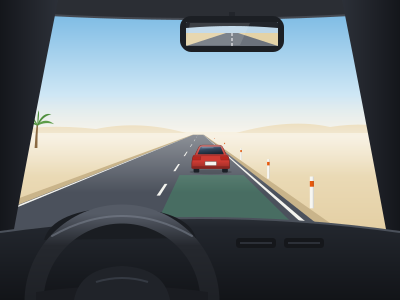
Which statement best describes defensive driving?
- ADriving very slowly at all times to allow others to pass
- BAnticipating hazards and adjusting your driving to reduce risk, regardless of other road users' behaviour
- CUsing your horn frequently to warn other drivers of your presence
- DFollowing the vehicle ahead closely to benefit from their view of the road ahead
Answer and explanation in the bank
- Q22Penalties and fines
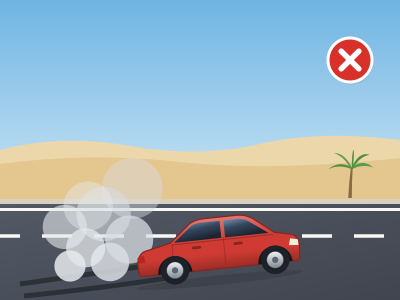
What is 'drifting' and how does Bahrain law treat it?
- AGradually merging lanes on a motorway; it is permitted with a signal
- BA controlled braking technique used in emergency stops; it is taught in advanced driving courses
- CDriving slowly in a residential area; it is a minor infraction with a small fine
- DIntentionally causing a vehicle to over-steer and slide sideways; it is a serious criminal offence in Bahrain
Answer and explanation in the bank
- Q23Motorcycle control
What happens to ground clearance as the lean angle of a motorcycle increases in a corner?
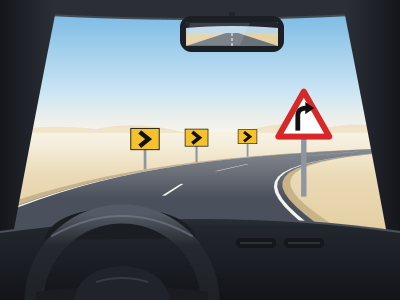
- AGround clearance increases because the bike rises on the outside tyre
- BGround clearance is unaffected because the frame geometry stays the same
- CGround clearance decreases; at high lean angles, footpegs or fairings can touch the road
- DGround clearance decreases only on the inside of the turn, not the outside
Answer and explanation in the bank
- Q24Motorcycle safety
Which motorcycle colour is generally considered most visible to other road users in daylight?
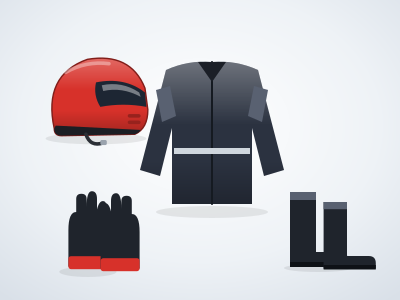
- ABright white or fluorescent yellow-green, which stand out from most road and vehicle backgrounds
- BBlack, which is the most commonly chosen colour and therefore the most recognised by drivers
- CMetallic silver, because it reflects light and draws attention
- DColour has no measurable effect on conspicuity; only riding position matters
Answer and explanation in the bank
- Q25Road signs and signals
A sign shows a red circle with the number 60, followed later by the same circle crossed out. What does the second sign mean?
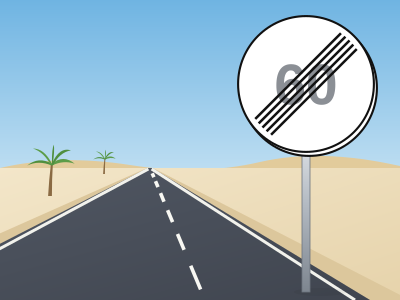
- AThe 60 km/h speed limit has ended
- BYou must now drive at exactly 60 km/h
- CA new 60 km/h zone begins
- DYou must stop your vehicle
Answer and explanation in the bank
- Q26Traffic rules
When should you switch from high beam to dipped (low beam) headlights in Bahrain?
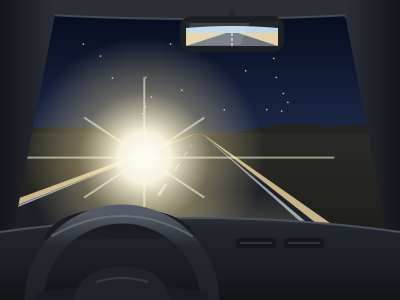
- AOnly when a police officer signals you to do so
- BWhenever an oncoming vehicle is close enough to be dazzled, and when following closely behind another vehicle
- COnly when driving inside a tunnel
- DHigh beam should be used at all times on open rural roads
Answer and explanation in the bank
- Q27Right of way
The pedestrian signal shows a flashing red man at a crossing and pedestrians are still on the road. What should you do?
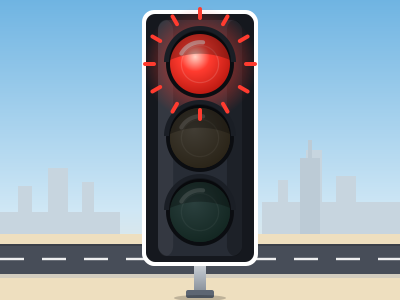
- AProceed slowly through gaps between the pedestrians.
- BSound your horn to encourage pedestrians to hurry.
- CRemain stopped until all pedestrians have cleared the crossing.
- DMove forward as soon as the vehicle signal turns green.
Answer and explanation in the bank
- Q28Safe driving
Why is tailgating (following too closely) so dangerous?
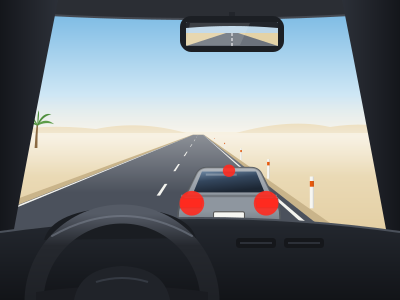
- AIt causes excessive tyre wear on the front tyres
- BIt reduces fuel economy due to aerodynamic turbulence
- CIt removes the time and space needed to stop if the vehicle ahead brakes suddenly
- DIt is only dangerous on wet roads, not on dry roads
Answer and explanation in the bank
- Q29Penalties and fines
A group of young drivers organise an informal street racing event on a public road in Bahrain. What is the legal consequence?
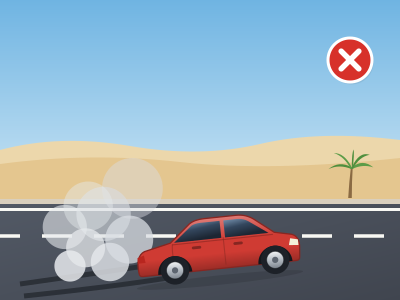
- AParticipants receive a formal caution and a required attendance at a road-safety seminar
- BOnly the organiser is penalised; drivers who simply joined are fined minimally
- CStreet racing is allowed on designated industrial roads outside peak hours
- DAll participants face criminal prosecution, heavy fines, imprisonment, and vehicle confiscation
Answer and explanation in the bank
- Q30Motorcycle control
Braking distance increases significantly when:
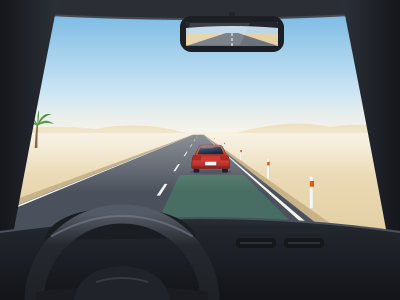
- ASpeed increases by 10 km/h, which adds only a few centimetres to the stopping distance
- BSpeed doubles, because kinetic energy (and therefore stopping distance) increases fourfold
- CThe road is hot in summer, because heat makes tarmac softer and less grippy
- DThe rear tyre is slightly over-inflated by 5 PSI
Answer and explanation in the bank
- Q31Motorcycle safety
Apart from the standard headlight, which additional measure best improves a motorcycle's night-time visibility to other drivers?
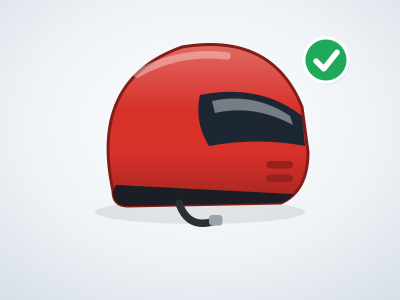
- AReplacing the standard headlight with a very powerful aftermarket unit that blinds oncoming traffic
- BRetro-reflective strips on the helmet, jacket, and panniers that light up in other vehicles' headlights
- CUsing a high-pitched horn more frequently to draw attention at night
- DRiding in the centre of the road so that both lanes of traffic can see the headlight
Answer and explanation in the bank
- Q32Road signs and signals
What does a green overhead gantry sign typically indicate on a Bahraini motorway?
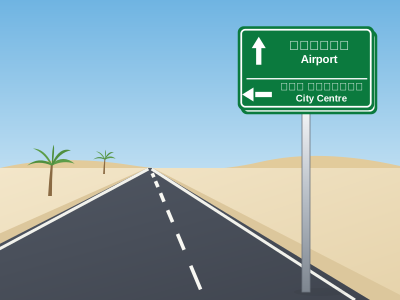
- AA speed restriction that must be obeyed
- BA prohibition applying to the lane below it
- CA warning about a hazard in the next 500 metres
- DDirection and destination information
Answer and explanation in the bank
- Q33Traffic rules
In which situation should you use your fog lights in Bahrain?
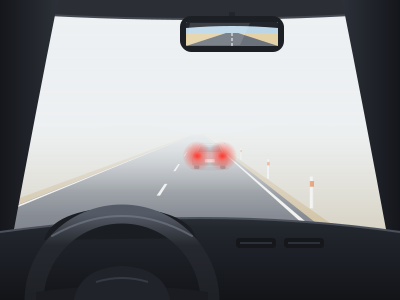
- AAs a substitute for main headlights at night
- BWhen visibility is seriously reduced by fog, dust storms or heavy rain
- CTo signal to a vehicle ahead that you want to overtake
- DAt all times for extra visibility
Answer and explanation in the bank
- Q34Right of way
Your vehicle signal turns green at a controlled crossing but a pedestrian is still crossing. What do you do?
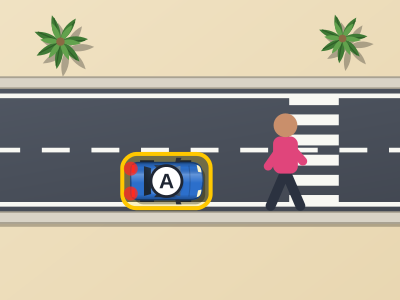
- AMove forward slowly so the pedestrian speeds up.
- BWait until the pedestrian has safely cleared the crossing before moving.
- CProceed; the green signal gives you priority.
- DSound your horn to alert the pedestrian.
Answer and explanation in the bank
- Q35Safe driving
When overtaking another vehicle on a Bahrain highway, which gap should you have in front of the overtaken vehicle before pulling back in?
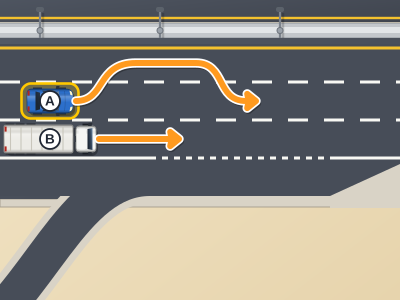
- AYou can move back in as soon as your vehicle's front clears the overtaken vehicle's front
- BAny gap is safe if you indicate when returning to the lane
- CYou should be able to see the overtaken vehicle fully in your interior mirror before moving back in
- DOne car length is sufficient at any speed
Answer and explanation in the bank
Every answer above, with the rule it comes from, plus the full 35-question timed test.
Get the Bahrain Driving Test Questions - BHD 3What this test covers
Topics include road signs, traffic signals, right of way, roundabouts, speed limits, seat belts, fines and penalties, and the safe-driving rules specific to your vehicle category. Full question-by-question feedback with explanations is shown immediately after you finish the test above.
Frequently asked questions
How many questions is the Southern General Directorate of Traffic motorcycle theory test?
The official General Directorate of Traffic motorcycle theory test in Southern has 35 questions and you need 26 correct (75%) to pass. This practice test has 35 questions.
Is this the real exam?
These are practice questions to help you revise, written to the published rules and to what candidates report from the real test. They are not the official Bahrain exam and the real question bank, format, fees and pass mark are set by the General Directorate of Traffic (Ministry of Interior), and can change. Always confirm the current requirements with your driving school or the traffic department.
Is this practice test free?
The first 10 questions are free, with no signup, and each shows the answer and the reason. The full 35-question test, timed, is in the Bahrain Driving Test Questions PDF (BHD 3, one payment), with every question in the bank.
What does the Southern motorcycle theory test cover?
Road signs, traffic signals, right of way, roundabouts, speed limits, seat belts, penalties and safe-driving rules, plus the handling and safety topics specific to your vehicle.