

Al Asimah (Capital) General Traffic Department Motorcycle
Practice mode· Motorcycle skillsAl Asimah (Capital) General Traffic Department - Kuwait Motorcycle Control Practice Test
Focused practice on motorcycle handling: balance, braking, cornering, gear use, positioning and low-speed control. Build the machine skills the theory test expects.
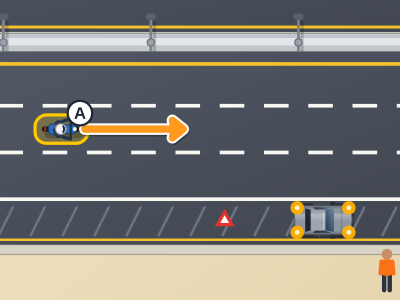
When riding at highway speed in Kuwait (right-hand traffic) and you want to turn right, what is the correct counter-steering input?
The other 10 questions in this test
Read them all. The answer and the reason for each, and the timed 20-question run, are in the Kuwait Driving Theory Online Practice Bank.
- Q11Motorcycle control
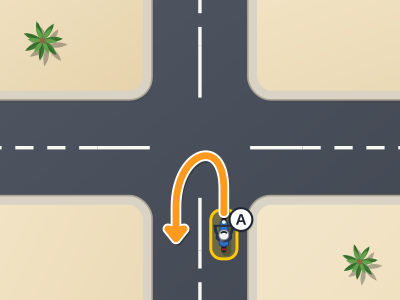
What is the most important technique for completing a slow-speed U-turn safely?
- AApply the front brake gently throughout the turn to stay slow
- BKeep the handlebars straight and lean your body only
- CSelect a high gear to stabilise the engine at low speed
- DKeep the throttle slightly open, use the rear brake to control speed, and look through the turn toward where you want to go
Answer and explanation in the bank
- Q12Motorcycle control
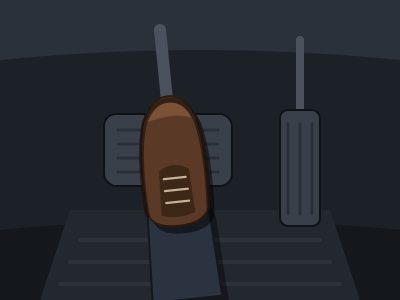
Why is it dangerous to apply the front brake sharply at very low speeds?
- AThe front brake has no effect below 20 km/h
- BThe front wheel can stop abruptly and the motorcycle may tip forward or fall
- CThe rear wheel locks before the front can decelerate
- DThe clutch disengages automatically at low speed
Answer and explanation in the bank
- Q13Motorcycle control
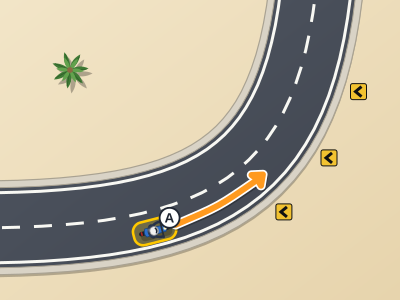
At approximately what speed does counter-steering become the dominant method of initiating turns on a motorcycle?
- AAbove approximately 60 km/h
- BAbove approximately 20 km/h
- COnly above 100 km/h
- DOnly when the road surface is wet
Answer and explanation in the bank
- Q14Motorcycle control
What should you do with the throttle as you exit a corner and begin to straighten the motorcycle?
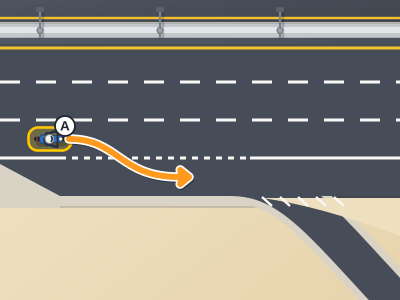
- ASnap the throttle open quickly to stand the bike upright
- BKeep the throttle fully closed until you are completely upright
- CDownshift before applying any power
- DGradually roll the throttle open to match the decreasing lean angle
Answer and explanation in the bank
- Q15Motorcycle control
On most motorcycles with a sequential gearbox, where is neutral located?
- ABelow first gear
- BAbove top gear
- CAdjacent to third gear
- DBetween first and second gear
Answer and explanation in the bank
- Q16Motorcycle control
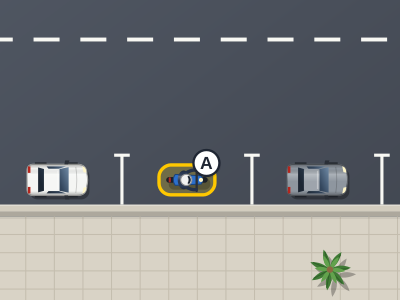
During a very slow parking manoeuvre, which combination of controls primarily maintains balance and controls speed?
- AFront brake and wide-open throttle
- BGearbox in neutral and body lean alone
- CHigh idle speed with both brakes fully applied
- DClutch in the friction zone combined with gentle rear brake pressure
Answer and explanation in the bank
- Q17Motorcycle control
How does a pillion passenger's weight primarily affect the motorcycle's braking distance?
- AIt decreases braking distance because more weight presses the tyres onto the road
- BIt increases braking distance because total momentum is greater and requires more force to decelerate
- CIt has no effect on braking distance if the motorcycle has ABS
- DIt only affects braking distance on wet roads
Answer and explanation in the bank
- Q18Motorcycle control
When riding downhill, why is engine braking recommended in addition to using the friction brakes?

- AIt is faster than using the hand and foot brakes
- BIt prevents the rear wheel from spinning due to engine torque
- CIt reduces the load on the brake pads and discs, preventing overheating and brake fade
- DIt locks the front brake automatically to prevent runaway speed
Answer and explanation in the bank
- Q19Motorcycle control
What is the correct arm position when gripping the handlebars for maximum control?
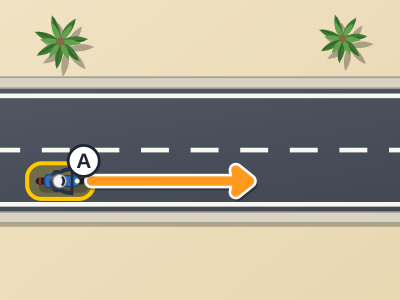
- AFully extended arms, tight grip, wrists raised
- BElbows locked straight with the grip as tight as possible
- CArms crossed over the fuel tank for reduced aerodynamic drag
- DSlightly bent elbows, relaxed grip, wrists flat or slightly down
Answer and explanation in the bank
- Q20Motorcycle control
When preparing to overtake a slower vehicle on a Kuwait highway, which gear change is normally needed before accelerating?
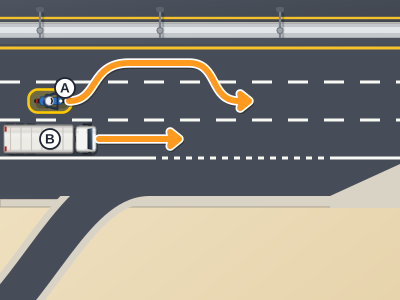
- ADownshift one or two gears to place the engine in a higher-power part of its rev range
- BUpshift to the highest gear before opening the throttle
- CStay in the same gear and open the throttle fully from low revs
- DSelect neutral to allow the engine to free-rev before re-engaging
Answer and explanation in the bank
Every answer above, with the rule it comes from, plus the full 20-question timed test.
Get the Kuwait Driving Theory Online Practice Bank - KWD 3.5What this test covers
Topics include road signs, traffic signals, right of way, roundabouts, speed limits, seat belts, fines and penalties, and the safe-driving rules specific to your vehicle category. Full question-by-question feedback with explanations is shown immediately after you finish the test above.
Frequently asked questions
How many questions is the Al Asimah (Capital) General Traffic Department motorcycle theory test?
The official General Traffic Department motorcycle theory test in Al Asimah (Capital) has 20 questions and you need 18 correct (90%) to pass. This practice test has 20 questions.
Is this the real exam?
These are practice questions to help you revise, written to the published rules and to what candidates report from the real test. They are not the official Kuwait exam and the real question bank, format, fees and pass mark are set by the General Traffic Department (Ministry of Interior), and can change. Always confirm the current requirements with your driving school or the traffic department.
Is this practice test free?
The first 10 questions are free, with no signup, and each shows the answer and the reason. The full 20-question test, timed, is in the Kuwait Driving Theory Online Practice Bank (KWD 3.5, one payment), with every question in the bank.
What does the Al Asimah (Capital) motorcycle theory test cover?
Road signs, traffic signals, right of way, roundabouts, speed limits, seat belts, penalties and safe-driving rules, plus the handling and safety topics specific to your vehicle.