

Hawalli General Traffic Department Motorcycle
Timed mock exam· Full mock examsHawalli General Traffic Department - Kuwait Motorcycle Theory Mock Test 3
Third full motorcycle mock exam and a great final readiness check before your real bike theory test. Another distinct set of 20 timed questions.
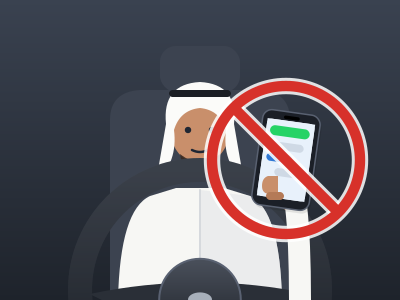
A driver in Kuwait is caught using a mobile phone and simultaneously commits another traffic violation. What is the likely outcome?
The other 10 questions in this test
Read them all. The answer and the reason for each, and the timed 20-question run, are in the Kuwait Driving Theory Online Practice Bank.
- Q11Road signs and signals
What hazard does this sign warn about?
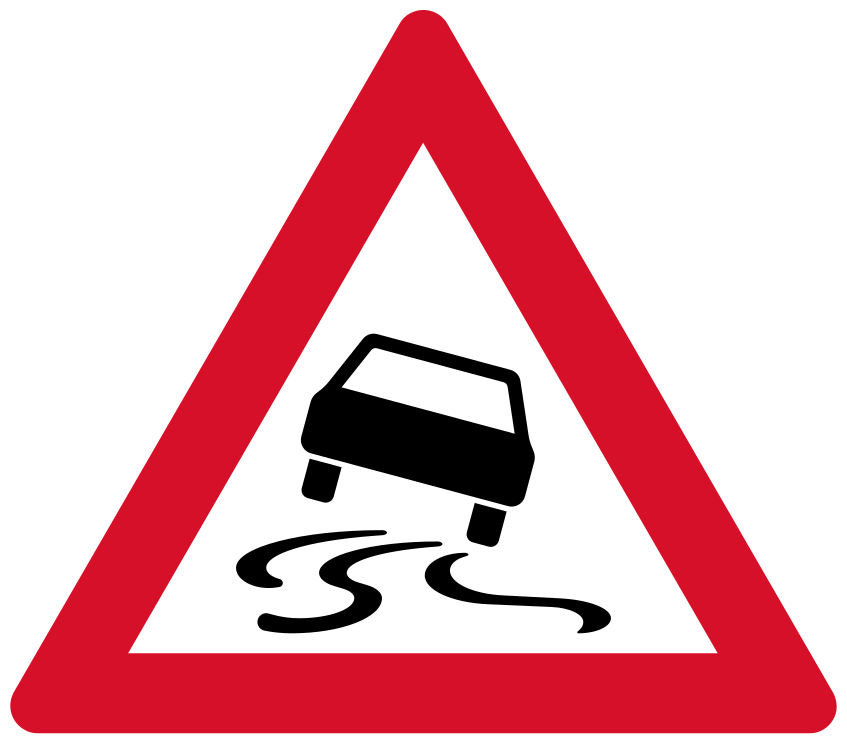
- AThere is a loose gravel surface ahead
- BThe road surface may be slippery
- CStrong crosswinds are possible in this area
- DA wet road due to flooding is ahead
Answer and explanation in the bank
- Q12Traffic rules
A driver in Kuwait overtakes on the right side of a vehicle that is indicating and moving left. Which rule applies?
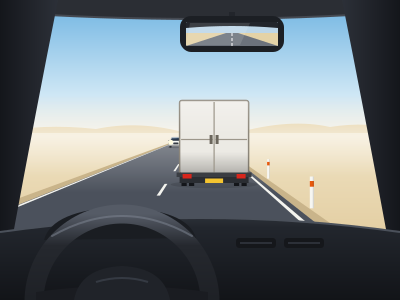
- AThe overtaking driver is at fault for passing on the wrong side
- BThe turning driver is solely at fault for failing to check mirrors
- CBoth drivers share equal fault regardless of circumstances
- DOvertaking on the right is permitted when the other vehicle is turning left
Answer and explanation in the bank
- Q13Right of way
Traffic lights at a junction have failed and no police officer is directing traffic. How should you treat the junction?
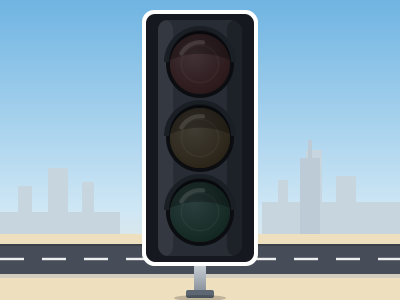
- ATreat it as an unmarked junction: give way to traffic on your right and proceed with caution
- BTreat it as a STOP sign: stop for at least 30 seconds before proceeding
- CYou have priority because signals are not working
- DOnly vehicles travelling straight ahead have priority; turning vehicles must stop
Answer and explanation in the bank
- Q14Safe driving
How often should you check your mirrors while driving on a Kuwaiti urban road?
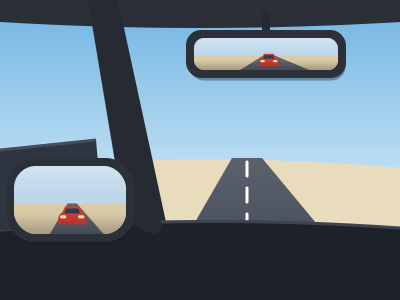
- AEvery 5 to 8 seconds, or before any change of speed or direction
- BOnly when you intend to turn
- COnly when reversing
- DEvery 30 seconds is sufficient
Answer and explanation in the bank
- Q15Penalties and fines
Who is responsible for ensuring that front-seat passengers wear seatbelts in a private vehicle in Kuwait?
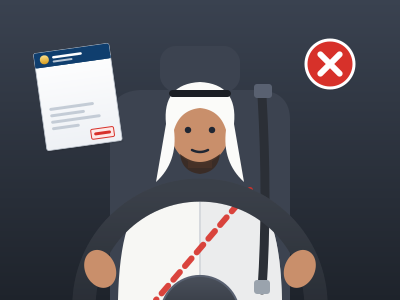
- AEach individual passenger is solely responsible for themselves
- BThe driver is primarily responsible and can be fined if a front-seat passenger is unbelted
- CNo one is responsible; seatbelts are optional for passengers over 18
- DThe vehicle owner, even if not present in the car
Answer and explanation in the bank
- Q16Motorcycle control
What is the most important technique for completing a slow-speed U-turn safely?
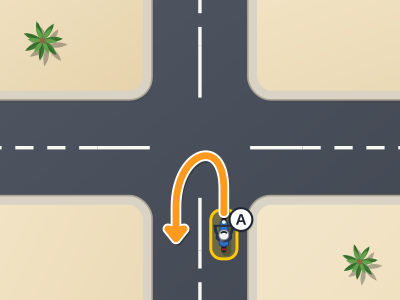
- AApply the front brake gently throughout the turn to stay slow
- BKeep the handlebars straight and lean your body only
- CSelect a high gear to stabilise the engine at low speed
- DKeep the throttle slightly open, use the rear brake to control speed, and look through the turn toward where you want to go
Answer and explanation in the bank
- Q17Motorcycle safety
You notice a rainbow-coloured film on the road surface near a petrol station. What does this indicate and how should you respond?
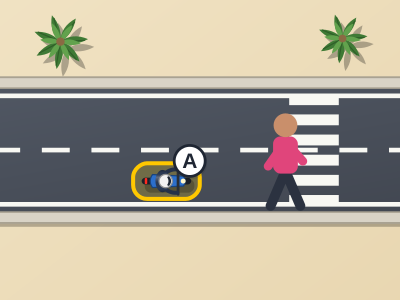
- AA freshly painted road marking that dries quickly and is harmless
- BReflective paint used by Kuwait roads authority to improve night visibility
- CEvaporated water leaving harmless mineral deposits on the surface
- DA diesel or fuel spill that severely reduces grip; slow down, avoid the area if possible, and do not brake hard while crossing it
Answer and explanation in the bank
- Q18Road signs and signals
What does this sign warn about?

- AA speed bump or raised road feature ahead
- BThe road surface is damaged ahead
- CA humpback bridge is ahead
- DA dip or depression in the road ahead
Answer and explanation in the bank
- Q19Traffic rules
Where are U-turns generally prohibited in Kuwait?
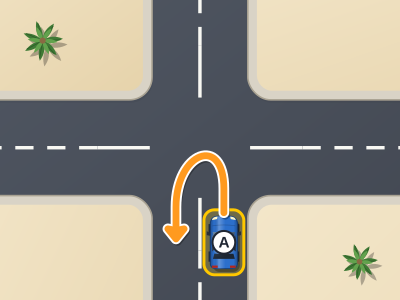
- AOnly on roads with a speed limit above 100 km/h
- BU-turns are always permitted if the road is clear
- COnly in residential areas
- DAt intersections with a no-U-turn sign, on motorways, near bends, and on bridges
Answer and explanation in the bank
- Q20Right of way
A school bus has stopped with its warning lights flashing and is dropping off children. What must you do?
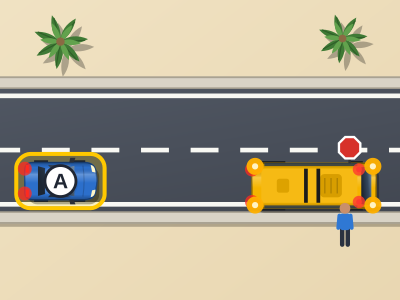
- APass slowly on the right side of the bus
- BStop and wait until the bus moves off or the warning lights are extinguished
- CSound your horn to alert the children and pass with care
- DOnly stop if you are behind the bus; vehicles facing the bus may proceed
Answer and explanation in the bank
Every answer above, with the rule it comes from, plus the full 20-question timed test.
Get the Kuwait Driving Theory Online Practice Bank - KWD 3.5What this test covers
Topics include road signs, traffic signals, right of way, roundabouts, speed limits, seat belts, fines and penalties, and the safe-driving rules specific to your vehicle category. Full question-by-question feedback with explanations is shown immediately after you finish the test above.
Frequently asked questions
How many questions is the Hawalli General Traffic Department motorcycle theory test?
The official General Traffic Department motorcycle theory test in Hawalli has 20 questions and you need 18 correct (90%) to pass. This practice test has 20 questions.
Is this the real exam?
These are practice questions to help you revise, written to the published rules and to what candidates report from the real test. They are not the official Kuwait exam and the real question bank, format, fees and pass mark are set by the General Traffic Department (Ministry of Interior), and can change. Always confirm the current requirements with your driving school or the traffic department.
Is this practice test free?
The first 10 questions are free, with no signup, and each shows the answer and the reason. The full 20-question test, timed, is in the Kuwait Driving Theory Online Practice Bank (KWD 3.5, one payment), with every question in the bank.
What does the Hawalli motorcycle theory test cover?
Road signs, traffic signals, right of way, roundabouts, speed limits, seat belts, penalties and safe-driving rules, plus the handling and safety topics specific to your vehicle.