

Al Daayen General Directorate of Traffic Light vehicle
Timed mock exam· Full mock examsAl Daayen General Directorate of Traffic - Qatar Theory Mock Test 1
A full 40-question timed practice exam in the format reported for the Qatar light-vehicle theory test run by the General Directorate of Traffic. Questions span road signs, traffic rules, right of way, safety and penalties. Aim for 37/40 (92.5%) to pass.
On which side of the road are you permitted to overtake another vehicle in Qatar?
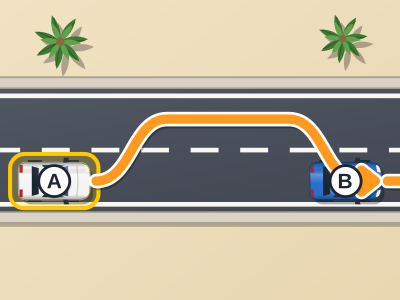
The other 30 questions in this test
Read them all. The answer and the reason for each, and the timed 40-question run, are in the Qatar Driving Theory Online Practice Bank.
- Q11Road signs and signals
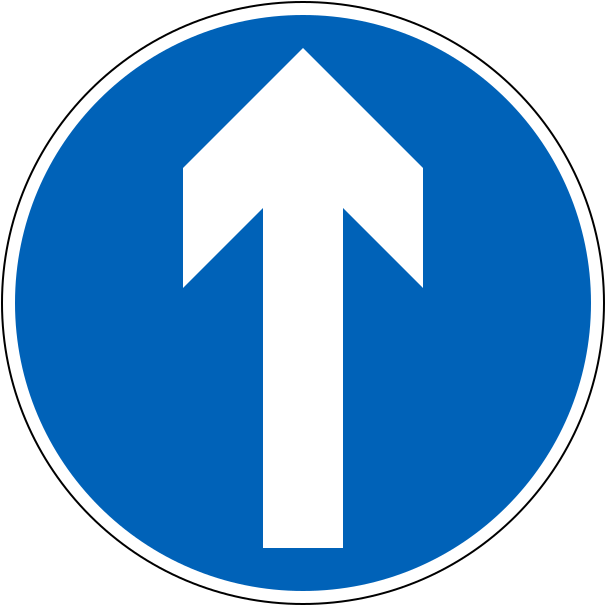
What does a sign showing a white arrow pointing straight ahead on a blue background in a roundabout mean?
- AYou may exit at any point of the roundabout
- BNo entry from this direction
- CYou must follow the direction shown by the arrow and continue in the indicated direction
- DLane reserved for buses only
Answer and explanation in the bank
- Q12Traffic rules
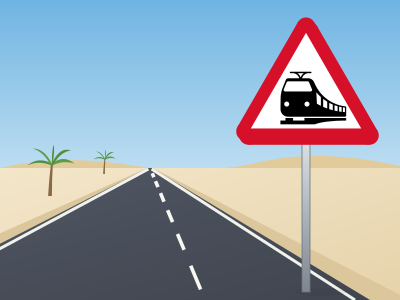
When approaching a railway (level) crossing in Qatar with no barriers, what must you do?
- AContinue at the same speed as trains always stop for road traffic
- BSound your horn to warn any train driver before crossing
- CSlow down, look and listen for trains in both directions, and only cross when safe
- DCross quickly without stopping to minimise time on the tracks
Answer and explanation in the bank
- Q13Right of way
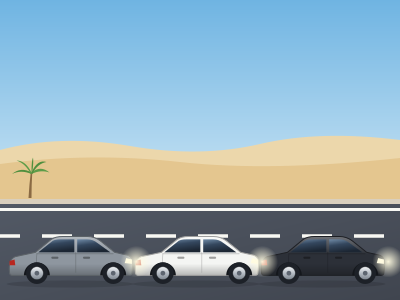
You are the third vehicle in a convoy of private cars following a hearse at a funeral. An oncoming driver wants to turn left across the convoy. What should happen?
- AThe oncoming driver may turn between convoy vehicles if a large gap appears
- BThe oncoming driver must wait for the entire convoy to pass before turning
- CThe last vehicle in the convoy must stop to allow the turn
- DFuneral convoys have no special right-of-way status
Answer and explanation in the bank
- Q14Safe driving
What is the Qatar emergency services number to call after a serious road crash?
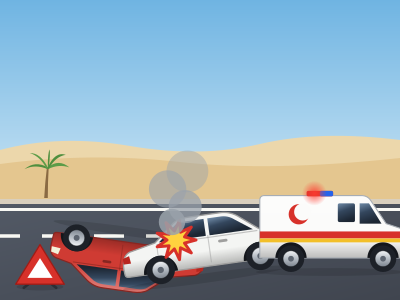
- A999
- B911
- C112
- D100
Answer and explanation in the bank
- Q15Penalties and fines
Which of the following best explains why Qatar treats drifting as a serious criminal offence rather than a minor traffic infraction?
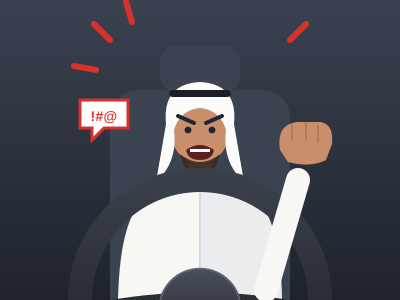
- ADrifting is only serious because it damages road surfaces, not because of safety risk.
- BIt is classified as serious only because international motorsport regulations ban it.
- CDrifting involves deliberate loss of vehicle control at speed, creating a risk of fatal collision or injury to bystanders, which the law treats as reckless endangerment.
- DQatar penalises it heavily only to protect tyre and vehicle manufacturers.
Answer and explanation in the bank
- Q16Road signs and signals
What colour and shape are mandatory instruction signs in Qatar (signs that tell you what you MUST do)?
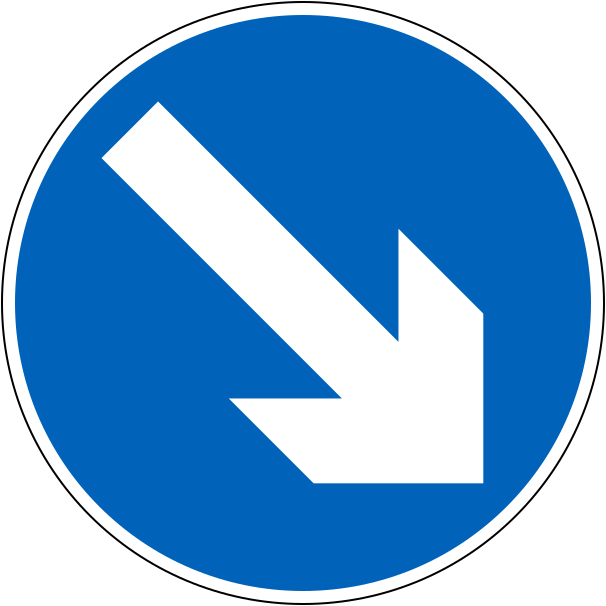
- ABlue circle with white symbols
- BRed triangle with white background
- CGreen rectangle with white text
- DYellow diamond with black symbols
Answer and explanation in the bank
- Q17Traffic rules
The barrier at a level crossing is down and the warning lights are flashing in Qatar. What must you do?
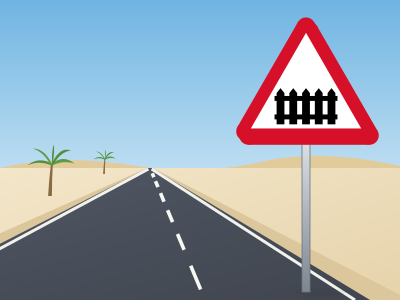
- AProceed slowly as the lights may be malfunctioning
- BStop and wait until the barriers fully rise and lights stop flashing before proceeding
- CWeave around the barrier if no train is visible
- DSound your horn and advance to check if the way is clear
Answer and explanation in the bank
- Q18Right of way
Children are crossing the road near a school, supervised by a crossing guard holding a stop paddle. What must you do?
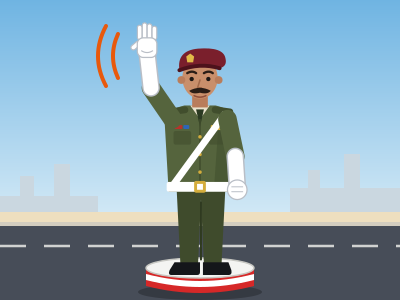
- ASlow to 20 km/h and proceed carefully
- BStop and wait until the crossing guard signals that it is safe to continue
- CSound your horn to alert the children and proceed
- DStop only if a child is actually in your lane
Answer and explanation in the bank
- Q19Safe driving
What does defensive driving mean in practice?
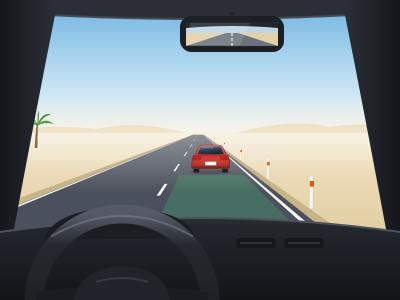
- AAnticipating hazards, maintaining safe distances, and being prepared to react to others' mistakes
- BDriving slowly at all times regardless of the speed limit
- CUsing the horn frequently to warn other drivers of your presence
- DStaying only in the right-hand lane to avoid merging traffic
Answer and explanation in the bank
- Q20Penalties and fines
What does driving the wrong way on a road or motorway mean?
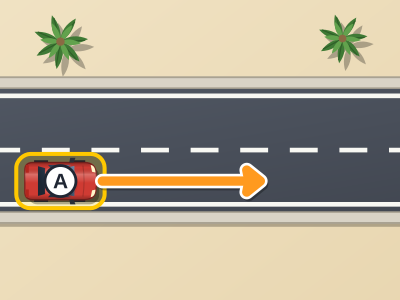
- ADriving in the right-hand lane when the left lane is available.
- BTravelling against the flow of traffic, facing oncoming vehicles in a lane intended for the opposite direction.
- CMaking a U-turn at a junction where a sign says no U-turn.
- DExceeding the speed limit in the direction of travel.
Answer and explanation in the bank
- Q21Road signs and signals
You reach a Stop sign in Qatar and the junction is completely clear in both directions. What must you do?
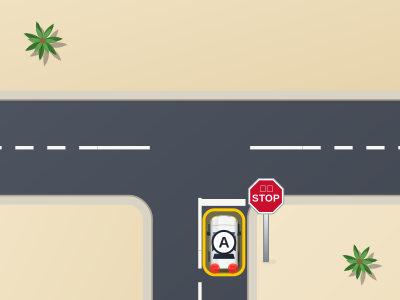
- ASlow to walking pace and continue if nothing is coming
- BContinue at the same speed because the road is clear
- CCome to a full stop at the stop line, then go when it is safe
- DStop only if a police officer or camera is present
Answer and explanation in the bank
- Q22Traffic rules
What is the first thing you must do when entering a road tunnel in Qatar?
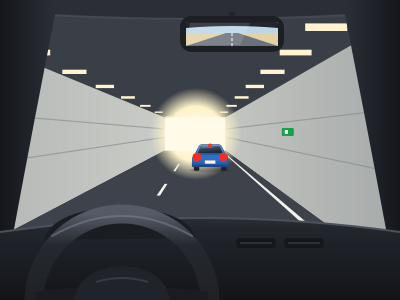
- AIncrease speed to minimise time spent inside
- BTurn off your air conditioning to reduce engine load
- CSwitch to high beam for maximum visibility
- DSwitch on your headlights if they are not already on
Answer and explanation in the bank
- Q23Right of way
You are turning right from a main road into a side street. A pedestrian is crossing the mouth of the side street. Who has priority?
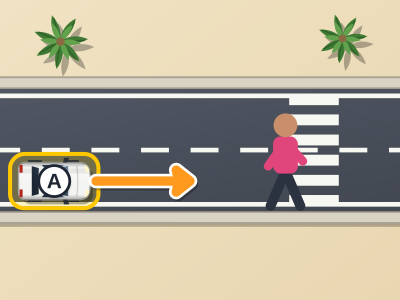
- AYou, because you are on the main road
- BYou, because you signalled before turning
- CNeither; you must negotiate with the pedestrian
- DThe pedestrian crossing the side street entrance
Answer and explanation in the bank
- Q24Safe driving
Rain has just started falling on a road that has been dry for several weeks in Qatar. Why is this particularly dangerous?
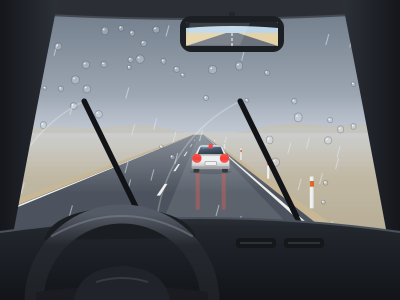
- ARain increases road surface friction during the first few minutes
- BThe road surface expands in moisture, creating bumps
- CWipers leave streaks that reduce visibility permanently
- DAccumulated oil and dust mix with rainwater to form an extremely slippery surface
Answer and explanation in the bank
- Q25Penalties and fines
A driver in Qatar accidentally enters a motorway off-ramp and realises they are facing oncoming traffic. What is the correct and legal action?
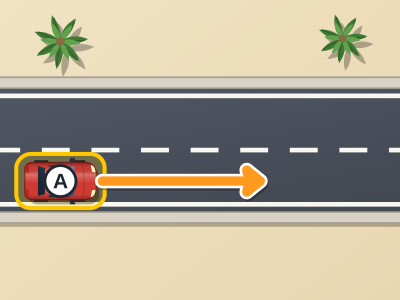
- ASpeed up to reach the end of the ramp before any vehicle arrives.
- BReverse at speed back onto the main carriageway immediately.
- CFlash headlights and honk to make oncoming drivers stop and let you reverse.
- DStop as far to the side as possible, activate hazard lights and call for assistance. Do not attempt to reverse back into traffic flow.
Answer and explanation in the bank
- Q26Road signs and signals
What does it mean when a road sign is accompanied by a rectangular supplementary plate below it?
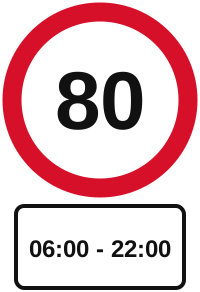
- AThe sign below the plate always cancels the sign above
- BThe main sign applies only in emergencies
- CThe plate gives additional information, such as the times or vehicles to which the sign applies
- DThe sign is a temporary restriction
Answer and explanation in the bank
- Q27Traffic rules
Your vehicle breaks down inside a tunnel in Qatar. What should you do?
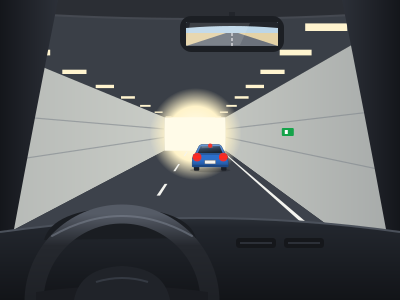
- AStay in the vehicle with the doors locked until help arrives
- BSwitch on hazard lights, exit the vehicle carefully, and use emergency phones or exits
- COpen the bonnet and attempt repairs inside the tunnel
- DWalk back through the tunnel in the direction of traffic to find help
Answer and explanation in the bank
- Q28Right of way
You are on a two-lane highway in the left (fast/overtaking) lane. You want to exit the highway in 500 metres. What is the correct right-of-way action?
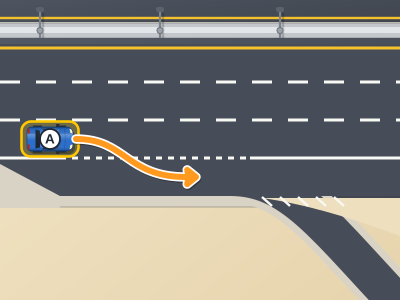
- ABrake sharply and cut across to the exit from the left lane
- BStay in the left lane and exit directly without changing lanes
- CMove to the right lane immediately without signalling to save time
- DSignal right, check mirrors and blind spot, move to the right lane when safe, then take the exit slip road on the right
Answer and explanation in the bank
- Q29Safe driving
What should you do if you feel drowsy while driving on a long expressway journey in Qatar?
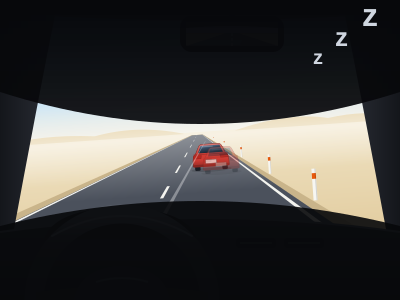
- AOpen the window and turn up the radio to stay awake
- BPull off safely at the next exit or service area and rest before continuing
- CDrink extra coffee and reduce speed slightly to compensate
- DKeep driving as long as you are still able to see the road clearly
Answer and explanation in the bank
- Q30Penalties and fines
In Qatar, which penalty scenario most accurately reflects the consequences for deliberate wrong-way driving on a main road?
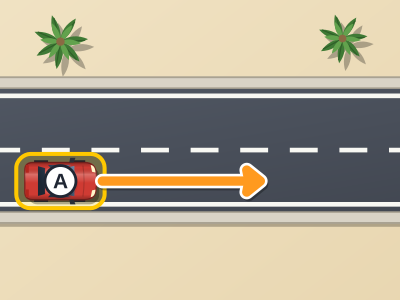
- AA modest fine and three black points, the same as a red-light offence.
- BA caution for a first offence, with stricter penalties only on recurrence.
- CA QR 6,000 fine and 6 black points, with court action possible in aggravated cases.
- DNo penalty at all unless a collision results.
Answer and explanation in the bank
- Q31Road signs and signals
A speed-limit sign shows 80 km/h. A supplementary plate below it reads 06:00 - 22:00. What is the speed limit at 03:00?
- A80 km/h, because speed limits are always in force
- B120 km/h, the standard night expressway limit
- C40 km/h, because extra care is required at night
- DThe national or road default limit, as the 80 km/h restriction only applies between 06:00 and 22:00
Answer and explanation in the bank
- Q32Traffic rules
What speed should you observe when driving through a school zone in Qatar during active school hours?
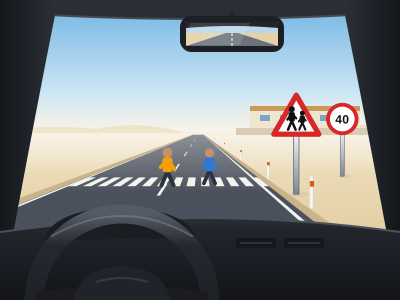
- AThe same as the surrounding area, as school signs are advisory only
- BNo more than 100 km/h regardless of the sign
- CSchool zones only apply to buses and minivans
- DThe reduced limit shown on the school zone sign, typically lower than the surrounding road
Answer and explanation in the bank
- Q33Right of way
A STOP sign is placed at the end of a minor road. You can see the main road is completely empty. What must you do?
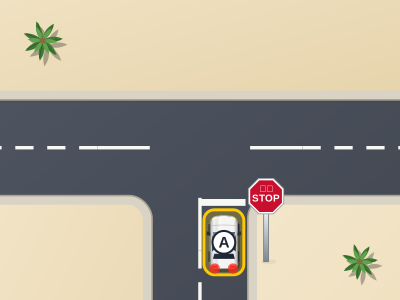
- ASlow down and proceed since the road is empty
- BStop only if you see another vehicle approaching
- CStop completely at the stop line, check, and then proceed
- DFlash your headlights and proceed without stopping
Answer and explanation in the bank
- Q34Safe driving
Why must you not use a hand-held mobile phone while driving in Qatar?
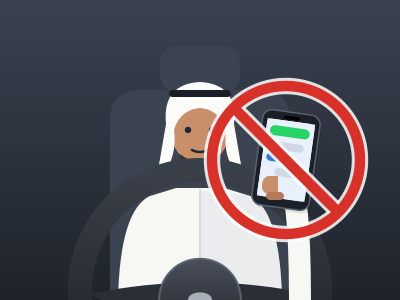
- APhone signals interfere with the vehicle's electronic control systems
- BIt is only prohibited when driving in school zones
- CIt causes mental distraction that reduces reaction time, and it is illegal under Qatar law
- DHolding a phone prevents you from operating the wipers
Answer and explanation in the bank
- Q35Penalties and fines
An ambulance with flashing lights and a siren is coming up behind you on a two-lane road in Qatar. What should you do?
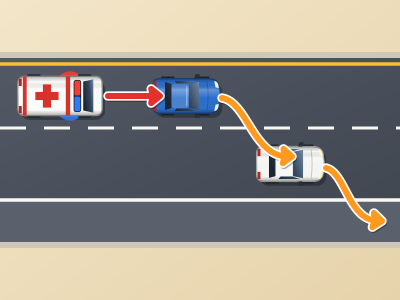
- ASpeed up so that you stay ahead of the ambulance
- BStop at once in your lane, even if it blocks the road
- CMove safely to the right, slow down or stop, and let it pass
- DMove to the left lane and keep your current speed
Answer and explanation in the bank
- Q36Road signs and signals
What road markings indicate a no-stopping zone at a roadside in Qatar?

- AWhite broken lines parallel to the kerb
- BRed reflective road studs
- CBlue painted road surface
- DYellow kerb markings or yellow lines along the kerb edge
Answer and explanation in the bank
- Q37Traffic rules
A school bus has stopped with its warning lights flashing and its stop sign arm extended in Qatar. What must approaching drivers do?
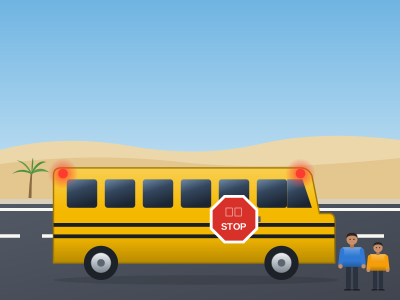
- AKeep to the speed limit, because the bus has stopped off the road
- BSound the horn so the children know you are coming
- CSlow right down, be ready to stop, and do not pass while children are getting on or off
- DOvertake quickly before the children start to cross
Answer and explanation in the bank
- Q38Right of way
You are driving on a main road. A vehicle from a side road on the right does not stop and pulls out in front of you. Who is legally at fault?
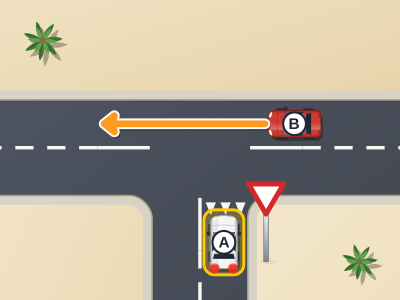
- AThe vehicle from the side road, which failed to give way to the main road
- BYou, because you should have anticipated the hazard
- CBoth drivers share equal fault
- DNeither driver; it is considered an unavoidable accident
Answer and explanation in the bank
- Q39Safe driving
Even when using a hands-free phone system while driving, what risk remains?
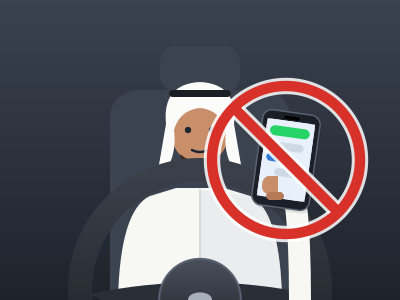
- AThe microphone can interfere with the horn
- BCognitive distraction, meaning your mind is partially on the conversation rather than the road
- CHands-free systems are perfectly safe and carry no increased crash risk
- DThe speaker volume can prevent you from hearing sirens
Answer and explanation in the bank
- Q40Penalties and fines
On a busy dual carriageway in Qatar, an ambulance with lights and sirens is approaching from behind. All lanes are heavily congested. What should drivers do?
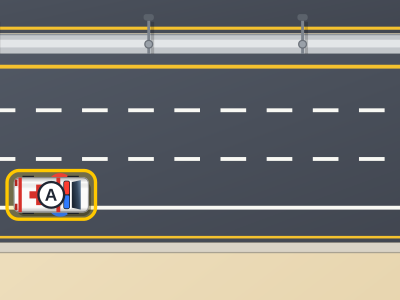
- AStop in the current lane and do nothing, as there is no space to move.
- BEach driver should edge as far right as safely possible to create a corridor in the middle or left lane for the ambulance.
- CAccelerate to try to reach a gap in traffic further ahead.
- DMove to the left lane to let the ambulance use the right lane.
Answer and explanation in the bank
Every answer above, with the rule it comes from, plus the full 40-question timed test.
Get the Qatar Driving Theory Online Practice Bank - QAR 39What this test covers
Topics include road signs, traffic signals, right of way, roundabouts, speed limits, seat belts, fines and penalties, and the safe-driving rules specific to your vehicle category. Full question-by-question feedback with explanations is shown immediately after you finish the test above.
Frequently asked questions
How many questions is the Al Daayen General Directorate of Traffic light vehicle theory test?
The official General Directorate of Traffic light vehicle theory test in Al Daayen has 40 questions and you need 37 correct (92.5%) to pass. This practice test has 40 questions.
Is this the real exam?
These are practice questions to help you revise, written to the published rules and to what candidates report from the real test. They are not the official Qatar exam and the real question bank, format, fees and pass mark are set by the General Directorate of Traffic (Ministry of Interior) and the driving schools, and can change. Always confirm the current requirements with your driving school or the traffic department (for example via the Metrash service).
Is this practice test free?
The first 10 questions are free, with no signup, and each shows the answer and the reason. The full 40-question test, timed, is in the Qatar Driving Theory Online Practice Bank (QAR 39, one payment), with every question in the bank.
What does the Al Daayen light vehicle theory test cover?
Road signs, traffic signals, right of way, roundabouts, speed limits, seat belts, penalties and safe-driving rules, plus the handling and safety topics specific to your vehicle.