

Al Daayen General Directorate of Traffic Truck & Bus
Practice mode· Heavy vehicle skillsAl Daayen General Directorate of Traffic - Qatar Heavy Vehicle Skills Test 1
First set of questions on truck and bus operation: braking distances, load stability, blind spots, turning space and vehicle checks. Master the skills unique to heavy vehicles.
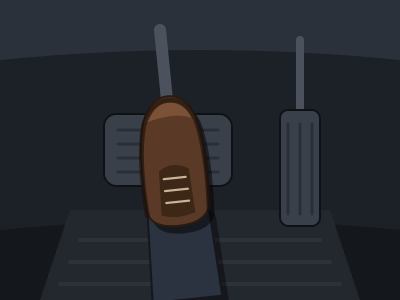
What happens to braking performance if air pressure in a pneumatic brake system drops below the minimum safe level?
The other 12 questions in this test
Read them all. The answer and the reason for each, and the timed 22-question run, are in the Qatar Driving Theory Online Practice Bank.
- Q11Heavy vehicle
Strong crosswinds are forecast on a coastal expressway. How should a driver of a high-sided trailer adjust their driving?

- AIncrease speed to get through the exposed section quickly
- BDrive closer to the central barrier to use it as a windbreak
- CWind only affects empty trailers; a fully loaded vehicle is stable in any wind
- DReduce speed, increase following distance, and be prepared for sudden lateral gusts especially when passing gaps between buildings or bridges
Answer and explanation in the bank
- Q12Heavy vehicle
What is the function of the fifth wheel on an articulated truck?

- AIt is an additional spare tyre mounted under the tractor unit
- BIt is the coupling plate on the tractor that accepts and locks the trailer's kingpin, allowing articulation
- CIt is a secondary steering axle fitted behind the drive axles to help with cornering
- DIt is the fifth gearbox ratio in a range-change transmission
Answer and explanation in the bank
- Q13Heavy vehicle
What checks must a driver complete after coupling a trailer to confirm the fifth wheel has locked correctly?

- ATug test: attempt to drive forward with the trailer brakes applied and visually inspect that the kingpin jaw is fully closed around the kingpin
- BDrive slowly in a circle and listen for clicking sounds from the coupling
- CCheck that the trailer reversing lights illuminate when the indicator is activated
- DConfirm the fifth wheel grease nipple is visible through the tractor bodywork access panel
Answer and explanation in the bank
- Q14Heavy vehicle
When uncoupling a trailer on level ground, what must be done before releasing the fifth wheel lock?

- ARelease the air lines and electrical connections first, then pull the kingpin release handle
- BDrive the tractor slowly forward until the kingpin is pushed out of the fifth wheel
- CSound the horn to alert yard personnel and release the lock while stationary
- DApply the trailer park brakes, chock the trailer wheels, and lower the landing legs to take the weight off the fifth wheel
Answer and explanation in the bank
- Q15Heavy vehicle
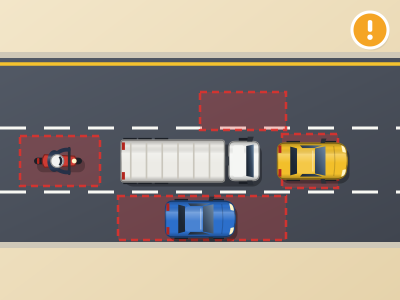
When reversing a large truck or articulated vehicle in a yard, what does a banksman do?
- AA yard worker who connects the trailer air lines while the truck is reversing
- BA trained person who stands in a safe position and guides the driver using agreed hand signals or radio
- CAn automated camera system that beeps when an obstacle is detected behind the vehicle
- DA second driver who sits in the passenger seat and reads clearances to the driver
Answer and explanation in the bank
- Q16Heavy vehicle
What should a truck driver do if they lose sight of the banksman while reversing?
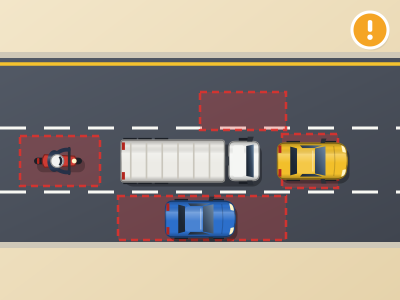
- AStop immediately and do not move until the banksman re-establishes contact
- BContinue reversing slowly and sound the horn to alert the banksman
- CWind down the window and call out to the banksman before stopping
- DUse the rear-view camera as a backup and complete the manoeuvre independently
Answer and explanation in the bank
- Q17Heavy vehicle
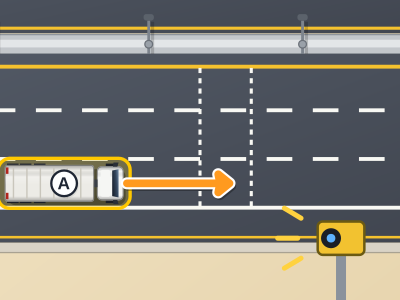
How does the speed limit for heavy goods vehicles on Qatar motorways compare with the limit for private cars?
- A120 km/h, the same as private cars in all cases
- B60 km/h on all roads regardless of the posted limit
- CThere is no speed limit for heavy vehicles on motorways
- DIt is generally lower than the car limit; follow the limit signed for heavy vehicles
Answer and explanation in the bank
- Q18Heavy vehicle
What is the correct pre-trip tyre inspection procedure for a heavy vehicle driver?
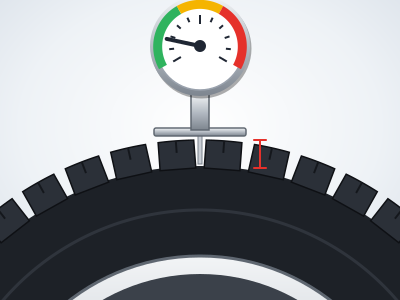
- AKick each tyre once; if it feels solid the pressure is adequate
- BCheck only the drive axle tyres as they carry the most load
- CCheck tyre pressure when cold, inspect for cuts, bulges, foreign objects, and confirm minimum legal tread depth on all tyres including the spare
- DCheck tyre pressure only after driving 20 km, when tyres have reached operating temperature
Answer and explanation in the bank
- Q19Heavy vehicle
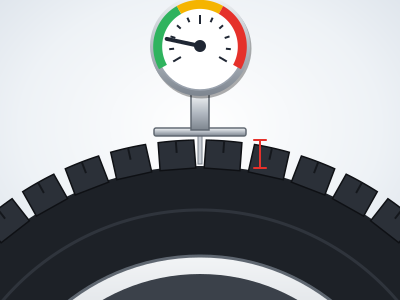
How does Qatar's intense summer heat affect heavy vehicle tyres, and what precaution should drivers take?
- AHeat softens the rubber and improves grip, so higher pressures can be used safely
- BHeat increases tyre pressure and accelerates degradation of the rubber; drivers should check pressure when cold and avoid over-inflation
- CDesert heat has no significant effect on tyres designed for commercial use
- DOver-inflated tyres perform better in summer because the sidewalls are stiffer
Answer and explanation in the bank
- Q20Heavy vehicle
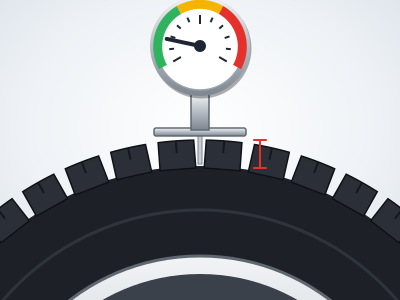
A heavy vehicle driver notices the tread on the inside shoulder of both rear tyres is wearing much faster than the outside. What is the most likely cause?
- AThe vehicle is consistently under-loaded on the rear axle
- BThe tyres are running at too high a pressure for the road surface
- CInside shoulder wear is normal for dual rear tyres and requires no action
- DIncorrect wheel alignment or the axle is out of square, causing the tyres to scrub inward
Answer and explanation in the bank
- Q21Heavy vehicle
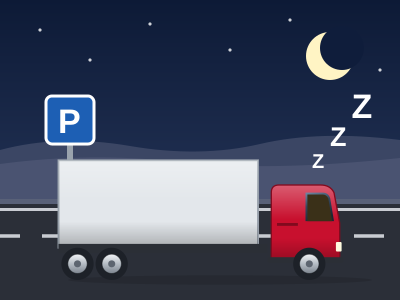
On a long run, how often does the MOI driver curriculum advise a driver to stop and rest?
- AOnly at the destination, if the driver feels alert
- BAbout every two hours, for around 15 minutes, or sooner if tired
- CEvery eight hours
- DRest breaks are only needed at night
Answer and explanation in the bank
- Q22Heavy vehicle
What is the most effective way for a heavy vehicle driver to manage fatigue on a long overnight run?
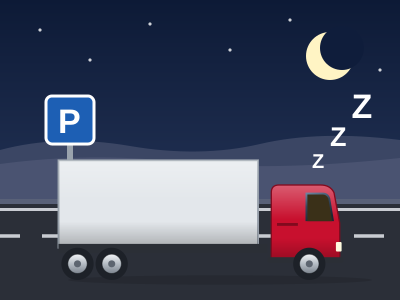
- APlan adequate sleep before the journey, take scheduled rest breaks, and stop to sleep if feeling drowsy
- BDrink extra coffee and energy drinks throughout the drive to stay alert
- COpen the cab window and turn up the radio to stimulate alertness
- DDrive faster to reach the destination sooner and reduce overall time on the road
Answer and explanation in the bank
Every answer above, with the rule it comes from, plus the full 22-question timed test.
Get the Qatar Driving Theory Online Practice Bank - QAR 39What this test covers
Topics include road signs, traffic signals, right of way, roundabouts, speed limits, seat belts, fines and penalties, and the safe-driving rules specific to your vehicle category. Full question-by-question feedback with explanations is shown immediately after you finish the test above.
Frequently asked questions
How many questions is the Al Daayen General Directorate of Traffic truck & bus theory test?
The official General Directorate of Traffic truck & bus theory test in Al Daayen has 40 questions and you need 37 correct (92.5%) to pass. This practice test has 22 questions.
Is this the real exam?
These are practice questions to help you revise, written to the published rules and to what candidates report from the real test. They are not the official Qatar exam and the real question bank, format, fees and pass mark are set by the General Directorate of Traffic (Ministry of Interior) and the driving schools, and can change. Always confirm the current requirements with your driving school or the traffic department (for example via the Metrash service).
Is this practice test free?
The first 10 questions are free, with no signup, and each shows the answer and the reason. The full 22-question test, timed, is in the Qatar Driving Theory Online Practice Bank (QAR 39, one payment), with every question in the bank.
What does the Al Daayen truck & bus theory test cover?
Road signs, traffic signals, right of way, roundabouts, speed limits, seat belts, penalties and safe-driving rules, plus the handling and safety topics specific to your vehicle.