

Al Rayyan General Directorate of Traffic Motorcycle
Practice mode· Motorcycle skillsAl Rayyan General Directorate of Traffic - Qatar Motorcycle Safety Practice Test
Rider safety essentials: protective gear, visibility, safe following distances, hazard awareness, lane position and sharing the road with larger vehicles.
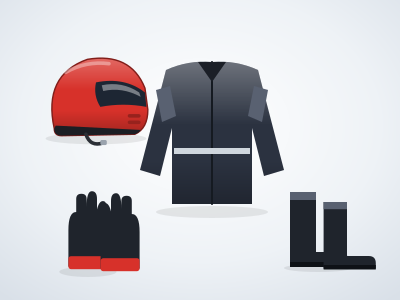
Which helmet type provides the highest level of head protection for motorcyclists in Qatar?
The other 10 questions in this test
Read them all. The answer and the reason for each, and the timed 20-question run, are in the Qatar Driving Theory Online Practice Bank.
- Q11Motorcycle safety
Qatar's summer temperatures can exceed 45 degrees Celsius. How does dehydration affect motorcycle riding performance?
- AIt slows reaction time, impairs concentration, and causes muscle weakness, all of which significantly increase accident risk
- BDehydration has no effect on riding performance if the rider has eaten beforehand
- CMild dehydration improves alertness because the body produces adrenaline to compensate
- DDehydration only affects riders over 60 years of age
Answer and explanation in the bank
- Q12Motorcycle safety
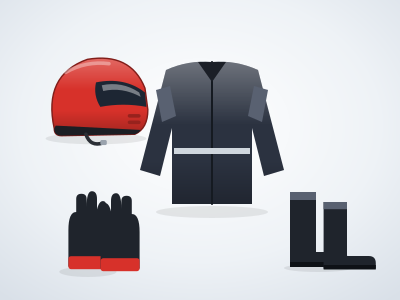
Reflective strips on a motorcycle jacket or helmet are most beneficial in which situation?
- ADuring daylight hours when the sun causes the strips to glow
- BIn heavy rain when visibility is reduced for the rider
- CAt night or in low light, when they reflect vehicle headlights and make the rider visible from much greater distances
- DReflective strips have no proven safety benefit
Answer and explanation in the bank
- Q13Motorcycle safety
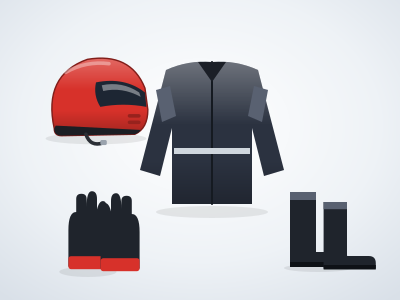
Compared with a rider wearing all black gear, a rider in a bright yellow or orange jacket is:
- ANo safer, because visibility depends entirely on headlight use, not clothing colour
- BMore likely to be detected by other road users earlier, reducing the risk of being hit
- CMore likely to be blinded by reflection in their own visor
- DAt greater risk because bright colours attract aggressive drivers
Answer and explanation in the bank
- Q14Motorcycle safety
Why should motorcyclists wear protective gloves even in Qatar's heat?
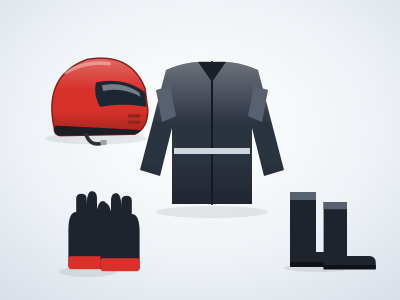
- AGloves reduce throttle sensitivity and prevent over-revving
- BGloves are only necessary in cold weather to keep the hands warm
- CIn a fall, the instinct is to put out your hands; gloves with palm sliders and knuckle protection prevent severe abrasion and bone injuries to the hands
- DGloves are optional if the handlebars have rubber grips
Answer and explanation in the bank
- Q15Motorcycle safety
What is the primary protection offered by motorcycle-specific boots compared with regular footwear?
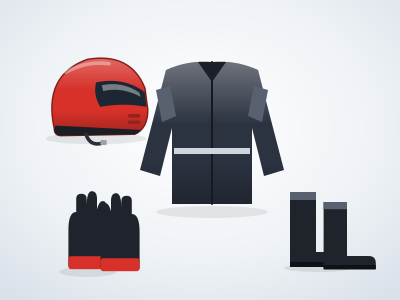
- AThey improve footpeg grip but provide no crash protection
- BThey protect the foot from heat from the exhaust but have no crash benefit
- CThey protect the ankle, foot, and lower leg from crush injury, twisting, and abrasion, and provide a stiff sole that prevents the foot from folding under the motorcycle
- DRegular sports trainers provide equivalent protection to motorcycle boots
Answer and explanation in the bank
- Q16Motorcycle safety
Approaching a left-hand bend on a road in Qatar, which lane position maximises your view around the bend?
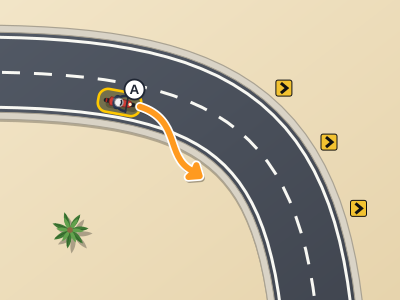
- AMove toward the centre line on the left to cut the corner
- BRide directly in the centre of the lane at all times
- CPosition toward the right side of your lane (the kerb side, clear of edge debris) to see as far around the left-hand curve as possible
- DMove into another lane in the middle of the bend to see around it
Answer and explanation in the bank
- Q17Motorcycle safety
How should you adjust your following distance when riding in rain?
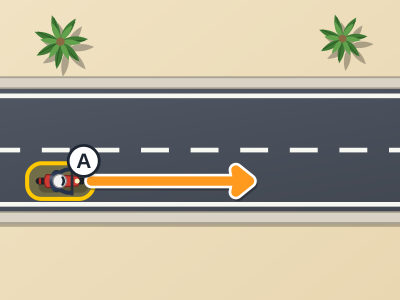
- AIncrease it to at least 4 to 6 seconds because stopping distances are significantly longer on wet roads
- BKeep it the same as in dry conditions; modern tyres handle rain well
- CReduce it slightly so you can draft in the car ahead and reduce wind exposure
- DFollowing distance rules only apply to cars, not motorcycles
Answer and explanation in the bank
- Q18Motorcycle safety
Sand blown across a Qatar highway from nearby desert areas is most hazardous in which situation?
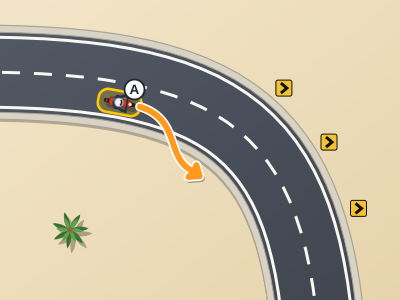
- AWhen it accumulates on bends or at the sides of lanes, creating a surface with virtually no grip for motorcycle tyres
- BOnly when it is deep enough to be visible from 100 metres
- COnly on unpaved roads; it has no effect on asphalt
- DSand is only hazardous in combination with rain
Answer and explanation in the bank
- Q19Motorcycle safety
How can a motorcyclist minimise the effect of crosswinds on open exposed roads?
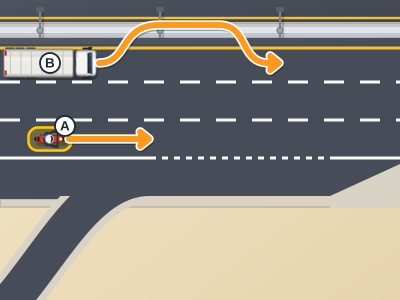
- AIncrease speed to reduce the time exposed to the wind
- BSteer hard against the wind with maximum force on the handlebars
- CCross to the opposite side of the road to use barriers as windbreaks
- DReduce speed, hold the bars firmly but not rigidly, lean slightly into the wind, and maintain a relaxed posture that allows the bike to move slightly without fighting it
Answer and explanation in the bank
- Q20Motorcycle safety
When riding at night, what is the safest headlight mode when following another vehicle?
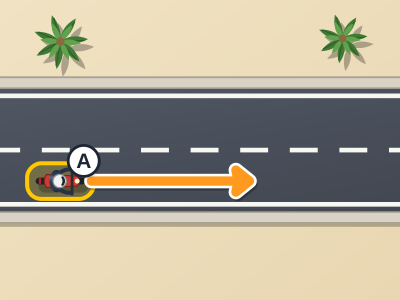
- AMain (high) beam at all times to maximise your own visibility
- BHazard lights to warn others you are there
- CDipped (low) beam to avoid dazzling the driver ahead via their mirrors
- DNo lights if there is sufficient street lighting
Answer and explanation in the bank
Every answer above, with the rule it comes from, plus the full 20-question timed test.
Get the Qatar Driving Theory Online Practice Bank - QAR 39What this test covers
Topics include road signs, traffic signals, right of way, roundabouts, speed limits, seat belts, fines and penalties, and the safe-driving rules specific to your vehicle category. Full question-by-question feedback with explanations is shown immediately after you finish the test above.
Frequently asked questions
How many questions is the Al Rayyan General Directorate of Traffic motorcycle theory test?
The official General Directorate of Traffic motorcycle theory test in Al Rayyan has 40 questions and you need 37 correct (92.5%) to pass. This practice test has 20 questions.
Is this the real exam?
These are practice questions to help you revise, written to the published rules and to what candidates report from the real test. They are not the official Qatar exam and the real question bank, format, fees and pass mark are set by the General Directorate of Traffic (Ministry of Interior) and the driving schools, and can change. Always confirm the current requirements with your driving school or the traffic department (for example via the Metrash service).
Is this practice test free?
The first 10 questions are free, with no signup, and each shows the answer and the reason. The full 20-question test, timed, is in the Qatar Driving Theory Online Practice Bank (QAR 39, one payment), with every question in the bank.
What does the Al Rayyan motorcycle theory test cover?
Road signs, traffic signals, right of way, roundabouts, speed limits, seat belts, penalties and safe-driving rules, plus the handling and safety topics specific to your vehicle.