

Al Rayyan General Directorate of Traffic Truck & Bus
Timed mock exam· Full mock examsAl Rayyan General Directorate of Traffic - Qatar Truck & Bus Theory Mock Test 1
A full 40-question timed practice exam for the Qatar heavy-vehicle (truck and bus) theory test, set at the reported 37/40 (92.5%) pass mark. Covers shared road rules and signs plus heavy-vehicle handling and safety.
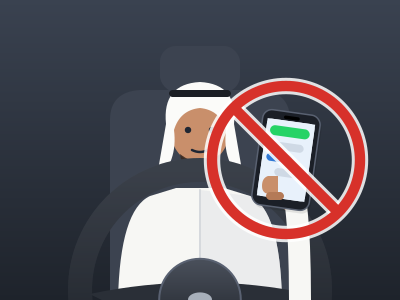
A driver is seen texting on a handheld phone while driving in Qatar. Which statement about the penalty is correct?
The other 30 questions in this test
Read them all. The answer and the reason for each, and the timed 40-question run, are in the Qatar Driving Theory Online Practice Bank.
- Q11Right of way
You are approaching a T-junction and intend to turn left onto the main road. Who has right of way?
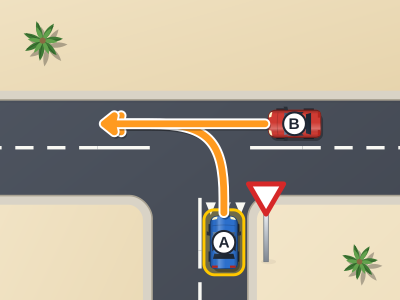
- AYou, because you are turning left
- BVehicles coming from the right on the main road only
- CTraffic already on the main road
- DYou, because the main road traffic should slow down
Answer and explanation in the bank
- Q12Safe driving
What does an Anti-lock Braking System (ABS) do during emergency braking?
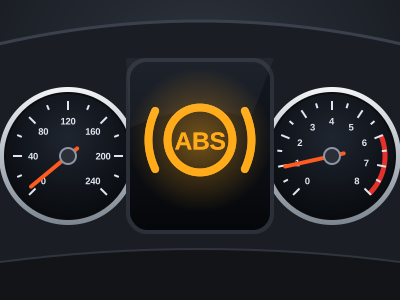
- AIt automatically steers the vehicle away from danger
- BIt stops the vehicle in a shorter distance than any non-ABS car regardless of road conditions
- CIt transfers brake force only to the rear wheels to prevent spin
- DIt prevents the wheels from locking so the driver can steer while braking
Answer and explanation in the bank
- Q13Penalties and fines
A driver in Qatar has an adult friend in the front passenger seat who refuses to wear a seatbelt. What is the legal position?
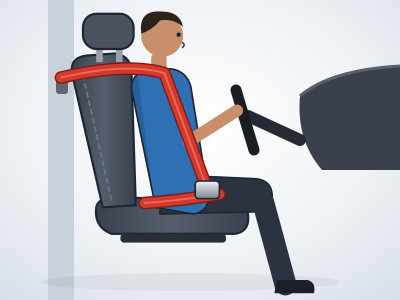
- AArticle 54 requires front-seat passengers to wear a seatbelt, so this is a violation carrying a QR 500 fine
- BOnly the driver has to wear a seatbelt, so nothing is wrong
- CIt is legal on roads with a limit below 80 km/h
- DIt is legal as long as the passenger airbag is switched on
Answer and explanation in the bank
- Q14Heavy vehicle
A truck's front steering axle has a maximum allowed axle weight of 6 tonnes. The axle is currently carrying 7.5 tonnes. What is the most likely consequence?
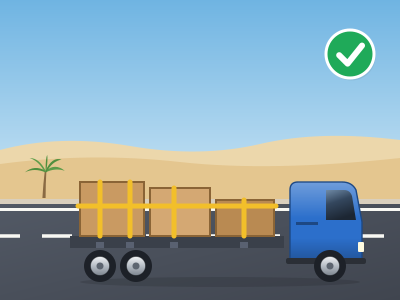
- AThe front axle overload will automatically transfer weight rearward through the suspension
- BThe vehicle's ABS system compensates and maintains normal steering feel
- COverloading only affects fuel consumption and has no safety consequence
- DOverloaded steering axle causes tyre overload, reduced steering control, and potential tyre failure
Answer and explanation in the bank
- Q15Road signs and signals
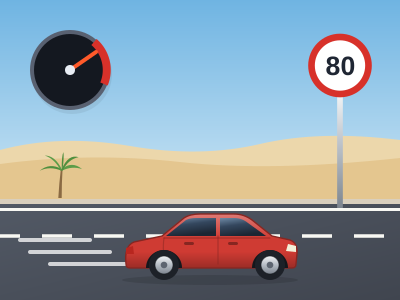
You are driving at 90 km/h when you pass this sign. What should you do?
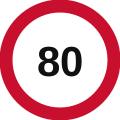
- AReduce speed to 80 km/h or below immediately
- BSlow to 80 km/h at the next junction
- CMaintain 90 km/h as you were already travelling within the previous limit
- DFlash your hazard lights and slow gradually over the next kilometre
Answer and explanation in the bank
- Q16Traffic rules
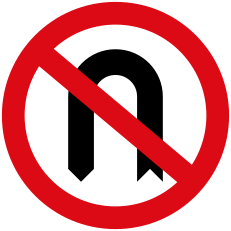
Where are U-turns generally prohibited in Qatar?
- AOnly on motorways and expressways
- BOn roads where a U-turn sign is displayed or where they would obstruct traffic
- COnly in residential streets narrower than 6 metres
- DU-turns are always permitted if done quickly
Answer and explanation in the bank
- Q17Right of way
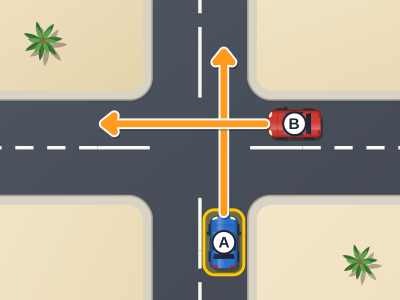
You are driving on a one-way street and approaching an intersection. Which direction does the right-of-way rule apply?
- ATraffic on one-way streets always has priority at all intersections
- BYou give way to any traffic from the right, even on a one-way street
- COne-way street traffic gives way to the left
- DThere are no right-of-way rules on one-way streets
Answer and explanation in the bank
- Q18Safe driving
When your vehicle is fitted with ABS and you need to brake in an emergency, what is the correct technique?
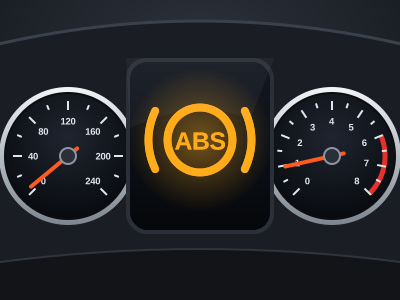
- APress the brake pedal hard and hold it down continuously
- BPump the brakes rapidly yourself to mimic the ABS action
- CApply light pressure only so the ABS can work safely
- DUse the handbrake alongside the footbrake for maximum stopping power
Answer and explanation in the bank
- Q19Penalties and fines
What is the correct way to transport a child under four years old in a car in Qatar?
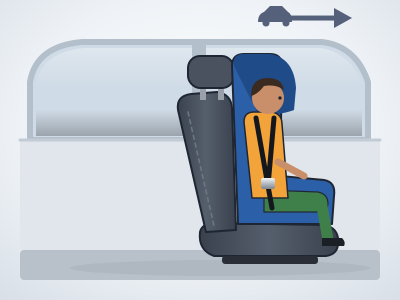
- AOn an adult's lap in the front seat, held securely.
- BIn the rear seat with the adult seatbelt routed across the child.
- CIn the boot area if the vehicle is an SUV with a fold-flat rear bench.
- DIn an approved child safety seat appropriate for the child's age and weight, fitted in the rear.
Answer and explanation in the bank
- Q20Heavy vehicle
Before loading a truck, where do you find the most weight it may legally carry?
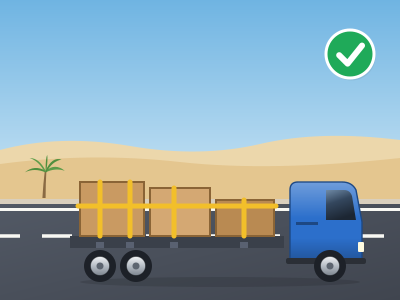
- AIt is the same for every truck, 30 tonnes
- BOn the vehicle's registration documents and the manufacturer's plate, and you must not exceed it
- CThere is no limit as long as the tyres are not flat
- DOnly the driving school can tell you
Answer and explanation in the bank
- Q21Road signs and signals
Which vehicle, if any, may park in a location displaying this sign?
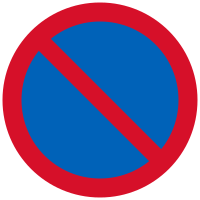
- AMotorcycles only may park
- BAny vehicle for up to 15 minutes
- CNo vehicle may park, but a brief stop to drop off a passenger may be allowed unless a No Stopping sign is also present
- DNo vehicle may stop for any reason
Answer and explanation in the bank
- Q22Traffic rules
You wish to make a U-turn at an intersection in Qatar. What must you check before doing so?
- AThat the intersection has a traffic light so other vehicles will stop
- BThat you are travelling below 40 km/h
- CThat the road is at least four lanes wide
- DThat no No U-turn sign is present and that you can complete the turn without blocking traffic
Answer and explanation in the bank
- Q23Right of way
You are joining a highway from an on-ramp (slip road). Who has priority?
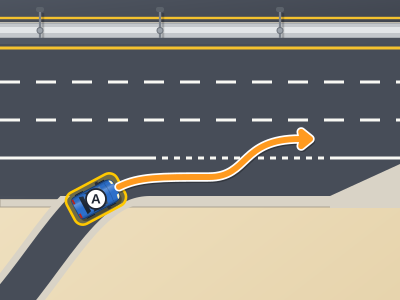
- ATraffic already on the highway
- BYou, because you are accelerating to match traffic speed
- CYou, if you have been on the slip road longer
- DBoth vehicles share equal priority and must negotiate
Answer and explanation in the bank
- Q24Safe driving
Who in a car should wear a seatbelt on Qatar roads?
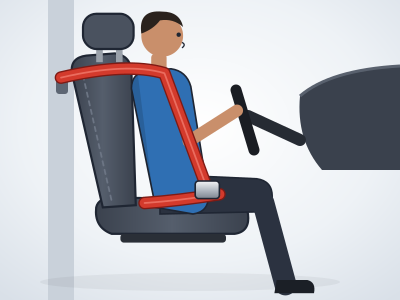
- AOnly the driver and front passenger; rear passengers are safer without one
- BOnly the driver
- CEveryone: the law requires the driver and front-seat passenger to, and rear passengers are far safer belted too
- DNobody on short urban journeys
Answer and explanation in the bank
- Q25Penalties and fines
A driver transports a six-year-old child in the front passenger seat without any child restraint in Qatar. Which statement is correct?
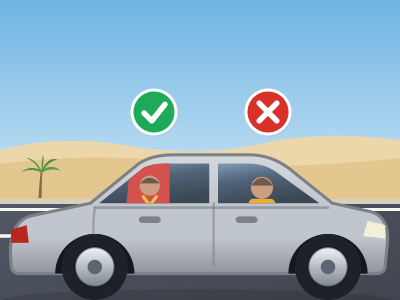
- AThis is legal because children over five can use the adult seatbelt in the front.
- BThis is legal as long as the airbag is disabled.
- CThis is illegal. Children under 10 may not ride in the front seat in Qatar; the child should be in a suitable child seat in the back.
- DThis is only an offence if the child weighs less than 18 kg.
Answer and explanation in the bank
- Q26Heavy vehicle
A bridge sign shows a 10-tonne maximum weight limit. Your fully loaded truck weighs 14 tonnes. What must you do?
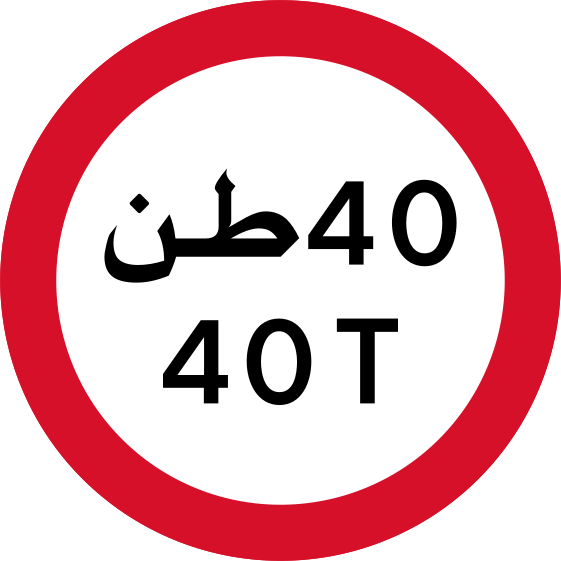
- ACross slowly in first gear to minimise impact force on the bridge
- BFind an alternative route; you must not cross the bridge at your current weight
- CCross if no other vehicles are on the bridge at the same time
- DThe limit applies only to unladen weight, so a 14-tonne GVW is acceptable
Answer and explanation in the bank
- Q27Road signs and signals
In which situation does a Give Way sign allow you to proceed without stopping?
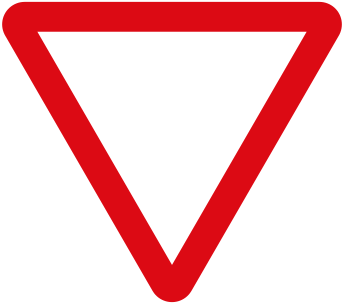
- AWhen you are in a hurry
- BWhen another driver waves you through
- CWhen you can clearly see that the road is free and proceeding is safe
- DOnly on Fridays when traffic is light
Answer and explanation in the bank
- Q28Traffic rules
When must you use your indicators (turn signals) in Qatar?
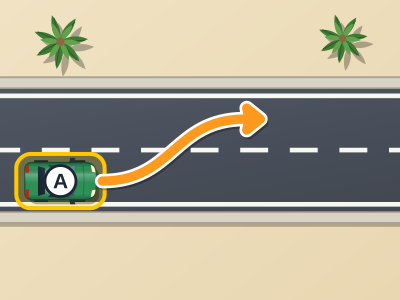
- AOnly when turning at a junction or entering a roundabout
- BOnly when other vehicles are present
- CWhenever changing direction, changing lanes, overtaking, or pulling away from the kerb
- DOnly at night or in poor visibility
Answer and explanation in the bank
- Q29Right of way
What is the key difference between a STOP sign and a GIVE WAY (Yield) sign?
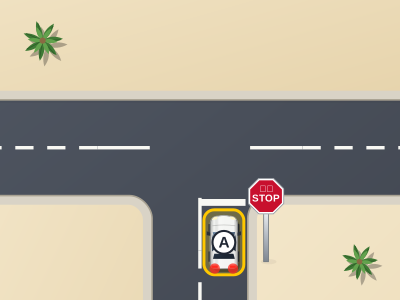
- AA STOP sign applies only to heavy vehicles
- BAt a STOP sign you must come to a complete halt before proceeding; at a GIVE WAY sign you may continue slowly if the road is clear
- CA GIVE WAY sign means full stop is required at night
- DThere is no practical difference between the two signs
Answer and explanation in the bank
- Q30Safe driving
Under Qatar's Traffic Law, children below what age may not ride in the front seat?
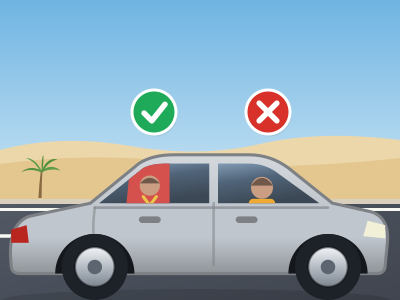
- AUnder 5 years old
- BUnder 10 years old
- CUnder 16 years old
- DThere is no age rule; any child may sit in front if belted
Answer and explanation in the bank
- Q31Penalties and fines
Which statement about speed limits in Qatar is correct?
- AThe posted sign sets the limit: highways go up to 120 km/h, and city roads are usually signed between 60 and 100 km/h.
- B80 km/h applies on every urban road, whatever the signs say.
- C100 km/h applies on all roads without a posted limit.
- DThere are no speed limits in Qatar; drivers set their own safe speed.
Answer and explanation in the bank
- Q32Heavy vehicle
How should a truck driver make sure the vehicle can pass under bridges, tunnels and gantries on a route?
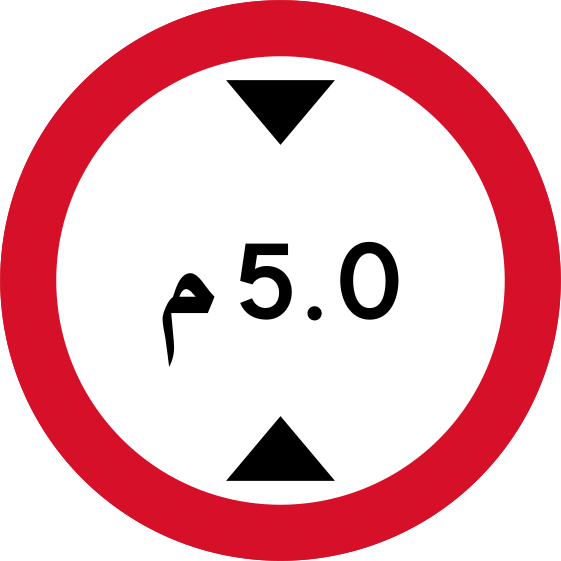
- AKnow the vehicle's loaded height and compare it with the height-limit signs before reaching each structure
- BAssume every bridge in Qatar is high enough for any truck
- CDrive slowly under low structures so any contact is gentle
- DOnly check the height when carrying containers
Answer and explanation in the bank
- Q33Road signs and signals
You are driving at night in heavy rain on a road posted with this sign. What speed should you drive?
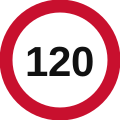
- AExactly 120 km/h, as the sign is mandatory
- BAt least 80 km/h to keep up with traffic
- CAny speed, as night limits are relaxed in Qatar
- DA speed appropriate for the conditions, which may be well below 120 km/h
Answer and explanation in the bank
- Q34Traffic rules
How far in advance should you signal before turning in an urban area in Qatar?
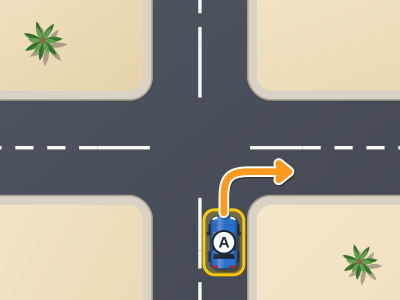
- AAt a sufficient distance to warn other road users, typically well before the turn
- BJust as you begin to turn the steering wheel
- CExactly 50 metres before every turn, regardless of speed
- DOnly if another vehicle is directly behind you
Answer and explanation in the bank
- Q35Right of way
You reach a junction with traffic lights that have failed and are showing no signal. What should you do?
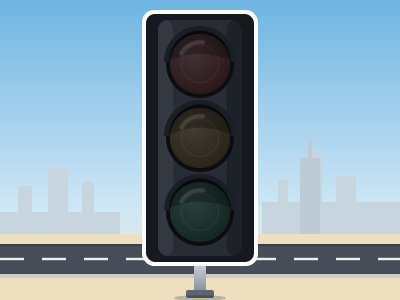
- ATreat the junction as an unmarked intersection and give way to traffic from the right
- BTraffic on the busier road automatically has priority
- CYou may proceed freely because there is no active signal
- DStop and wait until the lights are repaired
Answer and explanation in the bank
- Q36Safe driving
Where must a rear-facing infant car seat NOT be placed in a vehicle equipped with an active front passenger airbag?
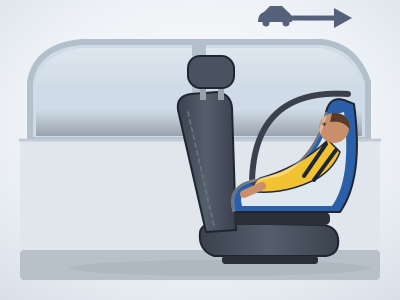
- AIn the front passenger seat
- BIn the centre rear seat
- CBehind the driver's seat
- DBehind the front passenger seat
Answer and explanation in the bank
- Q37Penalties and fines
How do Qatar's speed cameras typically work?
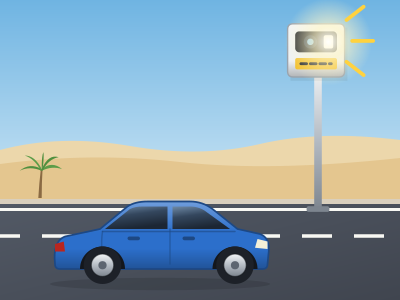
- ACameras only record video and an officer must be present to issue a ticket.
- BCameras only apply during overnight hours.
- CSpeed cameras in Qatar only monitor vehicles travelling above 160 km/h.
- DFixed and mobile cameras capture vehicle speed and licence plates automatically, generating fines sent to the registered owner.
Answer and explanation in the bank
- Q38Heavy vehicle
What action must a heavy vehicle driver take when approaching a height-restriction gantry that is lower than the vehicle's loaded height?
- AFold any roof-mounted equipment and attempt to pass slowly
- BFlash headlights at oncoming traffic and proceed quickly
- CStop before the gantry and find a suitable alternative route
- DSound the horn and wait for a traffic officer to guide through
Answer and explanation in the bank
- Q39Road signs and signals
A pedestrian steps onto this crossing as you approach. What must you do?
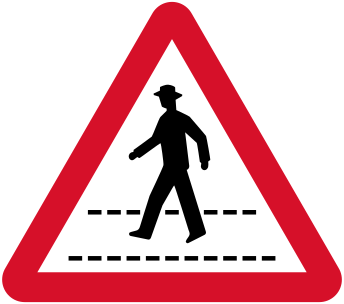
- AStop and allow the pedestrian to cross safely
- BSound the horn to warn the pedestrian and continue
- CSlow slightly and pass behind the pedestrian
- DFlash your headlights and continue at reduced speed
Answer and explanation in the bank
- Q40Traffic rules
When are you required to use your headlights while driving in Qatar?
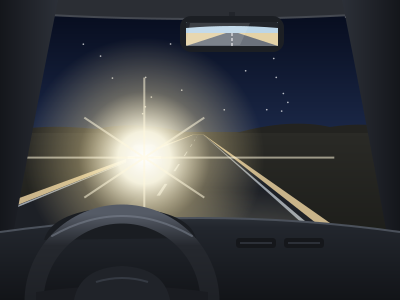
- AFrom sunset to sunrise and whenever visibility is reduced
- BOnly when driving on unlit roads at night
- COnly when driving faster than 80 km/h at night
- DOnly if the road has no street lighting
Answer and explanation in the bank
Every answer above, with the rule it comes from, plus the full 40-question timed test.
Get the Qatar Driving Theory Online Practice Bank - QAR 39What this test covers
Topics include road signs, traffic signals, right of way, roundabouts, speed limits, seat belts, fines and penalties, and the safe-driving rules specific to your vehicle category. Full question-by-question feedback with explanations is shown immediately after you finish the test above.
Frequently asked questions
How many questions is the Al Rayyan General Directorate of Traffic truck & bus theory test?
The official General Directorate of Traffic truck & bus theory test in Al Rayyan has 40 questions and you need 37 correct (92.5%) to pass. This practice test has 40 questions.
Is this the real exam?
These are practice questions to help you revise, written to the published rules and to what candidates report from the real test. They are not the official Qatar exam and the real question bank, format, fees and pass mark are set by the General Directorate of Traffic (Ministry of Interior) and the driving schools, and can change. Always confirm the current requirements with your driving school or the traffic department (for example via the Metrash service).
Is this practice test free?
The first 10 questions are free, with no signup, and each shows the answer and the reason. The full 40-question test, timed, is in the Qatar Driving Theory Online Practice Bank (QAR 39, one payment), with every question in the bank.
What does the Al Rayyan truck & bus theory test cover?
Road signs, traffic signals, right of way, roundabouts, speed limits, seat belts, penalties and safe-driving rules, plus the handling and safety topics specific to your vehicle.