

Al Shahaniya General Directorate of Traffic Light vehicle
Timed mock exam· Full mock examsAl Shahaniya General Directorate of Traffic - Qatar Theory Mock Test 4
Fourth and final full mock exam. Use this as your last confidence check - if you can pass all four mocks you are well prepared for the real thing.
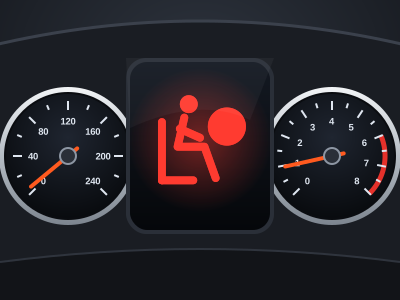
What is the primary purpose of a front airbag in a crash?
The other 30 questions in this test
Read them all. The answer and the reason for each, and the timed 40-question run, are in the Qatar Driving Theory Online Practice Bank.
- Q11Road signs and signals
What shape is the Stop sign in Qatar?
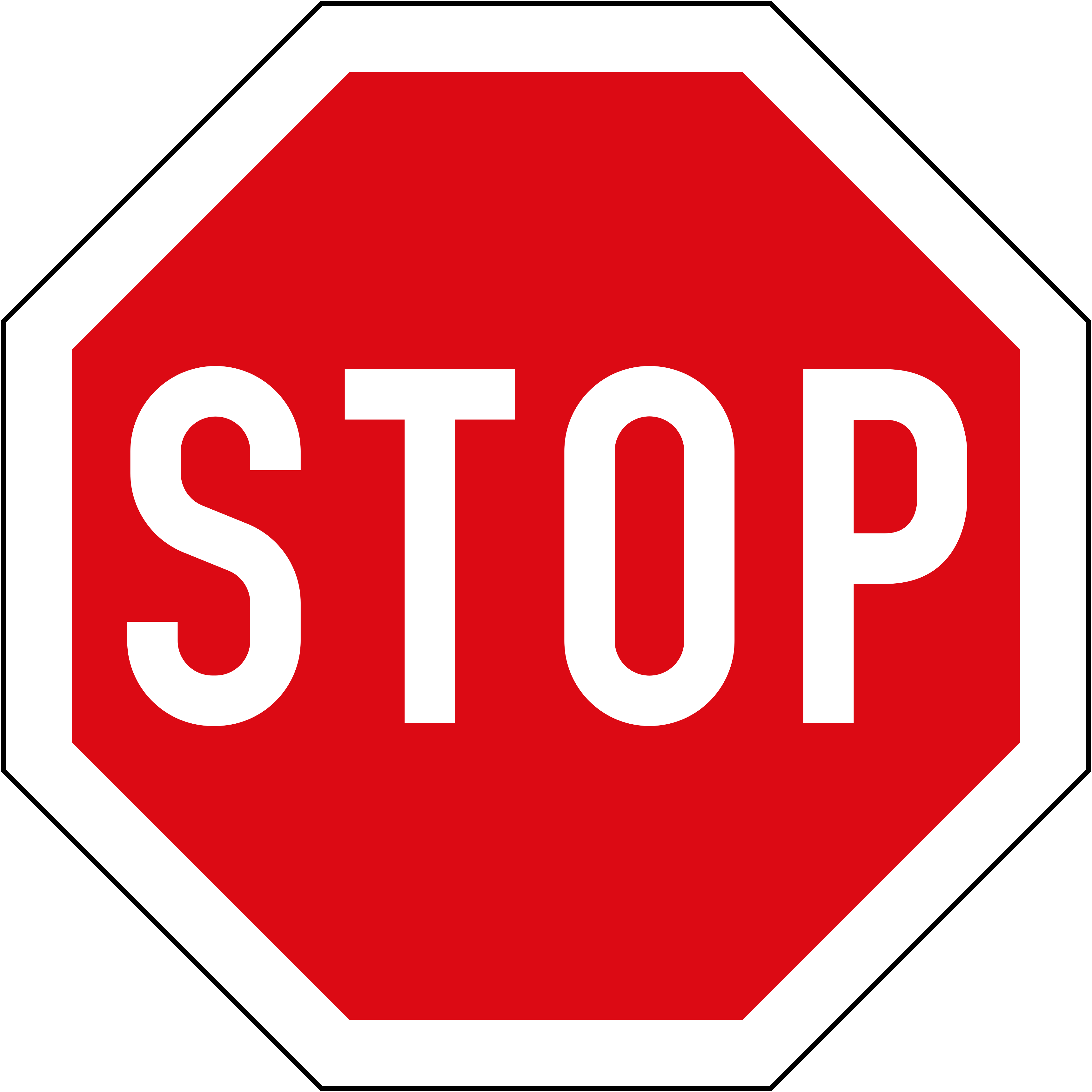
- AOctagonal (eight-sided)
- BCircular
- CTriangular
- DDiamond-shaped
Answer and explanation in the bank
- Q12Traffic rules
Under what conditions should you use front fog lights in Qatar?
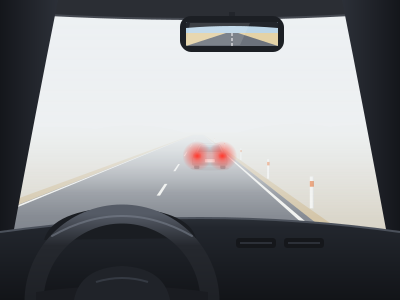
- AOnly in heavy rain, dense fog, or dust storms that significantly reduce visibility
- BWhenever you use high-beam headlights
- CDuring daytime to make your vehicle more visible to others
- DOnly on unlit desert roads regardless of conditions
Answer and explanation in the bank
- Q13Right of way
You are on a narrow road and meet an oncoming vehicle. There is a passing place on your left. What should you do?
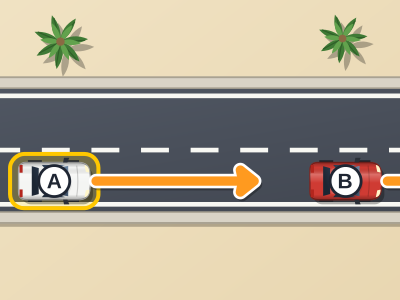
- APull into the passing place on your left to allow the oncoming vehicle to pass
- BContinue forward and expect the oncoming driver to reverse
- CThe vehicle going uphill always has priority on narrow roads
- DBoth vehicles should stop and wait for a third vehicle to clear the road
Answer and explanation in the bank
- Q14Safe driving
How should you correctly adjust your driving mirrors before starting a journey?
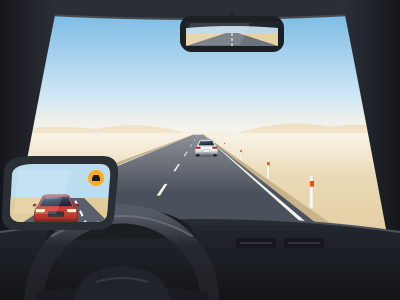
- AAdjust all mirrors so blind spots are minimised and you have a clear rear and side view
- BPoint the interior mirror upward to reduce glare from headlights at all times
- CAdjust only the interior mirror; exterior mirrors are set at the factory
- DSet the mirrors after reaching the first traffic signal
Answer and explanation in the bank
- Q15Penalties and fines
Why do many drivers in Qatar flash their headlights repeatedly on the motorway?
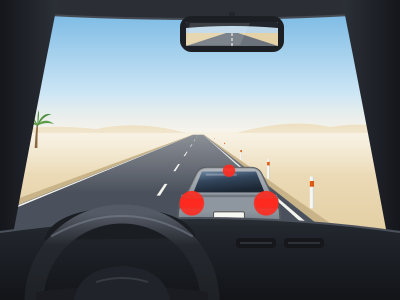
- ATo pressure the driver ahead to move out of the way, a form of tailgating that is illegal.
- BTo signal that the road ahead is clear.
- CTo communicate that their own vehicle has a fault.
- DFlashing headlights is an approved way to overtake in Qatar.
Answer and explanation in the bank
- Q16Road signs and signals
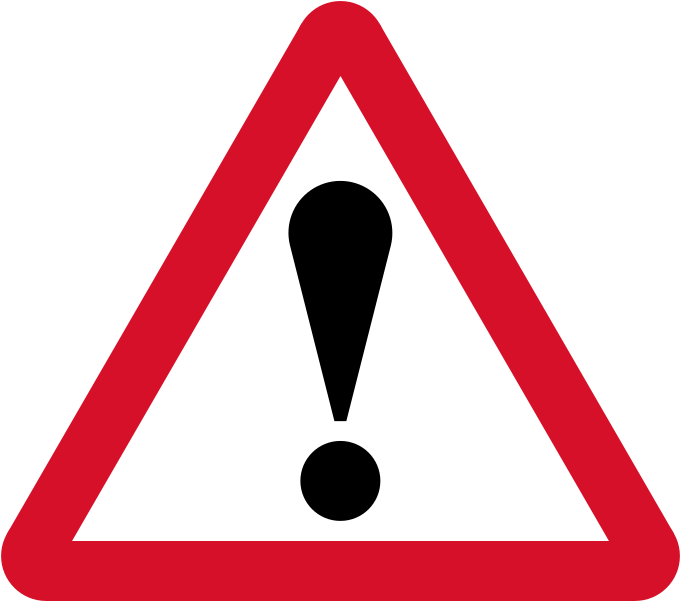
What is the general shape of a warning sign in Qatar?
- AA red circle
- BA blue rectangle
- CA red-bordered equilateral triangle pointing upwards
- DA green rectangle
Answer and explanation in the bank
- Q17Traffic rules
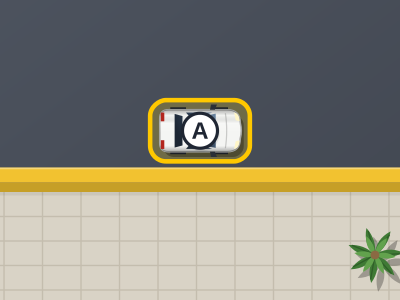
Which of the following is a legal parking restriction in Qatar?
- AParking is allowed anywhere on a road shoulder for up to 30 minutes
- BParking is permitted on a pedestrian crossing if you leave hazard lights on
- CDouble parking is allowed at night when traffic is light
- DYou must not park within a specified distance of an intersection or junction
Answer and explanation in the bank
- Q18Right of way
A cyclist is travelling straight ahead through a junction. You want to turn left across their path. Who has right of way?
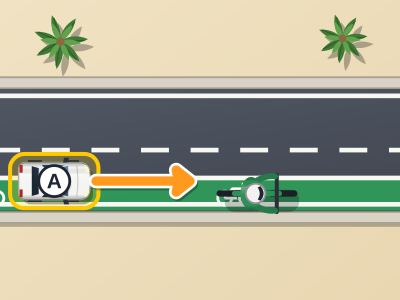
- AYou, because you are turning and already in the junction
- BThe cyclist going straight ahead
- CYou, because cyclists must use the designated cycle path
- DWhichever road user is moving faster
Answer and explanation in the bank
- Q19Safe driving
Which area around your vehicle represents the most dangerous blind spot when changing lanes on a motorway?
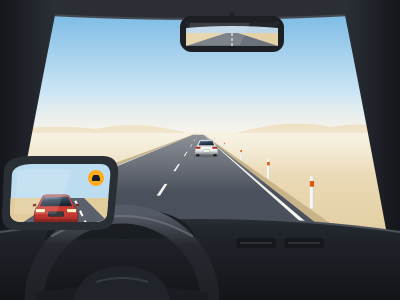
- ADirectly in front of the vehicle beyond the bonnet
- BDirectly behind the vehicle as seen in the interior mirror
- CThe zone diagonally behind each shoulder, not visible in door mirrors
- DThe area visible only when reversing
Answer and explanation in the bank
- Q20Penalties and fines
What must a driver do when a traffic signal turns red in Qatar?
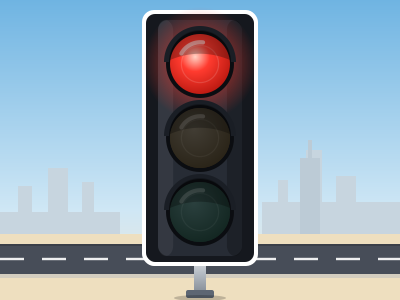
- AStop completely before the stop line and wait until the signal turns green.
- BSlow down and proceed only if no other vehicle is crossing.
- CStop only if a traffic officer is present.
- DContinue if you entered the intersection on amber.
Answer and explanation in the bank
- Q21Road signs and signals
What do prohibitory (regulatory) signs in Qatar look like?
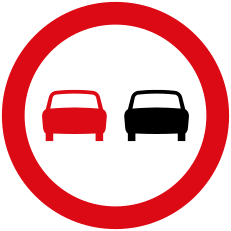
- AA red triangle with a white background
- BA blue square with white symbols
- CA green diamond
- DA red circle, sometimes with a diagonal red bar through the symbol
Answer and explanation in the bank
- Q22Traffic rules
What must you NOT do when parking near a pedestrian crossing in Qatar?
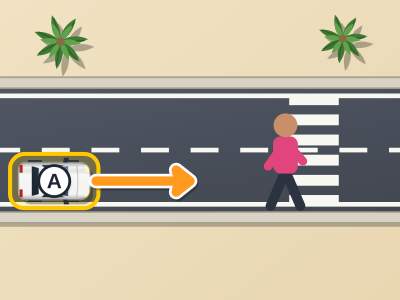
- ALeave your hazard lights on
- BEngage your handbrake before leaving the vehicle
- CPark on or so close to the crossing that you obstruct it
- DFace the vehicle downhill
Answer and explanation in the bank
- Q23Right of way
You are exiting a private driveway onto a public road. Who has priority?
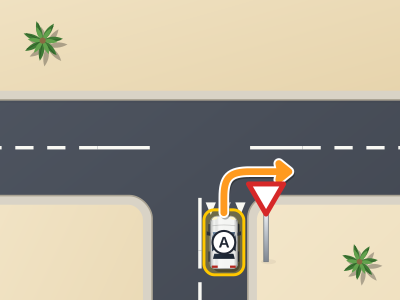
- AYou, because you are moving more slowly
- BYou, if you signal before exiting
- CPedestrians and cyclists only; other vehicles must wait for you
- DTraffic already on the public road
Answer and explanation in the bank
- Q24Safe driving
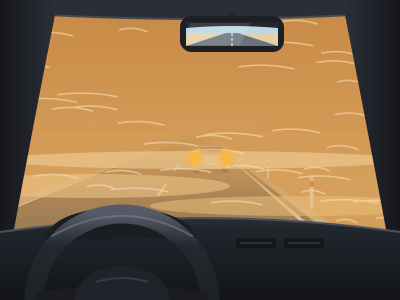
You are driving in a sandstorm and visibility on the expressway drops to almost nothing. What should you do?
- ASlow to 40 km/h and keep going with the hazard lights on
- BFollow the tail lights of the vehicle immediately ahead closely
- CLeave the carriageway, stop well clear of the traffic, and then switch on the hazard lights
- DUse high-beam headlights so other drivers can see you from further away
Answer and explanation in the bank
- Q25Penalties and fines
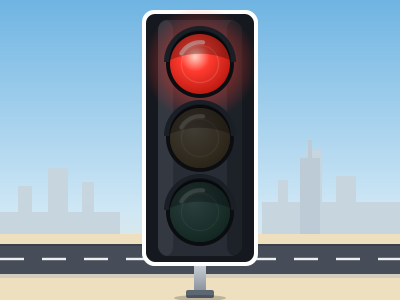
What penalties can a driver face for running a red light in Qatar?
- AOnly a verbal caution at the roadside.
- BNo penalty if no collision results.
- CA QR 6,000 fine and 7 black points.
- DNo answer is correct
Answer and explanation in the bank
- Q26Road signs and signals
What is the highest speed limit posted on Qatar's highways?
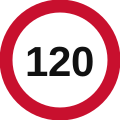
- A140 km/h
- B160 km/h
- C120 km/h
- DThere is no limit on highways
Answer and explanation in the bank
- Q27Traffic rules
You park your car on a hill in Qatar and leave the vehicle unattended. What should you do in addition to applying the handbrake?
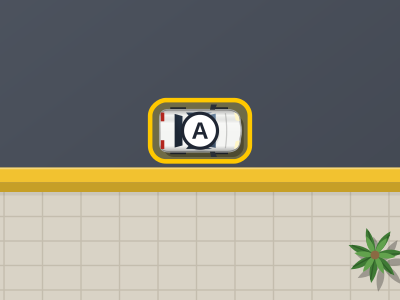
- ALeave the engine running to keep the brakes pressurised
- BTurn the front wheels toward the kerb when facing downhill, or away from it when facing uphill
- CSelect neutral gear to allow the vehicle to roll slowly if brakes fail
- DPark perpendicular to the slope to use friction
Answer and explanation in the bank
- Q28Right of way
An official convoy with police escort and flashing lights is passing through an intersection. What must other drivers do?
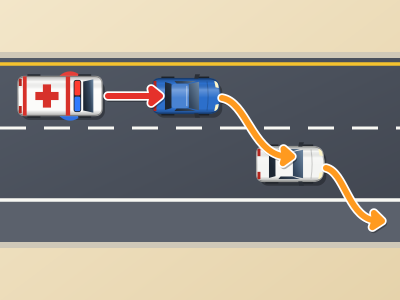
- AGive way to the entire convoy and wait until it has completely passed
- BProceed if the traffic light is green for your direction
- CMerge into the convoy if your route is the same
- DDrive between convoy vehicles if there is a large gap
Answer and explanation in the bank
- Q29Safe driving
Which lights should you use when driving in fog or a sandstorm with reduced visibility?
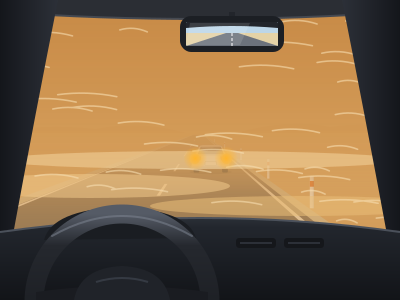
- ADipped headlights and front fog lights if fitted
- BHigh-beam (full-beam) headlights to see further ahead
- CParking lights only to avoid dazzling other drivers
- DHazard warning lights alone are sufficient
Answer and explanation in the bank
- Q30Penalties and fines
A driver enters an intersection in Qatar just as the signal changes from amber to red. They clear the intersection before any cross-traffic moves. Have they committed an offence?
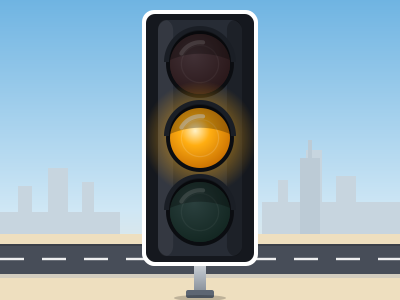
- ANo. Amber allows a driver to continue, so clearing on early red is acceptable.
- BNo offence if no collision or near-miss occurred.
- COnly an offence if an officer was physically present at the intersection.
- DYes. If the light was red when they crossed the stop line, it is a red-light violation.
Answer and explanation in the bank
- Q31Road signs and signals
What does a yellow diamond sign indicate in the GCC road sign system?
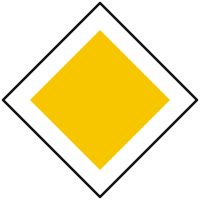
- AYou are on a priority road and have right of way over minor road traffic
- BA pedestrian crossing is ahead
- CNo overtaking zone
- DAdvisory speed limit
Answer and explanation in the bank
- Q32Traffic rules
What does it mean when a road in Qatar is designated as a one-way street?
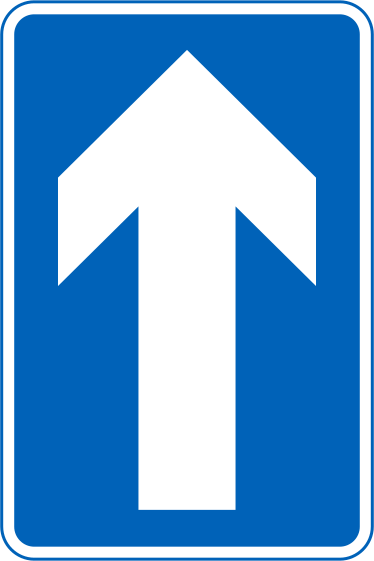
- ATraffic may travel in both directions but the left lane has priority
- BAll vehicles must travel only in the direction shown by signs or road markings
- CEmergency vehicles may enter from either direction
- DCyclists and pedestrians may travel against the flow
Answer and explanation in the bank
- Q33Right of way
You are driving near a school at a time when children may be entering or leaving. What extra precaution relates to right of way?
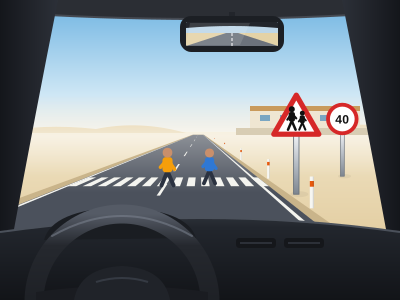
- AGive way to children at or near crossing points and be ready to stop at any time
- BSchool zones have no special right-of-way rules
- COnly stop if there is a crossing guard present
- DSound your horn to warn children and continue at normal speed
Answer and explanation in the bank
- Q34Safe driving
When driving at night, why should you reduce your speed compared to daytime?
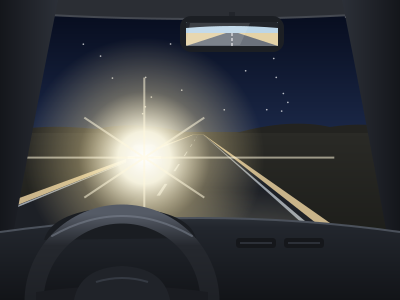
- ARoad rules require a lower speed limit between sunset and sunrise regardless of conditions
- BYour headlights illuminate only a short distance, reducing the time you have to react to hazards
- CYour engine operates less efficiently in cooler night air
- DOther drivers expect you to be slower at night so lane discipline is less important
Answer and explanation in the bank
- Q35Penalties and fines
What is tailgating and why is it penalised in Qatar?
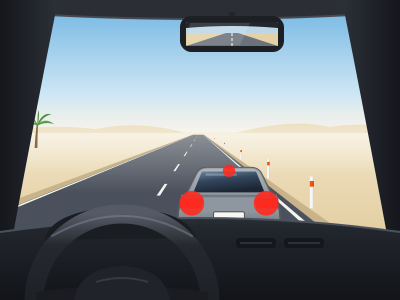
- ATailgating is following another vehicle too closely. It is penalised because it reduces reaction time and greatly increases collision risk.
- BTailgating is overtaking on the inside lane, which is only penalised on motorways.
- CTailgating means leaving a gap of more than 50 metres, which causes traffic congestion.
- DTailgating is legal in Qatar as long as the vehicle ahead is travelling under the speed limit.
Answer and explanation in the bank
- Q36Road signs and signals
What does a green traffic light mean?
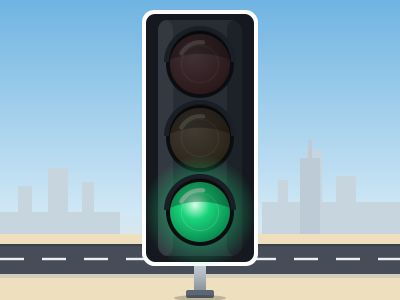
- AStop immediately
- BYou may proceed if the way is clear
- CPrepare to stop
- DGive way to pedestrians only
Answer and explanation in the bank
- Q37Traffic rules
On a one-way street in Qatar, in which lane must you position yourself to turn right at the end?
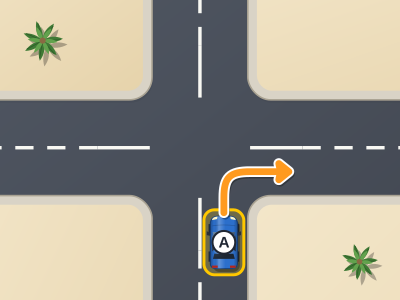
- AThe rightmost lane, as close to the right kerb as practicable
- BThe leftmost lane, to cut across the least traffic
- CAny lane, since one-way streets have no turning-lane rules
- DThe centre lane to allow other vehicles to pass on both sides
Answer and explanation in the bank
- Q38Right of way
At an unmarked crossroads, two vehicles arrive at the same time from opposite directions. Vehicle A is going straight and Vehicle B is turning left. Who has priority?
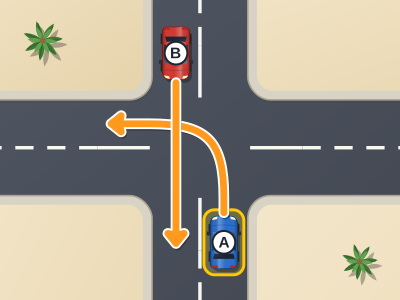
- AVehicle A going straight ahead
- BVehicle B turning left because it turns first
- CBoth vehicles share equal priority and must negotiate
- DThe vehicle on the wider road
Answer and explanation in the bank
- Q39Safe driving
An oncoming vehicle is using high-beam headlights and dazzling you at night. What is the safest response?
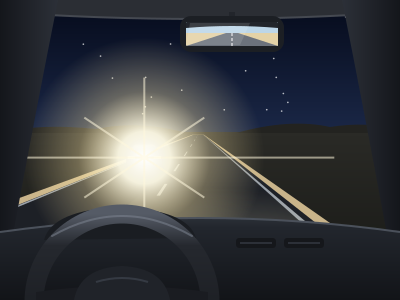
- AFlash your high beams repeatedly until the driver dips their lights
- BClose your eyes briefly to protect your night vision
- CAccelerate quickly to pass the oncoming vehicle faster
- DLook toward the left edge of your lane and reduce speed until the vehicle passes
Answer and explanation in the bank
- Q40Penalties and fines
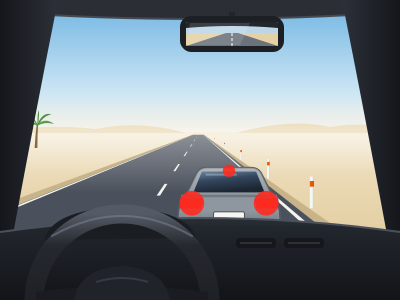
A driver on a Qatar expressway maintains a following distance of only one second behind the vehicle ahead while travelling at 120 km/h. Which legal outcome is most likely?
- AOne second is the legal minimum, so no offence is committed.
- BNo offence unless the vehicle ahead brakes and a collision results.
- COnly a caution applies because expressway following distances are unregulated.
- DThe driver risks a fine and black points for tailgating, as one second is insufficient stopping distance at 120 km/h.
Answer and explanation in the bank
Every answer above, with the rule it comes from, plus the full 40-question timed test.
Get the Qatar Driving Theory Online Practice Bank - QAR 39What this test covers
Topics include road signs, traffic signals, right of way, roundabouts, speed limits, seat belts, fines and penalties, and the safe-driving rules specific to your vehicle category. Full question-by-question feedback with explanations is shown immediately after you finish the test above.
Frequently asked questions
How many questions is the Al Shahaniya General Directorate of Traffic light vehicle theory test?
The official General Directorate of Traffic light vehicle theory test in Al Shahaniya has 40 questions and you need 37 correct (92.5%) to pass. This practice test has 40 questions.
Is this the real exam?
These are practice questions to help you revise, written to the published rules and to what candidates report from the real test. They are not the official Qatar exam and the real question bank, format, fees and pass mark are set by the General Directorate of Traffic (Ministry of Interior) and the driving schools, and can change. Always confirm the current requirements with your driving school or the traffic department (for example via the Metrash service).
Is this practice test free?
The first 10 questions are free, with no signup, and each shows the answer and the reason. The full 40-question test, timed, is in the Qatar Driving Theory Online Practice Bank (QAR 39, one payment), with every question in the bank.
What does the Al Shahaniya light vehicle theory test cover?
Road signs, traffic signals, right of way, roundabouts, speed limits, seat belts, penalties and safe-driving rules, plus the handling and safety topics specific to your vehicle.