

Al Shahaniya General Directorate of Traffic Truck & Bus
Timed mock exam· Full mock examsAl Shahaniya General Directorate of Traffic - Qatar Truck & Bus Theory Mock Test 3
Third full heavy-vehicle mock exam and a strong final readiness check before your real truck or bus theory test. Another distinct set of 40 timed questions.
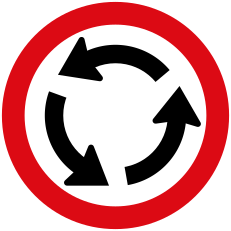
What does this sign indicate?
The other 30 questions in this test
Read them all. The answer and the reason for each, and the timed 40-question run, are in the Qatar Driving Theory Online Practice Bank.
- Q11Penalties and fines
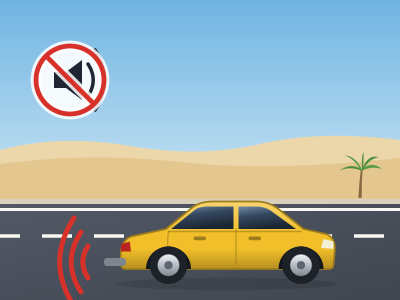
A driver in Qatar fits an aftermarket exhaust that dramatically increases the noise of their car. They are stopped by a traffic officer. What will likely happen?
- ANo action if the vehicle is less than three years old.
- BOnly a warning if the modification was carried out by a licensed workshop.
- CA fine for operating a vehicle with a non-compliant exhaust modification, and possibly an instruction to restore the standard exhaust.
- DThe driver can keep the exhaust if they can demonstrate it meets emission standards.
Answer and explanation in the bank
- Q12Heavy vehicle
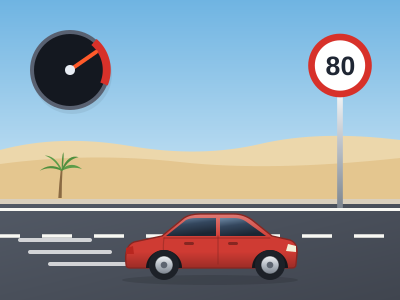
Under what circumstances may a driver legally exceed the posted speed limit with a heavy vehicle in Qatar?
- AUnder no circumstances; speed limits are absolute and apply to all vehicles including emergency-type commercial vehicles unless specifically exempted by law
- BWhen carrying urgent medical supplies to a hospital
- CWhen overtaking on a motorway, provided the excess is less than 20 km/h
- DWhen the road ahead is visibly clear for at least two kilometres
Answer and explanation in the bank
- Q13Traffic rules
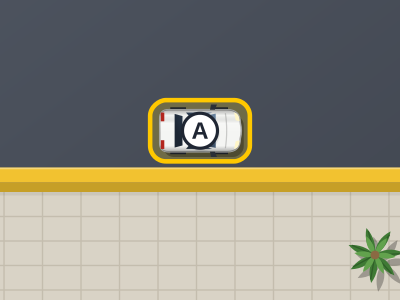
Is it legal to park in front of a fire hydrant in Qatar?
- AYes, for up to 15 minutes if no one is using the hydrant
- BNo, parking in front of a fire hydrant is prohibited at all times
- CYes, as long as you leave your contact number on the dashboard
- DOnly prohibited if fire engines are present in the area
Answer and explanation in the bank
- Q14Right of way
You are behind a slow-moving convoy vehicle with no overtaking allowed. Another emergency vehicle with sirens approaches from behind the convoy. What should drivers in the convoy do?
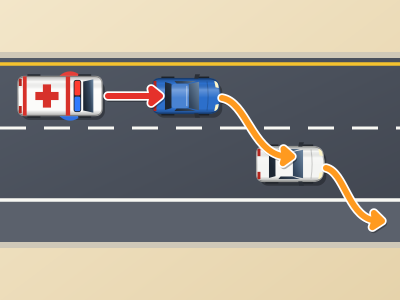
- AContinue in convoy formation; the emergency vehicle must find a way past
- BEach driver should move to the right where possible to create a clear path for the emergency vehicle
- CAll vehicles stop immediately in their current lane
- DOnly the front vehicle moves; the rest continue
Answer and explanation in the bank
- Q15Safe driving
During a long summer drive in Qatar your engine coolant warning light illuminates. What should you do?
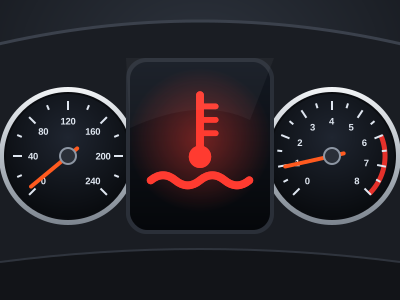
- AOpen the bonnet immediately and remove the coolant cap to release pressure
- BStop safely as soon as possible, switch off the engine, and allow it to cool before checking
- CContinue driving at reduced speed to the nearest workshop
- DTurn up the cabin heater to draw heat away from the engine and keep going
Answer and explanation in the bank
- Q16Penalties and fines
Beyond traffic fines, what other consequence might a driver in Qatar face if their vehicle fails a compliance inspection due to illegal exhaust modifications?
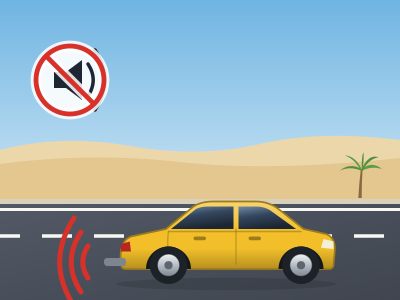
- AThe vehicle's Istimara renewal may be refused until the vehicle is restored to a legal specification.
- BThe driver faces criminal prosecution solely for the noise modification.
- CThe vehicle is permanently confiscated and never returned.
- DThere are no consequences beyond the roadside fine for illegal exhaust modifications.
Answer and explanation in the bank
- Q17Heavy vehicle
What is the risk of parking a heavy vehicle on a slope without chocking the wheels?
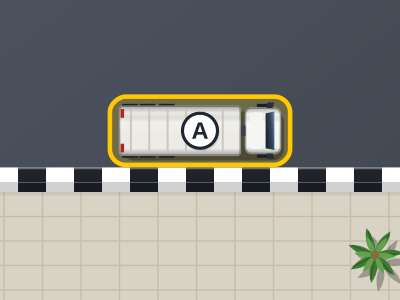
- AAir-brake spring pressure can slowly leak, releasing the park brake and allowing the vehicle to roll
- BThe engine will overheat if the vehicle is parked on a gradient without wheel chocks
- CWheel chocks are required only for trailers, not rigid trucks
- DThe vehicle cannot roll once the ignition is off because the transmission locks the wheels
Answer and explanation in the bank
- Q18Traffic rules
When should hazard warning lights be used on a Qatar road?
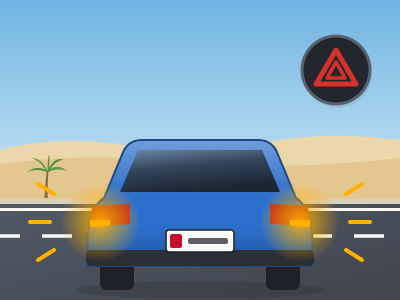
- AWhen your vehicle is stationary and poses a hazard, or in a genuine emergency situation
- BWhenever you are driving slowly or are on a busy road
- CAs a courtesy signal when another driver lets you in
- DWhile driving in heavy rain to warn following drivers
Answer and explanation in the bank
- Q19Right of way
You are on a main road and want to turn into a petrol station entrance on your left. Cyclists are travelling along a painted cycle lane that crosses the entrance. Who has priority?
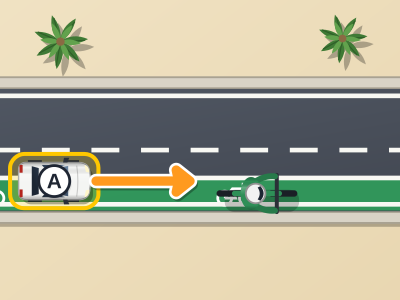
- AYou, because you are signalling and slowing down
- BThe cyclists in the cycle lane
- CYou, because the petrol station is a private entrance not a road
- DNeither; it must be negotiated between both parties
Answer and explanation in the bank
- Q20Safe driving
Why is it particularly important to check your vehicle's tyre tread depth before a long desert expressway journey in Qatar?
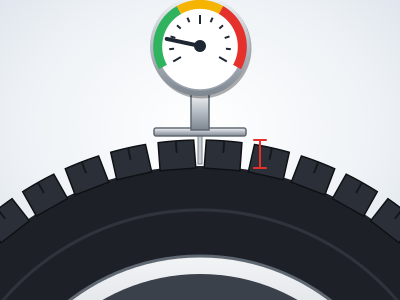
- ATread depth only matters for off-road driving, not on sealed expressways
- BWorn tread reduces grip and water-clearing ability, and generates more heat that can cause a blowout at high speed
- CNew tyres are always pre-balanced and do not need checking before a journey
- DTread depth affects fuel economy only, not safety at highway speed
Answer and explanation in the bank
- Q21Penalties and fines
Is it legal to throw rubbish or litter from a moving or parked vehicle in Qatar?
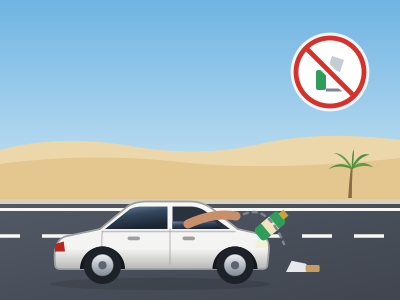
- AYes, as long as it is biodegradable material such as food scraps.
- BOnly an offence if the litter lands on another vehicle.
- CLegal if the vehicle is moving and the road has no visible bins nearby.
- DNo. Littering from a vehicle is a fineable offence in Qatar.
Answer and explanation in the bank
- Q22Heavy vehicle
What is the purpose of the air dryer on a heavy truck's pneumatic brake system?
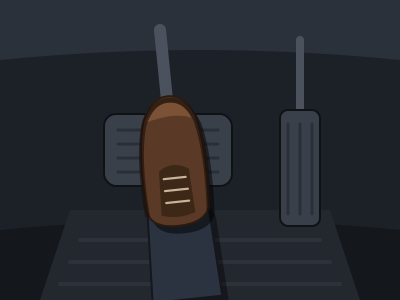
- AIt dries the brake discs and drums after rain to restore braking performance
- BIt cools the compressed air so it takes up less volume in the storage tanks
- CIt removes moisture from the compressed air before it enters the brake tanks, preventing water from causing brake valve corrosion and freezing in cold weather
- DIt filters engine oil mist out of the compressor outlet to prevent contamination of brake components
Answer and explanation in the bank
- Q23Traffic rules
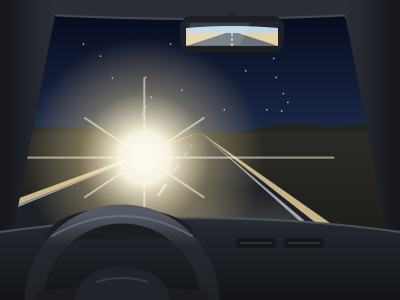
When driving at night in Qatar, what additional hazard exists that is less of a concern in daylight?
- ARoad signs are harder to read at night
- BSpeed cameras do not operate at night
- CPedestrians and cyclists may be much harder to see, especially if not wearing reflective clothing
- DLane markings fade and become invisible in the dark
Answer and explanation in the bank
- Q24Right of way
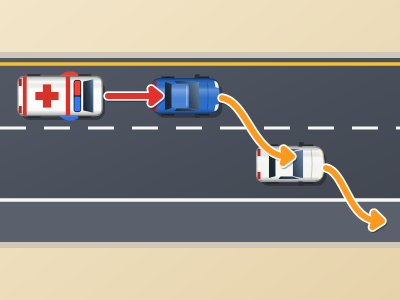
You are driving in Qatar during the Hajj season and vehicles transporting pilgrims are moving in a large convoy with police escort. What additional consideration applies?
- AHajj convoys have no special right-of-way status and must follow normal traffic rules
- BYou may join the convoy if you are also travelling in the same direction
- COnly the police vehicles at the front have right of way
- DThe convoy with police escort must be given full right of way; you must not enter or break the convoy
Answer and explanation in the bank
- Q25Safe driving
You are driving in heavy rain at night and you notice the road ahead dips into a low point. What should you do?
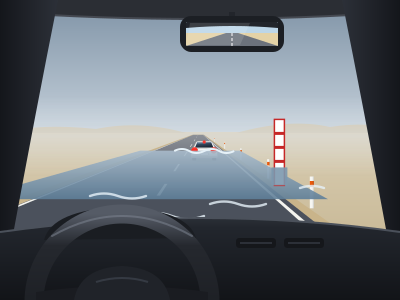
- AReduce speed and assess the depth of any standing water before entering
- BAccelerate to maintain momentum and push through the water quickly
- CDrive through at normal speed because your vehicle has four-wheel drive
- DTurn around only if the water is above kerb height
Answer and explanation in the bank
- Q26Penalties and fines
A driver eats a sandwich while driving and tosses the wrapper out of the window onto a highway in Qatar. Which outcome is most accurate?
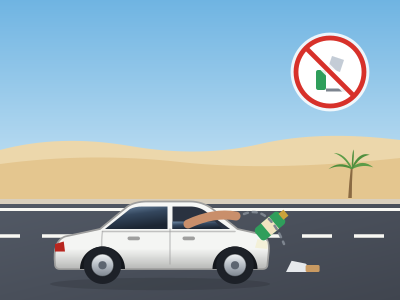
- ALittering from a moving vehicle is only an offence in residential areas.
- BPaper wrappers are exempt from the littering rule because they decompose.
- CThe driver has committed a littering offence and can be fined. Cameras or officers on patrol may record the act.
- DNo offence unless the wrapper strikes another vehicle or causes an accident.
Answer and explanation in the bank
- Q27Heavy vehicle
What action should a heavy vehicle driver take when approaching a school zone during school arrival or departure times?
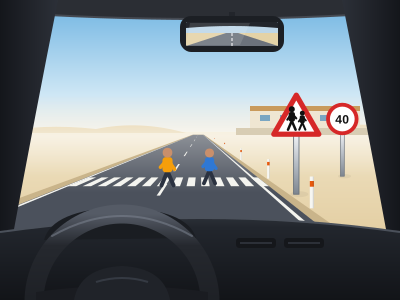
- ASound the horn continuously to warn children of the truck's presence and continue at normal speed
- BReduce speed to the school zone limit, be prepared to stop for pedestrians especially children, and do not attempt to overtake stopped vehicles near the school
- CSchool zones apply only to cars and do not affect the route or speed of commercial vehicles
- DKeep pace with other traffic; the volume of vehicles provides safety in numbers near schools
Answer and explanation in the bank
- Q28Traffic rules
How should you adjust your following distance when driving on a wet road in Qatar?
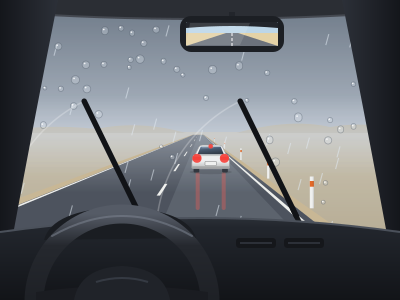
- AKeep the same distance as on a dry road if you have ABS
- BReduce the gap so you can see through the spray of the vehicle ahead
- CAt least double the dry-condition gap to account for increased stopping distance
- DFollowing distance is irrelevant if you are travelling below 80 km/h
Answer and explanation in the bank
- Q29Right of way
You are on a highway and your lane is ending because of roadworks. A sign says 'Lane ends - merge right'. You see a large gap ahead in the right lane. Who has priority as you merge?
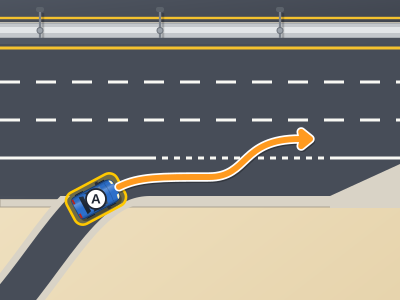
- ATraffic in the right (continuing) lane has priority; you should wait for a safe gap
- BYou have priority because your lane is ending
- CThe larger vehicle in the right lane must give way
- DBoth vehicles have equal priority and must share the space
Answer and explanation in the bank
- Q30Safe driving
What should you do at least every 2 seconds during normal driving to stay safe?
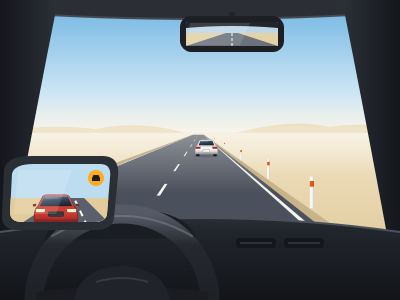
- AScan your mirrors and check your speedometer
- BCheck your phone for notifications
- CSound the horn to alert nearby pedestrians
- DAdjust the air conditioning temperature
Answer and explanation in the bank
- Q31Penalties and fines
Which of the following actions by a delivery driver in Qatar would constitute a littering offence?
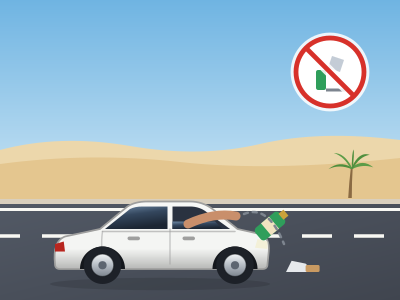
- APlacing packaging in a lidded street waste bin.
- BLeaving goods on a customer's doorstep in a reusable bag.
- CUsing a vehicle-mounted waste bag to collect rubbish during the shift.
- DLeaving a damaged cardboard box on the pavement beside their parked vehicle instead of taking it away.
Answer and explanation in the bank
- Q32Heavy vehicle
A truck is loaded with steel coils on a flatbed. The coils are chained down but not blocked. What additional risk exists?
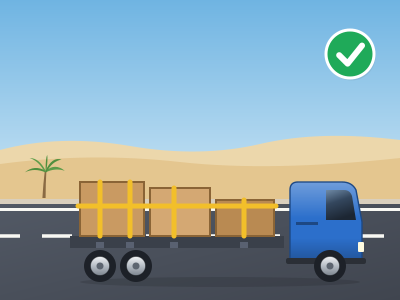
- ASteel coils are heavy enough to remain stationary by gravity alone regardless of how they are secured
- BRound coils can roll sideways if the chains stretch or the vehicle corners hard, potentially shifting the load and overloading one side
- CThe main risk is chain corrosion from contact with the metal coils, not load movement
- DCoils secured by chains cannot roll because the chain links interlock with the coil surface
Answer and explanation in the bank
- Q33Traffic rules
Is aggressive driving (road rage behaviour such as excessive horn use and deliberately cutting off other drivers) permissible in Qatar?
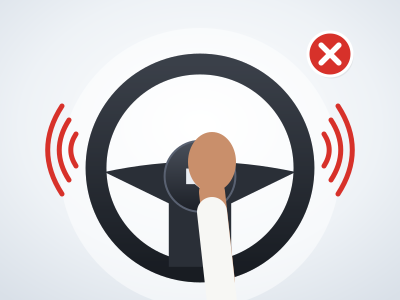
- AYes, as long as no collision occurs
- BNo, it is an offence and can result in fines, licence suspension, or other penalties
- CIt is only an offence if reported by another driver
- DOnly at night or in school zones
Answer and explanation in the bank
- Q34Right of way
Two vehicles approach a junction simultaneously: Vehicle A on the main road going straight, and Vehicle B on a side road with a Give Way sign intending to go straight. What is the correct outcome?
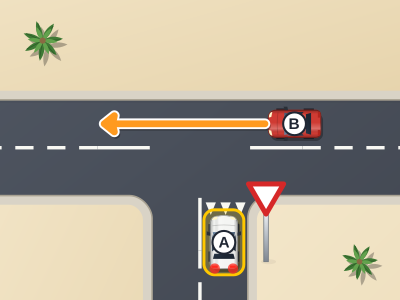
- AVehicle B must wait and yield to Vehicle A before proceeding
- BVehicle A must slow down to allow Vehicle B to merge
- CVehicle B may proceed because it also intends to go straight
- DBoth vehicles must stop and use the right-of-way-to-the-right rule
Answer and explanation in the bank
- Q35Safe driving
You are driving at 120 km/h on a Qatar expressway when the vehicle ahead brakes sharply. You are maintaining the recommended 2-second gap. Approximately how far do you travel during your reaction time alone before braking begins?
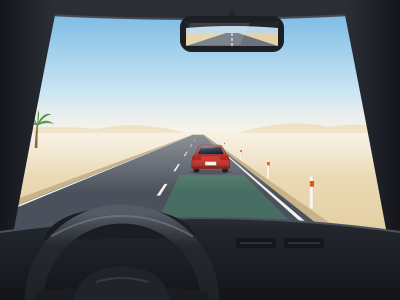
- AApproximately 5 metres because modern cars detect braking automatically
- BApproximately 33 metres in a 1-second reaction time
- CApproximately 120 metres because speed and time are equal in metric
- DApproximately 10 metres regardless of speed
Answer and explanation in the bank
- Q36Penalties and fines
A driver in Qatar has unpaid traffic fines. They try to renew their Istimara online. What is likely to happen?
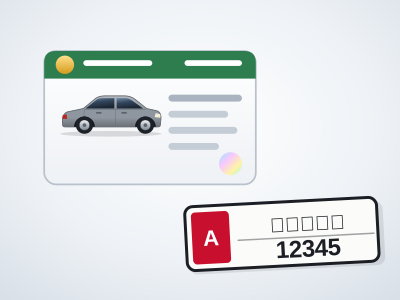
- AThe registration renews immediately regardless of outstanding fines.
- BThe renewal will be blocked until all outstanding fines are paid, as Qatar links fine payment to registration renewal.
- COnly fines older than one year block registration renewal.
- DThe system allows renewal but the fines double automatically after 30 days.
Answer and explanation in the bank
- Q37Heavy vehicle
When are trucks and buses carrying more than 25 passengers banned from Doha city roads?
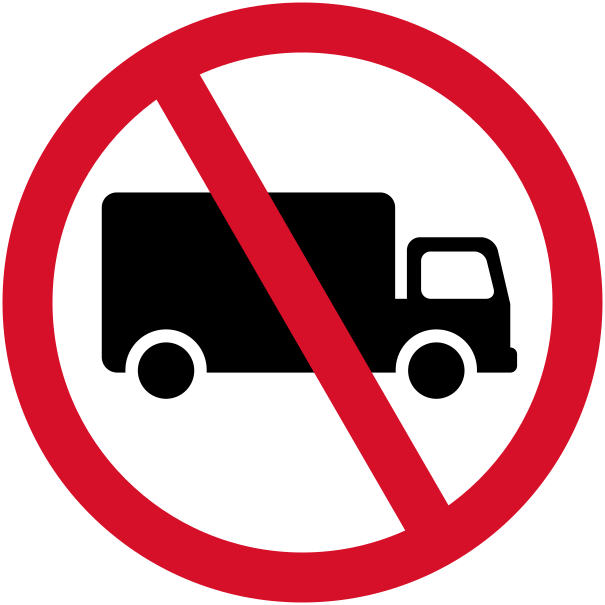
- A6 to 8 am, 12 noon to 3 pm, and 5 to 8 pm
- BAt no time; trucks may use city roads at any hour
- COnly on Fridays
- DOnly between midnight and 6 am
Answer and explanation in the bank
- Q38Traffic rules
What does a loading zone sign on a Qatar road mean for private car drivers?
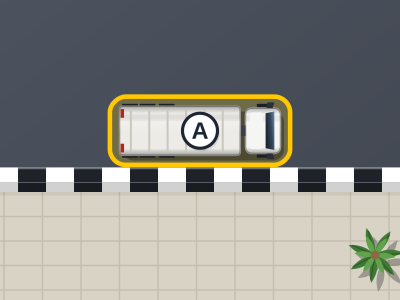
- APrivate cars may park there indefinitely as long as the boot is open
- BThe area is reserved for commercial vehicles loading and unloading; private car parking is not permitted
- CAny vehicle may use it for up to 30 minutes at any time
- DLoading zones become free for all during evenings and weekends
Answer and explanation in the bank
- Q39Right of way
You are on a road where the pavement is very narrow and a group of pedestrians have stepped slightly into the road to pass each other. What is the correct right-of-way action?
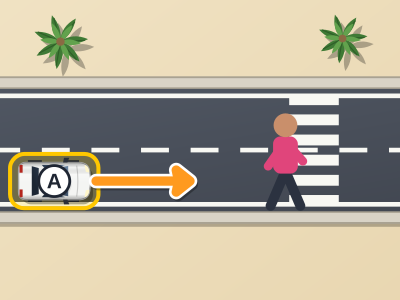
- ASound your horn and maintain speed to encourage them back onto the pavement
- BPass quickly at normal speed; pedestrians on the road are at fault
- CStop completely and wait for a full minute before proceeding
- DSlow down and give the pedestrians space to return to the pavement safely before continuing
Answer and explanation in the bank
- Q40Penalties and fines
Which of the following scenarios in Qatar involves the greatest combination of offences and likely the most severe combined penalty?
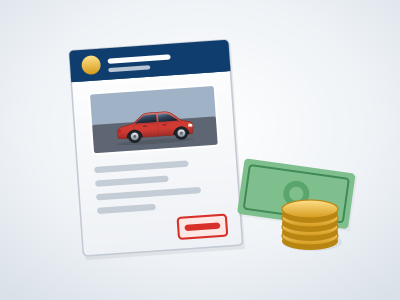
- ADriving 10 km/h over the limit with a slightly expired Istimara.
- BParking on a yellow kerb briefly while answering a hands-free call.
- CUsing a handheld phone at a red light with a valid licence and current registration.
- DDriving at extreme speed while intoxicated, without a valid licence, with an unbelted passenger and failing to stop at a police checkpoint.
Answer and explanation in the bank
Every answer above, with the rule it comes from, plus the full 40-question timed test.
Get the Qatar Driving Theory Online Practice Bank - QAR 39What this test covers
Topics include road signs, traffic signals, right of way, roundabouts, speed limits, seat belts, fines and penalties, and the safe-driving rules specific to your vehicle category. Full question-by-question feedback with explanations is shown immediately after you finish the test above.
Frequently asked questions
How many questions is the Al Shahaniya General Directorate of Traffic truck & bus theory test?
The official General Directorate of Traffic truck & bus theory test in Al Shahaniya has 40 questions and you need 37 correct (92.5%) to pass. This practice test has 40 questions.
Is this the real exam?
These are practice questions to help you revise, written to the published rules and to what candidates report from the real test. They are not the official Qatar exam and the real question bank, format, fees and pass mark are set by the General Directorate of Traffic (Ministry of Interior) and the driving schools, and can change. Always confirm the current requirements with your driving school or the traffic department (for example via the Metrash service).
Is this practice test free?
The first 10 questions are free, with no signup, and each shows the answer and the reason. The full 40-question test, timed, is in the Qatar Driving Theory Online Practice Bank (QAR 39, one payment), with every question in the bank.
What does the Al Shahaniya truck & bus theory test cover?
Road signs, traffic signals, right of way, roundabouts, speed limits, seat belts, penalties and safe-driving rules, plus the handling and safety topics specific to your vehicle.