

Al Shamal General Directorate of Traffic Light vehicle
Practice mode· Road rulesAl Shamal General Directorate of Traffic - Qatar Road Rules Test 2
Second set of 20 road rules questions covering overtaking, parking, motorway driving, pedestrian crossings and more. Complete both tests for full rules coverage.
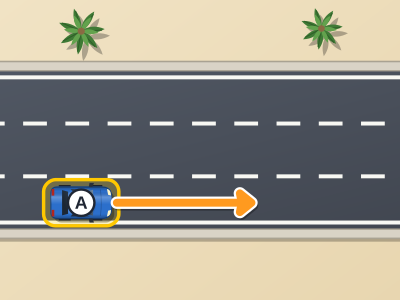
On a multi-lane road in Qatar, which lane should you normally drive in when the road is clear?
The other 10 questions in this test
Read them all. The answer and the reason for each, and the timed 20-question run, are in the Qatar Driving Theory Online Practice Bank.
- Q11Traffic rules
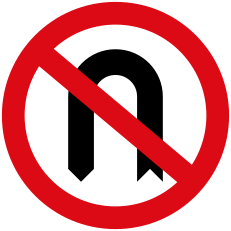
You wish to make a U-turn at an intersection in Qatar. What must you check before doing so?
- AThat the intersection has a traffic light so other vehicles will stop
- BThat you are travelling below 40 km/h
- CThat the road is at least four lanes wide
- DThat no No U-turn sign is present and that you can complete the turn without blocking traffic
Answer and explanation in the bank
- Q12Traffic rules
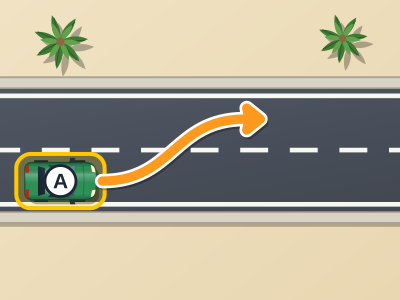
When must you use your indicators (turn signals) in Qatar?
- AOnly when turning at a junction or entering a roundabout
- BOnly when other vehicles are present
- CWhenever changing direction, changing lanes, overtaking, or pulling away from the kerb
- DOnly at night or in poor visibility
Answer and explanation in the bank
- Q13Traffic rules
How far in advance should you signal before turning in an urban area in Qatar?
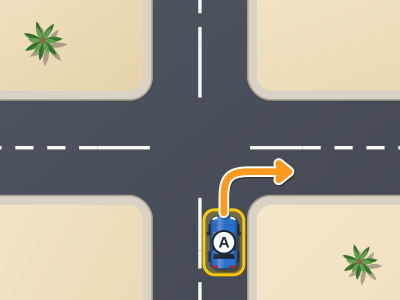
- AAt a sufficient distance to warn other road users, typically well before the turn
- BJust as you begin to turn the steering wheel
- CExactly 50 metres before every turn, regardless of speed
- DOnly if another vehicle is directly behind you
Answer and explanation in the bank
- Q14Traffic rules
When are you required to use your headlights while driving in Qatar?
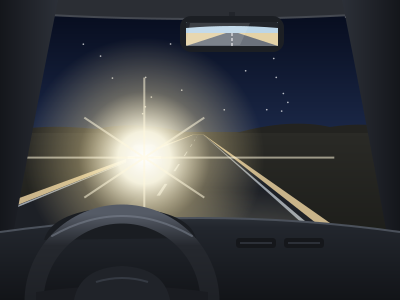
- AFrom sunset to sunrise and whenever visibility is reduced
- BOnly when driving on unlit roads at night
- COnly when driving faster than 80 km/h at night
- DOnly if the road has no street lighting
Answer and explanation in the bank
- Q15Traffic rules
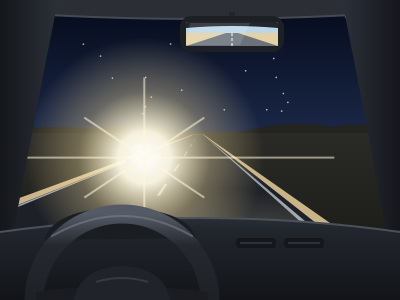
When must you switch from high-beam (full-beam) headlights to low-beam in Qatar?
- AOnly in built-up areas with street lighting
- BOnly when the other driver flashes their lights at you
- CHigh-beam may always be used on unlit motorways
- DWhen an oncoming vehicle is within approximately 150 to 200 metres, or when following another vehicle closely
Answer and explanation in the bank
- Q16Traffic rules
Under what conditions should you use front fog lights in Qatar?
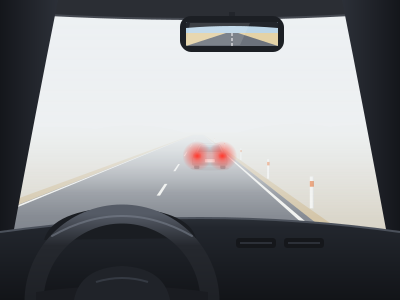
- AOnly in heavy rain, dense fog, or dust storms that significantly reduce visibility
- BWhenever you use high-beam headlights
- CDuring daytime to make your vehicle more visible to others
- DOnly on unlit desert roads regardless of conditions
Answer and explanation in the bank
- Q17Traffic rules
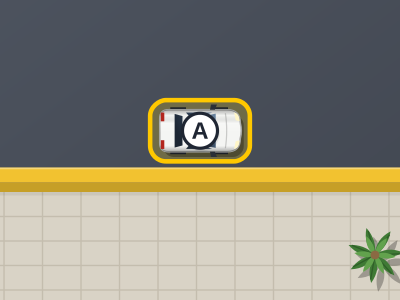
Which of the following is a legal parking restriction in Qatar?
- AParking is allowed anywhere on a road shoulder for up to 30 minutes
- BParking is permitted on a pedestrian crossing if you leave hazard lights on
- CDouble parking is allowed at night when traffic is light
- DYou must not park within a specified distance of an intersection or junction
Answer and explanation in the bank
- Q18Traffic rules
What must you NOT do when parking near a pedestrian crossing in Qatar?
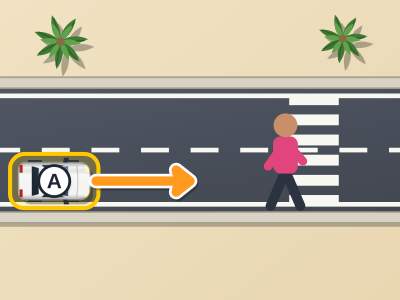
- ALeave your hazard lights on
- BEngage your handbrake before leaving the vehicle
- CPark on or so close to the crossing that you obstruct it
- DFace the vehicle downhill
Answer and explanation in the bank
- Q19Traffic rules
You park your car on a hill in Qatar and leave the vehicle unattended. What should you do in addition to applying the handbrake?
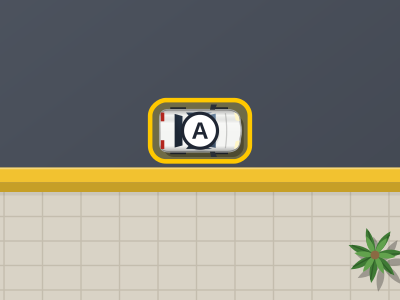
- ALeave the engine running to keep the brakes pressurised
- BTurn the front wheels toward the kerb when facing downhill, or away from it when facing uphill
- CSelect neutral gear to allow the vehicle to roll slowly if brakes fail
- DPark perpendicular to the slope to use friction
Answer and explanation in the bank
- Q20Traffic rules
What does it mean when a road in Qatar is designated as a one-way street?
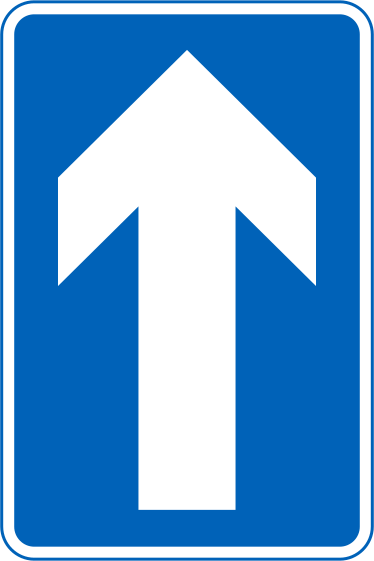
- ATraffic may travel in both directions but the left lane has priority
- BAll vehicles must travel only in the direction shown by signs or road markings
- CEmergency vehicles may enter from either direction
- DCyclists and pedestrians may travel against the flow
Answer and explanation in the bank
Every answer above, with the rule it comes from, plus the full 20-question timed test.
Get the Qatar Driving Theory Online Practice Bank - QAR 39What this test covers
Topics include road signs, traffic signals, right of way, roundabouts, speed limits, seat belts, fines and penalties, and the safe-driving rules specific to your vehicle category. Full question-by-question feedback with explanations is shown immediately after you finish the test above.
Frequently asked questions
How many questions is the Al Shamal General Directorate of Traffic light vehicle theory test?
The official General Directorate of Traffic light vehicle theory test in Al Shamal has 40 questions and you need 37 correct (92.5%) to pass. This practice test has 20 questions.
Is this the real exam?
These are practice questions to help you revise, written to the published rules and to what candidates report from the real test. They are not the official Qatar exam and the real question bank, format, fees and pass mark are set by the General Directorate of Traffic (Ministry of Interior) and the driving schools, and can change. Always confirm the current requirements with your driving school or the traffic department (for example via the Metrash service).
Is this practice test free?
The first 10 questions are free, with no signup, and each shows the answer and the reason. The full 20-question test, timed, is in the Qatar Driving Theory Online Practice Bank (QAR 39, one payment), with every question in the bank.
What does the Al Shamal light vehicle theory test cover?
Road signs, traffic signals, right of way, roundabouts, speed limits, seat belts, penalties and safe-driving rules, plus the handling and safety topics specific to your vehicle.