

Al Wakrah General Directorate of Traffic Motorcycle
Timed mock exam· Full mock examsAl Wakrah General Directorate of Traffic - Qatar Motorcycle Theory Mock Test 1
A full 40-question timed practice exam for the Qatar motorcycle (bike) theory test, set at the reported 37/40 (92.5%) pass mark. Covers shared road rules and signs plus motorcycle-specific control and safety.
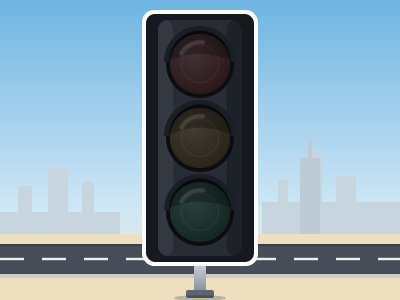
You reach a junction with traffic lights that have failed and are showing no signal. What should you do?
The other 30 questions in this test
Read them all. The answer and the reason for each, and the timed 40-question run, are in the Qatar Driving Theory Online Practice Bank.
- Q11Safe driving
Under Qatar's Traffic Law, children below what age may not ride in the front seat?
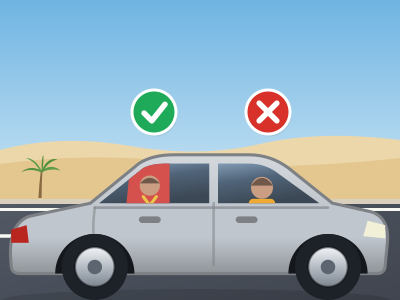
- AUnder 5 years old
- BUnder 10 years old
- CUnder 16 years old
- DThere is no age rule; any child may sit in front if belted
Answer and explanation in the bank
- Q12Penalties and fines
Which statement about speed limits in Qatar is correct?
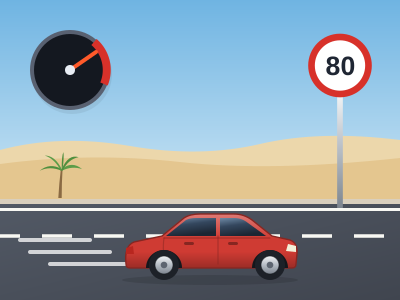
- AThe posted sign sets the limit: highways go up to 120 km/h, and city roads are usually signed between 60 and 100 km/h.
- B80 km/h applies on every urban road, whatever the signs say.
- C100 km/h applies on all roads without a posted limit.
- DThere are no speed limits in Qatar; drivers set their own safe speed.
Answer and explanation in the bank
- Q13Motorcycle control
How does a pillion passenger's unexpected movement affect a motorcycle in a corner?
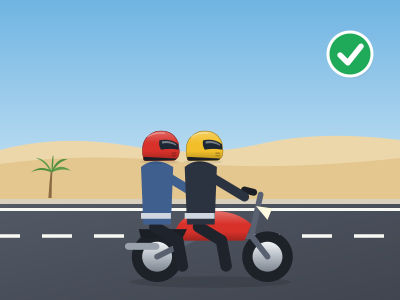
- AIt can suddenly shift the combined centre of gravity and upset the lean angle, causing the rider to fight for control
- BIt has no effect because the rider's weight is dominant
- CIt makes the motorcycle more stable by lowering the centre of gravity
- DIt only affects acceleration, not cornering
Answer and explanation in the bank
- Q14Motorcycle safety
When overtaking a large truck at speed, why should you be aware of crosswind effects?
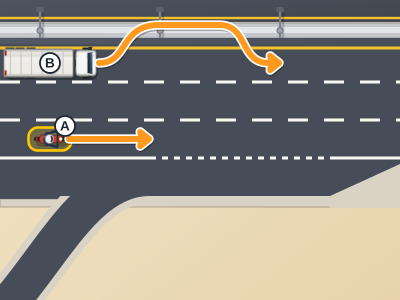
- ACrosswinds only affect motorcycles when stationary, not when moving
- BAs you emerge from the shelter of the truck, a sudden crosswind can push the motorcycle sideways unexpectedly if you are not prepared
- CThe truck blocks all wind and the only hazard is the truck's mirror
- DCrosswinds push the motorcycle in the direction of the truck, not away from it
Answer and explanation in the bank
- Q15Road signs and signals
You are driving at night in heavy rain on a road posted with this sign. What speed should you drive?
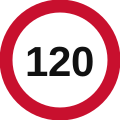
- AExactly 120 km/h, as the sign is mandatory
- BAt least 80 km/h to keep up with traffic
- CAny speed, as night limits are relaxed in Qatar
- DA speed appropriate for the conditions, which may be well below 120 km/h
Answer and explanation in the bank
- Q16Traffic rules
How far in advance should you signal before turning in an urban area in Qatar?
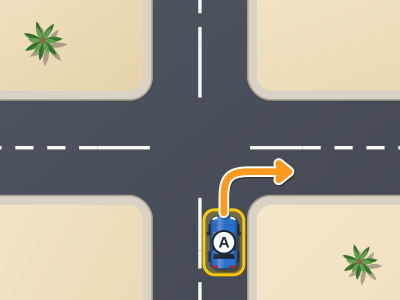
- AAt a sufficient distance to warn other road users, typically well before the turn
- BJust as you begin to turn the steering wheel
- CExactly 50 metres before every turn, regardless of speed
- DOnly if another vehicle is directly behind you
Answer and explanation in the bank
- Q17Motorcycle control
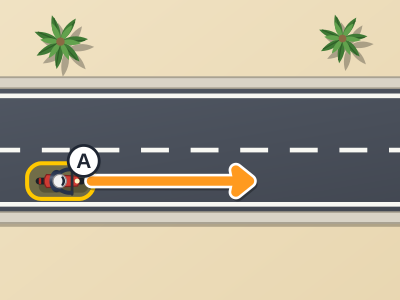
When performing a hill start on a motorcycle, what is the correct sequence to prevent rolling backward?
- ARelease all brakes, open throttle fully, then engage clutch
- BUse only the front brake, then engage first gear and release the clutch quickly
- CPush the motorcycle forward manually before starting the engine
- DApply rear brake, bring clutch to friction zone, add throttle until the bike pulls, then release the rear brake progressively
Answer and explanation in the bank
- Q18Motorcycle safety
Which additional precautions are most important when riding at night in Qatar?
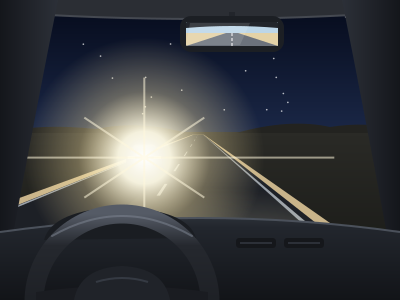
- ASpeed up to reduce the time spent in darkness
- BReduce speed, increase following distance, wear reflective gear, and use headlights correctly; be alert for animals and unlit hazards on the road
- CSwitch to main beam at all times regardless of oncoming traffic
- DNight riding requires no extra precautions if the road has streetlights
Answer and explanation in the bank
- Q19Road signs and signals
A pedestrian steps onto this crossing as you approach. What must you do?
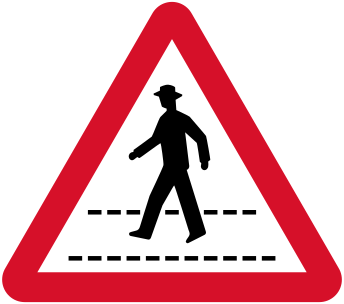
- AStop and allow the pedestrian to cross safely
- BSound the horn to warn the pedestrian and continue
- CSlow slightly and pass behind the pedestrian
- DFlash your headlights and continue at reduced speed
Answer and explanation in the bank
- Q20Motorcycle control
What happens to available tyre grip when a motorcycle is leaned over in a corner?
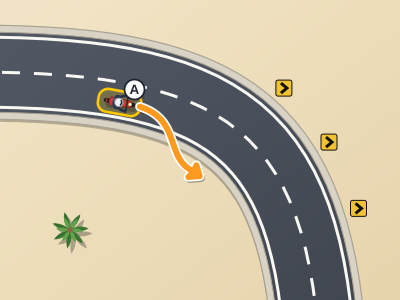
- ALean angle increases the contact patch size and therefore increases total available grip
- BThe grip budget is shared between cornering forces and braking/acceleration forces, leaving less reserve for any sudden additional input
- CGrip is unaffected by lean angle
- DGrip increases on the inside tyre and decreases on the outside tyre
Answer and explanation in the bank
- Q21Motorcycle safety
What is meant by 'riding within your headlight' at night?
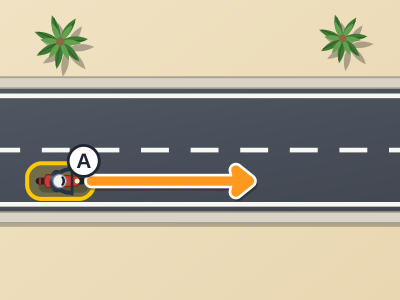
- AKeeping your headlight beam aimed directly at the road in front of the tyre
- BRiding in the headlights of the vehicle in front to improve your own vision
- CRiding at a speed at which you can stop within the distance illuminated by your headlight
- DKeeping the motorcycle exactly centred in the lane under streetlights
Answer and explanation in the bank
- Q22Road signs and signals
How should you approach the hazard shown in this sign?
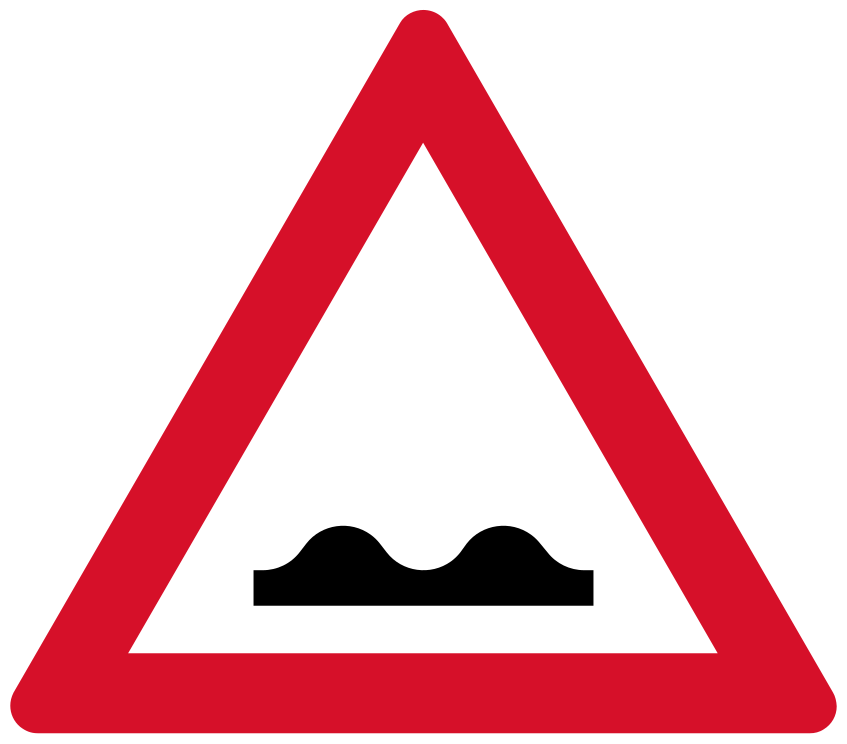
- AAccelerate to clear the bump smoothly
- BReduce speed before reaching the bump and cross it slowly
- CStraddle the bump with your wheels on either side
- DSound the horn and maintain your current speed
Answer and explanation in the bank
- Q23Traffic rules
When must you switch from high-beam (full-beam) headlights to low-beam in Qatar?
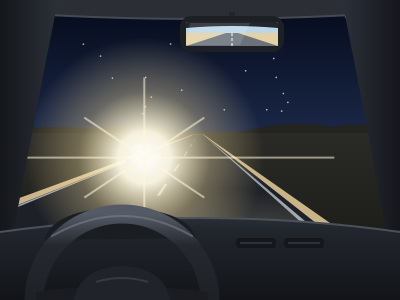
- AOnly in built-up areas with street lighting
- BOnly when the other driver flashes their lights at you
- CHigh-beam may always be used on unlit motorways
- DWhen an oncoming vehicle is within approximately 150 to 200 metres, or when following another vehicle closely
Answer and explanation in the bank
- Q24Right of way
You approach a level crossing with no barriers. The red lights are flashing. What must you do?
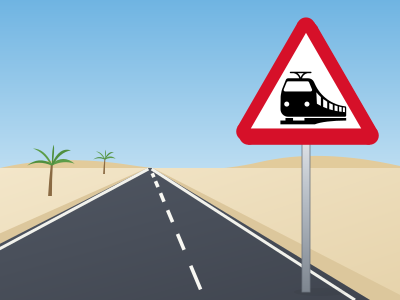
- AStop before the stop line and wait until the lights stop flashing and it is safe to cross
- BSlow down, check for trains, and proceed if you do not see one
- CStop only if you can hear a train approaching
- DProceed quickly to clear the crossing before the train arrives
Answer and explanation in the bank
- Q25Safe driving
What is the minimum recommended distance you should sit from the steering wheel to allow an airbag to deploy safely?
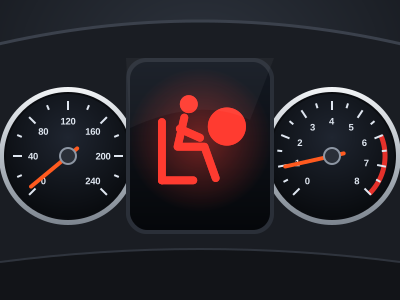
- AAbout 25 cm (10 inches) between the chest and the steering wheel hub
- BAs close as possible for maximum steering control
- CAt least 60 cm so the airbag has room to expand fully
- DDistance does not matter if the seatbelt is worn
Answer and explanation in the bank
- Q26Penalties and fines
A driver in Qatar is caught on a speed camera at a location where the posted limit is 80 km/h. If the driver was travelling at 130 km/h, which outcomes might they face?
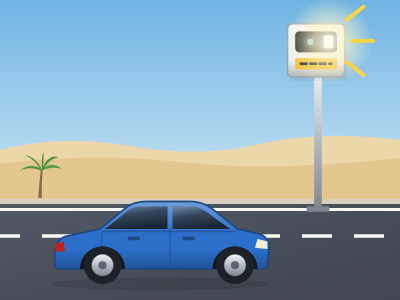
- AOnly a small administrative fine because it is a first offence captured by camera.
- BNo penalty because camera fines only apply to commercial vehicles in Qatar.
- CA warning letter only, with a fine applied on a second offence.
- DA QR 900 fine and 3 black points.
Answer and explanation in the bank
- Q27Motorcycle control
You are mid-corner and need to brake urgently. What is the safest approach?
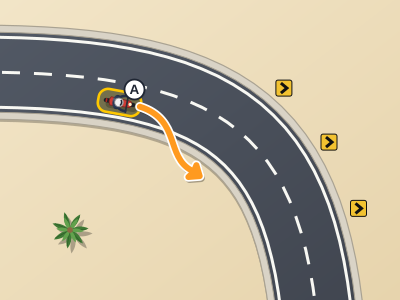
- AApply maximum front brake immediately while maintaining full lean
- BPull in the clutch and stamp on the rear brake hard
- CAccelerate to straighten the bike then brake after the corner
- DEase the throttle smoothly, progressively squeeze both brakes gently, and try to straighten the bike slightly before harder braking
Answer and explanation in the bank
- Q28Motorcycle safety
How does rain affect motorcycle tyre grip compared to dry conditions?
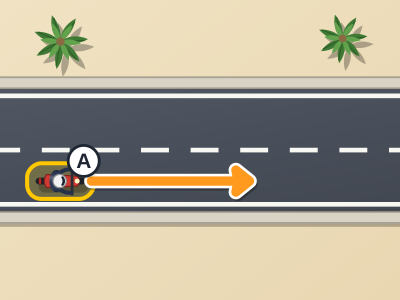
- ARain improves grip by cleaning the tyre surface and road
- BRain has no effect on grip if tyre pressure is correctly set
- CRain reduces grip only on gravel roads, not on tarmac
- DRain significantly reduces grip, particularly during the first few minutes when oil and dust are washed to the surface before being rinsed away
Answer and explanation in the bank
- Q29Road signs and signals
What shape is the Stop sign in Qatar?
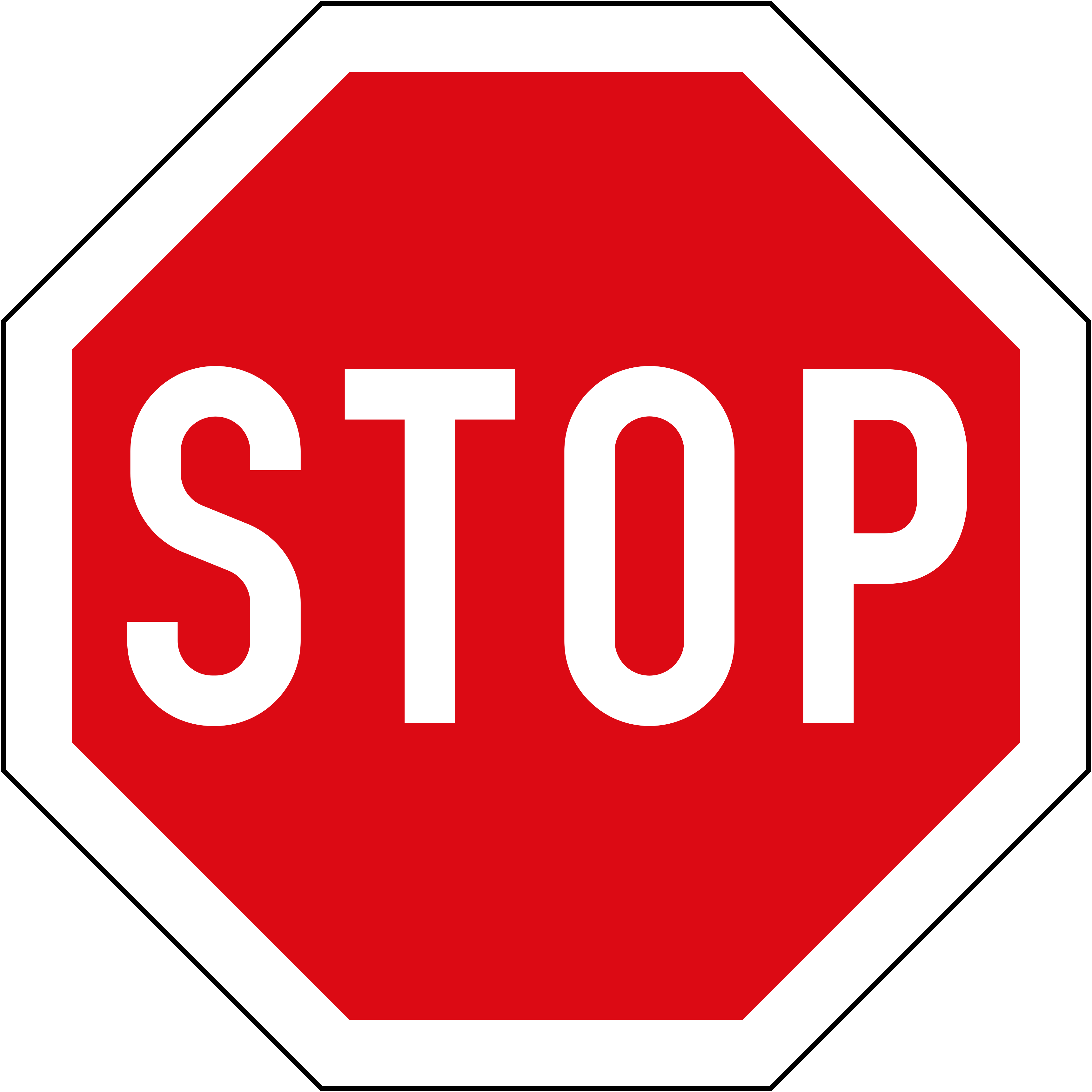
- AOctagonal (eight-sided)
- BCircular
- CTriangular
- DDiamond-shaped
Answer and explanation in the bank
- Q30Traffic rules
Under what conditions should you use front fog lights in Qatar?
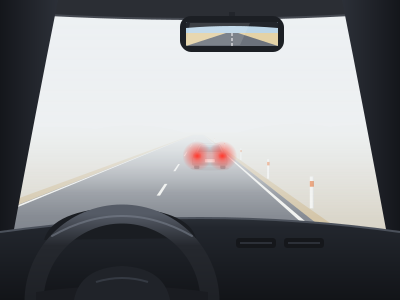
- AOnly in heavy rain, dense fog, or dust storms that significantly reduce visibility
- BWhenever you use high-beam headlights
- CDuring daytime to make your vehicle more visible to others
- DOnly on unlit desert roads regardless of conditions
Answer and explanation in the bank
- Q31Right of way
You are on a narrow road and meet an oncoming vehicle. There is a passing place on your left. What should you do?
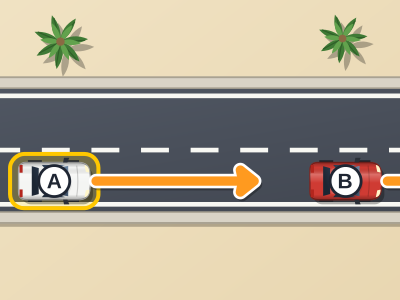
- APull into the passing place on your left to allow the oncoming vehicle to pass
- BContinue forward and expect the oncoming driver to reverse
- CThe vehicle going uphill always has priority on narrow roads
- DBoth vehicles should stop and wait for a third vehicle to clear the road
Answer and explanation in the bank
- Q32Safe driving
How should you correctly adjust your driving mirrors before starting a journey?
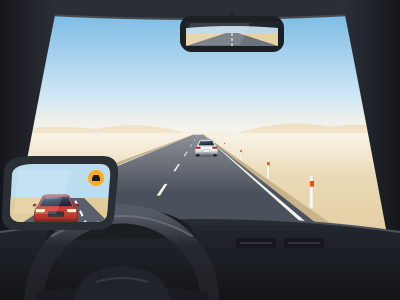
- AAdjust all mirrors so blind spots are minimised and you have a clear rear and side view
- BPoint the interior mirror upward to reduce glare from headlights at all times
- CAdjust only the interior mirror; exterior mirrors are set at the factory
- DSet the mirrors after reaching the first traffic signal
Answer and explanation in the bank
- Q33Penalties and fines
Why do many drivers in Qatar flash their headlights repeatedly on the motorway?
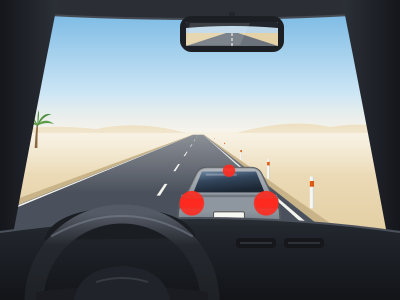
- ATo pressure the driver ahead to move out of the way, a form of tailgating that is illegal.
- BTo signal that the road ahead is clear.
- CTo communicate that their own vehicle has a fault.
- DFlashing headlights is an approved way to overtake in Qatar.
Answer and explanation in the bank
- Q34Motorcycle control
Why should you select a lower gear before overtaking on a fast road?
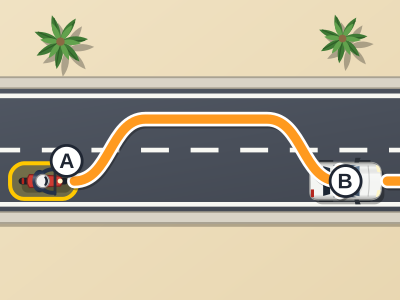
- AA lower gear puts the engine in a higher-revving, more responsive range so the throttle delivers strong acceleration immediately
- BA lower gear limits your top speed so you do not exceed the speed limit
- CA lower gear reduces fuel consumption during overtaking
- DA lower gear engages the rear brake automatically
Answer and explanation in the bank
- Q35Motorcycle safety
Why are painted road markings (white lines, arrows, pedestrian crossings) especially hazardous for motorcyclists in wet weather?
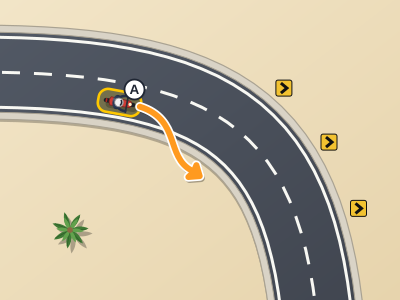
- APaint swells when wet, creating a raised ridge that can deflect the front wheel
- BPainted markings collect water and form puddles that hydroplane tyres
- CPaint has a much lower friction coefficient than tarmac when wet, and a tyre crossing a painted surface during braking or cornering can suddenly lose grip
- DPainted markings are only a hazard for wide car tyres, not narrow motorcycle tyres
Answer and explanation in the bank
- Q36Road signs and signals
What is the general shape of a warning sign in Qatar?
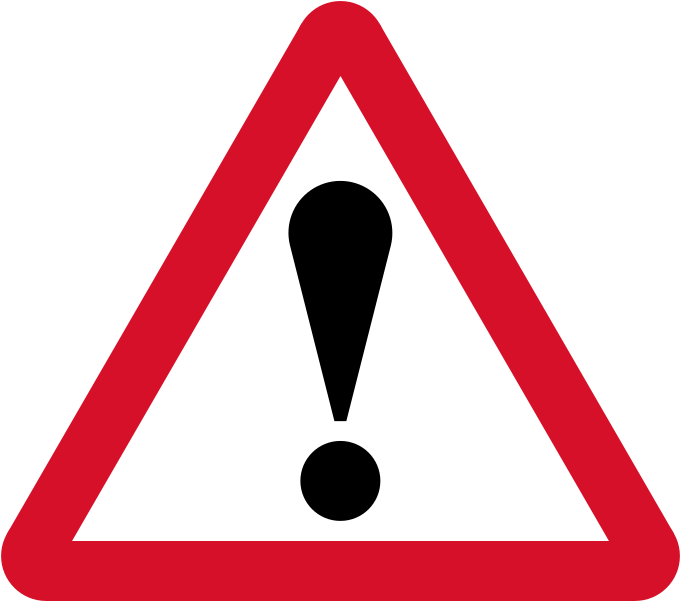
- AA red circle
- BA blue rectangle
- CA red-bordered equilateral triangle pointing upwards
- DA green rectangle
Answer and explanation in the bank
- Q37Traffic rules
Which of the following is a legal parking restriction in Qatar?
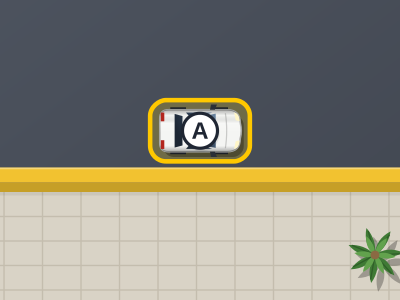
- AParking is allowed anywhere on a road shoulder for up to 30 minutes
- BParking is permitted on a pedestrian crossing if you leave hazard lights on
- CDouble parking is allowed at night when traffic is light
- DYou must not park within a specified distance of an intersection or junction
Answer and explanation in the bank
- Q38Right of way
A cyclist is travelling straight ahead through a junction. You want to turn left across their path. Who has right of way?
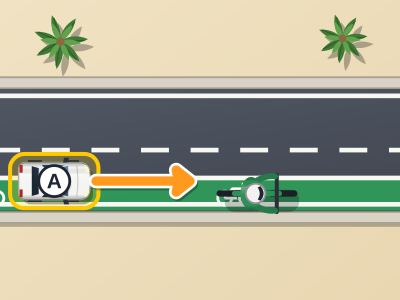
- AYou, because you are turning and already in the junction
- BThe cyclist going straight ahead
- CYou, because cyclists must use the designated cycle path
- DWhichever road user is moving faster
Answer and explanation in the bank
- Q39Safe driving
Which area around your vehicle represents the most dangerous blind spot when changing lanes on a motorway?
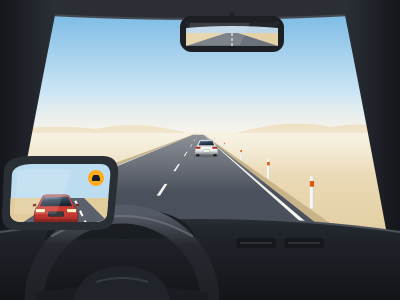
- ADirectly in front of the vehicle beyond the bonnet
- BDirectly behind the vehicle as seen in the interior mirror
- CThe zone diagonally behind each shoulder, not visible in door mirrors
- DThe area visible only when reversing
Answer and explanation in the bank
- Q40Penalties and fines
What must a driver do when a traffic signal turns red in Qatar?
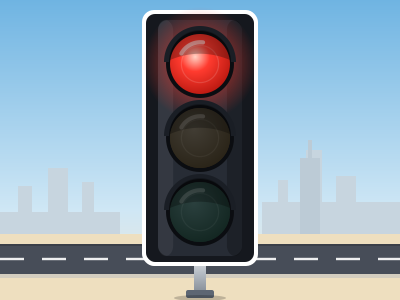
- AStop completely before the stop line and wait until the signal turns green.
- BSlow down and proceed only if no other vehicle is crossing.
- CStop only if a traffic officer is present.
- DContinue if you entered the intersection on amber.
Answer and explanation in the bank
Every answer above, with the rule it comes from, plus the full 40-question timed test.
Get the Qatar Driving Theory Online Practice Bank - QAR 39What this test covers
Topics include road signs, traffic signals, right of way, roundabouts, speed limits, seat belts, fines and penalties, and the safe-driving rules specific to your vehicle category. Full question-by-question feedback with explanations is shown immediately after you finish the test above.
Frequently asked questions
How many questions is the Al Wakrah General Directorate of Traffic motorcycle theory test?
The official General Directorate of Traffic motorcycle theory test in Al Wakrah has 40 questions and you need 37 correct (92.5%) to pass. This practice test has 40 questions.
Is this the real exam?
These are practice questions to help you revise, written to the published rules and to what candidates report from the real test. They are not the official Qatar exam and the real question bank, format, fees and pass mark are set by the General Directorate of Traffic (Ministry of Interior) and the driving schools, and can change. Always confirm the current requirements with your driving school or the traffic department (for example via the Metrash service).
Is this practice test free?
The first 10 questions are free, with no signup, and each shows the answer and the reason. The full 40-question test, timed, is in the Qatar Driving Theory Online Practice Bank (QAR 39, one payment), with every question in the bank.
What does the Al Wakrah motorcycle theory test cover?
Road signs, traffic signals, right of way, roundabouts, speed limits, seat belts, penalties and safe-driving rules, plus the handling and safety topics specific to your vehicle.