

Umm Salal General Directorate of Traffic Light vehicle
Practice mode· Right of way & safetyUmm Salal General Directorate of Traffic - Qatar Right of Way Practice Test
Tests your understanding of priority rules: unmarked junctions, roundabouts, emergency vehicles, merging lanes and more. Getting right of way right can prevent serious accidents.
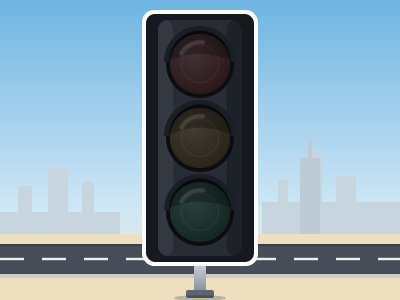
You reach a junction with traffic lights that have failed and are showing no signal. What should you do?
The other 12 questions in this test
Read them all. The answer and the reason for each, and the timed 22-question run, are in the Qatar Driving Theory Online Practice Bank.
- Q11Right of way
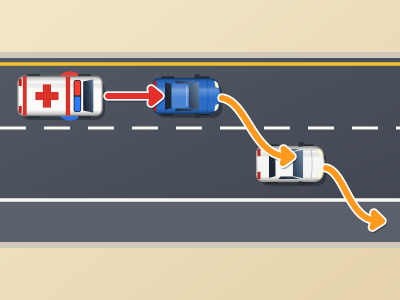
You are in a queue at traffic lights and the lights turn green but an ambulance is still clearing the junction. What do you do?
- AProceed immediately on the green light
- BWait until the ambulance has fully cleared the junction, then proceed on the green
- CSound your horn to alert the ambulance driver to speed up
- DMove forward slowly to fill the junction
Answer and explanation in the bank
- Q12Right of way
Which of the following correctly describes a Give Way sign in Qatar?
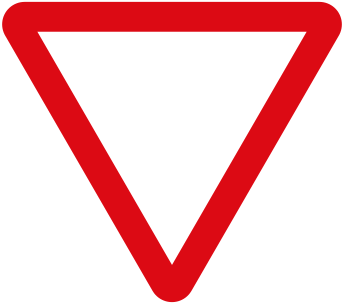
- AAn inverted (downward-pointing) triangle, usually red and white
- BA red octagon with white lettering
- CA yellow diamond with a black border
- DA blue circle with a white arrow
Answer and explanation in the bank
- Q13Right of way
You are in a car park and reversing out of a parking space. A pedestrian is walking across behind you. Who has priority?
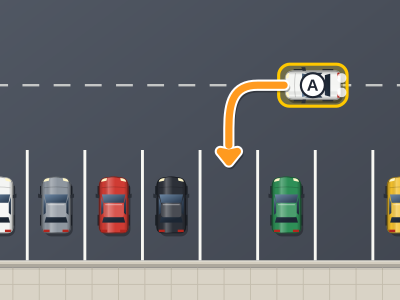
- AYou, because you have already started reversing
- BYou, because pedestrians should not walk in car parks
- CNeither; it depends on who was there first
- DThe pedestrian walking in the main car park aisle
Answer and explanation in the bank
- Q14Right of way
You are driving on a main road and a police vehicle directly ahead has its lights and sirens off but its amber emergency flashers on. What does this mean for right of way?
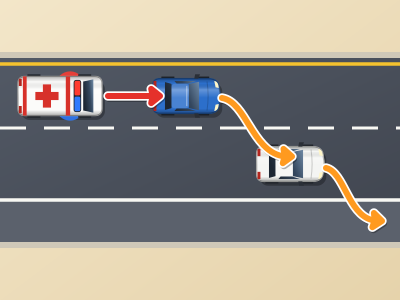
- AThe police vehicle is likely moving slowly or stationary; you should slow down and be prepared to stop, but full emergency right-of-way rules may not apply
- BFull emergency right-of-way applies; pull over immediately
- CAmber flashers have no meaning on police vehicles
- DOvertake the police vehicle at your normal speed
Answer and explanation in the bank
- Q15Right of way
You are waiting to turn right from a side street onto a busy main road. A driver on the main road flashes their headlights at you. What does this mean?
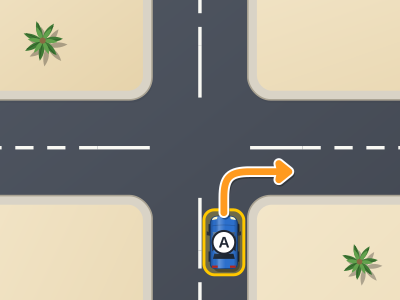
- AIt means you have been given legal right of way and must go
- BIt means stop and do not move
- CHeadlight flashing has no meaning in Qatar
- DIt may be an invitation to go, but you should only proceed when you are certain it is safe
Answer and explanation in the bank
- Q16Right of way
You are driving at night and see a pedestrian in dark clothing crossing the road outside a lit crossing area. What is your right-of-way responsibility?
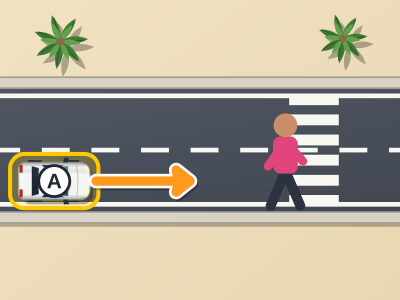
- AGive way to the pedestrian once you have seen them, even though they are not at a formal crossing
- BProceed at the speed limit; pedestrians outside crossings have no right of way
- CSound your horn and maintain speed
- DFlash your headlights and continue if the pedestrian steps back
Answer and explanation in the bank
- Q17Right of way
Three vehicles arrive simultaneously at a four-way STOP sign. Vehicle A faces north, Vehicle B faces east, Vehicle C faces south. All have stopped. In what order do they proceed, applying the give-way-to-the-right rule?
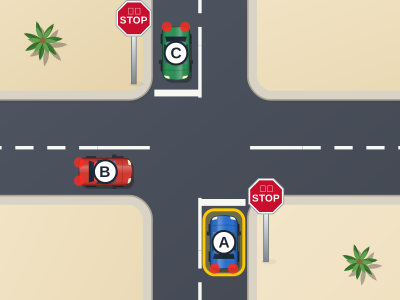
- AB (east) goes first as it has no vehicle to its right, then A or C next in sequence
- BC (south) goes first because A is to its right, then A (north), then B (east)
- CA (north) goes first because B is to its right, then B (east), then C (south)
- DAll three proceed together with caution
Answer and explanation in the bank
- Q18Right of way
You are driving on a main road past a school zone sign that shows reduced speed. A child near the pavement appears to be about to cross. What should you do?
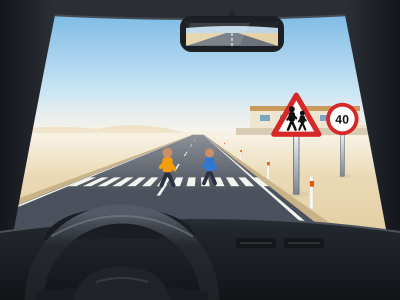
- ASound your horn and continue at the speed limit
- BSlow to the school zone speed limit and be ready to stop if the child steps out
- CFlash your lights to warn the child and proceed
- DMaintain speed; the child has not yet stepped into the road
Answer and explanation in the bank
- Q19Right of way
You are turning left at a junction. An oncoming vehicle is turning right from the opposite direction. Who must give way?
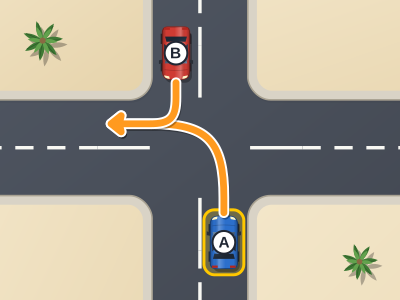
- AYou, because your left turn crosses the path of oncoming traffic
- BThe vehicle turning right, because it is turning across your lane
- CWhichever vehicle reached the junction second
- DThe smaller of the two vehicles
Answer and explanation in the bank
- Q20Right of way
A flashing red signal at a level crossing has been installed alongside a STOP sign. What must you do?
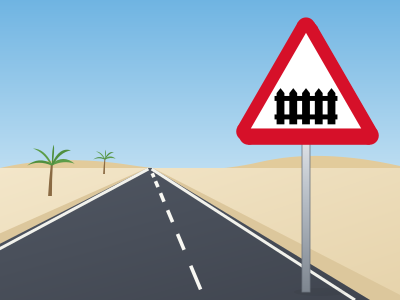
- ASlow to 20 km/h and cross quickly
- BStop only if you see a train
- CCross if no warning sound is heard
- DStop at the stop line and only proceed when the crossing is confirmed safe
Answer and explanation in the bank
- Q21Right of way
You are merging from an acceleration lane onto the highway. Traffic on the highway is heavy but moving. What is the correct technique?
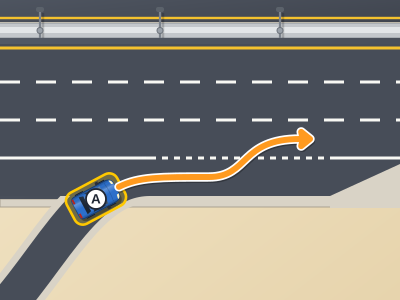
- AStop at the end of the acceleration lane and wait for a large gap
- BForce your way into the highway lane as you have been waiting longest
- CSlow down in the acceleration lane to create a gap behind highway traffic
- DAccelerate to match highway speed in the acceleration lane and merge smoothly into a gap
Answer and explanation in the bank
- Q22Right of way
A wide load vehicle is travelling slowly on a two-lane road with outriders in front signalling vehicles to hold back. What must you do?
- AOvertake the outrider to pass the slow convoy
- BSlow down and follow the outriders' instructions to give way to the convoy
- CSound your horn to signal the convoy to speed up
- DTreat the outriders as ordinary drivers with no authority
Answer and explanation in the bank
Every answer above, with the rule it comes from, plus the full 22-question timed test.
Get the Qatar Driving Theory Online Practice Bank - QAR 39What this test covers
Topics include road signs, traffic signals, right of way, roundabouts, speed limits, seat belts, fines and penalties, and the safe-driving rules specific to your vehicle category. Full question-by-question feedback with explanations is shown immediately after you finish the test above.
Frequently asked questions
How many questions is the Umm Salal General Directorate of Traffic light vehicle theory test?
The official General Directorate of Traffic light vehicle theory test in Umm Salal has 40 questions and you need 37 correct (92.5%) to pass. This practice test has 22 questions.
Is this the real exam?
These are practice questions to help you revise, written to the published rules and to what candidates report from the real test. They are not the official Qatar exam and the real question bank, format, fees and pass mark are set by the General Directorate of Traffic (Ministry of Interior) and the driving schools, and can change. Always confirm the current requirements with your driving school or the traffic department (for example via the Metrash service).
Is this practice test free?
The first 10 questions are free, with no signup, and each shows the answer and the reason. The full 22-question test, timed, is in the Qatar Driving Theory Online Practice Bank (QAR 39, one payment), with every question in the bank.
What does the Umm Salal light vehicle theory test cover?
Road signs, traffic signals, right of way, roundabouts, speed limits, seat belts, penalties and safe-driving rules, plus the handling and safety topics specific to your vehicle.