

Ajman Traffic Motorcycle
Timed mock exam· Full mock examsAjman Traffic - UAE Motorcycle Theory Mock Test 3
Third full motorcycle mock exam and a great final readiness check before your real bike theory test. Another distinct set of 30 timed questions.
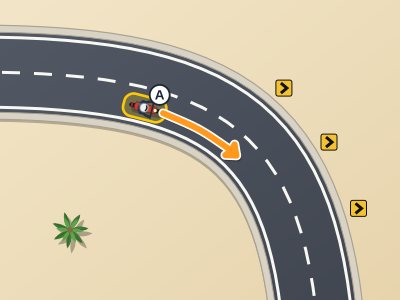
A rider applies the front brake sharply while cornering on dry tarmac. What is the most likely outcome?
The other 30 questions in this test
Read them all. The answer and the reason for each, and the timed 40-question run, are in the Ajman Traffic Theory Test Questions PDF.
- Q11Safe driving
You experience a sudden front-tyre blowout at highway speed. What is the correct immediate response?
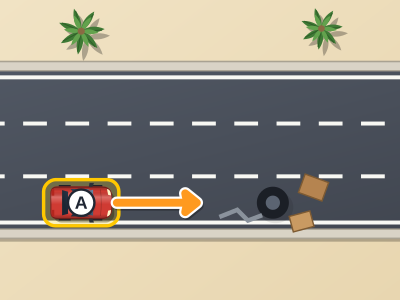
- ABrake hard immediately and steer sharply off the road
- BAccelerate briefly to regain control
- CRelease the steering wheel to prevent overcorrection
- DHold the steering firmly, ease off the accelerator gently, and let the car slow before steering to safety
Answer and explanation in the bank
- Q12Motorcycle control
On a left-hand bend on a single-carriageway road, where should you position your motorcycle as you approach?
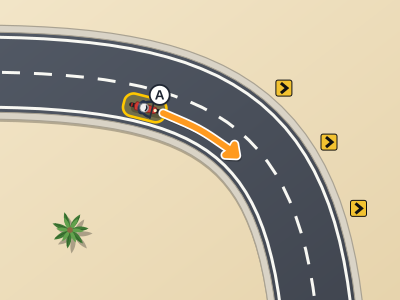
- AToward the left of your lane, as close to the kerb as possible
- BToward the right of your lane to increase your view into the bend and lengthen the corner arc
- CStraddling the centre white line for the widest arc
- DThere is no recommended position; ride wherever feels most comfortable
Answer and explanation in the bank
- Q13Motorcycle safety
What is the minimum following distance each rider should maintain from the rider directly in front in a staggered group?
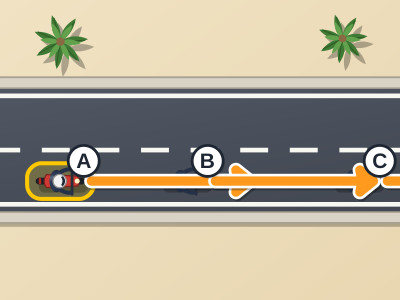
- AHalf a second to keep the group as tight and compact as possible
- BA two-second gap to the rider directly in front in the same lane position
- CA fixed five metres regardless of speed
- DThe group leader manages spacing and individual riders need not worry about it
Answer and explanation in the bank
- Q14Road signs and signals
Which type of sign tells you about a hazard rather than giving an order?
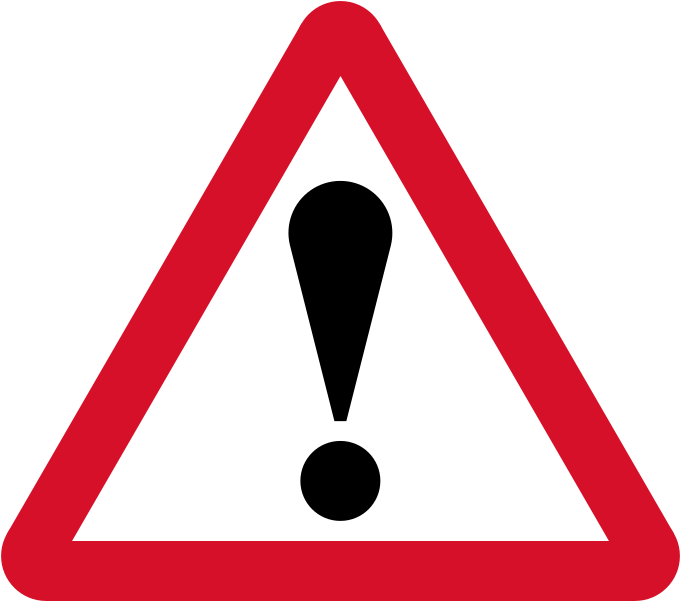
- AA red-bordered triangle
- BA red circle with a bar
- CA blue circle
- DA red octagon
Answer and explanation in the bank
- Q15Traffic rules
You are on a motorway and realise you are about to miss your exit. What should you do?
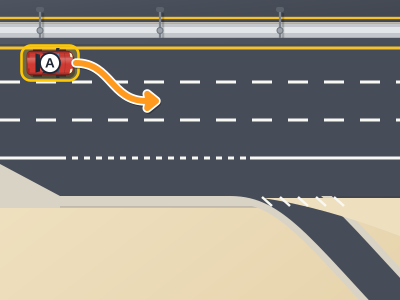
- AReverse along the hard shoulder to reach the slip road
- BStop and wait for a gap to cross back
- CContinue to the next exit and turn around safely; do not reverse or stop
- DMake a sudden swerve across all lanes to the exit
Answer and explanation in the bank
- Q16Right of way
You are approaching a zebra crossing and the vehicle in the lane next to yours has stopped. What should you do?
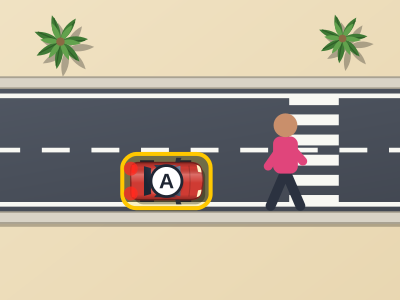
- AContinue at normal speed because the other lane is clear
- BSound your horn to warn anyone crossing
- COvertake the stopped vehicle at the crossing
- DSlow down or stop, because a pedestrian is likely crossing and you may not see them
Answer and explanation in the bank
- Q17Penalties and fines
A camera records a car at a very high speed far above the limit. Besides a fine and black points, what else can happen?
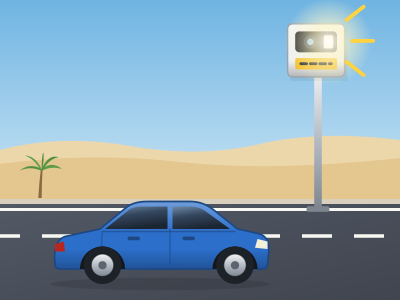
- AThe speed limit is raised for that road
- BThe vehicle can be impounded for a set period for extreme speeding
- CThe driver receives a cash reward for a fast time
- DNothing further ever happens for speed alone
Answer and explanation in the bank
- Q18Safe driving
A rear-tyre blowout causes the car to pull to one side. What should you avoid doing?
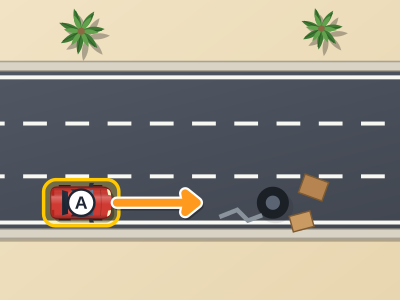
- ABrake as hard as possible immediately
- BSteer sharply away from the blow-out side
- CPut the car in reverse to slow down
- DAvoid braking hard or making sudden steering corrections
Answer and explanation in the bank
- Q19Motorcycle control
You notice a sudden strong vibration through the handlebars while riding at 100 km/h. What is the most likely cause requiring an immediate stop?
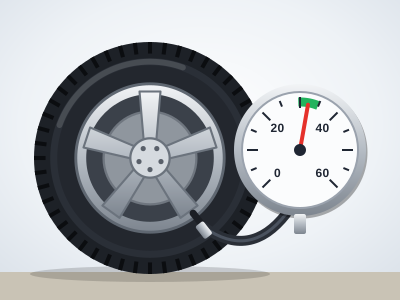
- AThe engine running lean due to a clogged air filter
- BThe mirrors vibrating at their resonant frequency at that speed
- CA front tyre that has developed a puncture, bulge, or significant imbalance
- DThe front suspension compressing due to a slight headwind
Answer and explanation in the bank
- Q20Motorcycle safety
During a group ride, the lead rider suddenly brakes hard for a hazard. What should the following riders do?
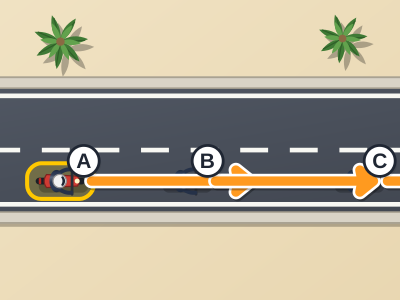
- AWait to see if the lead rider actually stops before deciding whether to brake
- BSwerve onto the hard shoulder as a coordinated group
- CEach rider brakes for themselves immediately and independently, without waiting to follow the movement of the rider ahead
- DAccelerate to separate from the group and find open space ahead
Answer and explanation in the bank
- Q21Road signs and signals
You see a No Parking and a No Stopping sign side by side in your mind. Which is more restrictive?
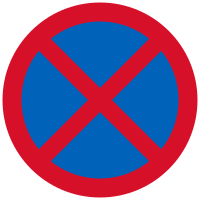
- ANo Parking, because you cannot slow down
- BThey allow exactly the same thing
- CNo Stopping lets you park for a short time
- DNo Stopping, because you cannot even pause there
Answer and explanation in the bank
- Q22Traffic rules
What is the correct action when you want to turn left at a junction (into a road on your left)?
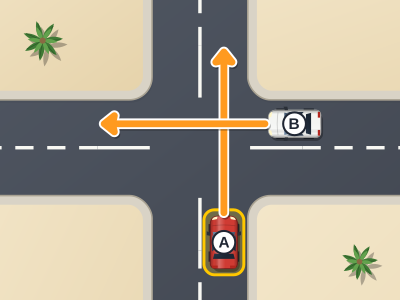
- ASignal left in good time, move to the correct lane, and give way to pedestrians and oncoming traffic as required
- BSwing wide to the right first, then cut left
- CTurn without signalling if the road looks empty
- DCross from the far right lane at the last moment
Answer and explanation in the bank
- Q23Right of way
A cyclist is pushing their bike across a zebra crossing. Do they have the same right of way as a pedestrian?
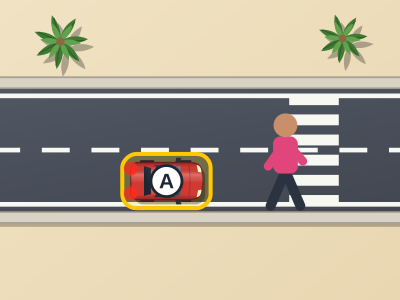
- ANo, cyclists must always dismount and wait for a signal
- BYes, a cyclist on foot pushing their bike across is treated like a pedestrian and you must give way
- CNo, only walking pedestrians have right of way at zebra crossings
- DOnly if the cyclist is wearing a helmet
Answer and explanation in the bank
- Q24Penalties and fines
Your car breaks down on a fast road. When is it acceptable to use the hard shoulder?
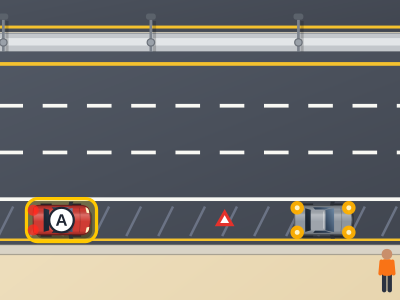
- AAny time traffic is slow
- BOnly in a genuine emergency or breakdown, not to bypass or overtake traffic
- CWhenever you are running late
- DOnly to overtake slower cars
Answer and explanation in the bank
- Q25Safe driving
What does an Anti-lock Braking System (ABS) actually do for a driver?
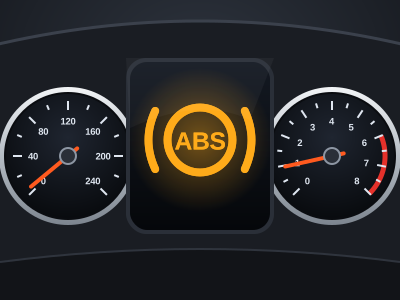
- AIt prevents the wheels from locking so you can still steer while braking hard
- BIt completely removes the need for a following distance
- CIt makes the car stop in a shorter distance than is physically possible
- DIt automatically steers the car away from hazards
Answer and explanation in the bank
- Q26Motorcycle control
A rider at 70 km/h sees a pothole directly ahead and wants to swerve right. Which sequence is correct?
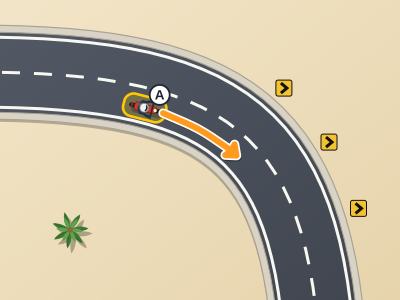
- APull the left bar and lean the body left to swing the bike right
- BPush right bar to initiate right lean and swerve, then push left bar to return the bike to upright
- CApply front brake and steer right simultaneously
- DSqueeze the clutch and steer right with body weight alone
Answer and explanation in the bank
- Q27Motorcycle safety
In UAE summer conditions, why is dehydration a particular hazard for motorcyclists?
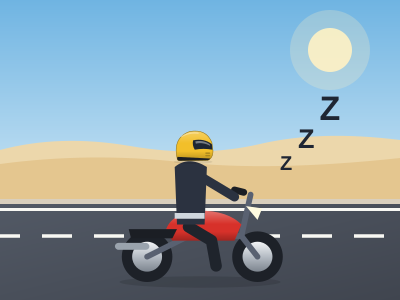
- AHeat and wind cause rapid fluid loss, which impairs concentration, reaction time, and decision-making
- BDehydration only affects physical strength and does not impact riding ability
- CModern motorcycle gear prevents dehydration by trapping body moisture
- DDehydration only becomes dangerous after twelve hours of continuous riding
Answer and explanation in the bank
- Q28Road signs and signals
What is the general purpose of road signs?
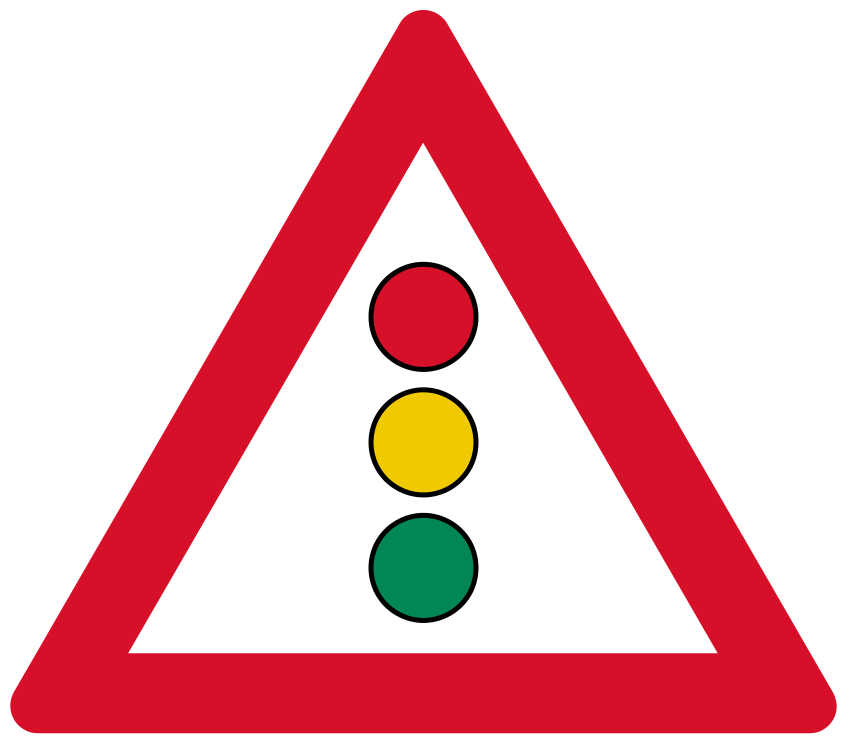
- ATo warn, inform and instruct road users for safety
- BTo advertise nearby businesses
- CTo decorate the roadside
- DTo mark private property only
Answer and explanation in the bank
- Q29Traffic rules
What should you do as you leave a roundabout?
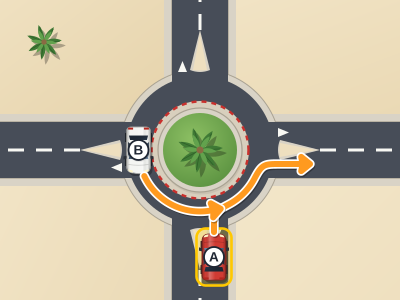
- AStop on the roundabout to check your exit
- BSignal right as you leave
- CSignal left, check your mirrors and the lane you are moving into, then exit smoothly
- DCut across other lanes without signalling
Answer and explanation in the bank
- Q30Right of way
At a signalled intersection you have a green arrow filter signal pointing right. Pedestrians on the road you are turning into are also showing a green walking man. Who yields?
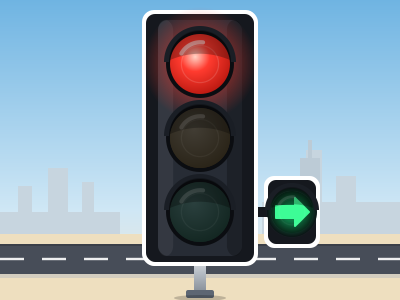
- AYou must yield to the pedestrians even though you have a green filter arrow
- BThe filter arrow gives you full priority over pedestrians
- CPedestrians must wait because vehicles have a dedicated signal
- DBoth have equal priority and must negotiate
Answer and explanation in the bank
- Q31Penalties and fines
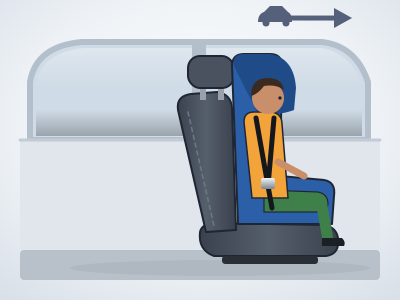
Why is a child car seat required rather than just an adult seatbelt for a small child?
- AChild seats are only a comfort item with no safety value
- BAdult belts always protect children equally well
- CChildren never need any restraint under age ten
- DAn adult belt does not fit a small child safely, and not using a proper restraint is an offence with a fine
Answer and explanation in the bank
- Q32Safe driving
When your car has ABS and you need to brake in an emergency, how should you apply the pedal?
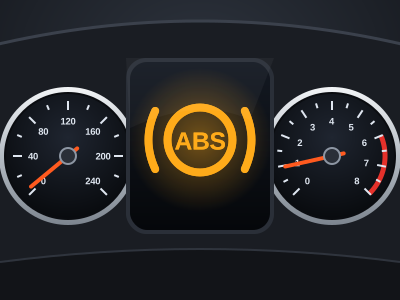
- APress firmly and hold; let the system manage wheel lock-up
- BPump the pedal rapidly yourself to avoid lock-up
- CTap the pedal gently to avoid triggering the ABS
- DPress then immediately release and press again
Answer and explanation in the bank
- Q33Motorcycle control
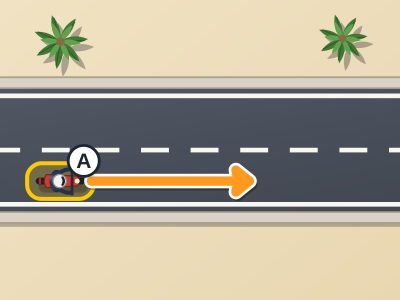
What is clutch drag, and why is it dangerous?
- AThe clutch lever requires too much force to pull in fully
- BThe clutch fails to fully disengage when the lever is pulled, causing the bike to creep forward in gear
- CThe rear wheel locks briefly during a downshift
- DThe throttle sticks in a partly open position
Answer and explanation in the bank
- Q34Motorcycle safety
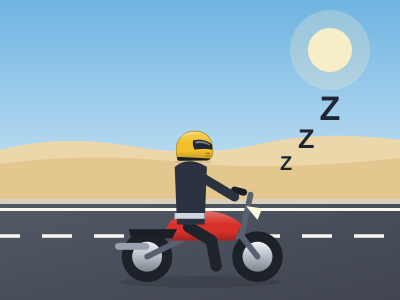
How often should a motorcyclist take a break on a long UAE desert highway journey?
- AOnly when the fuel tank is running low
- BEvery five hours is sufficient for an experienced rider
- CBreaks are only necessary at night because daytime alertness is self-sustaining
- DAt least every two hours, or sooner if feeling tired, drowsy, or thirsty
Answer and explanation in the bank
- Q35Road signs and signals
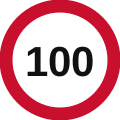
A speed-limit sign shows the maximum allowed. What should you also remember about driving up to that limit?
- AYou must always drive at exactly the limit
- BYou must still adjust to conditions and may need to drive slower than the limit
- CThe limit does not apply in rain
- DYou can exceed it if traffic is light
Answer and explanation in the bank
- Q36Traffic rules
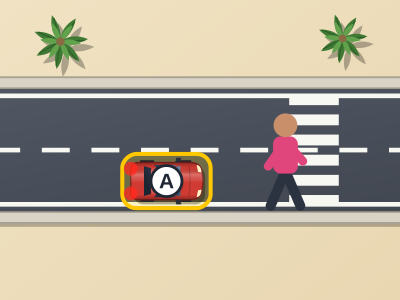
A pedestrian has started to cross at a zebra or marked crossing as you approach. What must you do?
- ADrive around them if there is room
- BStop and allow them to finish crossing before you continue
- CEdge forward to hurry them along
- DContinue at speed as you have priority
Answer and explanation in the bank
- Q37Right of way
You are waiting to turn left at a signalled junction on a plain green light. Oncoming vehicles are going straight. When may you complete your left turn?
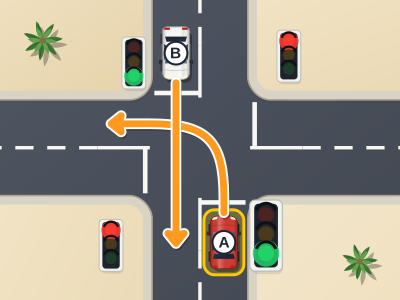
- AOnly after all oncoming vehicles travelling straight have passed
- BImmediately because the green light gives you full priority
- CAs soon as the oncoming car flashes its headlights
- DWhenever you decide there is a small enough gap
Answer and explanation in the bank
- Q38Penalties and fines
A speed camera flashes as you pass slightly over the limit. What is the most accurate expectation?
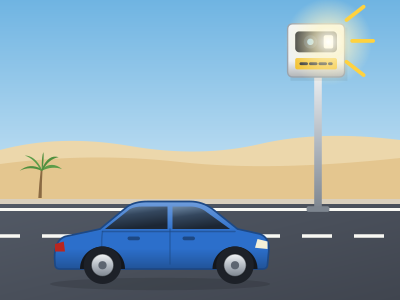
- AThe flash is only a friendly reminder with no penalty
- BOnly the passenger is fined
- CA fine, and possibly black points, may be issued to the registered owner
- DThe fine is cancelled if you drive faster next time
Answer and explanation in the bank
- Q39Safe driving
What is the main purpose of a convex (curved outward) exterior mirror?
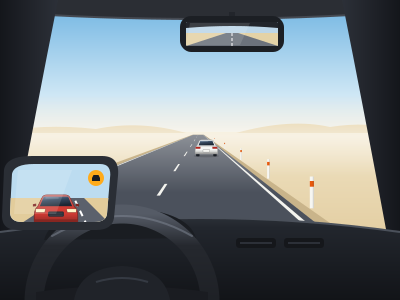
- AIt shows objects at exactly their true distance
- BIt eliminates all blind spots completely
- CIt is purely decorative and has no safety function
- DIt gives a wider field of view but makes vehicles appear further away than they are
Answer and explanation in the bank
- Q40Motorcycle control
You have stopped on a downhill gradient. When moving off, what additional consideration applies compared to a flat road?
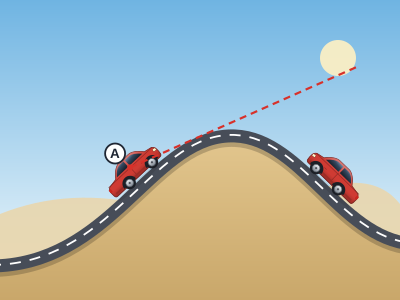
- ALittle throttle may be needed and the main risk is gaining speed too quickly once rolling
- BStart in a higher gear to reduce the risk of acceleration
- CBoth feet must stay on the footpegs from the moment the bike begins moving
- DEngine braking is not effective on a downhill, so brakes alone should be used
Answer and explanation in the bank
Every answer above, with the rule it comes from, plus the full 40-question timed test.
Get the Ajman Traffic Theory Test Questions - AED 29What this test covers
Topics include road signs, traffic signals, right of way, roundabouts, speed limits, seat belts, fines and penalties, and the safe-driving rules specific to your vehicle category. Full question-by-question feedback with explanations is shown immediately after you finish the test above.
Frequently asked questions
How many questions is the Ajman Traffic motorcycle theory test?
The official Ajman Traffic motorcycle theory test in Ajman has 40 questions and you need 30 correct (75%) to pass. This practice test has 40 questions.
Is this the real exam?
These are practice questions for study only, written from the public RTA handbook and UAE traffic rules and to what candidates report from the real test. They are not the official exam questions and Wathim is not affiliated with the RTA, ITC, SRTA or any UAE government body. Test format, question count and pass mark can change and vary by emirate, so always confirm the current requirements with the licensing authority before your real test.
Is this practice test free?
The first 10 questions are free, with no signup, and each shows the answer and the reason. The full 40-question test, timed, is in the Ajman Traffic Theory Test Questions PDF (AED 29, one payment), with every question in the bank.
What does the Ajman motorcycle theory test cover?
Road signs, traffic signals, right of way, roundabouts, speed limits, seat belts, penalties and safe-driving rules, plus the handling and safety topics specific to your vehicle.