

Ajman Traffic Motorcycle
Practice mode· Motorcycle skillsAjman Traffic - UAE Motorcycle Control Practice Test
Focused practice on motorcycle handling: balance, braking, cornering, gear use, positioning and low-speed control. Build the machine skills the theory test expects.
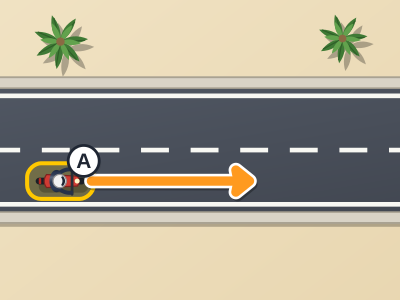
What is the most effective technique for maintaining balance at very low speeds on a motorcycle?
The other 10 questions in this test
Read them all. The answer and the reason for each, and the timed 20-question run, are in the Ajman Traffic Theory Test Questions PDF.
- Q11Motorcycle control
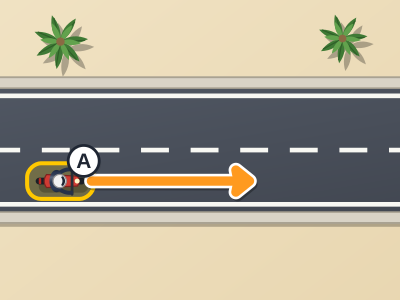
When should a rider change into a lower gear while riding on a UAE expressway?
- ANever; expressway riding should always use the highest available gear
- BOnly when an engine warning light appears
- CWhen outside temperature exceeds 40 degrees Celsius
- DWhen approaching a hazard or junction requiring more power or engine braking
Answer and explanation in the bank
- Q12Motorcycle control
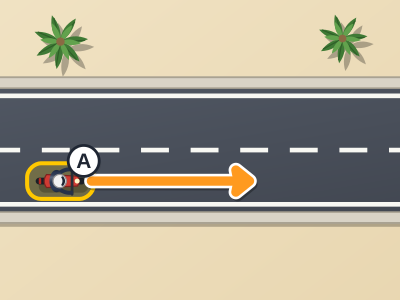
You are riding through heavy urban traffic with frequent stops. Which gear approach is most appropriate?
- AStay in 4th or 5th gear to reduce fuel consumption in traffic
- BUse neutral between each slow section to rest the clutch
- CUse the highest gear possible and rely only on the brakes to manage speed
- DStay in lower gears (1st to 3rd) for responsive acceleration and smooth stops
Answer and explanation in the bank
- Q13Motorcycle control
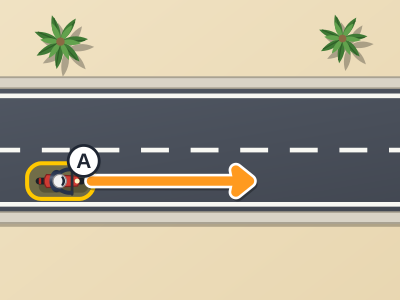
Why do motorcycle instructors advise riders to keep their elbows slightly bent and relaxed on the handlebars?
- ARelaxed arms absorb road vibrations and allow the bike to self-correct without feeding wobbles back to the rider
- BBent elbows increase leverage for quicker steering inputs
- CStraight arms provide better balance at low speed
- DIt is a comfort preference only and has no effect on control
Answer and explanation in the bank
- Q14Motorcycle control
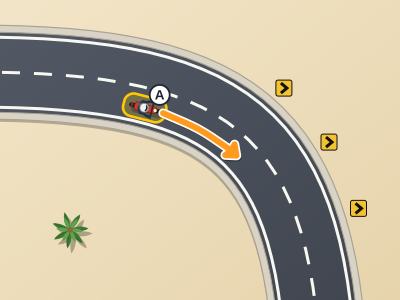
On a left-hand bend on a single-carriageway road, where should you position your motorcycle as you approach?
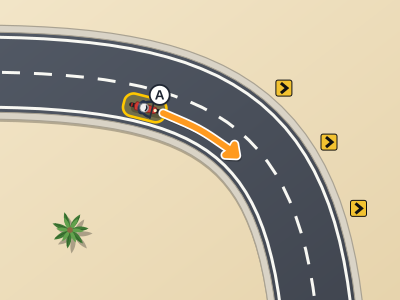
- AToward the left of your lane, as close to the kerb as possible
- BToward the right of your lane to increase your view into the bend and lengthen the corner arc
- CStraddling the centre white line for the widest arc
- DThere is no recommended position; ride wherever feels most comfortable
Answer and explanation in the bank
- Q15Motorcycle control
You notice a sudden strong vibration through the handlebars while riding at 100 km/h. What is the most likely cause requiring an immediate stop?
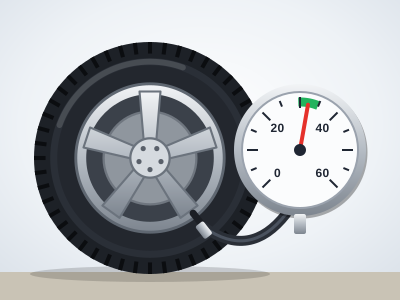
- AThe engine running lean due to a clogged air filter
- BThe mirrors vibrating at their resonant frequency at that speed
- CA front tyre that has developed a puncture, bulge, or significant imbalance
- DThe front suspension compressing due to a slight headwind
Answer and explanation in the bank
- Q16Motorcycle control
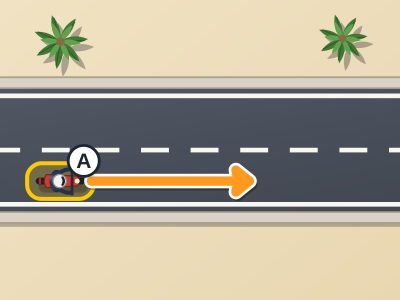
A rider at 70 km/h sees a pothole directly ahead and wants to swerve right. Which sequence is correct?
- APull the left bar and lean the body left to swing the bike right
- BPush right bar to initiate right lean and swerve, then push left bar to return the bike to upright
- CApply front brake and steer right simultaneously
- DSqueeze the clutch and steer right with body weight alone
Answer and explanation in the bank
- Q17Motorcycle control
What is clutch drag, and why is it dangerous?
- AThe clutch lever requires too much force to pull in fully
- BThe clutch fails to fully disengage when the lever is pulled, causing the bike to creep forward in gear
- CThe rear wheel locks briefly during a downshift
- DThe throttle sticks in a partly open position
Answer and explanation in the bank
- Q18Motorcycle control
You have stopped on a downhill gradient. When moving off, what additional consideration applies compared to a flat road?
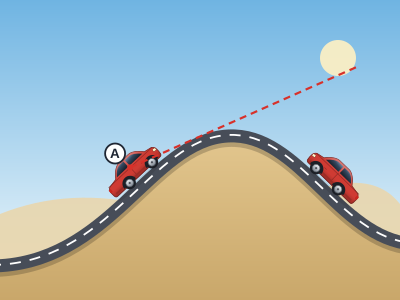
- ALittle throttle may be needed and the main risk is gaining speed too quickly once rolling
- BStart in a higher gear to reduce the risk of acceleration
- CBoth feet must stay on the footpegs from the moment the bike begins moving
- DEngine braking is not effective on a downhill, so brakes alone should be used
Answer and explanation in the bank
- Q19Motorcycle control
You are about to overtake on a UAE dual carriageway. Why should you select a lower gear before starting the overtake?
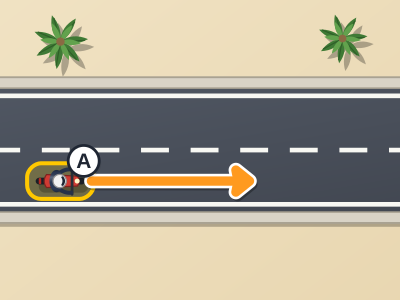
- AA lower gear places the engine in its power band, giving immediate strong acceleration for the manoeuvre
- BA lower gear reduces the top speed so you do not accidentally exceed the limit
- CA lower gear increases the wheelbase of the motorcycle for added stability
- DA lower gear reduces fuel consumption during the overtake
Answer and explanation in the bank
- Q20Motorcycle control
A rider practises riding in a straight line as slowly as possible. Which technique best describes the correct approach?
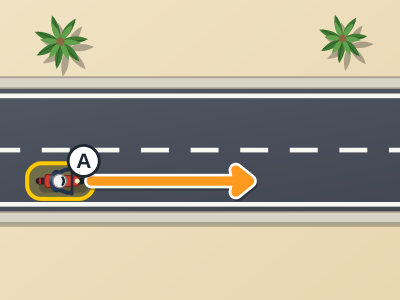
- AMake small, frequent steering corrections, look well ahead, and use the rear brake lightly to stabilise speed
- BLock the handlebars straight and balance entirely with body weight shifts
- CUse the front brake in short pulses to maintain the slowest possible speed
- DDab the left foot on the ground intermittently to reset balance
Answer and explanation in the bank
Every answer above, with the rule it comes from, plus the full 20-question timed test.
Get the Ajman Traffic Theory Test Questions - AED 15What this test covers
Topics include road signs, traffic signals, right of way, roundabouts, speed limits, seat belts, fines and penalties, and the safe-driving rules specific to your vehicle category. Full question-by-question feedback with explanations is shown immediately after you finish the test above.
Frequently asked questions
How many questions is the Ajman Traffic motorcycle theory test?
The official Ajman Traffic motorcycle theory test in Ajman has 40 questions and you need 30 correct (75%) to pass. This practice test has 20 questions.
Is this the real exam?
These are practice questions for study only, written from the public RTA handbook and UAE traffic rules and to what candidates report from the real test. They are not the official exam questions and Wathim is not affiliated with the RTA, ITC, SRTA or any UAE government body. Test format, question count and pass mark can change and vary by emirate, so always confirm the current requirements with the licensing authority before your real test.
Is this practice test free?
The first 10 questions are free, with no signup, and each shows the answer and the reason. The full 20-question test, timed, is in the Ajman Traffic Theory Test Questions PDF (AED 15, one payment), with every question in the bank.
What does the Ajman motorcycle theory test cover?
Road signs, traffic signals, right of way, roundabouts, speed limits, seat belts, penalties and safe-driving rules, plus the handling and safety topics specific to your vehicle.