

Dubai RTA Light vehicle
Practice mode· Fines & penaltiesDubai RTA - UAE Fines & Black Points Test 1
First 20 questions on UAE traffic fines and the black-points system. Know the consequences of common offences - speeding, tailgating, illegal parking and more.
What is the UAE's legal blood-alcohol limit for driving?
The other 10 questions in this test
Read them all. The answer and the reason for each, and the timed 20-question run, are in the Dubai RTA Theory Test Questions PDF.
- Q11Penalties and fines
How is jumping (running) a red light treated under UAE traffic rules?
- AAs a minor mistake with no penalty
- BAs a serious offence carrying a heavy fine, black points and possible vehicle impounding
- CAs acceptable if no other cars are around
- DAs an offence only for heavy vehicles
Answer and explanation in the bank
- Q12Penalties and fines
What is required before you may legally drive a car on UAE roads?
- AA valid driving licence and valid vehicle insurance
- BOnly a valid licence; insurance is optional
- COnly insurance; the licence is optional
- DNeither, as long as you drive carefully
Answer and explanation in the bank
- Q13Penalties and fines
A person drives a car that has never been registered or whose registration has expired. What is the correct statement?
- AIt is an offence that can carry a fine, black points and impounding of the vehicle
- BRegistration is a formality with no penalty
- COnly new cars need registration
- DRegistration only matters when selling the car
Answer and explanation in the bank
- Q14Penalties and fines
Which statement about the consequences of speeding in the UAE is correct?
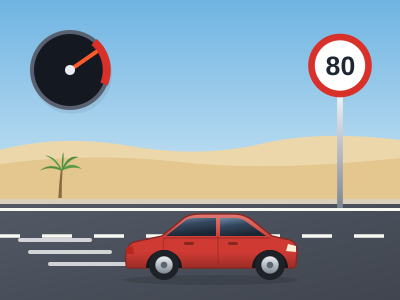
- ASpeeding is only penalised inside cities
- BThere is never any penalty if you stay within 40 km/h over the limit
- CSpeeding can bring fines, black points and, for extreme cases, vehicle impounding
- DSpeeding fines are the same fixed amount for everyone
Answer and explanation in the bank
- Q15Penalties and fines
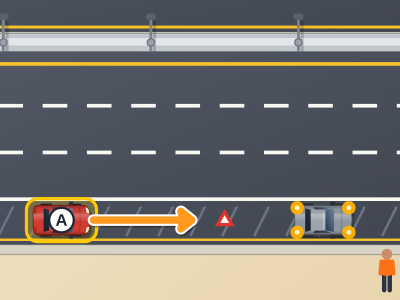
You drive along the hard shoulder to get past slow traffic. What is the correct statement?
- AIt is allowed whenever traffic is heavy
- BIt is allowed if you keep your speed low
- CIt is only an offence for trucks
- DDriving on the hard shoulder is an offence carrying a fine and black points, as it is for emergencies only
Answer and explanation in the bank
- Q16Penalties and fines
How should a young child be carried in a car in the UAE?
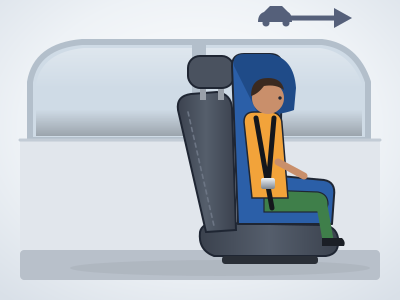
- AIn an approved child seat or restraint suitable for their age and size
- BOn an adult's lap in the front seat
- CStanding between the front seats
- DAnywhere, as long as the car is not on a highway
Answer and explanation in the bank
- Q17Penalties and fines
A driver overtakes another car by moving onto the hard shoulder. What is the correct statement?
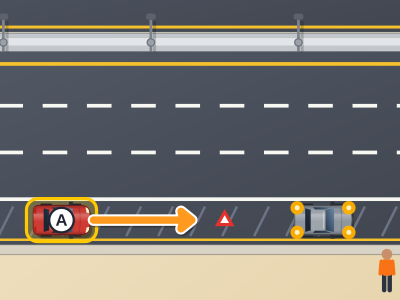
- AOvertaking on the hard shoulder is a dangerous offence that typically carries a fine and black points
- BIt is a safe and accepted way to overtake
- CIt is allowed if the driver signals first
- DIt is only banned at night
Answer and explanation in the bank
- Q18Penalties and fines
What is the main purpose of radar and speed cameras on UAE roads?
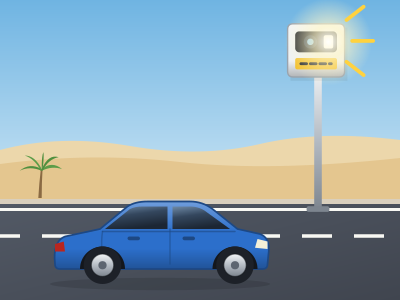
- ATo count how many cars use the road for planning only
- BTo detect and record speeding and some other violations so penalties can be issued
- CTo take tourist photos of drivers
- DTo measure the temperature of the road surface
Answer and explanation in the bank
- Q19Penalties and fines
What should you do if your driving licence has expired?
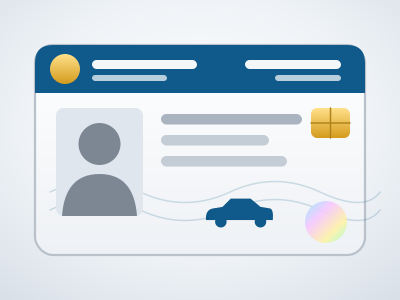
- AKeep driving; an expired licence is still fully valid
- BDrive only at night until you renew it
- CIgnore it unless the police stop you
- DRenew it before driving, because driving on an expired licence is an offence
Answer and explanation in the bank
- Q20Penalties and fines
An ambulance with lights and sirens is approaching from behind. What must you do?
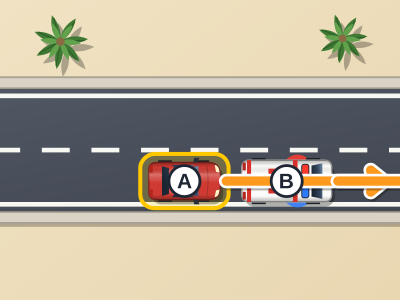
- AKeep your position and speed so you do not confuse the driver
- BGive way safely and let it pass, because failing to give way to an emergency vehicle is an offence
- CSpeed up to stay ahead of it
- DStop instantly in your lane wherever you are
Answer and explanation in the bank
Every answer above, with the rule it comes from, plus the full 20-question timed test.
Get the Dubai RTA Theory Test Questions - AED 29What this test covers
Topics include road signs, traffic signals, right of way, roundabouts, speed limits, seat belts, fines and penalties, and the safe-driving rules specific to your vehicle category. Full question-by-question feedback with explanations is shown immediately after you finish the test above.
Frequently asked questions
How many questions is the Dubai RTA light vehicle theory test?
The official RTA light vehicle theory test in Dubai has 40 questions and you need 30 correct (75%) to pass. This practice test has 20 questions.
Is this the real exam?
These are practice questions for study only, written from the public RTA handbook and UAE traffic rules and to what candidates report from the real test. They are not the official exam questions and Wathim is not affiliated with the RTA, ITC, SRTA or any UAE government body. Test format, question count and pass mark can change and vary by emirate, so always confirm the current requirements with the licensing authority before your real test.
Is this practice test free?
The first 10 questions are free, with no signup, and each shows the answer and the reason. The full 20-question test, timed, is in the Dubai RTA Theory Test Questions PDF (AED 29, one payment), with every question in the bank.
What does the Dubai light vehicle theory test cover?
Road signs, traffic signals, right of way, roundabouts, speed limits, seat belts, penalties and safe-driving rules, plus the handling and safety topics specific to your vehicle.