

Dubai RTA Light vehicle
Practice mode· Right of way & safetyDubai RTA - UAE Safe Driving Practice Test
Covers defensive driving, following distances, fatigue, visibility, adverse weather and hazard awareness. Safe driving habits save lives and keep your licence clean.
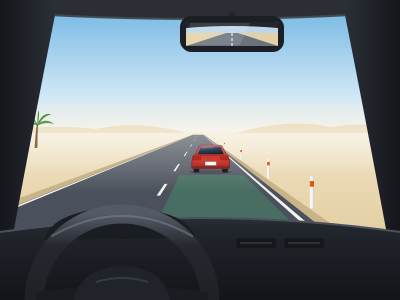
How do you check that you are keeping a two-second gap?
The other 12 questions in this test
Read them all. The answer and the reason for each, and the timed 22-question run, are in the Dubai RTA Theory Test Questions PDF.
- Q11Safe driving
When driving at night, how should you adjust your driving compared with daytime?

- ADrive faster because roads are quieter
- BReduce speed and increase following distance because visibility is lower
- CUse full beam at all times, even behind other cars
- DFollow closely to use the car ahead's lights
Answer and explanation in the bank
- Q12Safe driving
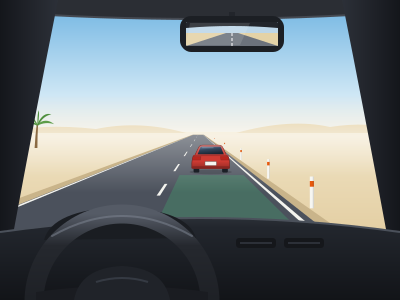
What best describes defensive driving?
- ADriving as fast as the traffic allows
- BAnticipating hazards and keeping space so you can react to others' mistakes
- CAssuming every other driver will always do the right thing
- DReacting only after a hazard has become an emergency
Answer and explanation in the bank
- Q13Safe driving
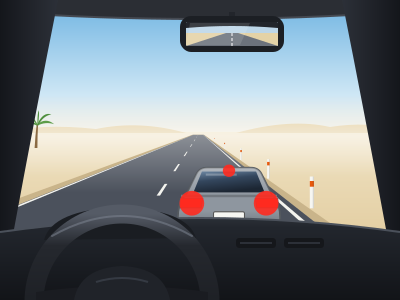
Another driver is tailgating you closely. What is the safest way to respond?
- ABrake sharply to warn them off
- BSpeed up well beyond the limit to lose them
- CStay calm, keep a steady speed, and increase your own gap to the car ahead
- DTailgate the car in front of you in return
Answer and explanation in the bank
- Q14Safe driving
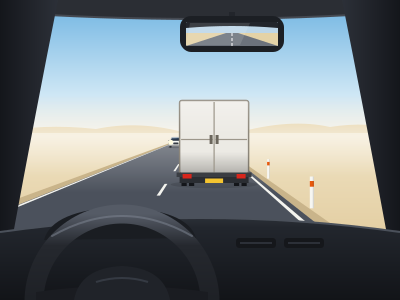
Before overtaking on a two-way road, what gap and view do you need?
- AJust enough room to squeeze back in front quickly
- BAny gap, as long as you flash your lights first
- CA long clear view ahead and enough space to pass and return without cutting in
- DOnly a clear view behind you
Answer and explanation in the bank
- Q15Safe driving
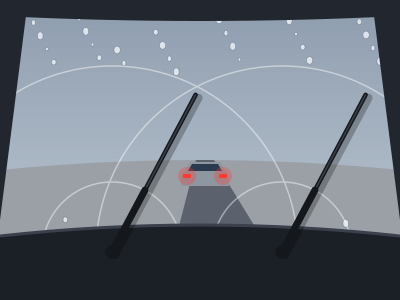
Why is it important to keep your windscreen and mirrors clean, especially in the UAE?
- AIt only affects the look of the car
- BClean glass makes the car go faster
- CDust and glare can reduce visibility, and clean glass helps you see hazards clearly
- DIt has no effect on safety
Answer and explanation in the bank
- Q16Safe driving
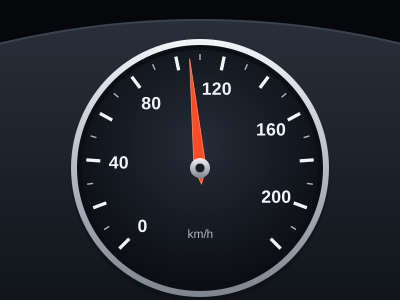
How should you choose your speed on a road?
- AAlways drive at the maximum limit regardless of conditions
- BDrive at a speed suited to the conditions, within the posted limit
- CMatch the fastest vehicle on the road
- DDrive as slowly as possible everywhere
Answer and explanation in the bank
- Q17Safe driving
On a long drive in hot UAE weather, why does staying hydrated matter for safety?

- AIt has no effect on how you drive
- BIt only matters for passengers, not the driver
- CDrinking water makes you drive faster
- DDehydration can reduce concentration and increase fatigue, affecting your driving
Answer and explanation in the bank
- Q18Safe driving
The road ahead is wet after rain and you notice reduced grip. How should you brake and steer?
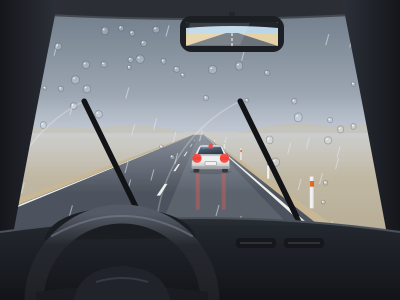
- ABrake gently and early, steer smoothly, and avoid sudden inputs
- BBrake as hard and late as possible
- CSteer sharply to test the grip
- DKeep the same dry-road habits without change
Answer and explanation in the bank
- Q19Safe driving
Why should you regularly check that your brakes are working properly?
- ABrakes only matter at very high speeds
- BReliable brakes are essential to stop safely and within a safe distance
- CBrake checks are only needed once in the car's life
- DWorking brakes have no effect on stopping distance
Answer and explanation in the bank
- Q20Safe driving
Approaching thick fog on the road, which lights are usually most appropriate?
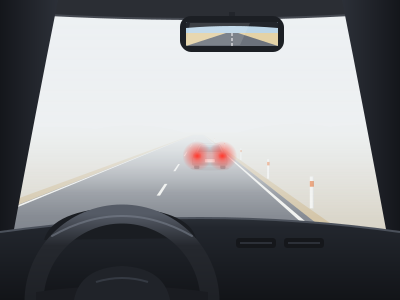
- ADipped headlights and fog lights if fitted, not full beam
- BFull beam headlights to see further
- CNo lights at all to avoid reflection
- DHazard lights while driving normally
Answer and explanation in the bank
- Q21Safe driving
Why are large vehicles like trucks and buses a special blind-spot concern?
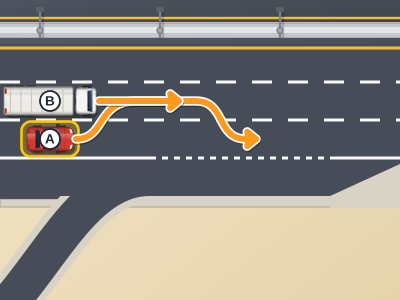
- AThey have large blind spots, so if you cannot see their mirrors they may not see you
- BThey can always see every vehicle around them
- CThey have no blind spots at all
- DTheir blind spots only exist when reversing
Answer and explanation in the bank
- Q22Safe driving
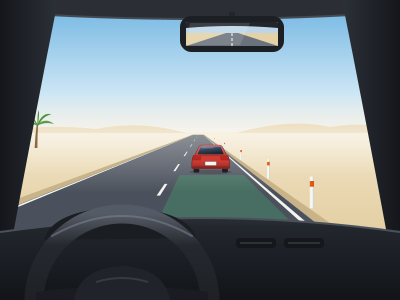
You want to keep a safe following distance but the road is busy and others keep cutting into your gap. What should you do?
- AClose the gap so no one can move in
- BEase off gently to rebuild the gap rather than tailgate
- CBrake hard each time someone cuts in
- DGive up on keeping any gap at all
Answer and explanation in the bank
Every answer above, with the rule it comes from, plus the full 22-question timed test.
Get the Dubai RTA Theory Test Questions - AED 15What this test covers
Topics include road signs, traffic signals, right of way, roundabouts, speed limits, seat belts, fines and penalties, and the safe-driving rules specific to your vehicle category. Full question-by-question feedback with explanations is shown immediately after you finish the test above.
Frequently asked questions
How many questions is the Dubai RTA light vehicle theory test?
The official RTA light vehicle theory test in Dubai has 40 questions and you need 30 correct (75%) to pass. This practice test has 22 questions.
Is this the real exam?
These are practice questions for study only, written from the public RTA handbook and UAE traffic rules and to what candidates report from the real test. They are not the official exam questions and Wathim is not affiliated with the RTA, ITC, SRTA or any UAE government body. Test format, question count and pass mark can change and vary by emirate, so always confirm the current requirements with the licensing authority before your real test.
Is this practice test free?
The first 10 questions are free, with no signup, and each shows the answer and the reason. The full 22-question test, timed, is in the Dubai RTA Theory Test Questions PDF (AED 15, one payment), with every question in the bank.
What does the Dubai light vehicle theory test cover?
Road signs, traffic signals, right of way, roundabouts, speed limits, seat belts, penalties and safe-driving rules, plus the handling and safety topics specific to your vehicle.