

Umm Al Quwain UAQ Traffic Motorcycle
Timed mock exam· Full mock examsUmm Al Quwain UAQ Traffic - UAE Motorcycle Theory Mock Test 1
A full 40-question timed practice exam for the UAE motorcycle (bike) theory test. Covers shared road rules and signs plus motorcycle-specific control and safety. Aim for 30/40 (75%) to pass.
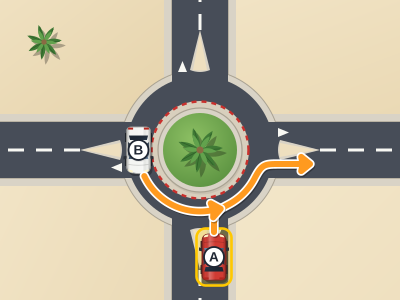
How should you signal your intended exit at a roundabout?
The other 30 questions in this test
Read them all. The answer and the reason for each, and the timed 40-question run, are in the UAQ Traffic Theory Test Questions PDF.
- Q11Right of way
You are on a slip lane that runs alongside a main road and then merges back into it. Who gives way?
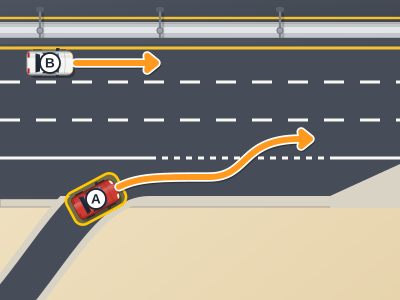
- AThe vehicle in the slip lane gives way to traffic already in the main carriageway
- BMain-road traffic must always slow for vehicles joining from a slip lane
- CBoth vehicles have equal priority and must slow together
- DThe vehicle travelling faster has priority
Answer and explanation in the bank
- Q12Penalties and fines
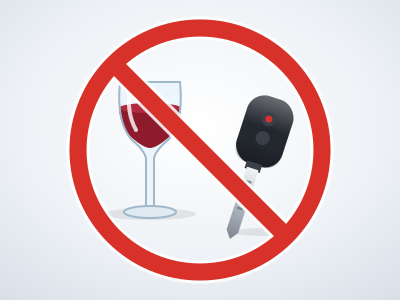
Which combination of penalties can apply together for a single very serious offence such as drink-driving?
- AOnly one small fine, never anything else
- BA licence upgrade and a warning
- CFine, black points, vehicle confiscation, jail and, for residents, possible deportation
- DFree insurance for a year
Answer and explanation in the bank
- Q13Safe driving
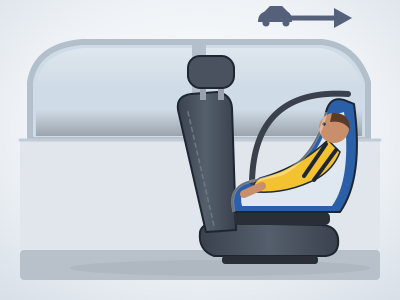
At what age-related size threshold should a child generally move from a rear-facing infant seat to a forward-facing child seat?
- AAt exactly six months old, regardless of size
- BAs soon as the child can sit unaided
- CWhen the child exceeds the weight or height limit of their current rear-facing seat
- DAt their first birthday without considering weight
Answer and explanation in the bank
- Q14Motorcycle control
A rider practises riding in a straight line as slowly as possible. Which technique best describes the correct approach?
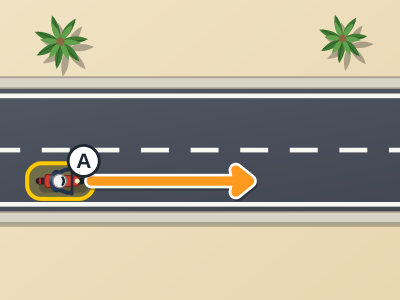
- AMake small, frequent steering corrections, look well ahead, and use the rear brake lightly to stabilise speed
- BLock the handlebars straight and balance entirely with body weight shifts
- CUse the front brake in short pulses to maintain the slowest possible speed
- DDab the left foot on the ground intermittently to reset balance
Answer and explanation in the bank
- Q15Motorcycle safety
You are riding and notice gravel scattered across a bend in the road. What is the safest response?
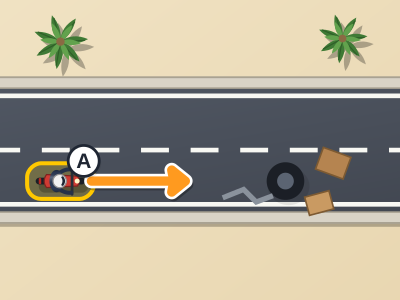
- AAccelerate through the gravel to cross it as quickly as possible
- BApply the front brake hard to stop before reaching the gravel
- CLean the bike as normal and trust the tyre tread to grip the gravel
- DSlow down before the bend, stay as upright as possible, and do not brake or accelerate sharply while on the gravel
Answer and explanation in the bank
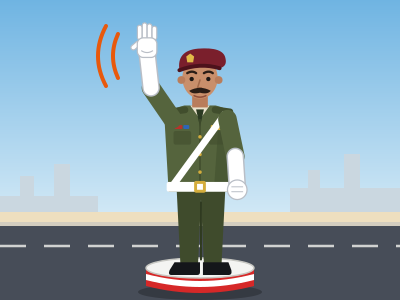
- Q16Road signs and signals
Signs, road markings and traffic-light signals sometimes appear together. Which should you obey?
- AOnly the road markings
- BOnly the traffic lights
- CFollow all of them, and obey a police officer's directions above everything
- DWhichever is easiest to follow
Answer and explanation in the bank
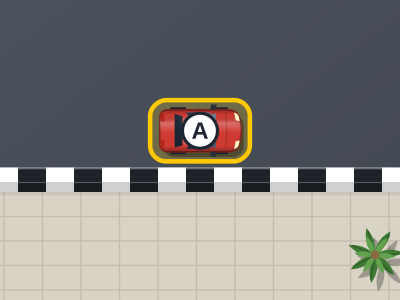
- Q17Traffic rules
What should you check before opening your car door after parking at the roadside?
- ANothing, since other road users must avoid your door
- BOnly whether your mirror is folded
- CLook for approaching traffic, cyclists and pedestrians so you do not open into their path
- DOnly the weather outside
Answer and explanation in the bank
- Q18Right of way
You are about to use a dedicated left-turn filter lane at a large intersection where the filter has its own green arrow. Pedestrians are crossing the road you are turning into and have a green man. What do you do?
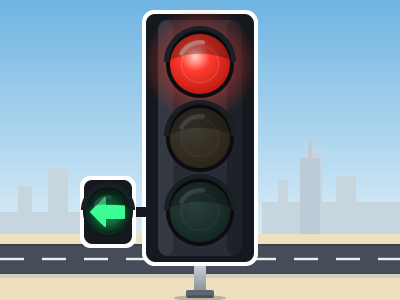
- ATurn immediately because the green arrow overrides pedestrians
- BSound the horn and proceed slowly
- CFlash your lights to warn them and turn
- DWait for the pedestrians to clear before turning, even with the green arrow
Answer and explanation in the bank
- Q19Penalties and fines
A driver weaves rapidly between lanes at high speed without signalling. How is this best described?
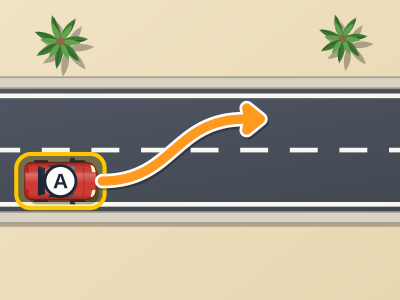
- ASkilled, efficient driving that is rewarded
- BAllowed as long as the driver is confident
- CA minor lane-discipline issue with no penalty
- DReckless driving, a serious offence with heavy fines, high black points and possible impounding
Answer and explanation in the bank
- Q20Safe driving
Where should a child seat generally NOT be placed in a vehicle?
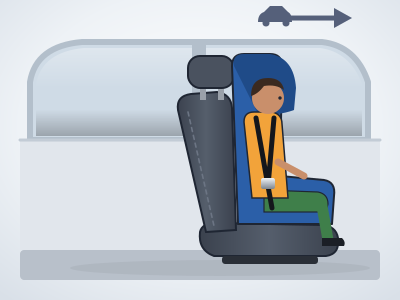
- AIn the centre of the rear seat
- BBehind the driver on the rear seat
- CSecured with the vehicle seat belt as instructed
- DIn front of an active front passenger airbag
Answer and explanation in the bank
- Q21Road signs and signals
You see a blue circular sign showing a circular arrow. What does this mandatory roundabout sign tell you to do?
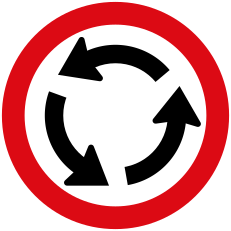
- AFollow the roundabout direction by keeping to the left of the central island
- BStop and wait for all traffic to clear before entering
- CDrive straight through the central island if the road is clear
- DExit at the first available road regardless of your destination
Answer and explanation in the bank
- Q22Traffic rules
When approaching a roundabout, at what point should you begin to slow down?
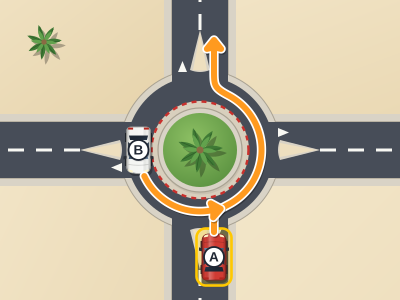
- AOnly once you are already on the roundabout
- BOn the approach, so you can assess traffic and give way without stopping abruptly
- CThere is no need to slow down at all
- DOnly if you can see a police patrol
Answer and explanation in the bank
- Q23Right of way
Two lanes on a motorway merge into one due to roadworks. Traffic in the right lane is flowing and traffic in the left lane must merge. Who has priority at the merge point?
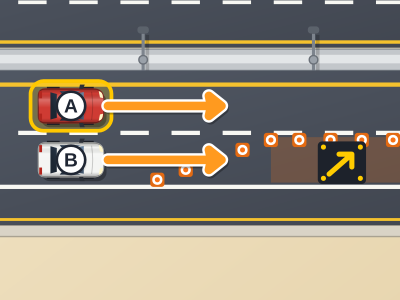
- AThe left lane has priority because drivers there reached the merge zone first
- BThe vehicle with the higher speed has priority
- CAll traffic must stop until a police officer directs
- DTraffic in the continuing right lane generally has priority, but a cooperative zip is safest
Answer and explanation in the bank
- Q24Penalties and fines
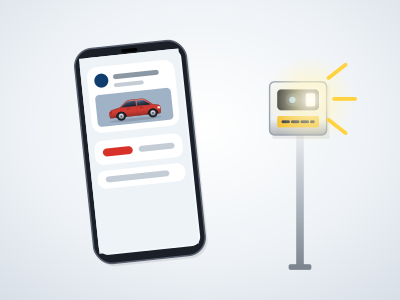
Where can you check the fines and black points recorded against your licence and vehicle?
- AOnly by visiting a court
- BOn the official police or RTA apps and websites, such as the MOI UAE app
- CFrom other drivers on social media
- DYou cannot see them until your licence is renewed
Answer and explanation in the bank
- Q25Safe driving
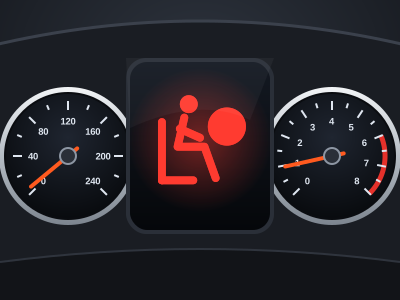
In a collision, what condition can make a driver-side airbag dangerous rather than protective?
- AWearing a seat belt alongside the airbag
- BHaving a properly adjusted head restraint
- CSitting too close to the steering wheel so the deploying bag strikes you with too much force
- DDriving at a speed above 80 km/h
Answer and explanation in the bank
- Q26Road signs and signals
At this sign you must stop completely. A driver who slows right down without fully stopping is:

- AActing correctly if the road appears clear
- BAllowed to do so at night only
- CCorrect if they give way before moving off
- DCommitting an offence, as a rolling stop is not permitted
Answer and explanation in the bank
- Q27Traffic rules
What is the safe way to overtake a slower vehicle on a single-carriageway road?
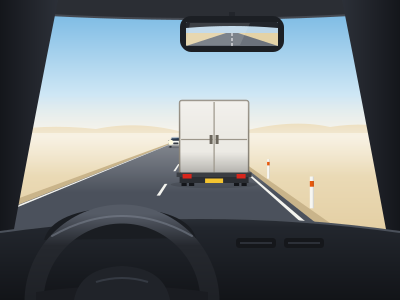
- AOvertake on a blind bend if you are in a hurry
- BOnly overtake when you can clearly see the road ahead is clear, then pass quickly and return to your side
- CStay alongside the other vehicle for as long as possible
- DOvertake using the opposite lane whenever it is empty of markings
Answer and explanation in the bank
- Q28Right of way
You are in a long queue in one lane and a driver from an adjacent closing lane wants to zip-merge in front of you. What is the correct response?
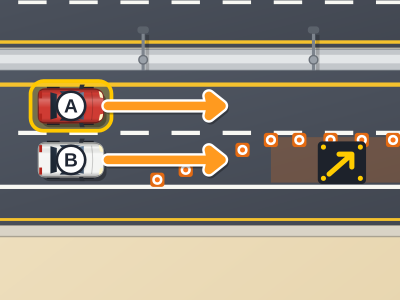
- AClose the gap and prevent them from entering to defend your position
- BSpeed up so they cannot merge
- CLeave a gap and let one vehicle from the closing lane merge in turn
- DSound the horn repeatedly to tell them to wait
Answer and explanation in the bank
- Q29Penalties and fines
A police or civil-defence vehicle with sirens is stuck behind traffic at a junction. What is expected of nearby drivers?
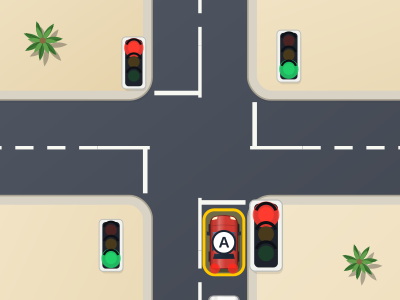
- AStay completely still and block the road
- BRace ahead through the red light to clear space
- CMake way safely where possible, because obstructing or failing to give way to emergency vehicles is an offence
- DIgnore it, since only ambulances have priority
Answer and explanation in the bank
- Q30Safe driving
Which early warning sign indicates you are becoming dangerously fatigued behind the wheel?
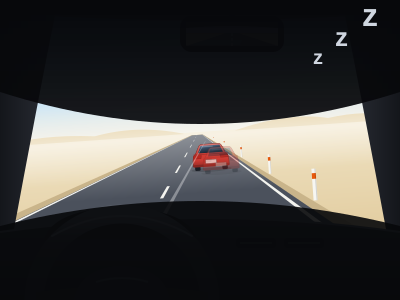
- AYou feel slightly warm but fully alert
- BYour passenger falls asleep
- CYou notice your head nodding, difficulty keeping your eyes open, or lane drifting
- DThe radio signal becomes weak
Answer and explanation in the bank
- Q31Road signs and signals
You are entering a residential area and see this sign. Which statement is correct?
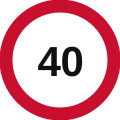
- AYou must drive at exactly 40 km/h
- BThe limit of 40 km/h applies only to heavy vehicles
- CThe 40 km/h limit is advisory during the day only
- DYou must not exceed 40 km/h from this point
Answer and explanation in the bank
- Q32Traffic rules
You are in the right-hand lane and need to take an exit on the right, but a driver is undertaking you on the hard shoulder. What does this tell you about their behaviour?
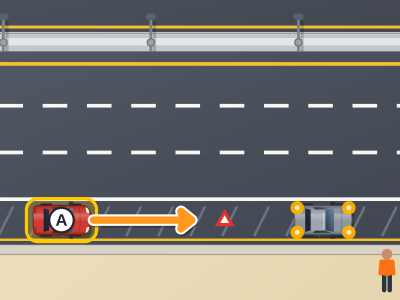
- AThey are correct, and you should move over for them
- BThe hard shoulder is a normal extra lane in heavy traffic
- CIt is fine as long as they signal
- DThey are driving unlawfully; the hard shoulder is not a driving or overtaking lane
Answer and explanation in the bank
- Q33Right of way
You are driving toward a stopped school bus with flashing amber and red warning lights on an undivided two-lane road. What must you do?
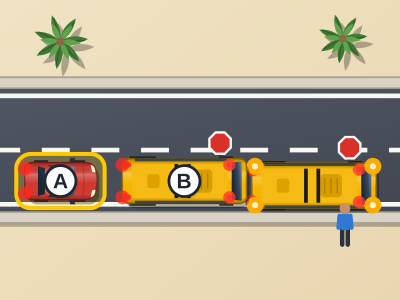
- ADrive past slowly because you are approaching from the front, not behind
- BOvertake on the right-hand side carefully
- CProceed at walking pace and watch for children
- DStop and wait until the flashing lights are off and it is clearly safe to proceed
Answer and explanation in the bank
- Q34Penalties and fines
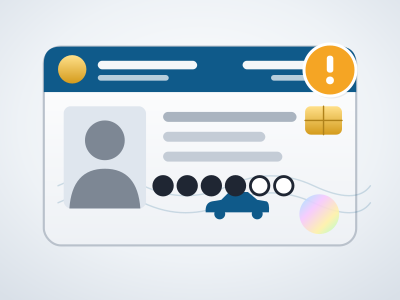
How can accumulating black points affect a driver over time, even without a single very serious offence?
- ASmall offences never combine and can be ignored
- BPoints only matter for one offence at a time
- CSeveral smaller offences can add up to a total that leads to licence suspension
- DPoints reduce your fines automatically
Answer and explanation in the bank
- Q35Safe driving
How often should you ideally take a break on a long motorway drive to manage fatigue?
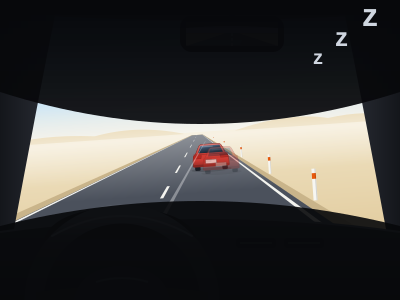
- AOnly when you reach your destination
- BOnce every six hours is sufficient
- CBreaks are only needed at night
- DApproximately every two hours or 200 km, whichever comes first
Answer and explanation in the bank
- Q36Road signs and signals
This sign is shown as you approach a junction. Are you allowed to go straight on, even though the sign forbids one direction?
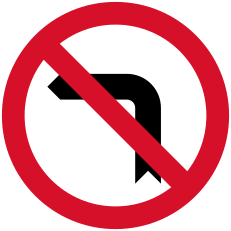
- ANo, you must stop and wait for a police officer
- BNo, the junction is closed to all traffic
- COnly if you signal left first
- DYes, going straight on or turning right is still permitted if not otherwise signed
Answer and explanation in the bank
- Q37Traffic rules
What is the purpose of keeping a safe following distance behind the vehicle ahead?
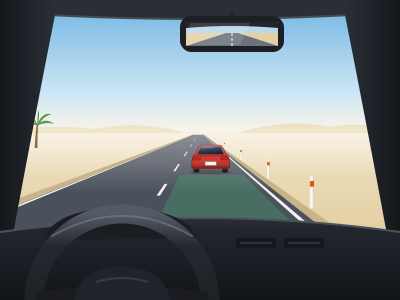
- ATo make it easier to read the other car's number plate
- BTo give yourself time and space to stop or react if the vehicle in front slows or stops
- CTo let other cars cut in front of you
- DIt has no real safety purpose
Answer and explanation in the bank
- Q38Right of way
A school bus on the opposite side of a divided highway with a solid central barrier has stopped with flashing warning lights. What must drivers on your side do?
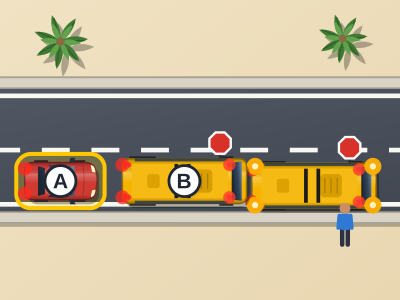
- AStop completely on your side because school-bus rules apply to all directions
- BContinue driving normally, as the solid barrier separates your carriageway from the bus
- CSlow to 20 km/h until past the bus
- DMove to the rightmost lane and stop there
Answer and explanation in the bank
- Q39Penalties and fines
A car has tinted windows or lighting modifications that do not meet approval standards. What is the correct statement?
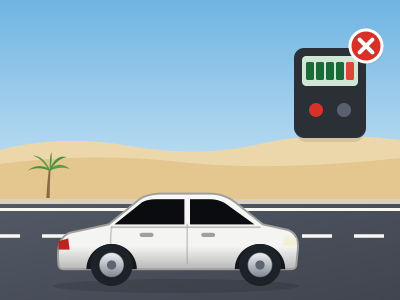
- AAny modification is always allowed with no consequence
- BModifications only matter for commercial vehicles
- CApproval standards do not exist in the UAE
- DNon-approved modifications can be an offence carrying a fine and may fail inspection
Answer and explanation in the bank
- Q40Safe driving
Visibility drops to almost zero in dense fog. You cannot safely reach the next junction. What should you do?
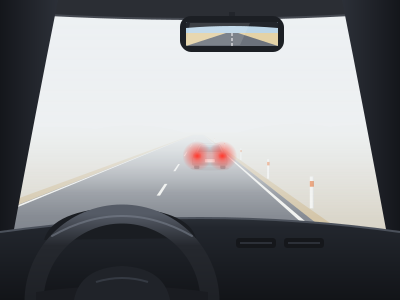
- AStop on the hard shoulder with no lights on
- BIndicate, move fully off the carriageway to a safe place, switch on hazard lights and wait
- CContinue slowly on the carriageway with hazard lights on
- DDo a U-turn on the motorway to escape the fog
Answer and explanation in the bank
Every answer above, with the rule it comes from, plus the full 40-question timed test.
Get the UAQ Traffic Theory Test Questions - AED 29What this test covers
Topics include road signs, traffic signals, right of way, roundabouts, speed limits, seat belts, fines and penalties, and the safe-driving rules specific to your vehicle category. Full question-by-question feedback with explanations is shown immediately after you finish the test above.
Frequently asked questions
How many questions is the Umm Al Quwain UAQ Traffic motorcycle theory test?
The official UAQ Traffic motorcycle theory test in Umm Al Quwain has 40 questions and you need 30 correct (75%) to pass. This practice test has 40 questions.
Is this the real exam?
These are practice questions for study only, written from the public RTA handbook and UAE traffic rules and to what candidates report from the real test. They are not the official exam questions and Wathim is not affiliated with the RTA, ITC, SRTA or any UAE government body. Test format, question count and pass mark can change and vary by emirate, so always confirm the current requirements with the licensing authority before your real test.
Is this practice test free?
The first 10 questions are free, with no signup, and each shows the answer and the reason. The full 40-question test, timed, is in the UAQ Traffic Theory Test Questions PDF (AED 29, one payment), with every question in the bank.
What does the Umm Al Quwain motorcycle theory test cover?
Road signs, traffic signals, right of way, roundabouts, speed limits, seat belts, penalties and safe-driving rules, plus the handling and safety topics specific to your vehicle.