

Al Buraimi Royal Oman Police Light vehicle
Practice mode· Right of way & safetyAl Buraimi Royal Oman Police - Oman Safe Driving Practice Test
Covers defensive driving, following distances, fatigue, visibility, adverse weather and hazard awareness. Safe driving habits save lives and keep your licence clean.
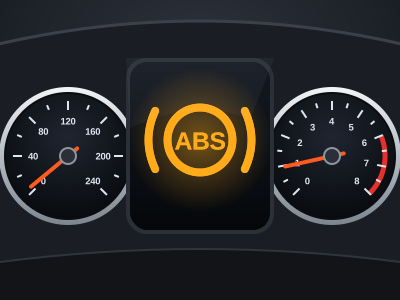
What is the main safety advantage of ABS in an emergency braking situation?
The other 12 questions in this test
Read them all. The answer and the reason for each, and the timed 22-question run, are in the Oman Driving Test Questions PDF (ROP).
- Q11Safe driving
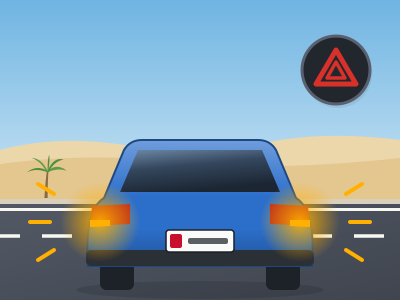
You are driving on Oman's coastal road in heavy rain. You notice the vehicle in front has its hazard lights flashing while moving slowly. What does this indicate and how should you respond?
- AFlashing hazards mean the driver is about to turn; move to the other lane immediately
- BThe driver may be warning of a hazard ahead or the vehicle is in difficulty; increase following distance, reduce speed, and be prepared to stop
- CHazard lights on a moving vehicle always indicate the driver is about to pull over; continue at normal speed
- DIgnore hazard lights on other vehicles; they are often used incorrectly and give no useful information
Answer and explanation in the bank
- Q12Safe driving
A car approaches you on a narrow mountain road in Oman and there is not enough space for both vehicles. What should you do?
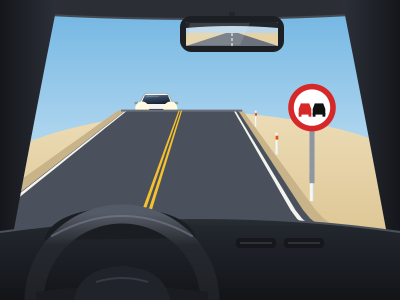
- AThe vehicle that has a safe place to pull in should do so; generally uphill traffic has priority but yield to the vehicle closest to a safe passing place
- BThe larger vehicle always has priority on mountain roads
- CBoth drivers must stop and wait for a third driver to mediate
- DThe vehicle travelling downhill always has priority
Answer and explanation in the bank
- Q13Safe driving
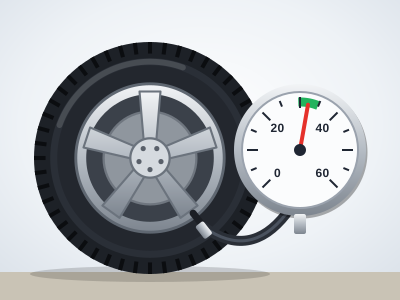
What should you check before undertaking any long journey across Oman to ensure your vehicle is roadworthy?
- AOnly the fuel level; modern vehicles alert you to all other issues via dashboard warning lights
- BOnly the tyre pressure and fuel level
- CNothing specific; if the vehicle has been serviced within the year it is ready
- DTyre pressure and condition, engine oil, coolant, brake fluid, lights, fuel level, windscreen washer fluid, and that all mirrors are adjusted correctly
Answer and explanation in the bank
- Q14Safe driving
Why is it especially important to carry extra drinking water in your vehicle when driving through remote areas of Oman?
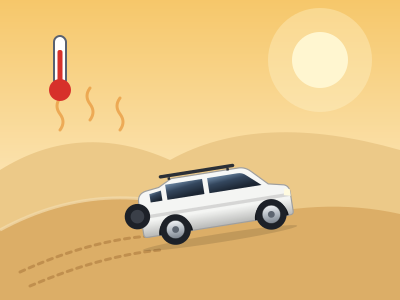
- AOmani law requires all vehicles to carry a minimum of 2 litres of water
- BWater helps cool the engine if it overheats and should be kept ready to pour in the radiator
- CIn case of a breakdown or emergency in a remote area, you may have to wait hours in extreme heat before help arrives
- DWater is only necessary in summer months; the rest of the year temperatures are mild enough
Answer and explanation in the bank
- Q15Safe driving
When is the best time to check your tyre pressure in Oman's summer heat?
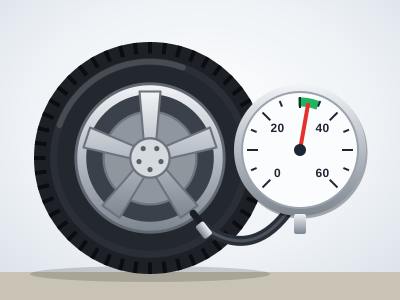
- AAfter a long highway drive when the tyres are fully warmed up
- BAny time, as pressure does not change with temperature
- COnly after the vehicle has been parked in the shade for an hour
- DBefore driving, when the tyres are cold
Answer and explanation in the bank
- Q16Safe driving
A rear tyre suddenly blows out while you are driving on an Omani highway at 110 km/h. What is the correct immediate response?
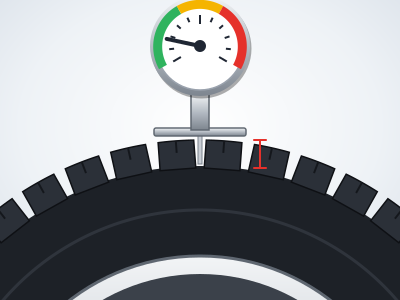
- ABrake hard immediately and steer toward the shoulder
- BAccelerate briefly to stabilise the vehicle before braking
- CSteer sharply away from the blown tyre to compensate for the pull
- DGrip the steering wheel firmly, ease off the accelerator gradually, keep the vehicle straight, and coast to a controlled stop off the road
Answer and explanation in the bank
- Q17Safe driving
Which of the following tyre conditions significantly increases the risk of a blowout on Oman's hot roads?
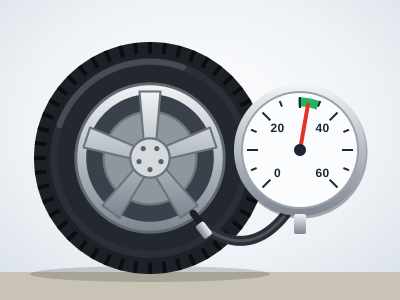
- ASlightly over-inflated tyres that reduce rolling resistance
- BTyres inflated to the manufacturer's recommended pressure
- CSeverely under-inflated tyres that flex excessively and build up heat
- DNew tyres that have not yet been run in for 100 km
Answer and explanation in the bank
- Q18Safe driving
Your vehicle is fitted with ABS (Anti-lock Braking System). How should you apply the brakes in an emergency stop?
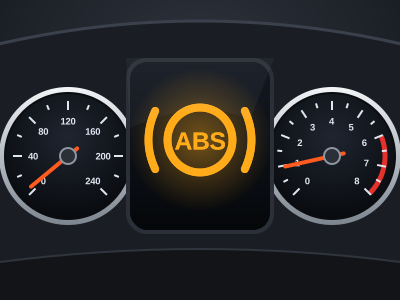
- APress the brake pedal firmly and hold it down; the ABS will pulse automatically to prevent lock-up
- BPump the brake pedal rapidly yourself to prevent wheel lock
- CPress the brake halfway to avoid triggering ABS
- DApply the handbrake at the same time as the footbrake
Answer and explanation in the bank
- Q19Safe driving
Who must wear a seat belt in a vehicle being driven in Oman?
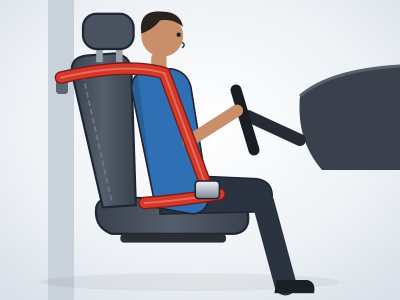
- AOnly the driver
- BOnly the driver and front passenger
- CThe driver and all passengers in every occupied seat
- DOnly passengers under the age of 18
Answer and explanation in the bank
- Q20Safe driving
A seat belt is positioned incorrectly and the shoulder strap runs behind the wearer's back. How does this affect safety in a crash?
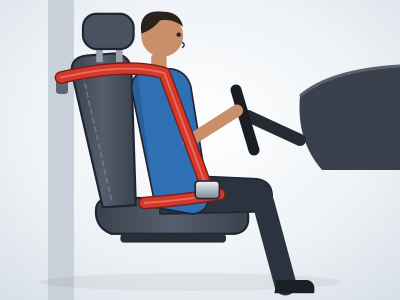
- AIt is extremely dangerous: the wearer will not be restrained and may be thrown forward or out of the vehicle
- BIt is slightly less effective but still provides most of the protection
- CIt is safer because it prevents chest injury from the belt
- DIt makes no difference; the lap belt alone provides sufficient restraint
Answer and explanation in the bank
- Q21Safe driving
At what age can a child legally sit in the front seat of a vehicle in Oman?
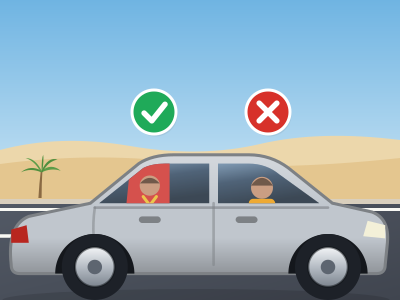
- AFrom birth, provided they are in a rear-facing car seat in the front
- BFrom age 10; children under 10 must not sit in the front seat
- CFrom age 3, if they use a booster seat
- DThere is no age restriction in Oman
Answer and explanation in the bank
- Q22Safe driving
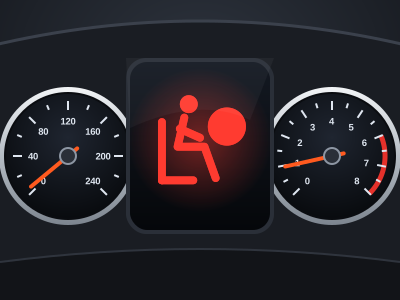
A parent places a rear-facing infant seat in the front passenger seat where an active airbag is fitted. Why is this dangerous?
- AIt is perfectly safe because airbags only deploy in severe crashes
- BModern airbags detect child seats and do not deploy
- CIf the airbag deploys, it will strike the back of the child seat with enormous force, potentially killing the infant
- DRear-facing seats are only dangerous in the rear of the vehicle
Answer and explanation in the bank
Every answer above, with the rule it comes from, plus the full 22-question timed test.
Get the Oman Driving Test Questions PDF (ROP) - OMR 3What this test covers
Topics include road signs, traffic signals, right of way, roundabouts, speed limits, seat belts, fines and penalties, and the safe-driving rules specific to your vehicle category. Full question-by-question feedback with explanations is shown immediately after you finish the test above.
Frequently asked questions
How many questions is the Al Buraimi Royal Oman Police light vehicle theory test?
The official Royal Oman Police light vehicle theory test in Al Buraimi has 30 questions and you need 23 correct (75%) to pass. This practice test has 22 questions.
Is this the real exam?
These are practice questions to help you revise, written to the published rules and to what candidates report from the real test. They are not the official Oman exam and the real question bank, format, fees and pass mark are set by the Royal Oman Police, and can change. Always confirm the current requirements with your driving school or the Royal Oman Police.
Is this practice test free?
The first 10 questions are free, with no signup, and each shows the answer and the reason. The full 22-question test, timed, is in the Oman Driving Test Questions PDF (ROP) (OMR 3, one payment), with every question in the bank.
What does the Al Buraimi light vehicle theory test cover?
Road signs, traffic signals, right of way, roundabouts, speed limits, seat belts, penalties and safe-driving rules, plus the handling and safety topics specific to your vehicle.