

Al Buraimi Royal Oman Police Motorcycle
Timed mock exam· Full mock examsAl Buraimi Royal Oman Police - Oman Motorcycle Theory Mock Test 2
Second full motorcycle mock exam with a fresh 30-question selection across road rules, signs and rider-specific topics. Keep practising without repetition.
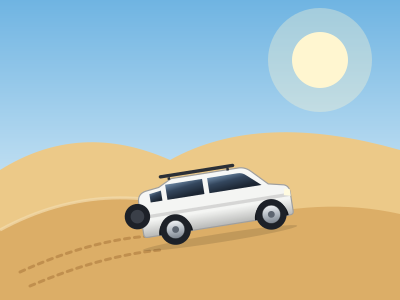
You turn onto a gravel track on the edge of a desert in Oman. How should your braking technique change compared to driving on tarmac?
The other 20 questions in this test
Read them all. The answer and the reason for each, and the timed 30-question run, are in the Oman Driving Test Questions PDF (ROP).
- Q11Traffic rules
When should you cancel your indicator after completing a turn in Oman?
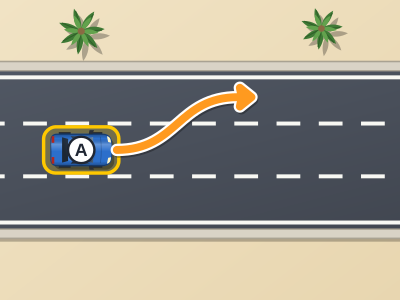
- AImmediately after completing the turn or lane change
- BAfter travelling at least 100 metres in the new direction
- COnly when another driver signals to acknowledge you
- DThere is no need; modern cars always cancel it automatically
Answer and explanation in the bank
- Q12Right of way
Two lanes merge into one ahead. How should drivers handle the merge correctly?
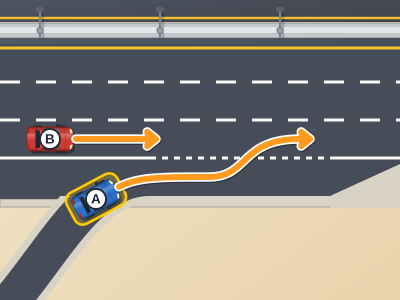
- AThe right lane has absolute priority and the left lane must stop
- BThe vehicle that was furthest ahead in its lane always has full priority
- CUse a zip-merge: each lane takes turns alternately at the merge point
- DDrivers in the closing lane must stop and wait until the road is completely clear
Answer and explanation in the bank
- Q13Safe driving
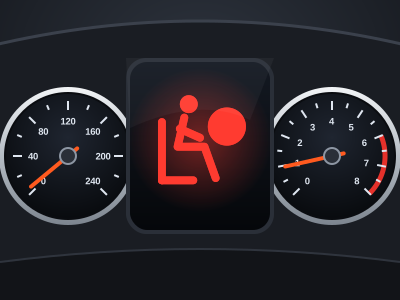
A parent places a rear-facing infant seat in the front passenger seat where an active airbag is fitted. Why is this dangerous?
- AIt is perfectly safe because airbags only deploy in severe crashes
- BModern airbags detect child seats and do not deploy
- CIf the airbag deploys, it will strike the back of the child seat with enormous force, potentially killing the infant
- DRear-facing seats are only dangerous in the rear of the vehicle
Answer and explanation in the bank
- Q14Penalties and fines
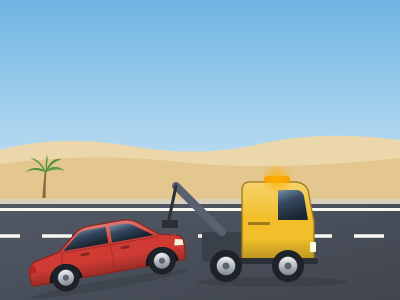
A driver is caught travelling at a speed so far above the posted limit that it is classified as dangerous in Oman. What is the most serious possible consequence?
- AA warning notice with no financial penalty
- BA fine, vehicle impoundment and referral to the courts on criminal charges
- CA fine only, with no other consequences
- DLoss of licence for 30 days and nothing further
Answer and explanation in the bank
- Q15Motorcycle control
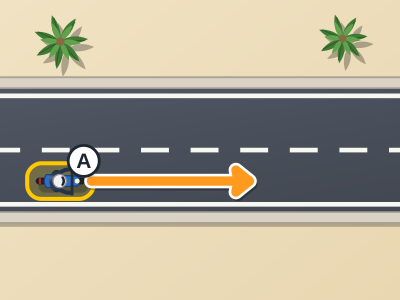
What is the 'friction zone' on a motorcycle clutch?
- AThe point at which the clutch is fully released and the engine is fully connected
- BThe range of lever travel where the clutch is partially engaged and power transfer can be modulated
- CA safety mechanism that prevents the clutch from overheating
- DThe range where the clutch is fully disengaged and the bike freewheels
Answer and explanation in the bank
- Q16Motorcycle safety
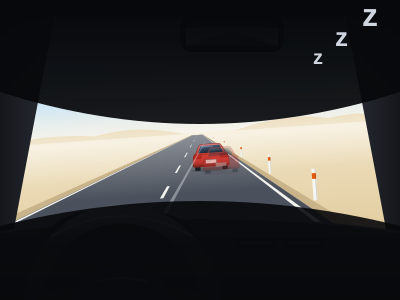
At what point should a motorcyclist stop to rest on a long ride in Oman?
- AOnly when the fuel tank is empty
- BAt least every 2 hours, or earlier if any signs of fatigue or difficulty concentrating appear
- COnly when physical pain from the riding position becomes severe
- DEvery 6 hours is sufficient for experienced riders
Answer and explanation in the bank
- Q17Road signs and signals
What does this sign warn you about?
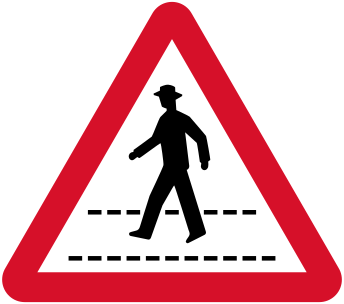
- AA pedestrian crossing is ahead
- BA school zone is ahead
- CPedestrians are not allowed on this road
- DA cycle crossing is ahead
Answer and explanation in the bank
- Q18Traffic rules
When should you use hazard warning lights while driving in Oman?
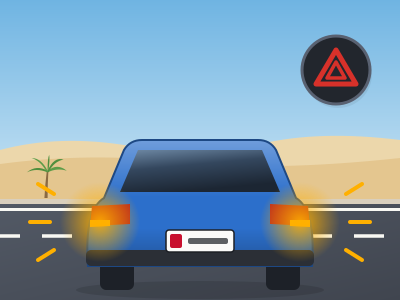
- AWhen the vehicle is stationary and causing an obstruction, or in a genuine emergency
- BTo signal to following traffic that you are turning
- CWhenever you are driving slowly in traffic
- DTo thank another driver for giving way
Answer and explanation in the bank
- Q19Right of way
A police officer at a junction is facing you with their arm raised towards you. What must you do?
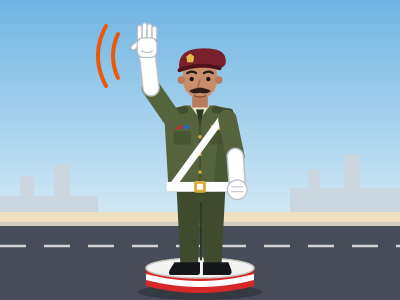
- ASlow down but continue if the traffic light shows green
- BSound the horn to alert the officer and continue through
- CStop only if the officer is waving you down specifically
- DStop immediately; the officer's signal overrides all signs and signals
Answer and explanation in the bank
- Q20Safe driving
An airbag is designed to work together with what other safety system to provide maximum protection in a crash?
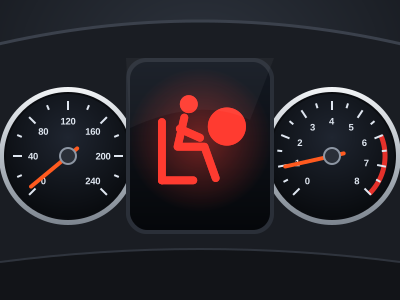
- AThe seat belt, which keeps the occupant in position so the airbag can cushion them correctly
- BABS, which helps the airbag deploy faster
- CThe headrest, which prevents the airbag from inflating in the wrong direction
- DAirbags are a standalone system and do not depend on other safety features
Answer and explanation in the bank
- Q21Penalties and fines
Why is speeding near a school in Oman treated more seriously than speeding on an open road?
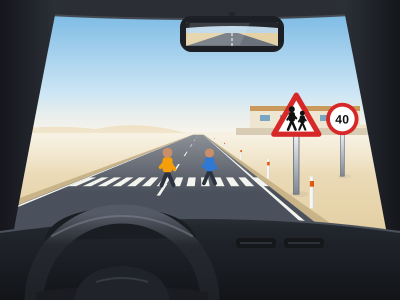
- AIt is not treated more seriously; the same standard fine applies everywhere
- BSchool zones have lower speed limits and violations attract heavier penalties because of the increased risk to children
- CSchool zone limits are only enforced during school holidays
- DPolice only issue warnings in school zones, not fines
Answer and explanation in the bank
- Q22Motorcycle control
When is engine braking especially useful for a motorcyclist?
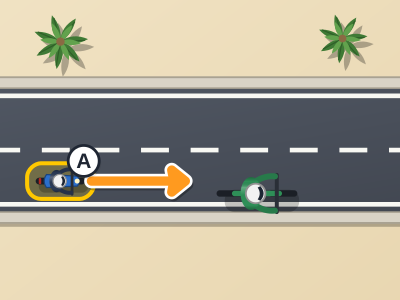
- AWhen descending long hills to reduce brake heat and control speed without constant brake application
- BWhen accelerating hard from a standing start
- CWhen riding in a straight line at constant highway speed
- DWhen the front brake is already applied at maximum pressure
Answer and explanation in the bank
- Q23Motorcycle safety
Why is dehydration a particular risk for motorcyclists riding in Oman?
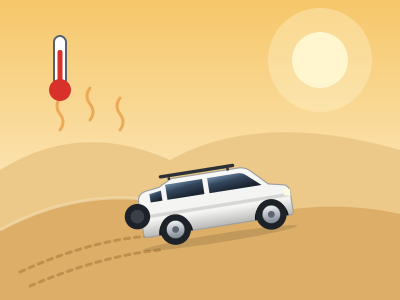
- AMotorcyclists cannot carry water bottles, so they have no opportunity to drink
- BWind at speed accelerates sweat evaporation, masking how much fluid is being lost, while heat and protective gear increase perspiration
- CHelmets prevent drinking and this is the only cause of dehydration
- DDehydration is not a significant risk if the rider feels comfortable
Answer and explanation in the bank
- Q24Road signs and signals
A pedestrian steps onto a marked crossing ahead of your vehicle. What must you do?
- ASound the horn to warn the pedestrian and continue
- BFlash your headlights to signal the pedestrian to wait
- CStop and allow the pedestrian to cross safely
- DContinue at reduced speed, passing close to the kerb
Answer and explanation in the bank
- Q25Traffic rules
When must you use headlights while driving in Oman?
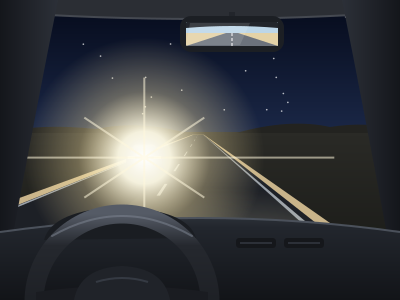
- AOnly in full darkness, not at dusk or dawn
- BOnly when using the highway
- CHeadlights are optional at all times in Oman
- DFrom sunset to sunrise, and whenever visibility is reduced by fog, dust, or heavy rain
Answer and explanation in the bank
- Q26Right of way
You are about to pull out of a parking space on the side of the road. Who has priority?
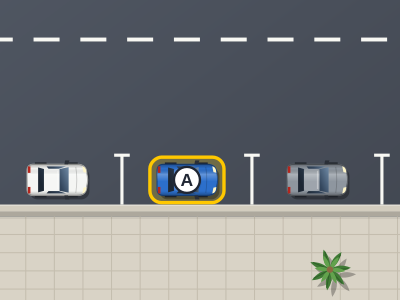
- AYou have priority because your vehicle is in front of the other vehicles
- BMoving traffic on the road has priority over you
- CPriority is equal if you have been signalling for more than three seconds
- DPedestrians must give way to you; other vehicles have equal priority
Answer and explanation in the bank
- Q27Safe driving
You are driving from Muscat to Salalah on a long desert highway. After three hours you feel your eyelids growing heavy. What should you do?
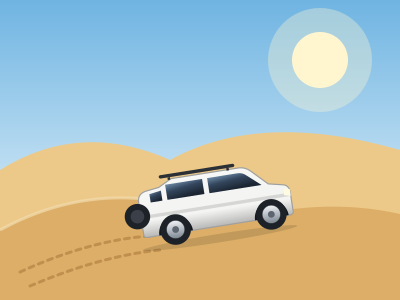
- APull off the road at the next safe stopping point, rest or sleep, and do not drive again until you feel fully alert
- BOpen the windows and turn up the air conditioning to stay awake
- CDrink a large coffee and continue at a slightly lower speed
- DTurn up the radio loudly and keep going to reach the next town
Answer and explanation in the bank
- Q28Penalties and fines
What must a driver do when facing a red traffic signal in Oman?
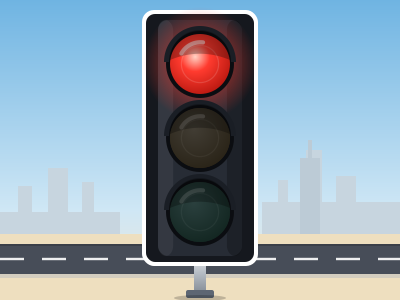
- ASlow down and proceed if no other traffic is visible
- BStop completely behind the stop line and wait for the signal to change
- CProceed carefully if the intersection appears clear
- DStop only if pedestrians are actively crossing
Answer and explanation in the bank
- Q29Motorcycle control
What primarily limits the maximum safe lean angle of a motorcycle in a corner?
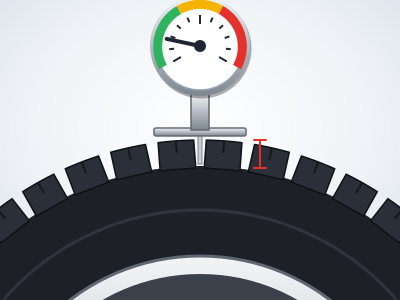
- AThe rider's body weight alone
- BThe maximum steering-lock position of the handlebars
- CEngine power output
- DAvailable tyre grip and the risk of chassis or footpeg contact with the road surface
Answer and explanation in the bank
- Q30Motorcycle safety
To increase daytime visibility to other road users, a motorcyclist should...
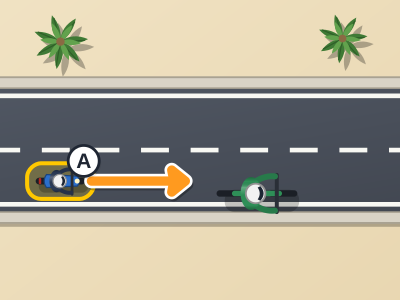
- AFlash the headlight on and off repeatedly to attract attention
- BSound the horn regularly to alert other road users
- CRide in the centre of the road to take up more space
- DRide with the headlight on at all times and wear fluorescent or brightly coloured clothing
Answer and explanation in the bank
Every answer above, with the rule it comes from, plus the full 30-question timed test.
Get the Oman Driving Test Questions PDF (ROP) - OMR 3What this test covers
Topics include road signs, traffic signals, right of way, roundabouts, speed limits, seat belts, fines and penalties, and the safe-driving rules specific to your vehicle category. Full question-by-question feedback with explanations is shown immediately after you finish the test above.
Frequently asked questions
How many questions is the Al Buraimi Royal Oman Police motorcycle theory test?
The official Royal Oman Police motorcycle theory test in Al Buraimi has 30 questions and you need 23 correct (75%) to pass. This practice test has 30 questions.
Is this the real exam?
These are practice questions to help you revise, written to the published rules and to what candidates report from the real test. They are not the official Oman exam and the real question bank, format, fees and pass mark are set by the Royal Oman Police, and can change. Always confirm the current requirements with your driving school or the Royal Oman Police.
Is this practice test free?
The first 10 questions are free, with no signup, and each shows the answer and the reason. The full 30-question test, timed, is in the Oman Driving Test Questions PDF (ROP) (OMR 3, one payment), with every question in the bank.
What does the Al Buraimi motorcycle theory test cover?
Road signs, traffic signals, right of way, roundabouts, speed limits, seat belts, penalties and safe-driving rules, plus the handling and safety topics specific to your vehicle.