

Al Sharqiyah South Royal Oman Police Motorcycle
Timed mock exam· Full mock examsAl Sharqiyah South Royal Oman Police - Oman Motorcycle Theory Mock Test 3
Third full motorcycle mock exam and a great final readiness check before your real bike theory test. Another distinct set of 30 timed questions.
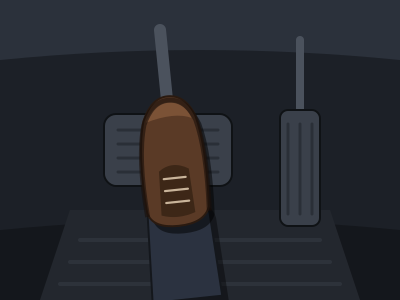
What happens when you close the throttle and downshift to a lower gear while riding?
The other 20 questions in this test
Read them all. The answer and the reason for each, and the timed 30-question run, are in the Oman Driving Test Questions PDF (ROP).
- Q11Road signs and signals
You are driving in dense fog in Oman. What should you do?
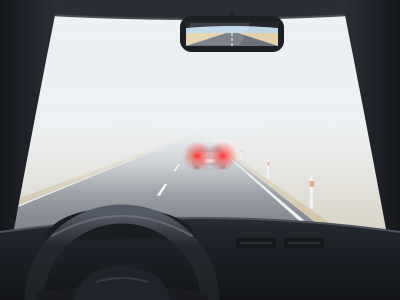
- ASlow down significantly and use low-beam headlights and fog lights if fitted
- BUse high-beam headlights to see further ahead
- CMaintain normal speed and follow the vehicle ahead closely
- DStop on the hard shoulder and wait for the fog to clear
Answer and explanation in the bank
- Q12Traffic rules
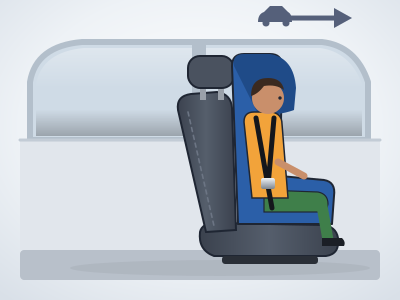
Where must a young child who is too small for an adult seat belt travel in a car in Oman?
- AOn an adult's lap in the front seat
- BIn the boot area if no seat is available inside the cabin
- CIn an approved child seat appropriate for the child's age and weight, fitted in the rear seat
- DIn the front seat with an adult holding them securely
Answer and explanation in the bank
- Q13Right of way
You are turning right from a major road. Another vehicle approaches from the opposite direction and also wants to turn right. How should the two vehicles pass each other?
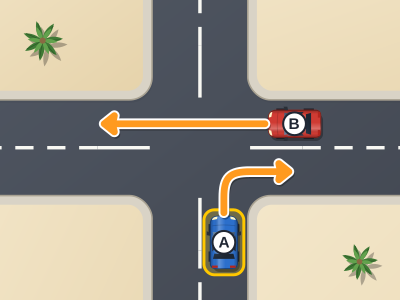
- APass the approaching vehicle left side to left side before turning
- BPass the approaching vehicle right side to right side before completing the turn
- CStop on the right side of the road and wait for the other vehicle to turn first
- DTurn immediately; you have priority because you are on the major road
Answer and explanation in the bank
- Q14Safe driving
You are involved in a minor road crash in Oman with no serious injuries. What are the correct first steps?
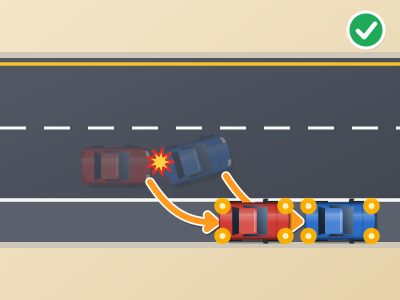
- ALeave the vehicles exactly where they are, take photos, and exchange details with the other driver without calling police
- BMove vehicles to a safe position off the road if possible, switch on hazard lights, ensure everyone is safe, and contact the Royal Oman Police to report the incident
- CDrive away if damage appears minor to avoid traffic disruption
- DArgue with the other driver to establish fault before calling anyone
Answer and explanation in the bank
- Q15Penalties and fines
Double yellow lines painted along the kerb in Oman indicate which restriction?
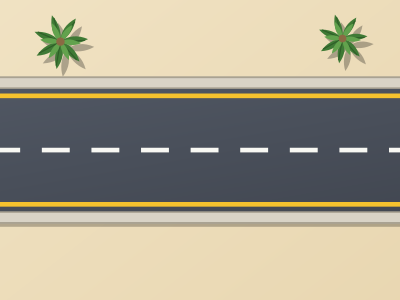
- ANo parking during peak hours only, but stopping at other times is permitted
- BNo parking but a brief stop to drop or collect a passenger is allowed
- CMaximum parking of 15 minutes at any time
- DNo stopping at any time
Answer and explanation in the bank
- Q16Road signs and signals
What is the recommended safe following distance from the vehicle ahead on a high-speed road in Oman?
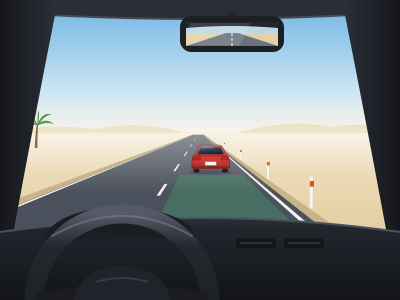
- AOne car length for every 20 km/h of speed
- BA fixed 5 metres at all speeds
- CAt least a 3-second gap between you and the vehicle ahead
- D2 seconds on dry roads and 1 second on wet roads
Answer and explanation in the bank
- Q17Traffic rules
Who is legally responsible for ensuring children are properly restrained in a vehicle in Oman?
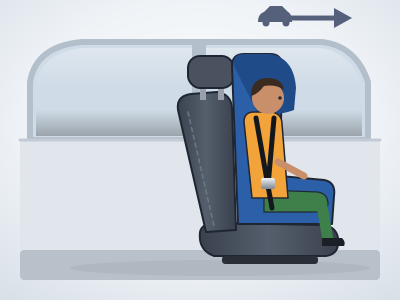
- AThe child's parent regardless of who is driving
- BThe driver of the vehicle
- CThe vehicle owner if different from the driver
- DThe child once they are old enough to buckle up themselves
Answer and explanation in the bank
- Q18Right of way
You are approaching a level (railway) crossing without barriers or signals. What must you do?
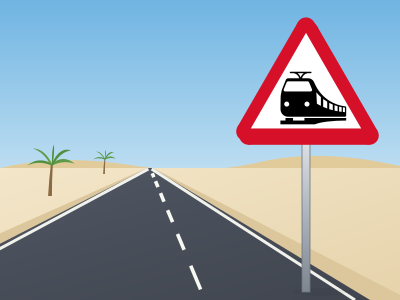
- ASlow to 20 km/h and cross without stopping
- BStop, look both ways for trains, listen, and cross only when certain it is safe
- CTreat it as a normal road junction and apply the give-way-to-the-right rule
- DSound the horn to warn any approaching train and proceed at normal speed
Answer and explanation in the bank
- Q19Safe driving
You arrive at a crash on an Omani road. One person is trapped and unconscious. What is your immediate priority before any first aid?
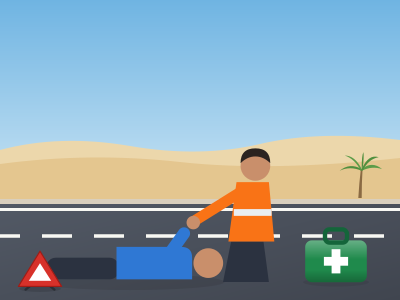
- AMake the scene safe (hazard lights, warning triangle, prevent fire or secondary crashes) and call emergency services immediately
- BDrag the unconscious person clear of the vehicle as quickly as possible
- CBegin CPR immediately without assessing the scene
- DWait for emergency services to arrive before doing anything
Answer and explanation in the bank
- Q20Penalties and fines
A driver in Oman parks on the pavement to avoid blocking the road. Is this permitted?
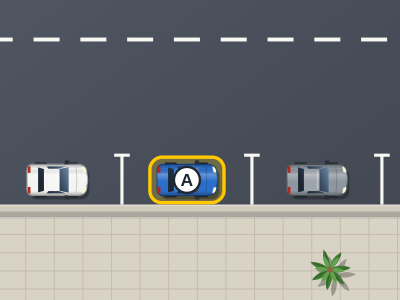
- ANo, parking on the pavement is illegal and attracts a fine
- BYes, if it is a wide pavement with adequate space left for pedestrians
- CYes, provided hazard lights are left on while parked
- DOnly in designated residential areas with community approval
Answer and explanation in the bank
- Q21Road signs and signals
A blue circular sign displays the number 60. What does this sign mean?
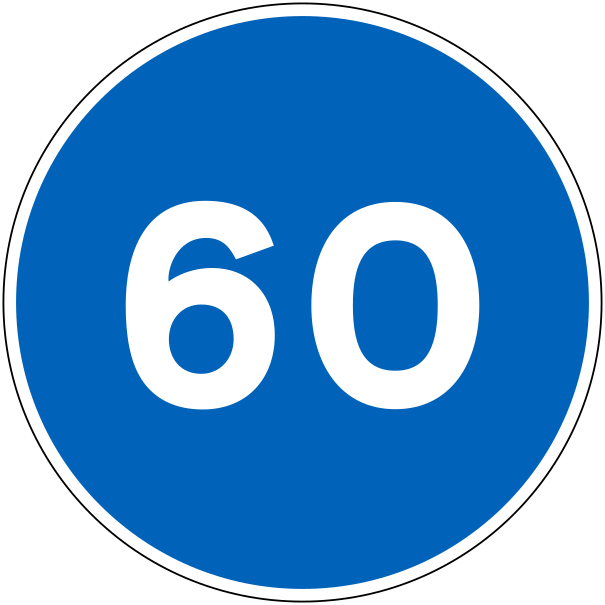
- AThe maximum speed is 60 km/h
- BThe speed limit resumes at 60 km/h
- CThe minimum speed is 60 km/h
- DThe recommended speed is 60 km/h in adverse conditions
Answer and explanation in the bank
- Q22Traffic rules
Is it safe to place a rear-facing infant seat in front of an active passenger airbag in Oman?
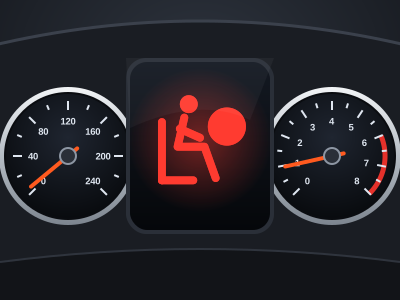
- ANo - a rear-facing child seat must never be placed in front of an active airbag
- BYes, as long as the infant is under six months old
- CYes, if the adult seat belt is also used over the child seat
- DIt is permitted only if the vehicle is driven below 60 km/h
Answer and explanation in the bank
- Q23Right of way
A cyclist is riding in a dedicated cycle lane alongside the road. You want to turn right across the cycle lane. Who has priority?
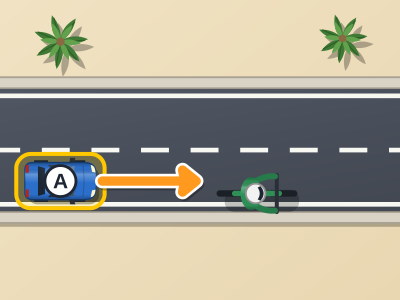
- AYou have priority as the motor vehicle driver making a right turn
- BThe cyclist travelling in the dedicated cycle lane has priority
- CPriority is equal; make eye contact and proceed together
- DThe cyclist must stop for any vehicle that is turning
Answer and explanation in the bank
- Q24Safe driving
Your vehicle begins to aquaplane (hydroplane) on a wet Omani road. What is the correct response?
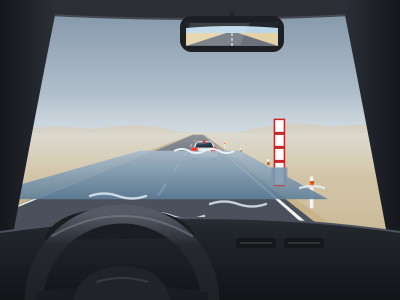
- ABrake firmly and steer in the direction of the slide
- BEase off the accelerator gently and hold the steering straight; do not brake hard until the tyres regain contact with the road
- CAccelerate to push through the water film more quickly
- DSteer sharply left to exit the deep water
Answer and explanation in the bank
- Q25Penalties and fines
Oman sets legal limits on how dark car window tints can be. What is the main reason for this rule?
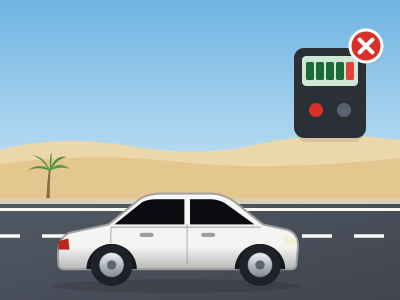
- ATo ensure drivers can see clearly and law enforcement can identify occupants
- BTo improve the visual appearance of vehicles on the road
- CWindow tinting is completely unrestricted in Oman
- DOnly the front windscreen is regulated; all side windows are unrestricted
Answer and explanation in the bank
- Q26Road signs and signals
You are joining a motorway via an on-ramp. Who has priority?
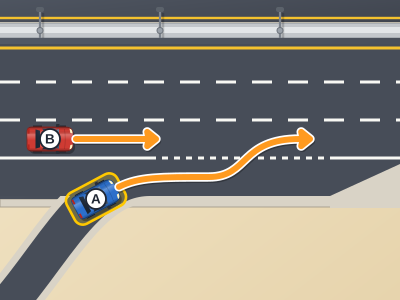
- AThe vehicle on the on-ramp, which has right of way
- BTraffic already travelling on the motorway
- CThe faster vehicle in each situation
- DWhoever reaches the merge point first
Answer and explanation in the bank
- Q27Traffic rules
Is it legal to hold a mobile phone and talk on it while driving in Oman?
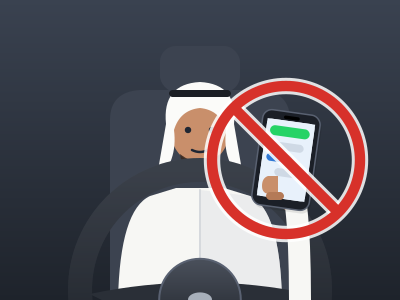
- AYes, as long as you are travelling below 60 km/h
- BYes, for calls that last under one minute
- CNo - using a handheld phone while driving is prohibited
- DOnly prohibited on highways; it is permitted on other roads
Answer and explanation in the bank
- Q28Right of way
You are driving in a town and approach an unmarked crossroads. A vehicle is approaching from the left at exactly the same time. Who has priority?
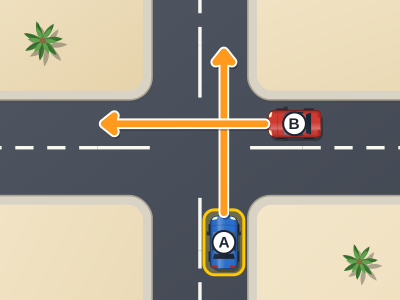
- AThe vehicle on the left has priority
- BWhoever reaches the centre of the junction first has priority
- CThe vehicle travelling faster has priority
- DYou have priority because the other vehicle is on your left
Answer and explanation in the bank
- Q29Safe driving
Which tyre condition most increases the risk of aquaplaning on wet Omani roads after rain?
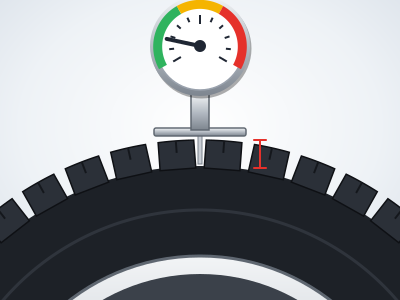
- ASlightly over-inflated tyres that improve wet-weather grip
- BNew tyres with deep tread channels
- CWorn tyres with shallow tread that cannot channel water away from the contact patch
- DTyres inflated to the manufacturer's specification
Answer and explanation in the bank
- Q30Penalties and fines
A vehicle in Oman is found to have window tint darker than the legal limit. What can police do?
- AIssue a fine and order the illegal tint to be removed
- BIssue only a verbal warning to have the tint changed at some point
- CImpound the vehicle immediately with no further process
- DAllow the driver to apply for a special exemption permit on the spot
Answer and explanation in the bank
Every answer above, with the rule it comes from, plus the full 30-question timed test.
Get the Oman Driving Test Questions PDF (ROP) - OMR 3What this test covers
Topics include road signs, traffic signals, right of way, roundabouts, speed limits, seat belts, fines and penalties, and the safe-driving rules specific to your vehicle category. Full question-by-question feedback with explanations is shown immediately after you finish the test above.
Frequently asked questions
How many questions is the Al Sharqiyah South Royal Oman Police motorcycle theory test?
The official Royal Oman Police motorcycle theory test in Al Sharqiyah South has 30 questions and you need 23 correct (75%) to pass. This practice test has 30 questions.
Is this the real exam?
These are practice questions to help you revise, written to the published rules and to what candidates report from the real test. They are not the official Oman exam and the real question bank, format, fees and pass mark are set by the Royal Oman Police, and can change. Always confirm the current requirements with your driving school or the Royal Oman Police.
Is this practice test free?
The first 10 questions are free, with no signup, and each shows the answer and the reason. The full 30-question test, timed, is in the Oman Driving Test Questions PDF (ROP) (OMR 3, one payment), with every question in the bank.
What does the Al Sharqiyah South motorcycle theory test cover?
Road signs, traffic signals, right of way, roundabouts, speed limits, seat belts, penalties and safe-driving rules, plus the handling and safety topics specific to your vehicle.