

Al Wusta Royal Oman Police Light vehicle
Timed mock exam· Full mock examsAl Wusta Royal Oman Police - Oman Theory Mock Test 2
Second full mock exam covering all Oman theory topics. A different question selection to Mock Test 1 so you can keep practising without repetition.
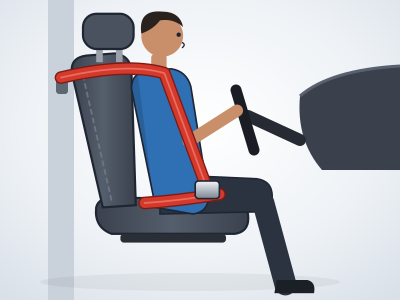
Who is required to wear a seatbelt in the front seats of a vehicle in Oman?
The other 20 questions in this test
Read them all. The answer and the reason for each, and the timed 30-question run, are in the Oman Driving Test Questions PDF (ROP).
- Q11Right of way
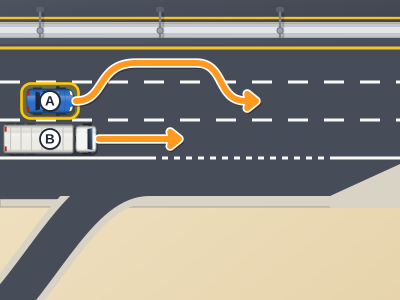
You are on a highway in the right lane. The vehicle ahead signals and slows to turn right into a side road. Can you overtake it by passing on the left?
- ANo; overtaking on the left is always prohibited in Oman under any circumstances
- BNo; you must wait behind the turning vehicle until it exits the road
- CYes, but only after sounding the horn twice as a warning
- DYes, you may pass on the left if the lane is clear and it is safe to do so
Answer and explanation in the bank
- Q12Safe driving
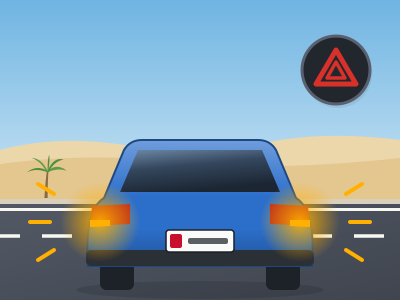
You are driving on Oman's coastal road in heavy rain. You notice the vehicle in front has its hazard lights flashing while moving slowly. What does this indicate and how should you respond?
- AFlashing hazards mean the driver is about to turn; move to the other lane immediately
- BThe driver may be warning of a hazard ahead or the vehicle is in difficulty; increase following distance, reduce speed, and be prepared to stop
- CHazard lights on a moving vehicle always indicate the driver is about to pull over; continue at normal speed
- DIgnore hazard lights on other vehicles; they are often used incorrectly and give no useful information
Answer and explanation in the bank
- Q13Penalties and fines
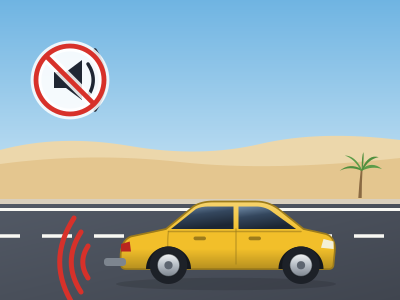
A driver modifies their car's suspension and engine in Oman without obtaining the required official approval. They are stopped by police. What can happen?
- ANo action if the car handles safely during the police stop
- BA fine, a requirement to restore the vehicle to its approved specification and possible impoundment
- COnly a notice to seek official approval within 30 days
- DPolice can advise the driver but cannot enforce vehicle modification rules
Answer and explanation in the bank
- Q14Traffic rules
You see a bus lane marked on an Oman road. When may a private car use it?
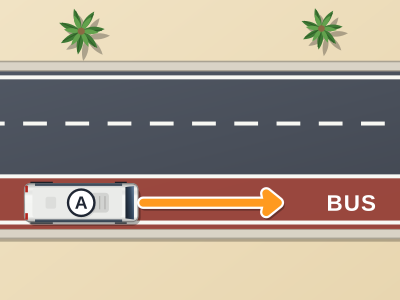
- AOnly outside the operating hours shown on the bus lane sign, or if the sign does not restrict private cars
- BAt any time as long as no bus is currently using the lane
- COnly at night when bus services have stopped
- DPrivate cars may never use a bus lane under any circumstances
Answer and explanation in the bank
- Q15Right of way
At a busy T-junction with no signals or signs, you are on the road that ends (the top of the T). Which drivers have priority over you?
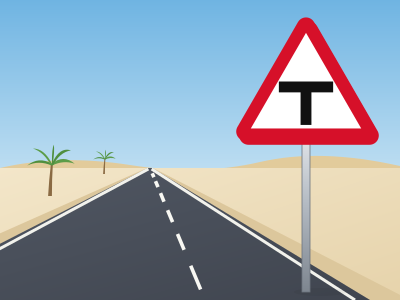
- AOnly traffic approaching from your right on the through road has priority
- BYou have priority because you arrived at the junction first
- CAll traffic travelling along the through road (the base of the T) has priority over you
- DTraffic from the left only has priority if it is travelling faster than you
Answer and explanation in the bank
- Q16Safe driving
A car approaches you on a narrow mountain road in Oman and there is not enough space for both vehicles. What should you do?
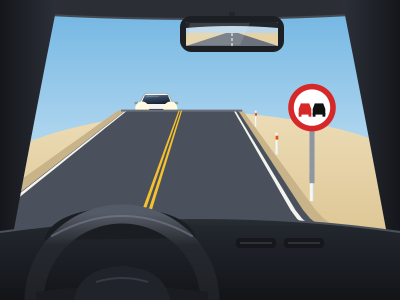
- AThe vehicle that has a safe place to pull in should do so; generally uphill traffic has priority but yield to the vehicle closest to a safe passing place
- BThe larger vehicle always has priority on mountain roads
- CBoth drivers must stop and wait for a third driver to mediate
- DThe vehicle travelling downhill always has priority
Answer and explanation in the bank
- Q17Penalties and fines
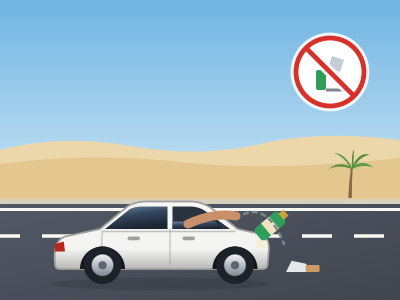
A driver in Oman throws a food wrapper out of the car window onto the road. This is:
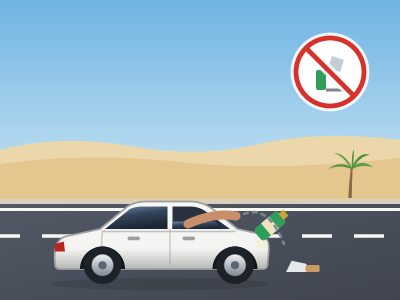
- AAcceptable if the item is biodegradable
- BOnly an offence if the littering occurs inside a national park
- CNot an offence unless the item causes a road obstruction
- DA fineable offence under Oman's littering and environmental regulations
Answer and explanation in the bank
- Q18Traffic rules
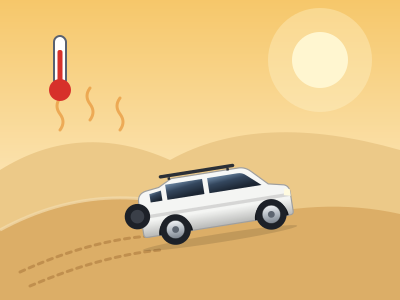
How does extreme heat in Oman affect your vehicle, and what precaution should you take?
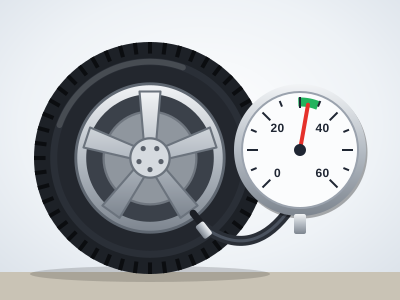
- AHeat can raise tyre pressure and cause engine overheating; check tyre pressure when cold and monitor the temperature gauge
- BHeat has no meaningful effect on a modern vehicle
- CDeflate tyres slightly before driving in the heat to compensate for pressure rise
- DRun the air conditioning on maximum to cool the engine down
Answer and explanation in the bank
- Q19Right of way
You are driving at 120 km/h on a motorway and need to exit via a slip road on the right. You are currently in the middle lane. What is the correct procedure?
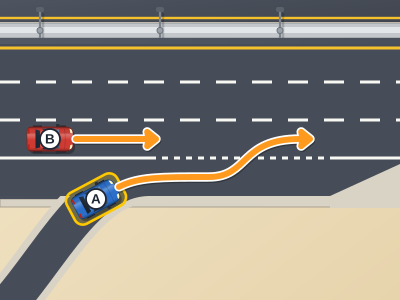
- AMove to the left lane and cross the motorway at the last moment to reach the right-side exit
- BBrake sharply in the middle lane and turn directly across to the slip road
- CDrive past the exit and turn around at the next legal U-turn point
- DMove to the right lane well in advance, then use the slip road, reducing speed after entering it
Answer and explanation in the bank
- Q20Safe driving
What should you check before undertaking any long journey across Oman to ensure your vehicle is roadworthy?
- AOnly the fuel level; modern vehicles alert you to all other issues via dashboard warning lights
- BOnly the tyre pressure and fuel level
- CNothing specific; if the vehicle has been serviced within the year it is ready
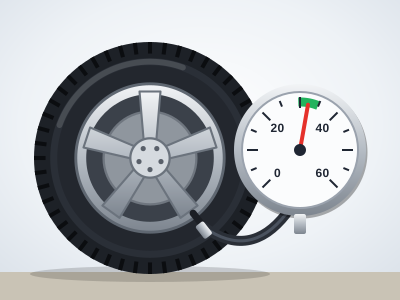
- DTyre pressure and condition, engine oil, coolant, brake fluid, lights, fuel level, windscreen washer fluid, and that all mirrors are adjusted correctly
Answer and explanation in the bank
- Q21Penalties and fines
Which authority in Oman is responsible for enforcing anti-littering rules from vehicles and issuing roadside fines?
- AThe Royal Oman Police, who can issue fines at the roadside
- BThe local municipality only, which issues fines by post after investigation
- CThe Ministry of Environment alone, through an inspectorate
- DNo specific authority handles this; littering is managed only by civil courts
Answer and explanation in the bank
- Q22Traffic rules
A sudden sandstorm reduces visibility to under 20 metres and you cannot safely pull off the road in Oman. What should you do?
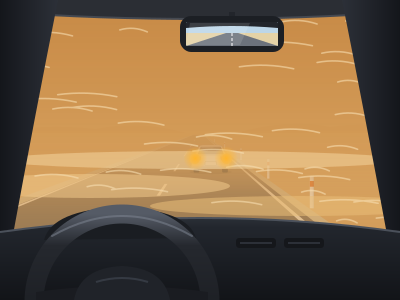
- AAccelerate to pass through the storm as quickly as possible
- BSlow to a very low speed, switch on low-beam headlights and hazard lights, and move toward the road edge seeking the nearest safe stopping point
- CStop immediately in your lane with full headlights on so others can see you
- DFollow the vehicle ahead at your normal following distance
Answer and explanation in the bank
- Q23Right of way
At an unmarked crossroads you want to go straight on. A vehicle on your right also wants to go straight on. A vehicle on your left wants to turn right across your path. In what order do they proceed?
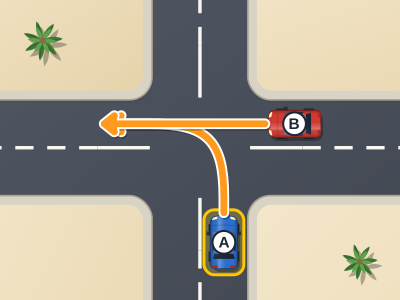
- AThe vehicle on your right goes first, then you, then the vehicle on the left turns when clear
- BThe vehicle turning right has priority because it has the most complex manoeuvre
- CAll three vehicles have equal priority and may proceed simultaneously
- DYou have priority because you are going straight on rather than turning
Answer and explanation in the bank
- Q24Safe driving
Why is it especially important to carry extra drinking water in your vehicle when driving through remote areas of Oman?
- AOmani law requires all vehicles to carry a minimum of 2 litres of water
- BWater helps cool the engine if it overheats and should be kept ready to pour in the radiator
- CIn case of a breakdown or emergency in a remote area, you may have to wait hours in extreme heat before help arrives
- DWater is only necessary in summer months; the rest of the year temperatures are mild enough
Answer and explanation in the bank
- Q25Penalties and fines
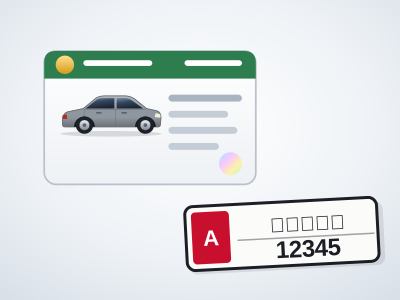
Oman has a specific rule about vehicle cleanliness. A car is so dirty that its number plate cannot be read clearly. What applies?
- ANo specific rule about vehicle cleanliness exists in Oman
- BOnly commercial and heavy vehicles are subject to cleanliness requirements
- CA dirty number plate results only in a verbal warning, never a fine
- DThe driver can be fined for driving a vehicle that obscures the number plate and fails minimum cleanliness standards
Answer and explanation in the bank
- Q26Road signs and signals
What does this sign mean and what must you do?
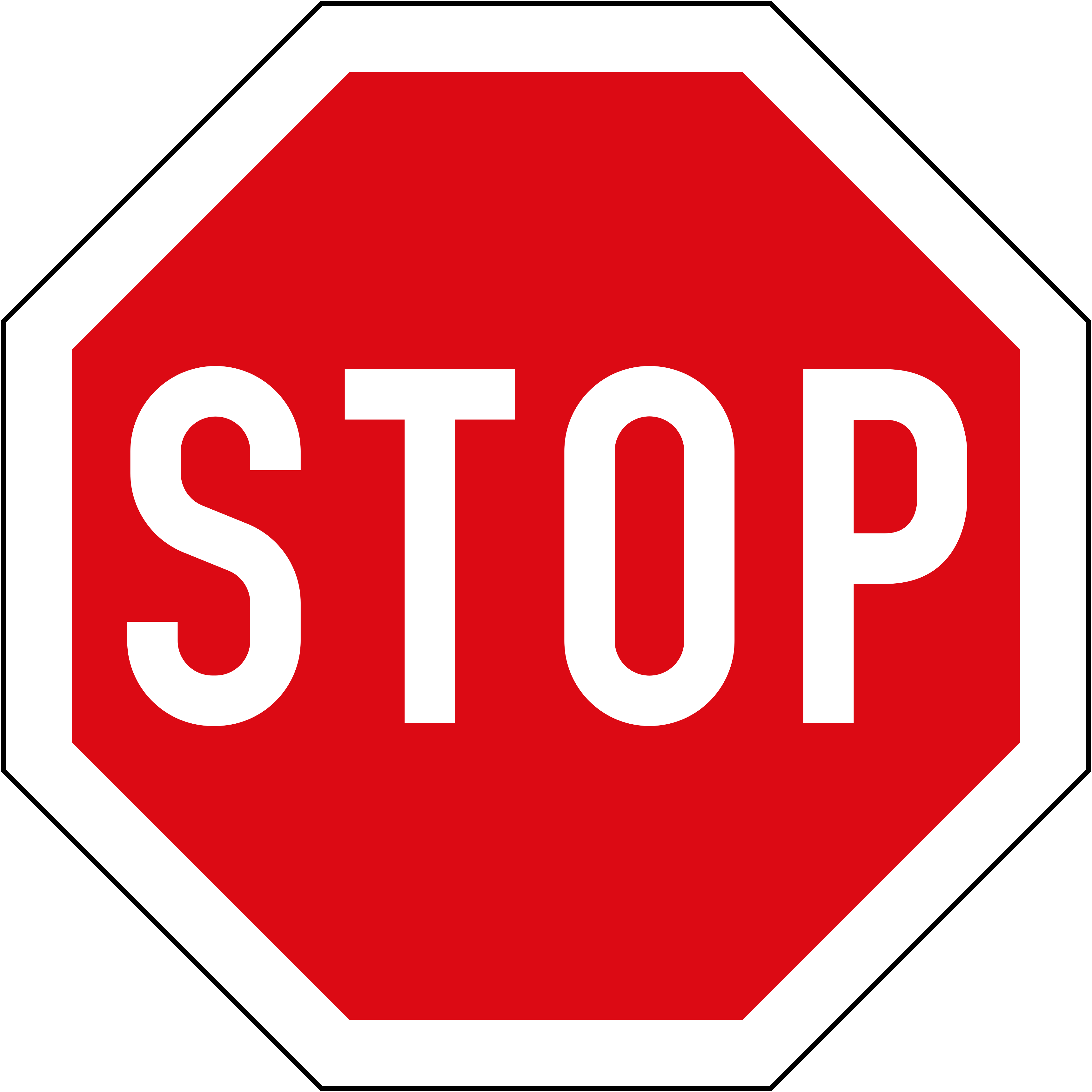
- AStop completely and give way before proceeding
- BSlow down to 30 km/h and then continue
- CGive way to traffic from the right only
- DStop only if other vehicles are present
Answer and explanation in the bank
- Q27Traffic rules
On a multi-lane road in Oman, which lane should you normally drive in?
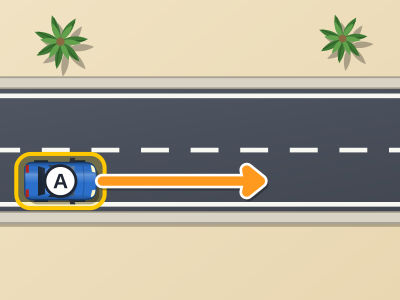
- AThe rightmost available lane
- BThe leftmost lane at all times
- CThe middle lane for maximum safety
- DAny lane; there is no rule in Oman
Answer and explanation in the bank
- Q28Right of way
You arrive at an unmarked crossroads at the same time as a vehicle approaching from your right. Who has priority?
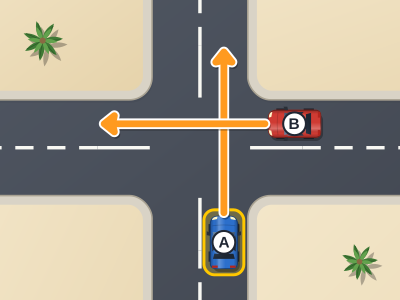
- AYou have priority because you arrived at the junction first
- BThe larger vehicle has priority
- CNeither vehicle has priority; both must stop and wait
- DThe vehicle on your right has priority
Answer and explanation in the bank
- Q29Safe driving
What is the recommended minimum following distance behind the vehicle in front under normal driving conditions on Omani roads?
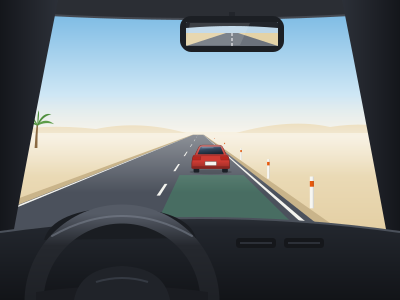
- AA 1-second gap, enough to react quickly
- BA 2-second gap between your vehicle and the one ahead
- CA fixed distance of 5 metres regardless of speed
- DA 5-second gap at all times
Answer and explanation in the bank
- Q30Penalties and fines
Under Oman's traffic law, what is the legal blood alcohol limit for drivers?
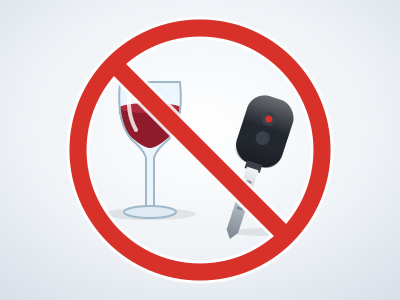
- AZero: there is a zero-tolerance policy and any detectable alcohol is illegal
- B0.05 percent, the same as many European countries
- C0.08 percent, an internationally used benchmark
- D0.03 percent for new drivers only
Answer and explanation in the bank
Every answer above, with the rule it comes from, plus the full 30-question timed test.
Get the Oman Driving Test Questions PDF (ROP) - OMR 1.5What this test covers
Topics include road signs, traffic signals, right of way, roundabouts, speed limits, seat belts, fines and penalties, and the safe-driving rules specific to your vehicle category. Full question-by-question feedback with explanations is shown immediately after you finish the test above.
Frequently asked questions
How many questions is the Al Wusta Royal Oman Police light vehicle theory test?
The official Royal Oman Police light vehicle theory test in Al Wusta has 30 questions and you need 23 correct (75%) to pass. This practice test has 30 questions.
Is this the real exam?
These are practice questions to help you revise, written to the published rules and to what candidates report from the real test. They are not the official Oman exam and the real question bank, format, fees and pass mark are set by the Royal Oman Police, and can change. Always confirm the current requirements with your driving school or the Royal Oman Police.
Is this practice test free?
The first 10 questions are free, with no signup, and each shows the answer and the reason. The full 30-question test, timed, is in the Oman Driving Test Questions PDF (ROP) (OMR 1.5, one payment), with every question in the bank.
What does the Al Wusta light vehicle theory test cover?
Road signs, traffic signals, right of way, roundabouts, speed limits, seat belts, penalties and safe-driving rules, plus the handling and safety topics specific to your vehicle.