

Al Wusta Royal Oman Police Light vehicle
Practice mode· Road rulesAl Wusta Royal Oman Police - Oman Road Rules Test 1
First 20 questions on Oman traffic rules - lane discipline, roundabouts, seat belts, mobile phone use, speed limits and more. Essential knowledge for any driver in Oman.
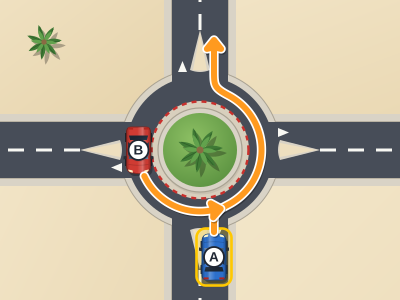
At a roundabout in Oman, who has priority?
The other 10 questions in this test
Read them all. The answer and the reason for each, and the timed 20-question run, are in the Oman Driving Test Questions PDF (ROP).
- Q11Traffic rules
At a signalised pedestrian crossing in Oman, pedestrians have a green signal and are crossing. You have a green light for your direction. Who has priority?
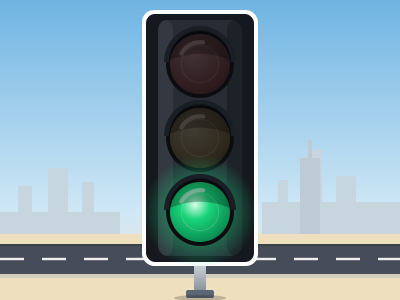
- AYou do, because your traffic light is green
- BThe pedestrians - you must wait until the crossing is completely clear
- CWhoever entered the crossing area first
- DDrivers always have priority over pedestrians at signalised junctions
Answer and explanation in the bank
- Q12Traffic rules
Where in Oman are pedestrians most likely to appear unexpectedly on or near the road?
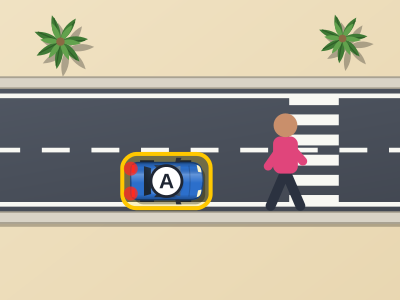
- AOnly on marked pedestrian crossings
- BOnly on rural roads with no street lighting
- COnly in designated school zones
- DNear souqs, mosques, shopping centres, and residential areas with no footpaths
Answer and explanation in the bank
- Q13Traffic rules
When reversing a vehicle in Oman, what is the primary rule?
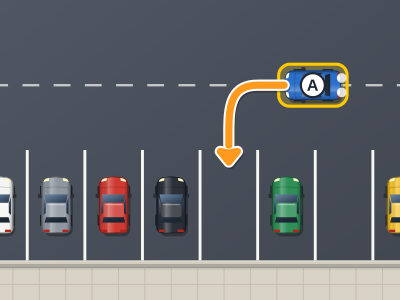
- AOnly reverse when necessary, over the shortest safe distance, and with full checks for pedestrians and other vehicles
- BReversing always gives you right of way over other vehicles
- CYou must always have a second person outside guiding you
- DReversing is only permitted in car parks
Answer and explanation in the bank
- Q14Traffic rules
Is it legal to reverse from a side street or driveway onto a main road in Oman?
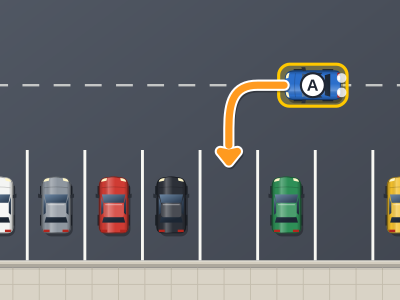
- AYes, if you check your mirrors carefully beforehand
- BYes, on roads with a posted limit below 60 km/h
- CNo - you must exit a side street or driveway by driving forward, not by reversing onto a main road
- DYes, as long as you activate hazard lights during the manoeuvre
Answer and explanation in the bank
- Q15Traffic rules
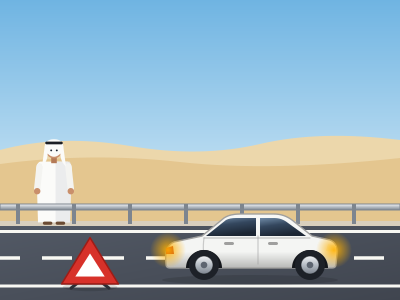
Your car breaks down on an Oman road and a friend tows you with a rope. What is a key safety requirement?
- AAny rope length is acceptable as long as both drivers agree
- BThe tow rope must be clearly visible, a safe distance must be kept, and a qualified driver must be in the towed vehicle
- CThe towed vehicle may be left unmanned to reduce risk
- DTowing with a rope is always illegal; only a professional tow truck may tow
Answer and explanation in the bank
- Q16Traffic rules
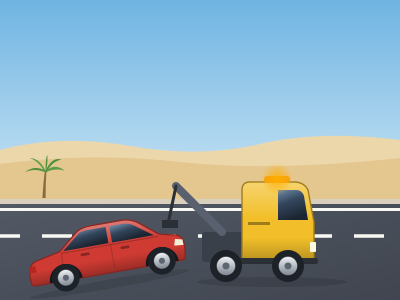
What speed restriction applies to a vehicle towing another vehicle on an Oman road?
- AThe same as the normal posted road limit
- BA speed lower than the normal posted limit, because the tow lengthens braking and can make both vehicles unstable
- CNo speed restriction applies to towing
- DAlways 40 km/h on every road type
Answer and explanation in the bank
- Q17Traffic rules
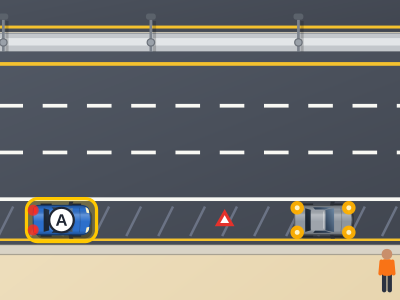
When may a private car use the hard shoulder of an Oman highway?
- AWhen traffic is very heavy and movement is slow
- BOnly in a genuine emergency or breakdown; it is not a driving lane
- CTo overtake vehicles on the right at any time
- DDuring rush hours when it is opened as an extra lane
Answer and explanation in the bank
- Q18Traffic rules
You see a bus lane marked on an Oman road. When may a private car use it?
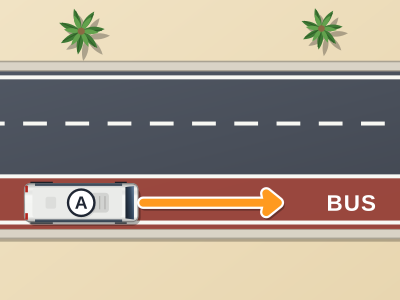
- AOnly outside the operating hours shown on the bus lane sign, or if the sign does not restrict private cars
- BAt any time as long as no bus is currently using the lane
- COnly at night when bus services have stopped
- DPrivate cars may never use a bus lane under any circumstances
Answer and explanation in the bank
- Q19Traffic rules
How does extreme heat in Oman affect your vehicle, and what precaution should you take?
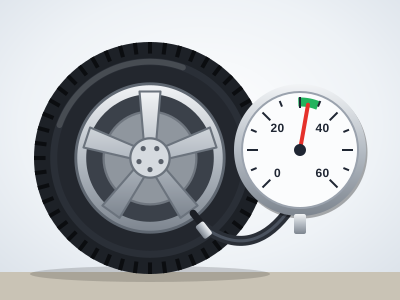
- AHeat can raise tyre pressure and cause engine overheating; check tyre pressure when cold and monitor the temperature gauge
- BHeat has no meaningful effect on a modern vehicle
- CDeflate tyres slightly before driving in the heat to compensate for pressure rise
- DRun the air conditioning on maximum to cool the engine down
Answer and explanation in the bank
- Q20Traffic rules
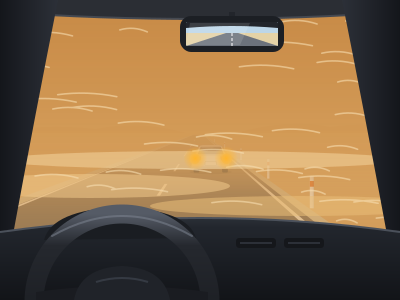
A sudden sandstorm reduces visibility to under 20 metres and you cannot safely pull off the road in Oman. What should you do?
- AAccelerate to pass through the storm as quickly as possible
- BSlow to a very low speed, switch on low-beam headlights and hazard lights, and move toward the road edge seeking the nearest safe stopping point
- CStop immediately in your lane with full headlights on so others can see you
- DFollow the vehicle ahead at your normal following distance
Answer and explanation in the bank
Every answer above, with the rule it comes from, plus the full 20-question timed test.
Get the Oman Driving Test Questions PDF (ROP) - OMR 1.5What this test covers
Topics include road signs, traffic signals, right of way, roundabouts, speed limits, seat belts, fines and penalties, and the safe-driving rules specific to your vehicle category. Full question-by-question feedback with explanations is shown immediately after you finish the test above.
Frequently asked questions
How many questions is the Al Wusta Royal Oman Police light vehicle theory test?
The official Royal Oman Police light vehicle theory test in Al Wusta has 30 questions and you need 23 correct (75%) to pass. This practice test has 20 questions.
Is this the real exam?
These are practice questions to help you revise, written to the published rules and to what candidates report from the real test. They are not the official Oman exam and the real question bank, format, fees and pass mark are set by the Royal Oman Police, and can change. Always confirm the current requirements with your driving school or the Royal Oman Police.
Is this practice test free?
The first 10 questions are free, with no signup, and each shows the answer and the reason. The full 20-question test, timed, is in the Oman Driving Test Questions PDF (ROP) (OMR 1.5, one payment), with every question in the bank.
What does the Al Wusta light vehicle theory test cover?
Road signs, traffic signals, right of way, roundabouts, speed limits, seat belts, penalties and safe-driving rules, plus the handling and safety topics specific to your vehicle.