

Al Wusta Royal Oman Police Light vehicle
Practice mode· Right of way & safetyAl Wusta Royal Oman Police - Oman Safe Driving Practice Test
Covers defensive driving, following distances, fatigue, visibility, adverse weather and hazard awareness. Safe driving habits save lives and keep your licence clean.
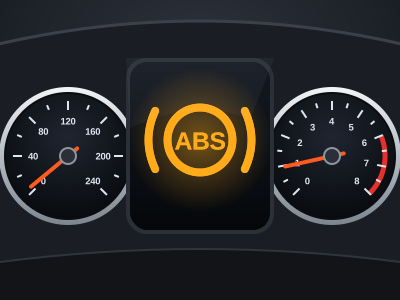
What is the main safety advantage of ABS in an emergency braking situation?
The other 12 questions in this test
Read them all. The answer and the reason for each, and the timed 22-question run, are in the Oman Driving Test Questions PDF (ROP).
- Q11Safe driving
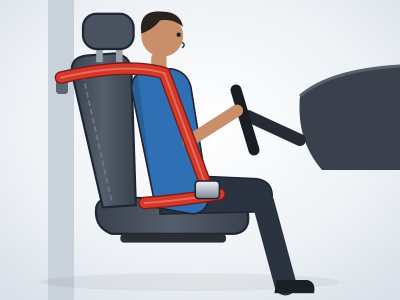
Who must wear a seat belt in a vehicle being driven in Oman?
- AOnly the driver
- BOnly the driver and front passenger
- CThe driver and all passengers in every occupied seat
- DOnly passengers under the age of 18
Answer and explanation in the bank
- Q12Safe driving
A seat belt is positioned incorrectly and the shoulder strap runs behind the wearer's back. How does this affect safety in a crash?
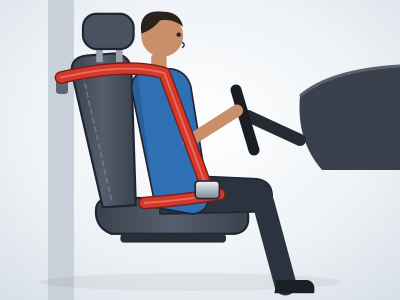
- AIt is extremely dangerous: the wearer will not be restrained and may be thrown forward or out of the vehicle
- BIt is slightly less effective but still provides most of the protection
- CIt is safer because it prevents chest injury from the belt
- DIt makes no difference; the lap belt alone provides sufficient restraint
Answer and explanation in the bank
- Q13Safe driving
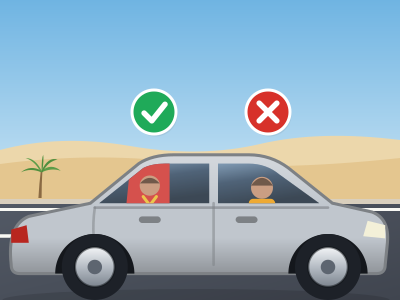
At what age can a child legally sit in the front seat of a vehicle in Oman?
- AFrom birth, provided they are in a rear-facing car seat in the front
- BFrom age 10; children under 10 must not sit in the front seat
- CFrom age 3, if they use a booster seat
- DThere is no age restriction in Oman
Answer and explanation in the bank
- Q14Safe driving
A parent places a rear-facing infant seat in the front passenger seat where an active airbag is fitted. Why is this dangerous?
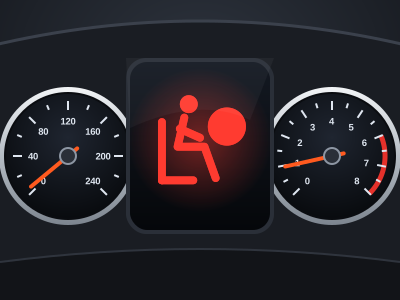
- AIt is perfectly safe because airbags only deploy in severe crashes
- BModern airbags detect child seats and do not deploy
- CIf the airbag deploys, it will strike the back of the child seat with enormous force, potentially killing the infant
- DRear-facing seats are only dangerous in the rear of the vehicle
Answer and explanation in the bank
- Q15Safe driving
An airbag is designed to work together with what other safety system to provide maximum protection in a crash?
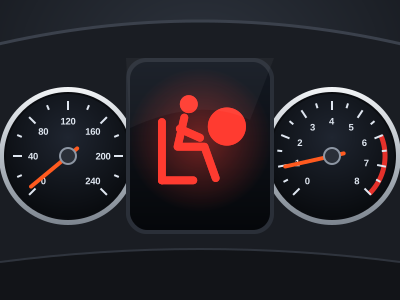
- AThe seat belt, which keeps the occupant in position so the airbag can cushion them correctly
- BABS, which helps the airbag deploy faster
- CThe headrest, which prevents the airbag from inflating in the wrong direction
- DAirbags are a standalone system and do not depend on other safety features
Answer and explanation in the bank
- Q16Safe driving
You are driving from Muscat to Salalah on a long desert highway. After three hours you feel your eyelids growing heavy. What should you do?
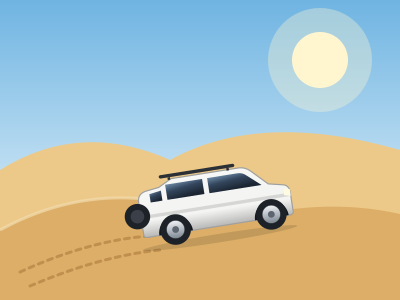
- APull off the road at the next safe stopping point, rest or sleep, and do not drive again until you feel fully alert
- BOpen the windows and turn up the air conditioning to stay awake
- CDrink a large coffee and continue at a slightly lower speed
- DTurn up the radio loudly and keep going to reach the next town
Answer and explanation in the bank
- Q17Safe driving
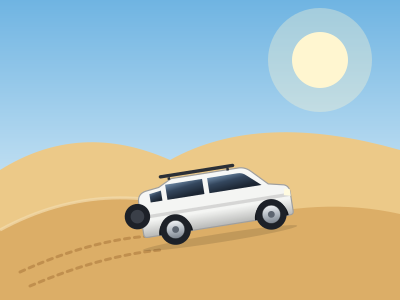
How long should you plan to drive before taking a rest break on a long Omani desert highway to reduce fatigue risk?
- ANo more than six hours, as that is the legal limit
- BNo more than two hours of continuous driving
- CYou can drive until you feel tired and then stop
- DRest breaks are only necessary after 500 km
Answer and explanation in the bank
- Q18Safe driving
Which of the following is a reliable early warning sign that you are too fatigued to drive safely on a desert highway in Oman?
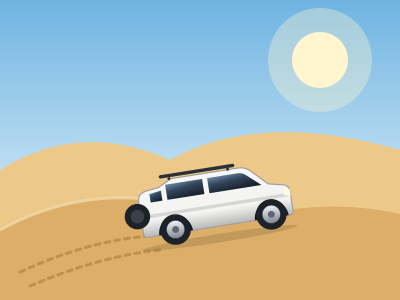
- AYou feel slightly thirsty but your reaction time feels normal
- BThe sun is in your eyes and you have been driving for 30 minutes
- CYou find yourself repeatedly blinking hard, struggling to focus, or missing road signs you know you passed
- DYour passenger has fallen asleep
Answer and explanation in the bank
- Q19Safe driving
You are driving on an Omani road in thick fog. Which lights should you use?
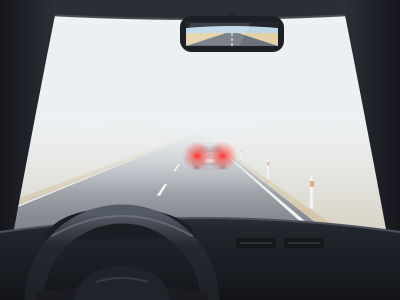
- AFull-beam (high-beam) headlights for maximum visibility
- BHazard lights only, so others can see you are stopped
- CNo lights; they reflect off the fog and make things worse
- DDipped (low-beam) headlights and front/rear fog lights if fitted
Answer and explanation in the bank
- Q20Safe driving
What speed adjustment should you make when driving in fog on an Omani highway?
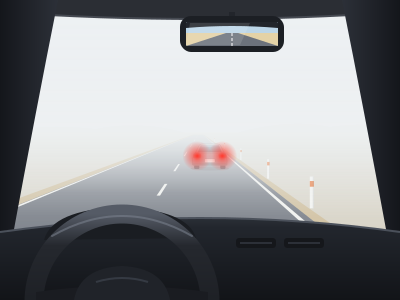
- AReduce speed by exactly 20 km/h below the posted limit
- BKeep to the posted speed limit but follow the vehicle ahead closely
- CSpeed up to clear the fog zone quickly
- DSlow down until your stopping distance is within the distance you can actually see ahead
Answer and explanation in the bank
- Q21Safe driving
A dust storm (haboob) suddenly reduces visibility on an Omani desert road to near zero. What should you do?
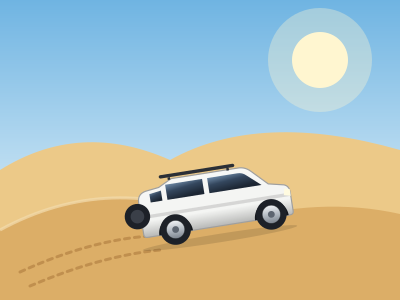
- AMaintain speed and follow the tail lights of the vehicle ahead closely
- BPull completely off the road onto the hard shoulder or desert edge, switch off your headlights, and wait with hazard lights on until the storm passes
- CSlow down to 40 km/h and use your hazard lights while continuing to drive
- DSwitch to full beam headlights to penetrate the dust
Answer and explanation in the bank
- Q22Safe driving
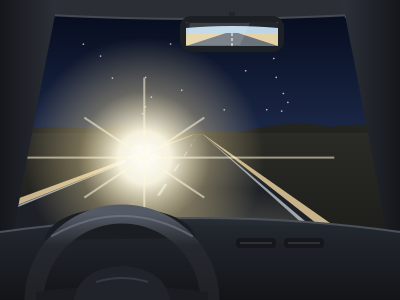
When should you switch on your headlights while driving in Oman?
- AOnly after it is fully dark
- BAt dusk, at night, in poor visibility from rain or dust, and in tunnels
- COnly when driving on unlit roads outside cities
- DOnly in tunnels, as Omani roads are well lit
Answer and explanation in the bank
Every answer above, with the rule it comes from, plus the full 22-question timed test.
Get the Oman Driving Test Questions PDF (ROP) - OMR 1.5What this test covers
Topics include road signs, traffic signals, right of way, roundabouts, speed limits, seat belts, fines and penalties, and the safe-driving rules specific to your vehicle category. Full question-by-question feedback with explanations is shown immediately after you finish the test above.
Frequently asked questions
How many questions is the Al Wusta Royal Oman Police light vehicle theory test?
The official Royal Oman Police light vehicle theory test in Al Wusta has 30 questions and you need 23 correct (75%) to pass. This practice test has 22 questions.
Is this the real exam?
These are practice questions to help you revise, written to the published rules and to what candidates report from the real test. They are not the official Oman exam and the real question bank, format, fees and pass mark are set by the Royal Oman Police, and can change. Always confirm the current requirements with your driving school or the Royal Oman Police.
Is this practice test free?
The first 10 questions are free, with no signup, and each shows the answer and the reason. The full 22-question test, timed, is in the Oman Driving Test Questions PDF (ROP) (OMR 1.5, one payment), with every question in the bank.
What does the Al Wusta light vehicle theory test cover?
Road signs, traffic signals, right of way, roundabouts, speed limits, seat belts, penalties and safe-driving rules, plus the handling and safety topics specific to your vehicle.