

Musandam Royal Oman Police Light vehicle
Timed mock exam· Full mock examsMusandam Royal Oman Police - Oman Theory Mock Test 2
Second full mock exam covering all Oman theory topics. A different question selection to Mock Test 1 so you can keep practising without repetition.
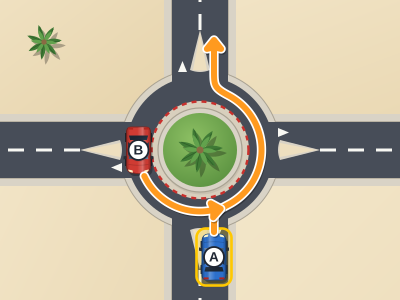
At a roundabout in Oman, who has priority?
The other 20 questions in this test
Read them all. The answer and the reason for each, and the timed 30-question run, are in the Oman Driving Test Questions PDF (ROP).
- Q11Road signs and signals
What does this sign warn you about?
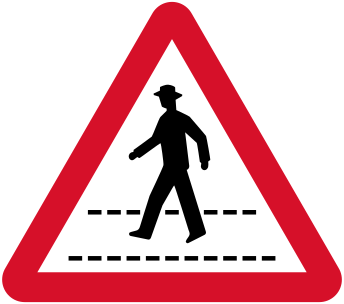
- AA pedestrian crossing is ahead
- BA school zone is ahead
- CPedestrians are not allowed on this road
- DA cycle crossing is ahead
Answer and explanation in the bank
- Q12Traffic rules
When should you use hazard warning lights while driving in Oman?
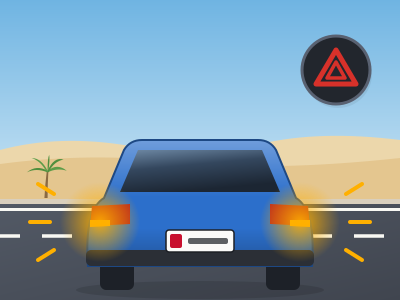
- AWhen the vehicle is stationary and causing an obstruction, or in a genuine emergency
- BTo signal to following traffic that you are turning
- CWhenever you are driving slowly in traffic
- DTo thank another driver for giving way
Answer and explanation in the bank
- Q13Right of way
A police officer at a junction is facing you with their arm raised towards you. What must you do?
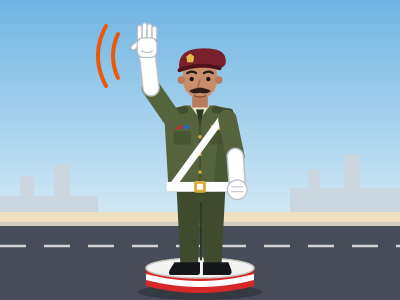
- ASlow down but continue if the traffic light shows green
- BSound the horn to alert the officer and continue through
- CStop only if the officer is waving you down specifically
- DStop immediately; the officer's signal overrides all signs and signals
Answer and explanation in the bank
- Q14Safe driving
An airbag is designed to work together with what other safety system to provide maximum protection in a crash?
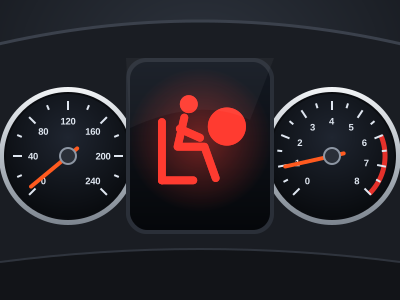
- AThe seat belt, which keeps the occupant in position so the airbag can cushion them correctly
- BABS, which helps the airbag deploy faster
- CThe headrest, which prevents the airbag from inflating in the wrong direction
- DAirbags are a standalone system and do not depend on other safety features
Answer and explanation in the bank
- Q15Penalties and fines
Why is speeding near a school in Oman treated more seriously than speeding on an open road?
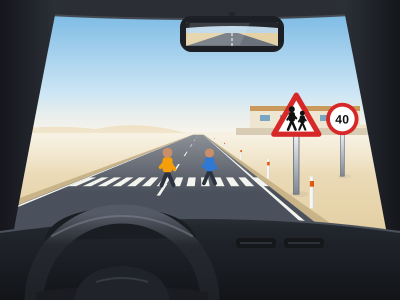
- AIt is not treated more seriously; the same standard fine applies everywhere
- BSchool zones have lower speed limits and violations attract heavier penalties because of the increased risk to children
- CSchool zone limits are only enforced during school holidays
- DPolice only issue warnings in school zones, not fines
Answer and explanation in the bank
- Q16Road signs and signals
A pedestrian steps onto a marked crossing ahead of your vehicle. What must you do?
- ASound the horn to warn the pedestrian and continue
- BFlash your headlights to signal the pedestrian to wait
- CStop and allow the pedestrian to cross safely
- DContinue at reduced speed, passing close to the kerb
Answer and explanation in the bank
- Q17Traffic rules
When must you use headlights while driving in Oman?
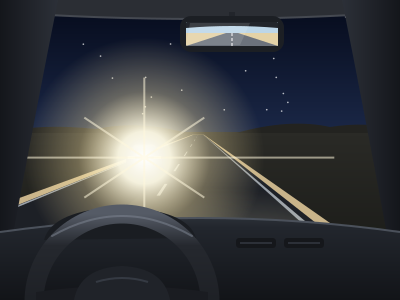
- AOnly in full darkness, not at dusk or dawn
- BOnly when using the highway
- CHeadlights are optional at all times in Oman
- DFrom sunset to sunrise, and whenever visibility is reduced by fog, dust, or heavy rain
Answer and explanation in the bank
- Q18Right of way
You are about to pull out of a parking space on the side of the road. Who has priority?
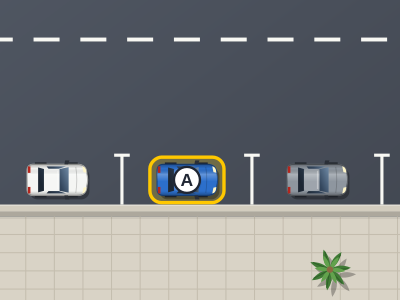
- AYou have priority because your vehicle is in front of the other vehicles
- BMoving traffic on the road has priority over you
- CPriority is equal if you have been signalling for more than three seconds
- DPedestrians must give way to you; other vehicles have equal priority
Answer and explanation in the bank
- Q19Safe driving
You are driving from Muscat to Salalah on a long desert highway. After three hours you feel your eyelids growing heavy. What should you do?
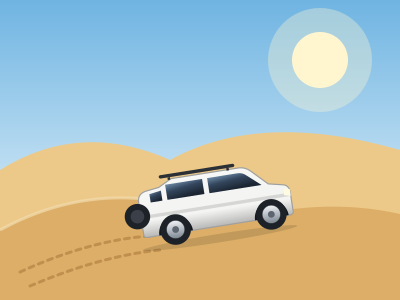
- APull off the road at the next safe stopping point, rest or sleep, and do not drive again until you feel fully alert
- BOpen the windows and turn up the air conditioning to stay awake
- CDrink a large coffee and continue at a slightly lower speed
- DTurn up the radio loudly and keep going to reach the next town
Answer and explanation in the bank
- Q20Penalties and fines
What must a driver do when facing a red traffic signal in Oman?
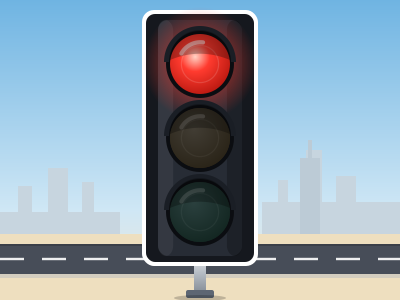
- ASlow down and proceed if no other traffic is visible
- BStop completely behind the stop line and wait for the signal to change
- CProceed carefully if the intersection appears clear
- DStop only if pedestrians are actively crossing
Answer and explanation in the bank
- Q21Road signs and signals
This sign is positioned outside a school. What extra precautions should you take?
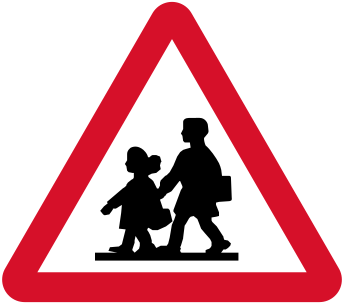
- ASound the horn to warn children and maintain normal speed
- BSlow down only if a crossing warden is present
- CReduce speed significantly and watch carefully for children crossing
- DSlow down only during official school hours
Answer and explanation in the bank
- Q22Traffic rules
When should you switch from high beam to low beam headlights on an Oman road at night?
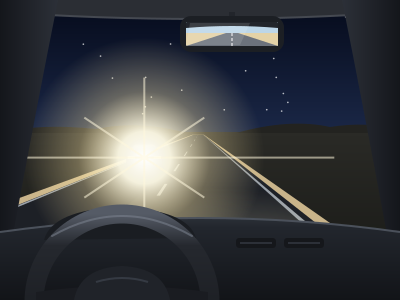
- AOnly when a police officer signals you to do so
- BOnly in built-up areas that have street lighting
- CHigh beam should always be used at night for maximum safety
- DWhen an oncoming vehicle or a vehicle ahead is close enough that high beam would dazzle them
Answer and explanation in the bank
- Q23Right of way
At an unmarked Y-junction (fork in the road) you arrive at the same time as a vehicle coming from the road that merges in from your right. Who gives way?
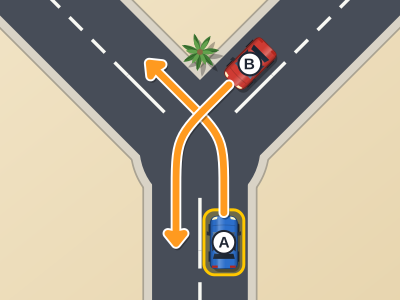
- AYou give way to the vehicle coming from the right
- BThe vehicle on the right gives way because it is merging into your road
- CThe vehicle travelling faster has priority
- DBoth vehicles stop until one driver waves the other through
Answer and explanation in the bank
- Q24Safe driving
How long should you plan to drive before taking a rest break on a long Omani desert highway to reduce fatigue risk?
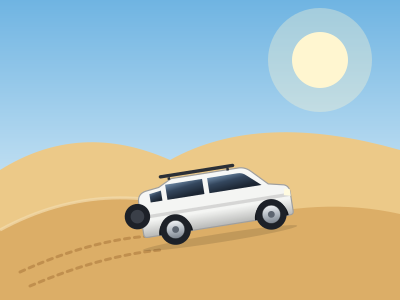
- ANo more than six hours, as that is the legal limit
- BNo more than two hours of continuous driving
- CYou can drive until you feel tired and then stop
- DRest breaks are only necessary after 500 km
Answer and explanation in the bank
- Q25Penalties and fines
A driver runs a red light in Oman but no police officer is nearby. Can they assume they will not be penalised?
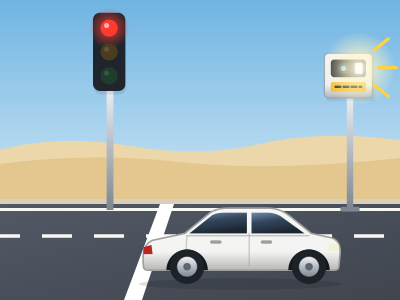
- AYes, if there is no officer on duty there is no record of the violation
- BOnly if another driver files a report with police
- CNo, automated red-light cameras capture violations and a fine notice is issued to the registered owner
- DYes, cameras only operate between 6 am and 10 pm
Answer and explanation in the bank
- Q26Road signs and signals
You see this sign ahead. What does it mean and how should you respond?
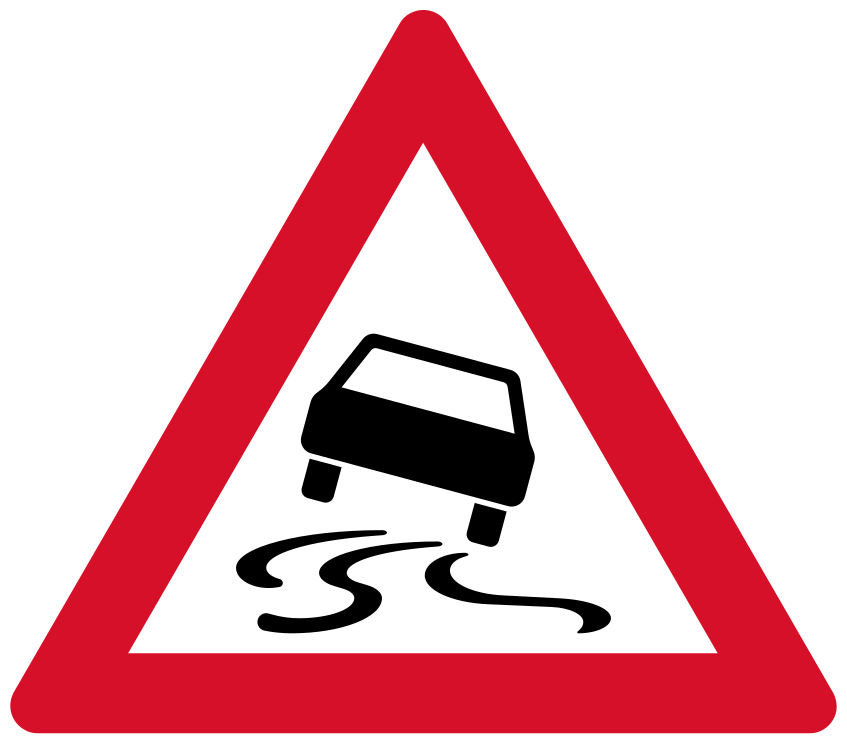
- AThe road is flooded and closed
- BThe road surface ahead may be slippery - reduce speed and avoid sharp inputs
- CLoose gravel is scattered across the road
- DSand dunes are encroaching on the carriageway
Answer and explanation in the bank
- Q27Traffic rules
When should you use front fog lights in Oman?
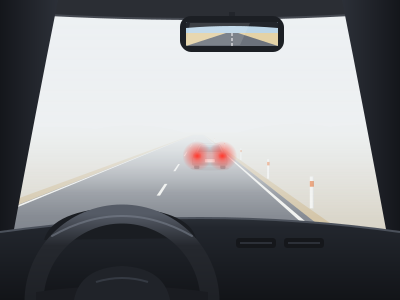
- AAt all times as additional lighting for safety
- BOn unlit rural roads at night as a substitute for headlights
- CWhenever driving below 60 km/h
- DOnly in fog, thick dust, or heavy rain when visibility is seriously reduced
Answer and explanation in the bank
- Q28Right of way
You want to take the second exit at a two-lane roundabout. Which lane should you normally use to enter?
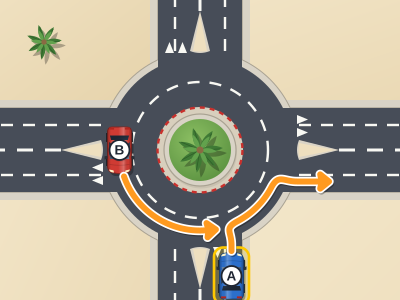
- AAlways use the right lane regardless of which exit you take
- BUse the right lane for the first exit and the left lane for exits beyond the first, unless signs say otherwise
- CAlways use the left lane regardless of which exit you take
- DLane choice on a roundabout does not matter as long as you signal
Answer and explanation in the bank
- Q29Safe driving
Which of the following is a reliable early warning sign that you are too fatigued to drive safely on a desert highway in Oman?
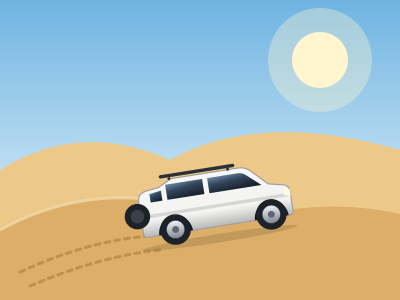
- AYou feel slightly thirsty but your reaction time feels normal
- BThe sun is in your eyes and you have been driving for 30 minutes
- CYou find yourself repeatedly blinking hard, struggling to focus, or missing road signs you know you passed
- DYour passenger has fallen asleep
Answer and explanation in the bank
- Q30Penalties and fines
Approaching a traffic signal in Oman, the light changes from green to amber. You could stop safely. What should you do?
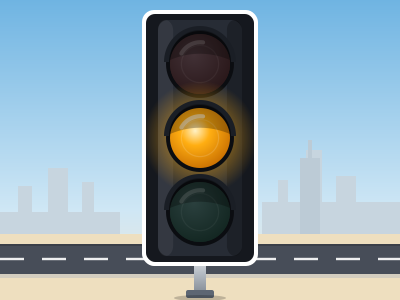
- AAccelerate to clear the junction before the red phase
- BFlash your headlights to alert other drivers you are continuing
- CMaintain your current speed; amber is advisory only
- DSlow down and stop if it is safe to do so
Answer and explanation in the bank
Every answer above, with the rule it comes from, plus the full 30-question timed test.
Get the Oman Driving Test Questions PDF (ROP) - OMR 3What this test covers
Topics include road signs, traffic signals, right of way, roundabouts, speed limits, seat belts, fines and penalties, and the safe-driving rules specific to your vehicle category. Full question-by-question feedback with explanations is shown immediately after you finish the test above.
Frequently asked questions
How many questions is the Musandam Royal Oman Police light vehicle theory test?
The official Royal Oman Police light vehicle theory test in Musandam has 30 questions and you need 23 correct (75%) to pass. This practice test has 30 questions.
Is this the real exam?
These are practice questions to help you revise, written to the published rules and to what candidates report from the real test. They are not the official Oman exam and the real question bank, format, fees and pass mark are set by the Royal Oman Police, and can change. Always confirm the current requirements with your driving school or the Royal Oman Police.
Is this practice test free?
The first 10 questions are free, with no signup, and each shows the answer and the reason. The full 30-question test, timed, is in the Oman Driving Test Questions PDF (ROP) (OMR 3, one payment), with every question in the bank.
What does the Musandam light vehicle theory test cover?
Road signs, traffic signals, right of way, roundabouts, speed limits, seat belts, penalties and safe-driving rules, plus the handling and safety topics specific to your vehicle.