

Al Rayyan General Directorate of Traffic Motorcycle
Practice mode· Motorcycle skillsAl Rayyan General Directorate of Traffic - Qatar Motorcycle Control Practice Test
Focused practice on motorcycle handling: balance, braking, cornering, gear use, positioning and low-speed control. Build the machine skills the theory test expects.
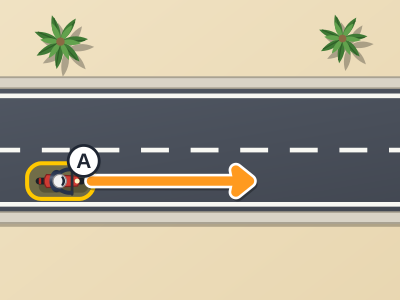
When riding very slowly in a car park, which technique best helps you maintain balance?
The other 10 questions in this test
Read them all. The answer and the reason for each, and the timed 20-question run, are in the Qatar Driving Theory Online Practice Bank.
- Q11Motorcycle control
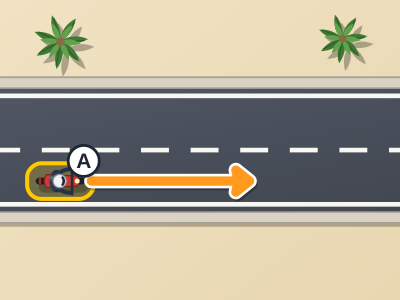
Where should your eyes be focused when executing a slow-speed U-turn?
- AFixed on the front wheel to monitor tyre clearance
- BLooking ahead toward the exit of the turn, in the direction you want to go
- CChecking the mirrors throughout the turn
- DLooking at the road markings to stay within the lane
Answer and explanation in the bank
- Q12Motorcycle control
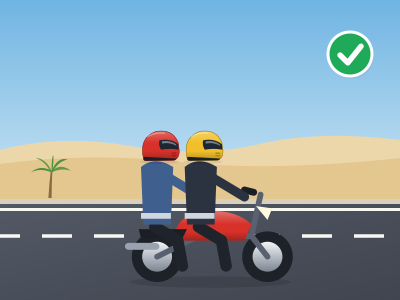
When riding with a pillion passenger, how should you adjust suspension settings if your motorcycle allows it?
- AReduce front fork spring tension to soften the ride for the passenger
- BNo adjustment is needed; modern suspension automatically compensates
- CIncrease front preload only, because pillion weight is forward of the seat
- DIncrease rear suspension preload to compensate for the additional weight and maintain correct ride height and geometry
Answer and explanation in the bank
- Q13Motorcycle control
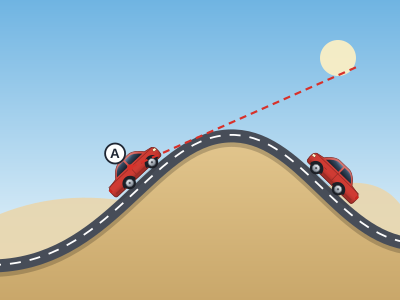
Going downhill on a long descent, which technique helps control speed without overheating the brakes?
- AKeep a high gear and apply the front brake continuously throughout the descent
- BPull in the clutch, select neutral, and coast down using only brakes
- CApply the rear brake continuously at maximum force to limit speed
- DSelect a lower gear and use engine braking, supplemented by short, firm brake applications rather than continuous light braking
Answer and explanation in the bank
- Q14Motorcycle control
How does under-inflated tyre pressure affect motorcycle handling?
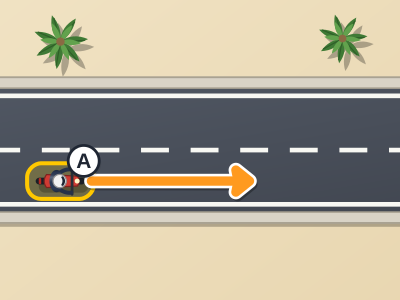
- AIt increases grip by enlarging the contact patch with no drawbacks
- BIt has no noticeable effect on handling at normal road speeds
- CIt causes imprecise, slow steering response, increased tyre wear, greater risk of puncture, and reduced fuel efficiency
- DIt reduces braking distance because the tyre flexes more and absorbs energy
Answer and explanation in the bank
- Q15Motorcycle control
What is the ideal cornering line on a right-hand bend to maximise vision and stability?
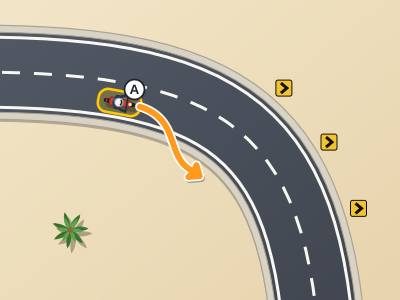
- AStart wide (toward the left side of your lane), apex near the center of the bend, exit wide to the left again
- BCut immediately to the inside (right edge of lane) as soon as the bend appears
- CRide along the right edge of your lane throughout the bend
- DRide in the center of the lane at all times without adjustment
Answer and explanation in the bank
- Q16Motorcycle control
At 80 km/h in dry conditions, what is a reasonable minimum following distance for a motorcycle?
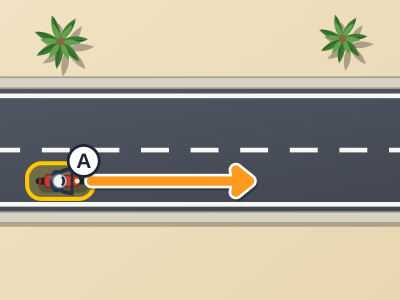
- AAt least 3 seconds of following time, increased further in poor conditions
- BOne car length (approximately 4 metres)
- CHalf a second of following time is sufficient because motorcycles stop quickly
- DFollowing distance only matters for cars; motorcycles can stop instantly
Answer and explanation in the bank
- Q17Motorcycle control
When is it appropriate to use engine braking on a motorcycle rather than the brakes alone?
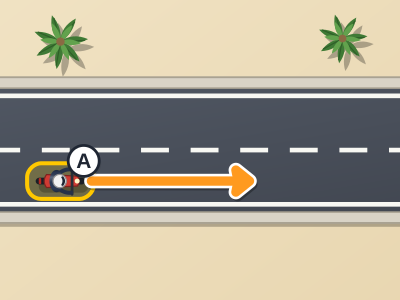
- AOnly in emergencies when the brakes have failed
- BEngine braking should never be used because it wears the drivetrain faster than brakes
- CWhen slowing progressively for junctions, on long downhills, or when you want to smooth speed reduction without pitching weight forward sharply
- DOnly when the motorcycle is in neutral
Answer and explanation in the bank
- Q18Motorcycle control
How does a rear-wheel skid differ from a front-wheel skid in terms of rider recovery?
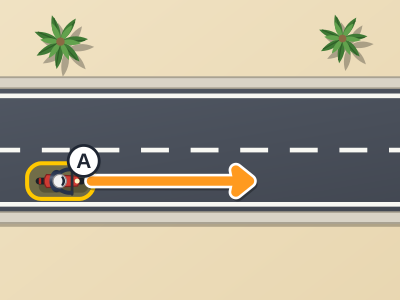
- AA rear skid can often be corrected by easing the brake gradually; a front skid is almost unrecoverable once it begins and usually results in a fall
- BA front skid is easy to correct by turning the bars into the skid; a rear skid cannot be corrected
- CBoth skids are equally recoverable if the rider steers into the slide
- DNeither skid can occur at speeds below 50 km/h
Answer and explanation in the bank
- Q19Motorcycle control
Approximately what proportion of a motorcycle's braking force comes from the front brake on a dry, flat road?
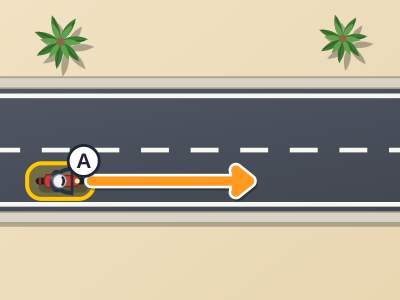
- AAround 20 percent; the rear brake does most of the work
- BExactly 50 percent split between front and rear
- CAround 70 percent, because forward weight transfer loads the front tyre
- DThe front brake provides no stopping force and is used only for balance
Answer and explanation in the bank
- Q20Motorcycle control
What effect does excessive speed have on the lean angle required for a given corner radius?
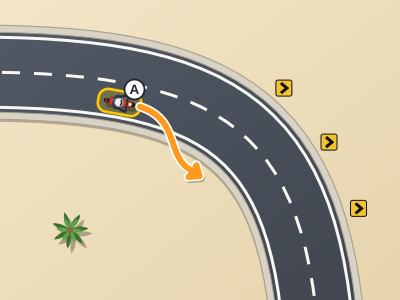
- AHigher speed requires greater lean angle to maintain the same radius, using more of the tyre's grip limit
- BHigher speed reduces the lean angle needed because aerodynamic forces push the bike upright
- CSpeed has no effect on the lean angle for a fixed corner radius
- DHigher speed allows a smaller radius with less lean due to gyroscopic stabilisation
Answer and explanation in the bank
Every answer above, with the rule it comes from, plus the full 20-question timed test.
Get the Qatar Driving Theory Online Practice Bank - QAR 39What this test covers
Topics include road signs, traffic signals, right of way, roundabouts, speed limits, seat belts, fines and penalties, and the safe-driving rules specific to your vehicle category. Full question-by-question feedback with explanations is shown immediately after you finish the test above.
Frequently asked questions
How many questions is the Al Rayyan General Directorate of Traffic motorcycle theory test?
The official General Directorate of Traffic motorcycle theory test in Al Rayyan has 40 questions and you need 37 correct (92.5%) to pass. This practice test has 20 questions.
Is this the real exam?
These are practice questions to help you revise, written to the published rules and to what candidates report from the real test. They are not the official Qatar exam and the real question bank, format, fees and pass mark are set by the General Directorate of Traffic (Ministry of Interior) and the driving schools, and can change. Always confirm the current requirements with your driving school or the traffic department (for example via the Metrash service).
Is this practice test free?
The first 10 questions are free, with no signup, and each shows the answer and the reason. The full 20-question test, timed, is in the Qatar Driving Theory Online Practice Bank (QAR 39, one payment), with every question in the bank.
What does the Al Rayyan motorcycle theory test cover?
Road signs, traffic signals, right of way, roundabouts, speed limits, seat belts, penalties and safe-driving rules, plus the handling and safety topics specific to your vehicle.