

Abu Dhabi ITC Light vehicle
Practice mode· Fines & penaltiesAbu Dhabi ITC - UAE Fines & Black Points Test 2
Second set of 20 questions on fines and penalties - alcohol, mobile phones, licence suspension thresholds, vehicle confiscation and more serious offences.
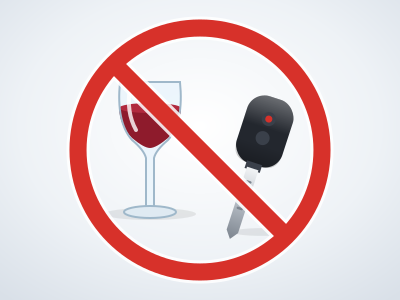
Under the 2024 Federal Traffic Law, what can a court impose on a driver convicted of driving under the influence of alcohol?
The other 10 questions in this test
Read them all. The answer and the reason for each, and the timed 20-question run, are in the Abu Dhabi ITC Theory Test Questions PDF.
- Q11Penalties and fines
Which statement best reflects how UAE traffic penalties are structured overall?
- AEvery offence carries the same fixed fine and nothing else
- BPenalties are chosen randomly with no relation to the offence
- COnly foreign drivers are ever penalised
- DPenalties scale with how dangerous the offence is, combining fines, black points and sometimes impounding or court penalties
Answer and explanation in the bank
- Q12Penalties and fines
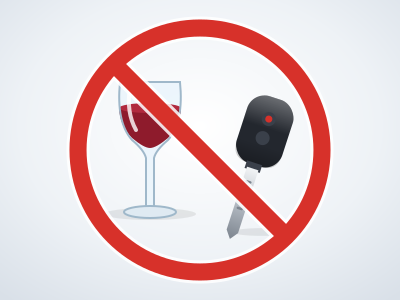
What is the single safest habit to avoid the most serious traffic penalties in the UAE?
- ADrive fast so you spend less time on the road
- BUse your phone only in heavy traffic
- CNever drink and drive at all, since the UAE has zero tolerance for alcohol
- DSkip the seatbelt on short trips
Answer and explanation in the bank
- Q13Penalties and fines
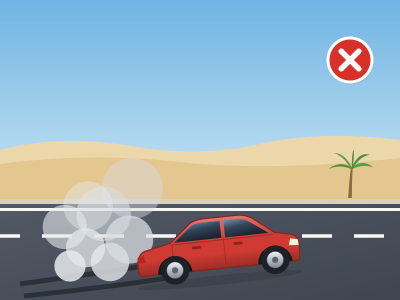
A driver performs drifting on a public road in the UAE. How is this treated under the law?
- ADrifting is allowed on public roads after midnight when traffic is light
- BDrifting is only an offence if you hit something
- CDrifting on a public road is a serious offence that can result in heavy fines, high black points, vehicle impounding and possible imprisonment
- DDrifting carries only a small warning fine
Answer and explanation in the bank
- Q14Penalties and fines
A driver films themselves drifting and posts the video on social media. How does this affect the authorities' ability to prosecute?
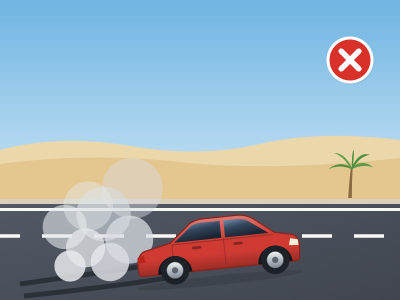
- APolice cannot use social media videos as evidence
- BVideo evidence of drifting on a public road, including self-posted footage, can be used to identify and prosecute the offender
- CPosting the video is itself a traffic offence but drifting is not
- DSelf-posted videos automatically grant immunity from prosecution
Answer and explanation in the bank
- Q15Penalties and fines
What happens if a driver fails to pay a Salik (Dubai road-toll) charge?
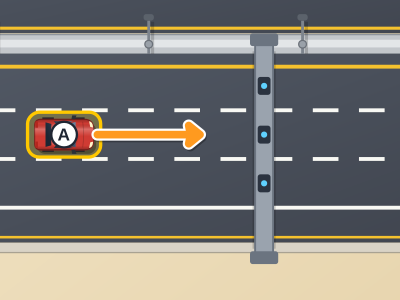
- ANothing happens; Salik evasion is never enforced
- BAn additional administrative penalty or fine is typically added to the unpaid toll, and renewal of registration may be blocked until the balance is cleared
- COnly a polite reminder letter is sent with no consequences
- DThe driver earns a free Salik credit
Answer and explanation in the bank
- Q16Penalties and fines
A driver is involved in a minor traffic collision and drives away without stopping. What is the correct statement?
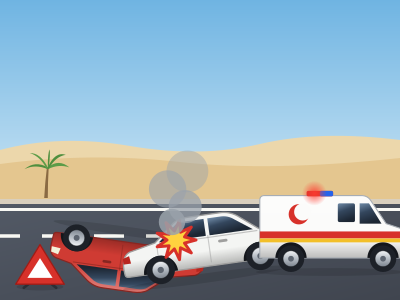
- AIt is acceptable to leave if there are no injuries
- BLeaving the scene of an accident is an offence that typically carries a fine, black points and possibly imprisonment
- COnly the other driver needs to stay; you may leave
- DLeaving is fine as long as you call the police from elsewhere
Answer and explanation in the bank
- Q17Penalties and fines
What is the penalty for throwing rubbish or littering from a vehicle on a UAE road?
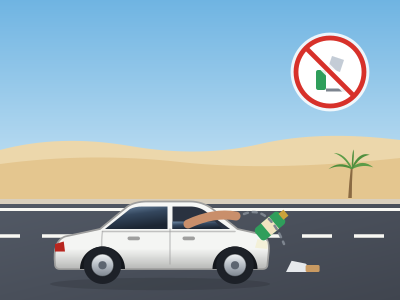
- AIt is an offence that typically carries a fine, as littering from a vehicle is illegal
- BIt is only an offence if the litter hits another vehicle
- CSmall items such as cigarette butts are always exempt
- DLittering from a car is not a traffic offence
Answer and explanation in the bank
- Q18Penalties and fines
A driver stops their vehicle in the middle of a road, blocking traffic with no emergency or breakdown. What can happen?
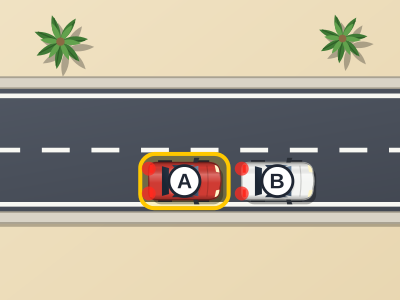
- AObstructing traffic without a valid reason is an offence carrying a fine and possibly black points
- BIt is allowed as long as the hazard lights are on
- CBlocking traffic is never a separate offence
- DIt only becomes an offence if other drivers complain
Answer and explanation in the bank
- Q19Penalties and fines
A driver cuts ahead of a queue of vehicles at a merge point without waiting their turn. What is the correct statement?
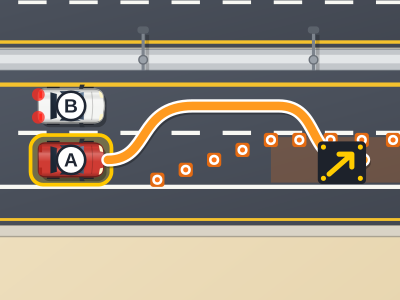
- AQueue-jumping is a common practice with no legal consequence
- BIt is allowed if the driver needs to reach a destination urgently
- CCutting or jumping a traffic queue is an offence that can carry a fine and black points
- DOnly the driver being passed can report it, not a camera
Answer and explanation in the bank
- Q20Penalties and fines
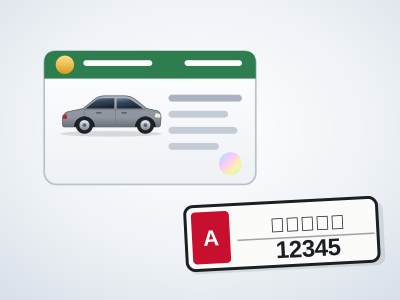
A driver obscures part of their number plate with a cover or dirt so it is hard to read. What is the correct statement?
- ANumber plates only need to be readable from the front
- BObscuring or making a number plate unreadable is an offence that can carry a fine and black points
- CA dirty plate is always acceptable and not penalised
- DNumber-plate covers are legal accessories everywhere in the UAE
Answer and explanation in the bank
Every answer above, with the rule it comes from, plus the full 20-question timed test.
Get the Abu Dhabi ITC Theory Test Questions - AED 29What this test covers
Topics include road signs, traffic signals, right of way, roundabouts, speed limits, seat belts, fines and penalties, and the safe-driving rules specific to your vehicle category. Full question-by-question feedback with explanations is shown immediately after you finish the test above.
Frequently asked questions
How many questions is the Abu Dhabi ITC light vehicle theory test?
The official ITC light vehicle theory test in Abu Dhabi has 40 questions and you need 30 correct (75%) to pass. This practice test has 20 questions.
Is this the real exam?
These are practice questions for study only, written from the public RTA handbook and UAE traffic rules and to what candidates report from the real test. They are not the official exam questions and Wathim is not affiliated with the RTA, ITC, SRTA or any UAE government body. Test format, question count and pass mark can change and vary by emirate, so always confirm the current requirements with the licensing authority before your real test.
Is this practice test free?
The first 10 questions are free, with no signup, and each shows the answer and the reason. The full 20-question test, timed, is in the Abu Dhabi ITC Theory Test Questions PDF (AED 29, one payment), with every question in the bank.
What does the Abu Dhabi light vehicle theory test cover?
Road signs, traffic signals, right of way, roundabouts, speed limits, seat belts, penalties and safe-driving rules, plus the handling and safety topics specific to your vehicle.