

Abu Dhabi ITC Light vehicle
Practice mode· Road rulesAbu Dhabi ITC - UAE Road Rules Test 2
Second set of 20 road rules questions covering overtaking, parking, motorway driving, pedestrian crossings and more. Complete both tests for full rules coverage.
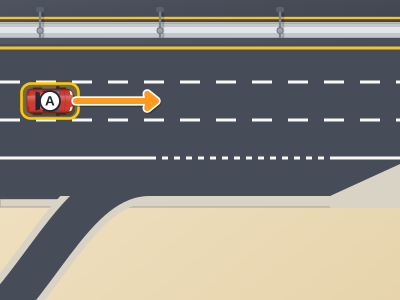
Before changing lanes, what is the safest routine?
The other 10 questions in this test
Read them all. The answer and the reason for each, and the timed 20-question run, are in the Abu Dhabi ITC Theory Test Questions PDF.
- Q11Traffic rules
How should you position your vehicle when waiting to make a permitted U-turn?
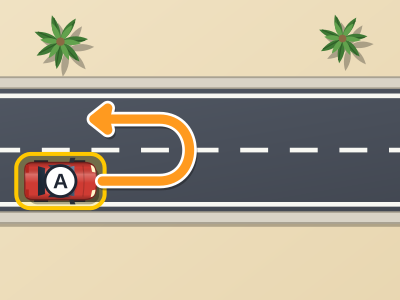
- AIn the far right lane so you can swing across everyone
- BAnywhere, since others must wait for you
- CIn the correct lane for the turn, signalling, without blocking through traffic
- DHalf on the median so oncoming cars can see you
Answer and explanation in the bank
- Q12Traffic rules
In heavy stop-start traffic, what is the correct use of your indicators when changing lanes?
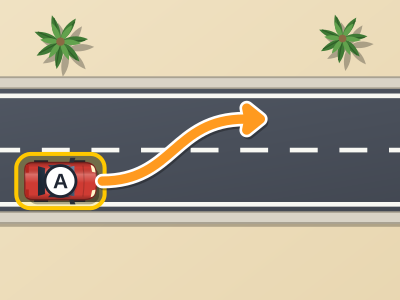
- APush into the next lane without signalling to save time
- BOnly signal after you have completed the move
- CUse hazard lights instead of an indicator
- DSignal your intention early and wait for a driver to leave a gap before moving over
Answer and explanation in the bank
- Q13Traffic rules
You want to enter a roundabout but traffic is continuously circulating with no gap. What should you do?
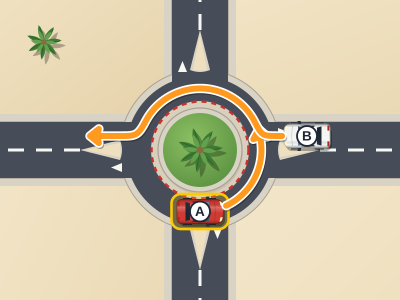
- APush out into the flow and make circulating traffic brake
- BSound your horn until a gap is created
- CEnter slowly and hope traffic avoids you
- DWait at the give-way line until a safe gap appears, then enter
Answer and explanation in the bank
- Q14Traffic rules
Which combination of actions best describes correct behaviour when driving through a long tunnel in daylight?
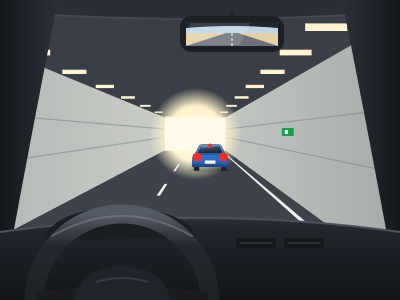
- ATurn on dipped headlights, keep your distance, follow lane markings and do not change lanes unnecessarily
- BKeep lights off because it is daytime and overtake freely
- CUse hazard lights the whole way and weave between lanes
- DStop midway to let your eyes adjust to the dark
Answer and explanation in the bank
- Q15Traffic rules
You are driving at night with full-beam headlights and an oncoming vehicle appears. What must you do?
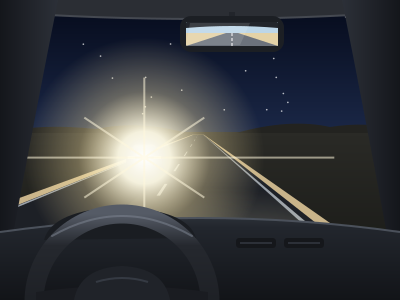
- AKeep full beam on so you can see the road better
- BSwitch to dipped (low-beam) headlights immediately to avoid dazzling the other driver
- CSwitch your lights off briefly as a courtesy signal
- DFlash your lights to warn the other driver
Answer and explanation in the bank
- Q16Traffic rules
You are parking on a downhill slope facing downhill. Which way should you turn your front wheels as an added safety measure?
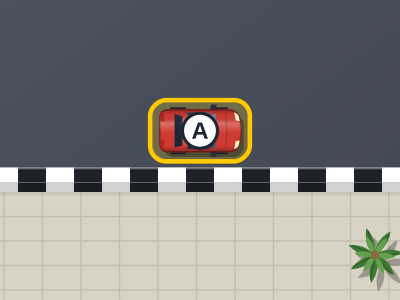
- AKeep them straight to make re-starting easier
- BTurn them toward the kerb so the car rolls into it if the handbrake fails
- CTurn them away from the kerb so the car rolls into the road
- DWheel direction does not matter as long as the handbrake is on
Answer and explanation in the bank
- Q17Traffic rules
You approach a level crossing and the warning lights begin to flash and the barrier starts to lower. What should you do?

- AAccelerate quickly to cross before the barrier fully closes
- BStop before the barrier or stop line and wait until the train has passed and it is fully clear
- CProceed slowly under the descending barrier
- DStop on the tracks and wait for instructions
Answer and explanation in the bank
- Q18Traffic rules
What is the primary purpose of a marked bus lane?
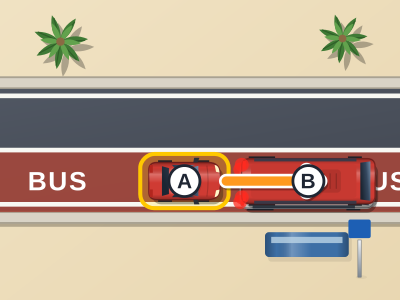
- ATo provide an extra overtaking lane for private cars in rush hour
- BTo mark the hard shoulder as a bus-only stopping area
- CTo keep a dedicated lane clear for buses, taxis and other authorised vehicles so they can move freely
- DTo separate oncoming traffic from the main flow
Answer and explanation in the bank
- Q19Traffic rules
When towing a broken-down vehicle with a tow rope, what must the driver of the towed vehicle do?
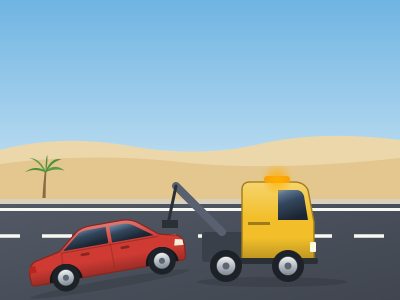
- AStay alert, keep the rope taut, steer and brake as needed, and follow the towing vehicle's signals
- BTurn the engine off and leave the steering unlocked without any input
- CApply the brakes continuously so the rope stays tight
- DSit in the passenger seat and let the rope do all the work
Answer and explanation in the bank
- Q20Traffic rules
Is it legal to make or receive a phone call while driving using a hands-free device in the UAE?
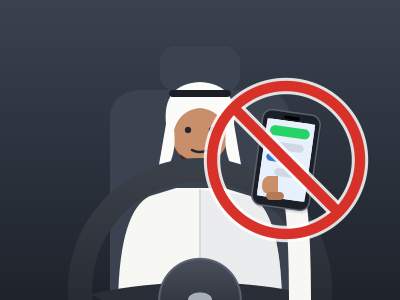
- AYes, a properly fitted hands-free system is permitted, but it is still safer to avoid calls
- BNo, all phone use including hands-free is completely banned
- CYes, and you may also read the screen as long as one hand is on the wheel
- DOnly if you are driving below 60 km/h
Answer and explanation in the bank
Every answer above, with the rule it comes from, plus the full 20-question timed test.
Get the Abu Dhabi ITC Theory Test Questions - AED 15What this test covers
Topics include road signs, traffic signals, right of way, roundabouts, speed limits, seat belts, fines and penalties, and the safe-driving rules specific to your vehicle category. Full question-by-question feedback with explanations is shown immediately after you finish the test above.
Frequently asked questions
How many questions is the Abu Dhabi ITC light vehicle theory test?
The official ITC light vehicle theory test in Abu Dhabi has 40 questions and you need 30 correct (75%) to pass. This practice test has 20 questions.
Is this the real exam?
These are practice questions for study only, written from the public RTA handbook and UAE traffic rules and to what candidates report from the real test. They are not the official exam questions and Wathim is not affiliated with the RTA, ITC, SRTA or any UAE government body. Test format, question count and pass mark can change and vary by emirate, so always confirm the current requirements with the licensing authority before your real test.
Is this practice test free?
The first 10 questions are free, with no signup, and each shows the answer and the reason. The full 20-question test, timed, is in the Abu Dhabi ITC Theory Test Questions PDF (AED 15, one payment), with every question in the bank.
What does the Abu Dhabi light vehicle theory test cover?
Road signs, traffic signals, right of way, roundabouts, speed limits, seat belts, penalties and safe-driving rules, plus the handling and safety topics specific to your vehicle.