

Ras Al Khaimah RAK Traffic Light vehicle
Practice mode· Right of way & safetyRas Al Khaimah RAK Traffic - UAE Safe Driving Practice Test
Covers defensive driving, following distances, fatigue, visibility, adverse weather and hazard awareness. Safe driving habits save lives and keep your licence clean.
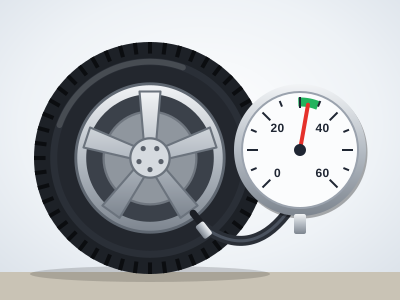
Why should you check your tyres regularly, including tread and pressure?
The other 12 questions in this test
Read them all. The answer and the reason for each, and the timed 22-question run, are in the RAK Traffic Theory Test Questions PDF.
- Q11Safe driving
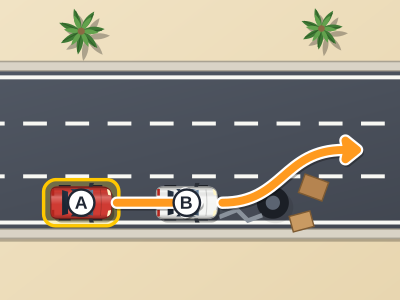
You are driving on a motorway when the car ahead swerves to avoid debris. You have about one second to react. Which factor most determines whether you can avoid it safely?
- AThe colour of the debris on the road
- BWhether your radio was on at the time
- CThe following distance you were maintaining, because a bigger gap gives more reaction time
- DThe make and model of your car
Answer and explanation in the bank
- Q12Safe driving
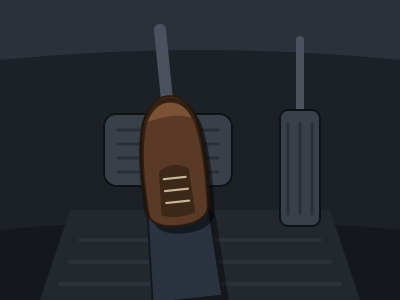
What is the safest seat position for optimal pedal control and visibility?
- AAs far back as possible so your arms are fully extended to the wheel
- BReclined at a near-horizontal angle to reduce fatigue
- CSo close that your knees touch the steering column
- DSeat positioned so your leg has a slight bend when the clutch or brake is fully depressed, and eyes above the steering wheel rim
Answer and explanation in the bank
- Q13Safe driving
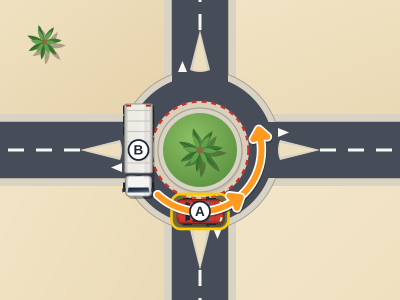
You are approaching a roundabout and notice a large vehicle already circulating. Why should you give it extra space?
- ALarge vehicles always have priority over smaller ones at roundabouts
- BLarge vehicles move more slowly, so you can safely enter ahead of them
- CLarge vehicles have better visibility and will always avoid smaller cars
- DLarge vehicles need more room to steer around the roundabout and may swing wide into your lane
Answer and explanation in the bank
- Q14Safe driving
You are first at a crash where people are injured. Once the scene is safe, what should you do first?
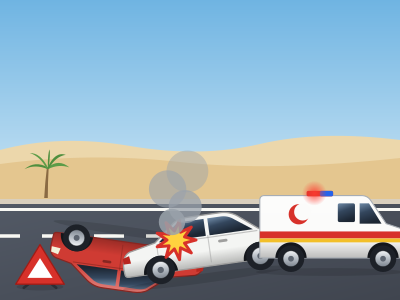
- AMove the injured people out of the cars
- BCall 999 for police or 998 for an ambulance
- CTake photographs
- DDirect traffic yourself
Answer and explanation in the bank
- Q15Safe driving
Under the i-Size child-seat standard, until what age at least must a baby ride rear-facing?
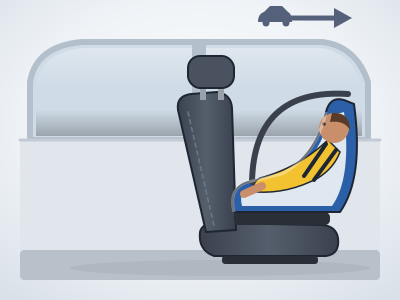
- A6 months
- B9 months
- C12 months
- D15 months
Answer and explanation in the bank
- Q16Safe driving
Where, and facing which way, should a baby seat be fitted?
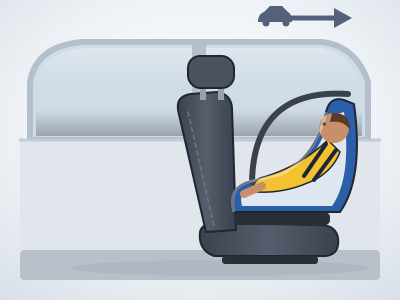
- ARear seat, forward-facing
- BFront seat, forward-facing
- CFront seat, rear-facing in front of an active airbag
- DRear seat, rear-facing
Answer and explanation in the bank
- Q17Safe driving
A child has outgrown a child seat. Until roughly what height should they use a booster seat?
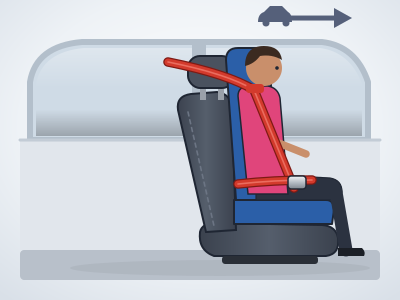
- A125 cm
- B135 cm
- C145 cm
- D165 cm
Answer and explanation in the bank
- Q18Safe driving
How much does a correctly used child car seat reduce the risk of a child being killed in a crash?
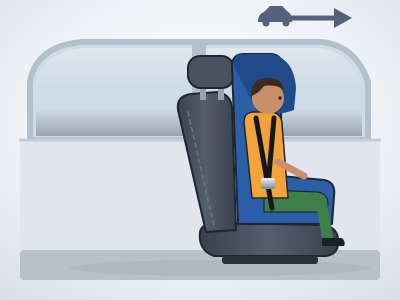
- AHardly at all
- BBy around 10%
- CBy more than half
- DOnly on motorways
Answer and explanation in the bank
- Q19Safe driving
By about how much does wearing a seat belt reduce the risk of death for front-seat occupants in a crash?
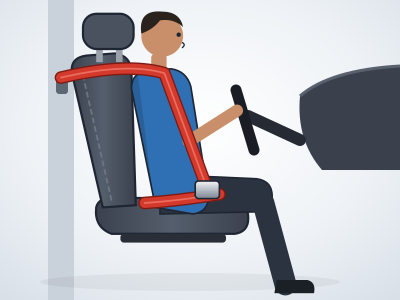
- AAbout 5%
- BAbout 20%
- CAbout half
- DIt makes no difference with airbags
Answer and explanation in the bank
- Q20Safe driving
Your car has airbags. Do you still need to wear a seat belt?
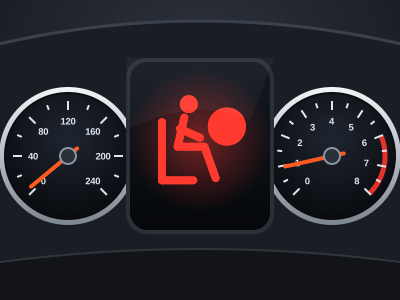
- AYes, at all times: airbags are designed to work with seat belts
- BOnly at high speed
- CNo, airbags replace seat belts
- DOnly on motorways
Answer and explanation in the bank
- Q21Safe driving
How much more likely is a driver using a mobile phone to crash?
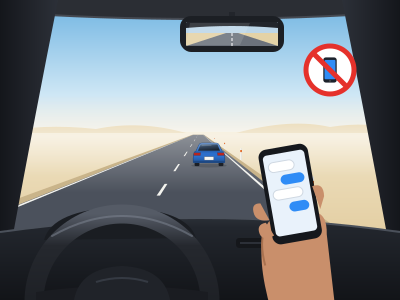
- ATwice as likely
- BAbout four times as likely
- CTen times as likely
- DNo more likely
Answer and explanation in the bank
- Q22Safe driving
It is raining heavily and there is a risk of aquaplaning. What following gap should you keep?
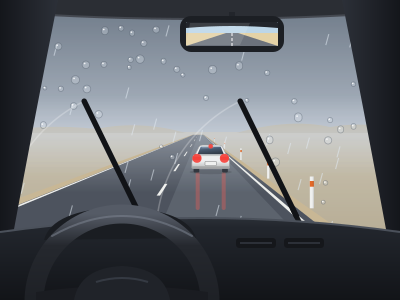
- AOne second
- BTwo seconds
- CAt least four seconds
- DHalf a second
Answer and explanation in the bank
Every answer above, with the rule it comes from, plus the full 22-question timed test.
Get the RAK Traffic Theory Test Questions - AED 29What this test covers
Topics include road signs, traffic signals, right of way, roundabouts, speed limits, seat belts, fines and penalties, and the safe-driving rules specific to your vehicle category. Full question-by-question feedback with explanations is shown immediately after you finish the test above.
Frequently asked questions
How many questions is the Ras Al Khaimah RAK Traffic light vehicle theory test?
The official RAK Traffic light vehicle theory test in Ras Al Khaimah has 40 questions and you need 30 correct (75%) to pass. This practice test has 22 questions.
Is this the real exam?
These are practice questions for study only, written from the public RTA handbook and UAE traffic rules and to what candidates report from the real test. They are not the official exam questions and Wathim is not affiliated with the RTA, ITC, SRTA or any UAE government body. Test format, question count and pass mark can change and vary by emirate, so always confirm the current requirements with the licensing authority before your real test.
Is this practice test free?
The first 10 questions are free, with no signup, and each shows the answer and the reason. The full 22-question test, timed, is in the RAK Traffic Theory Test Questions PDF (AED 29, one payment), with every question in the bank.
What does the Ras Al Khaimah light vehicle theory test cover?
Road signs, traffic signals, right of way, roundabouts, speed limits, seat belts, penalties and safe-driving rules, plus the handling and safety topics specific to your vehicle.