

Ras Al Khaimah RAK Traffic Truck & Bus
Timed mock exam· Full mock examsRas Al Khaimah RAK Traffic - UAE Truck & Bus Theory Mock Test 1
A full 40-question timed practice exam for the UAE heavy-vehicle (truck and bus) theory test. Covers shared road rules and signs plus heavy-vehicle handling and safety. Aim for 30/40 (75%) to pass.
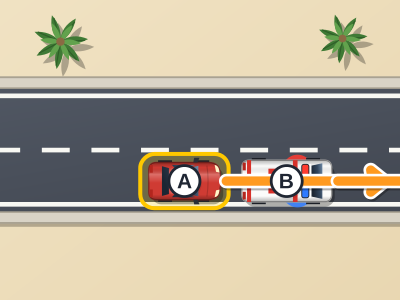
An emergency vehicle with flashing lights and a siren is approaching from behind on a multi-lane road. What should you generally do?
The other 30 questions in this test
Read them all. The answer and the reason for each, and the timed 40-question run, are in the RAK Traffic Theory Test Questions PDF.
- Q11Safe driving
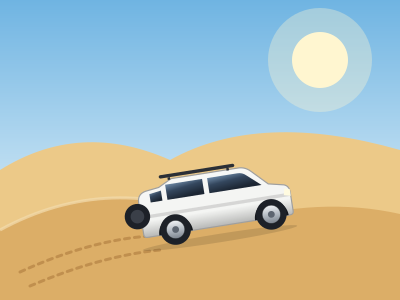
Driving on a sandy or unpaved desert track, how does braking differ from a dry paved road?
- ASand provides extra friction, so braking distances are shorter
- BBraking distance is identical to a paved surface
- CGrip is much lower, so braking distances are significantly longer
- DABS works better on sand than on tarmac
Answer and explanation in the bank
- Q12Heavy vehicle
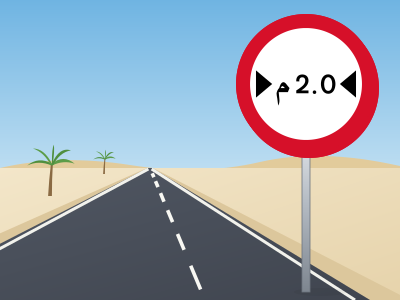
What does a width-restriction sign (a measurement in metres inside a red circle) mean for a heavy vehicle driver?
- AThe road narrows to the stated width ahead, for information only
- BVehicles wider than the stated measurement must not proceed beyond that point
- COnly vehicles carrying hazardous materials are subject to the restriction
- DVehicles may proceed if they travel slowly and cautiously enough
Answer and explanation in the bank
- Q13Road signs and signals
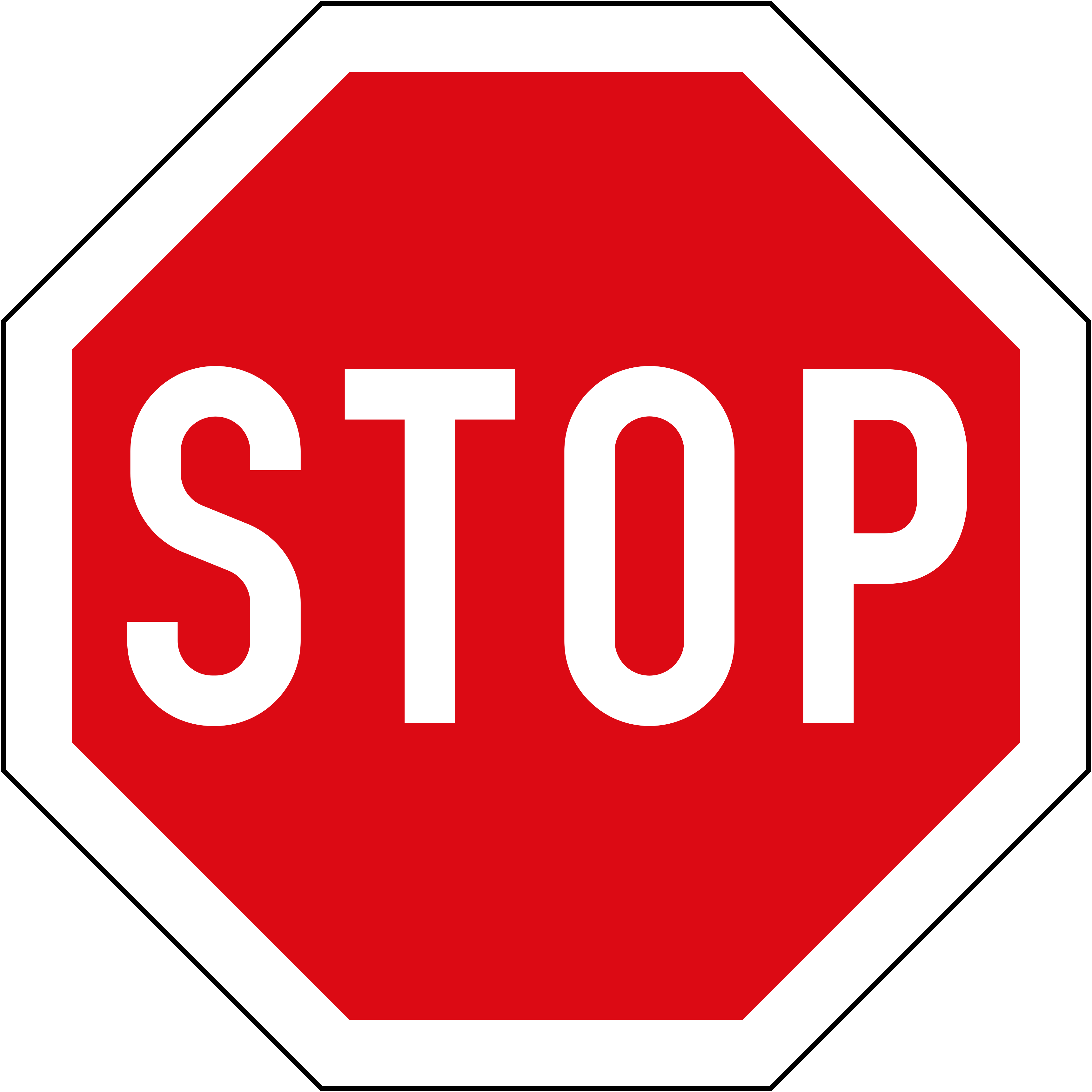
Why is the STOP sign given a shape different from all other signs?
- ATo make it cheaper to produce
- BBecause octagons reflect light better than any other shape
- COnly for decorative reasons
- DSo it can be recognised even when the wording is not visible
Answer and explanation in the bank
- Q14Traffic rules
When should dipped headlights normally be switched on?
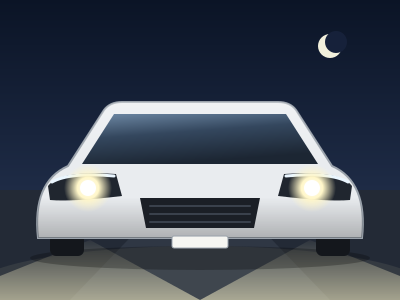
- AOnly when another car flashes you first
- BNever, so you save the battery
- CAt night and when visibility is poor, such as in rain, fog or dust
- DOnly on unlit desert roads
Answer and explanation in the bank
- Q15Right of way
An emergency vehicle with lights and siren is approaching head-on in the oncoming lane on a divided dual carriageway. What should you do?
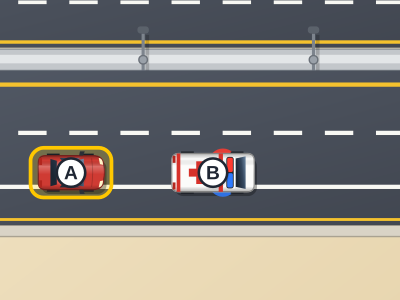
- APull over immediately even though the vehicle is on the opposite side
- BContinue normally in your own lane, as the emergency vehicle is on the other carriageway
- CCross the central reservation to get out of its way
- DMake a U-turn to follow the emergency vehicle
Answer and explanation in the bank
- Q16Penalties and fines
What does it usually cost, in addition to the fine, to get an impounded vehicle released?
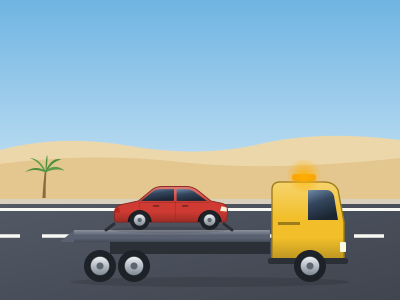
- AA separate release (impound) fee, paid on top of the fine before the car is returned
- BNothing; impounded cars are always released for free
- COnly a signature from the owner
- DA donation of your choice
Answer and explanation in the bank
- Q17Safe driving
Why does the UAE heat make correct tyre pressure especially important?
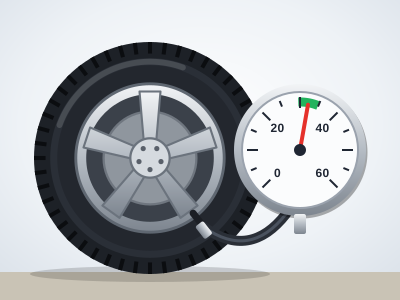
- AHeat makes tyres softer so higher pressure is always better
- BHigh temperatures raise tyre pressure and can increase blowout risk if tyres are already over-inflated
- CTyre pressure has no relationship with temperature
- DOver-inflated tyres grip the road better in the heat
Answer and explanation in the bank
- Q18Heavy vehicle
A driver approaches a bridge with a posted height limit that appears to be only marginally less than the vehicle height. The driver cannot reverse. What is the safest course of action?
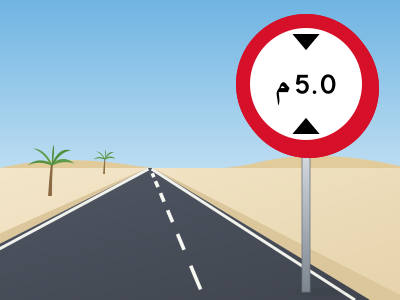
- AStop, seek assistance or a police escort, and do not attempt to pass under the bridge
- BDrive under very slowly with hazard lights on to reduce the risk
- CDeflate the tyres slightly to lower the vehicle and attempt to pass
- DSound the horn, flash the lights, and proceed quickly before other traffic arrives
Answer and explanation in the bank
- Q19Road signs and signals
A red-bordered triangle showing a symbol of falling rocks would mean what?
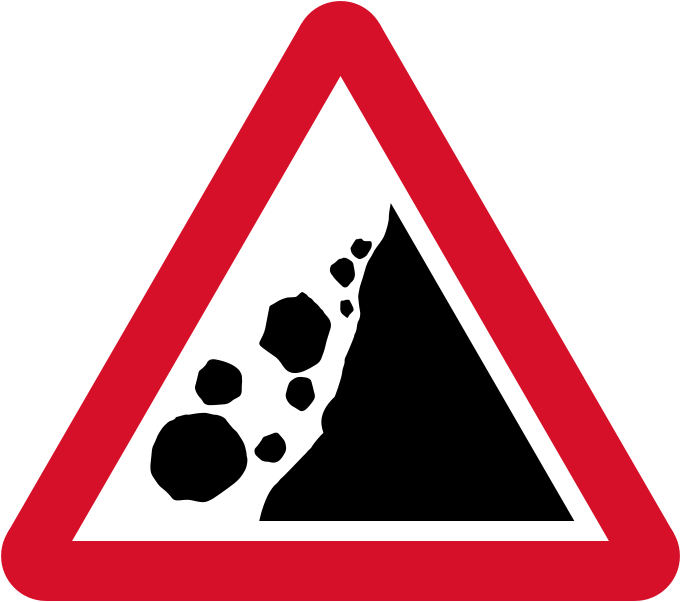
- AQuarry entrance where you must stop
- BNo heavy vehicles allowed
- CWarning: falling or fallen rocks may be on the road ahead
- DConstruction material for sale
Answer and explanation in the bank
- Q20Traffic rules
Which statement about lane discipline on a UAE motorway is correct?
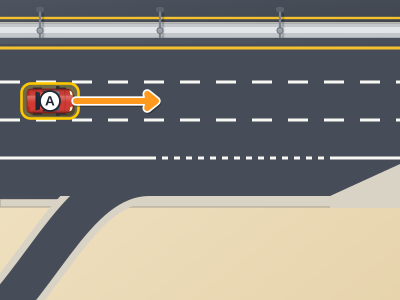
- AFrequent quick lane changes are fine if you are a skilled driver
- BYou should not weave between lanes; move in a planned, signalled way and keep right when not overtaking
- CYou may cross several lanes at once to reach your exit
- DStraddling two lanes is allowed in heavy traffic
Answer and explanation in the bank
- Q21Right of way
A police escort convoy with lights and sirens is passing through an intersection. What should other drivers do?
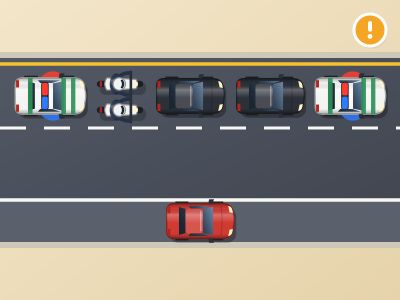
- ASlot in between escort vehicles to save time
- BContinue driving carefully around the convoy
- CStop and wait until the entire convoy has passed before moving
- DFollow immediately behind the last escort vehicle
Answer and explanation in the bank
- Q22Penalties and fines
A driver keeps flashing headlights and driving very close to force a slower car out of the fast lane. What is the correct statement?
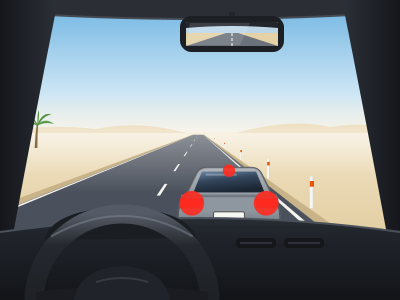
- AIt is an accepted way to ask others to move over
- BIt is legal in the fast lane only
- CIt carries no penalty because no crash happened
- DThis is tailgating and intimidation, an offence carrying a fine and black points
Answer and explanation in the bank
- Q23Safe driving
You experience a sudden front-tyre blowout at highway speed. What is the correct immediate response?
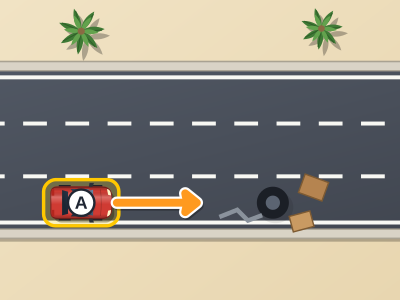
- ABrake hard immediately and steer sharply off the road
- BAccelerate briefly to regain control
- CRelease the steering wheel to prevent overcorrection
- DHold the steering firmly, ease off the accelerator gently, and let the car slow before steering to safety
Answer and explanation in the bank
- Q24Heavy vehicle
Where are the largest blind spots on a typical large rigid truck?
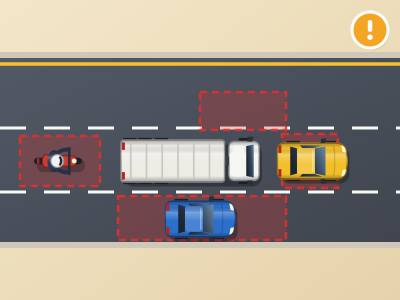
- AOnly directly behind the vehicle, as mirrors cover all other areas
- BOnly to the left side when driving on the right in the UAE
- CImmediately in front of the bumper, directly behind the body, and along both sides close to the vehicle
- DLarge trucks have no significant blind spots because they carry multiple mirrors
Answer and explanation in the bank
- Q25Road signs and signals
Which type of sign tells you about a hazard rather than giving an order?
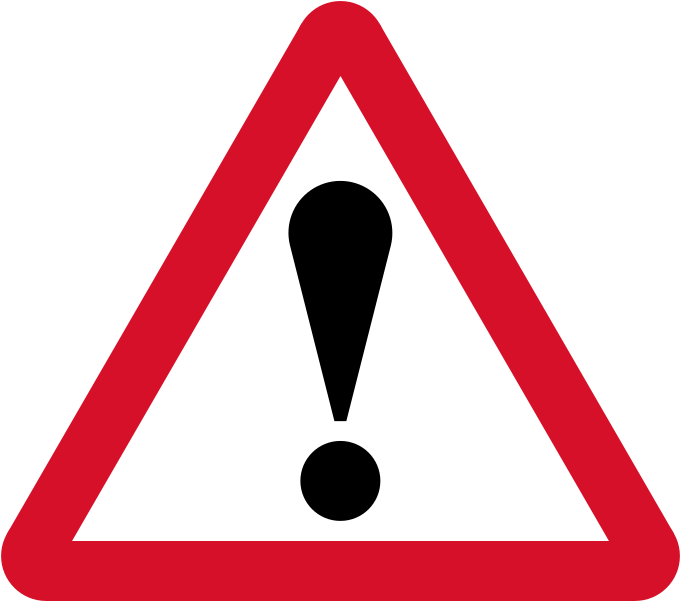
- AA red-bordered triangle
- BA red circle with a bar
- CA blue circle
- DA red octagon
Answer and explanation in the bank
- Q26Traffic rules
You are on a motorway and realise you are about to miss your exit. What should you do?
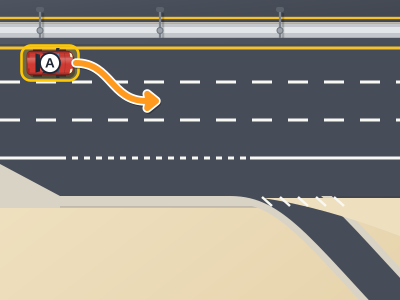
- AReverse along the hard shoulder to reach the slip road
- BStop and wait for a gap to cross back
- CContinue to the next exit and turn around safely; do not reverse or stop
- DMake a sudden swerve across all lanes to the exit
Answer and explanation in the bank
- Q27Right of way
You are approaching a zebra crossing and the vehicle in the lane next to yours has stopped. What should you do?
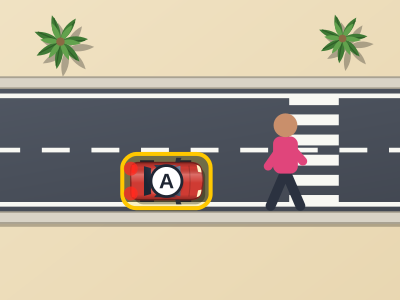
- AContinue at normal speed because the other lane is clear
- BSound your horn to warn anyone crossing
- COvertake the stopped vehicle at the crossing
- DSlow down or stop, because a pedestrian is likely crossing and you may not see them
Answer and explanation in the bank
- Q28Penalties and fines
A camera records a car at a very high speed far above the limit. Besides a fine and black points, what else can happen?
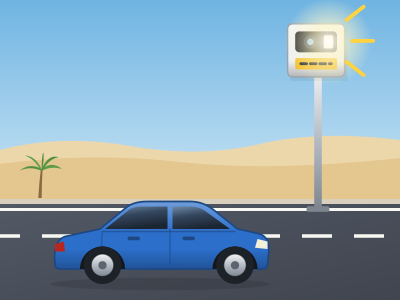
- AThe speed limit is raised for that road
- BThe vehicle can be impounded for a set period for extreme speeding
- CThe driver receives a cash reward for a fast time
- DNothing further ever happens for speed alone
Answer and explanation in the bank
- Q29Safe driving
A rear-tyre blowout causes the car to pull to one side. What should you avoid doing?
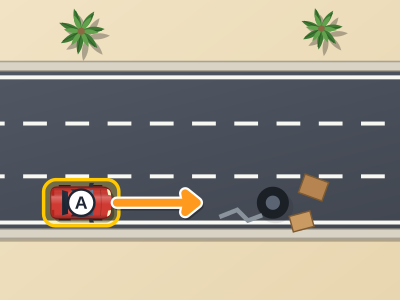
- ABrake as hard as possible immediately
- BSteer sharply away from the blow-out side
- CPut the car in reverse to slow down
- DAvoid braking hard or making sudden steering corrections
Answer and explanation in the bank
- Q30Heavy vehicle
How frequently should a heavy-vehicle driver check mirrors while driving on a busy road?
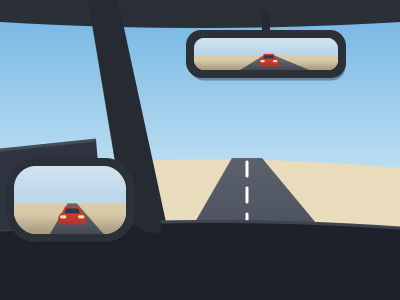
- ARegularly and systematically, every few seconds, and before every manoeuvre
- BOnly when preparing to change lanes
- COnly when reversing
- DEvery five minutes on the motorway is sufficient
Answer and explanation in the bank
- Q31Road signs and signals
You see a No Parking and a No Stopping sign side by side in your mind. Which is more restrictive?
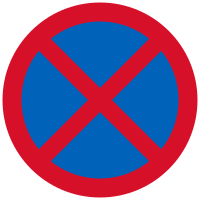
- ANo Parking, because you cannot slow down
- BThey allow exactly the same thing
- CNo Stopping lets you park for a short time
- DNo Stopping, because you cannot even pause there
Answer and explanation in the bank
- Q32Traffic rules
What is the correct action when you want to turn left at a junction (into a road on your left)?
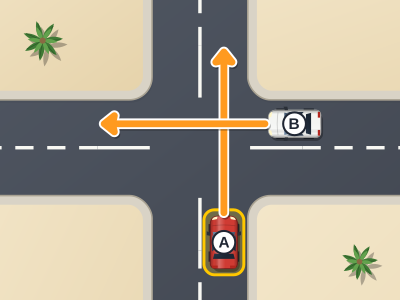
- ASignal left in good time, move to the correct lane, and give way to pedestrians and oncoming traffic as required
- BSwing wide to the right first, then cut left
- CTurn without signalling if the road looks empty
- DCross from the far right lane at the last moment
Answer and explanation in the bank
- Q33Right of way
A cyclist is pushing their bike across a zebra crossing. Do they have the same right of way as a pedestrian?
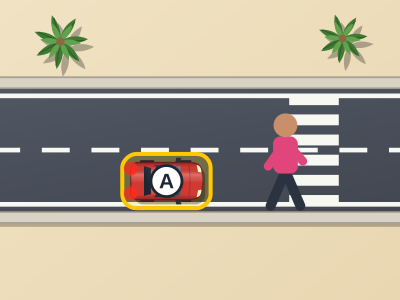
- ANo, cyclists must always dismount and wait for a signal
- BYes, a cyclist on foot pushing their bike across is treated like a pedestrian and you must give way
- CNo, only walking pedestrians have right of way at zebra crossings
- DOnly if the cyclist is wearing a helmet
Answer and explanation in the bank
- Q34Penalties and fines
Your car breaks down on a fast road. When is it acceptable to use the hard shoulder?
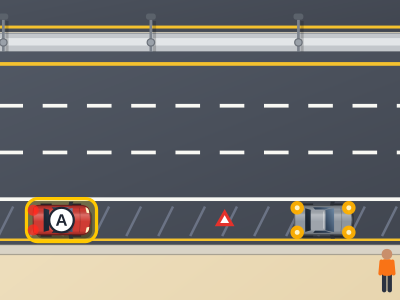
- AAny time traffic is slow
- BOnly in a genuine emergency or breakdown, not to bypass or overtake traffic
- CWhenever you are running late
- DOnly to overtake slower cars
Answer and explanation in the bank
- Q35Safe driving
What does an Anti-lock Braking System (ABS) actually do for a driver?
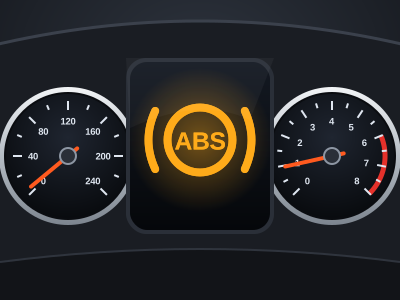
- AIt prevents the wheels from locking so you can still steer while braking hard
- BIt completely removes the need for a following distance
- CIt makes the car stop in a shorter distance than is physically possible
- DIt automatically steers the car away from hazards
Answer and explanation in the bank
- Q36Heavy vehicle
A cyclist moves alongside a truck at a junction. Which mirror is most likely to give the driver a view of them?
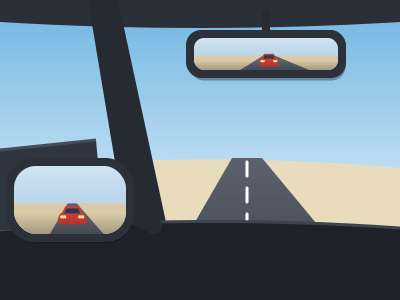
- AThe main interior rear-view mirror only
- BAll mirrors together guarantee the driver will see a cyclist alongside
- CThe wide-angle or close-proximity mirror on the passenger (kerb) side, though even this may not show someone very close to the body
- DNo mirror can show a cyclist positioned directly alongside the cab door
Answer and explanation in the bank
- Q37Road signs and signals
What is the general purpose of road signs?
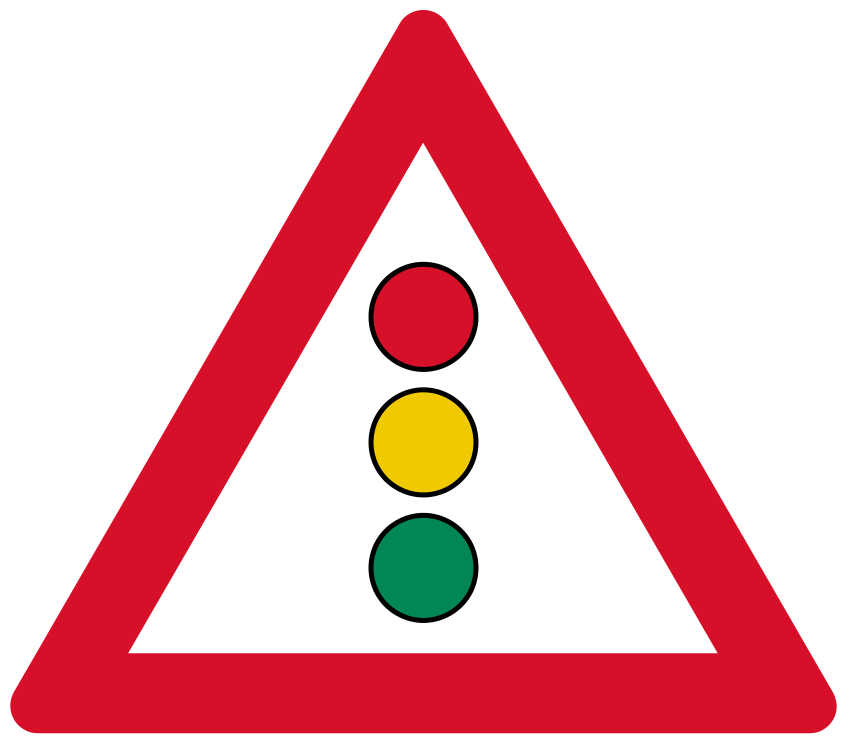
- ATo warn, inform and instruct road users for safety
- BTo advertise nearby businesses
- CTo decorate the roadside
- DTo mark private property only
Answer and explanation in the bank
- Q38Traffic rules
What should you do as you leave a roundabout?
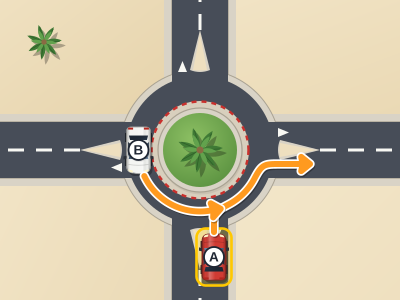
- AStop on the roundabout to check your exit
- BSignal right as you leave
- CSignal left, check your mirrors and the lane you are moving into, then exit smoothly
- DCut across other lanes without signalling
Answer and explanation in the bank
- Q39Right of way
At a signalled intersection you have a green arrow filter signal pointing right. Pedestrians on the road you are turning into are also showing a green walking man. Who yields?
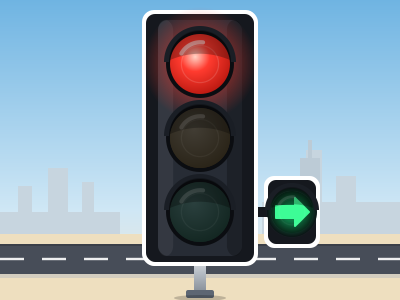
- AYou must yield to the pedestrians even though you have a green filter arrow
- BThe filter arrow gives you full priority over pedestrians
- CPedestrians must wait because vehicles have a dedicated signal
- DBoth have equal priority and must negotiate
Answer and explanation in the bank
- Q40Penalties and fines
Why is a child car seat required rather than just an adult seatbelt for a small child?
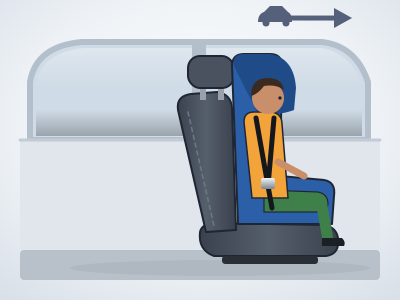
- AChild seats are only a comfort item with no safety value
- BAdult belts always protect children equally well
- CChildren never need any restraint under age ten
- DAn adult belt does not fit a small child safely, and not using a proper restraint is an offence with a fine
Answer and explanation in the bank
Every answer above, with the rule it comes from, plus the full 40-question timed test.
Get the RAK Traffic Theory Test Questions - AED 29What this test covers
Topics include road signs, traffic signals, right of way, roundabouts, speed limits, seat belts, fines and penalties, and the safe-driving rules specific to your vehicle category. Full question-by-question feedback with explanations is shown immediately after you finish the test above.
Frequently asked questions
How many questions is the Ras Al Khaimah RAK Traffic truck & bus theory test?
The official RAK Traffic truck & bus theory test in Ras Al Khaimah has 40 questions and you need 30 correct (75%) to pass. This practice test has 40 questions.
Is this the real exam?
These are practice questions for study only, written from the public RTA handbook and UAE traffic rules and to what candidates report from the real test. They are not the official exam questions and Wathim is not affiliated with the RTA, ITC, SRTA or any UAE government body. Test format, question count and pass mark can change and vary by emirate, so always confirm the current requirements with the licensing authority before your real test.
Is this practice test free?
The first 10 questions are free, with no signup, and each shows the answer and the reason. The full 40-question test, timed, is in the RAK Traffic Theory Test Questions PDF (AED 29, one payment), with every question in the bank.
What does the Ras Al Khaimah truck & bus theory test cover?
Road signs, traffic signals, right of way, roundabouts, speed limits, seat belts, penalties and safe-driving rules, plus the handling and safety topics specific to your vehicle.