

Al Batinah North Royal Oman Police Motorcycle
Practice mode· Motorcycle skillsAl Batinah North Royal Oman Police - Oman Motorcycle Control Practice Test
Focused practice on motorcycle handling: balance, braking, cornering, gear use, positioning and low-speed control. Build the machine skills the theory test expects.
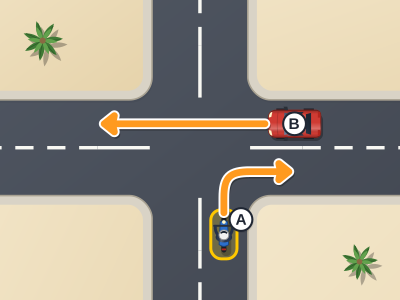
You are riding at 60 km/h and want to turn right. Which handlebar should you push forward to initiate the turn?
The other 10 questions in this test
Read them all. The answer and the reason for each, and the timed 20-question run, are in the Oman Driving Test Questions PDF (ROP).
- Q11Motorcycle control
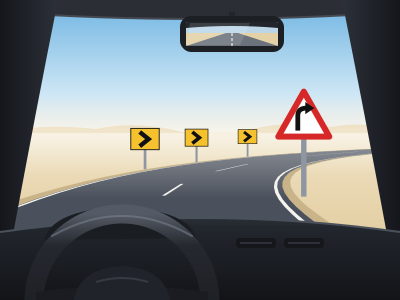
You enter a corner too fast and realise mid-corner that you will run wide. What is the safest corrective action?
- AApply the brakes hard to reduce speed immediately
- BLook through the corner, push the inside bar to increase lean angle, and maintain or gently increase throttle
- CSit up and reduce lean angle to straighten your path
- DDownshift two gears to use engine braking
Answer and explanation in the bank
- Q12Motorcycle control
Before riding with a pillion passenger for the first time, you should...
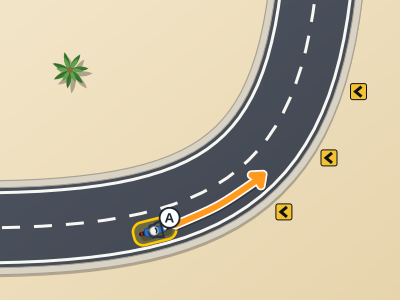
- ABrief the pillion on how to hold on, where to put their feet, not to lean independently, and to move with the bike
- BIncrease tyre pressures to maximum rated value
- CSwitch to a higher gear at all times to compensate for extra weight
- DDisable the rear shock absorber adjustment to lower the seat height
Answer and explanation in the bank
- Q13Motorcycle control
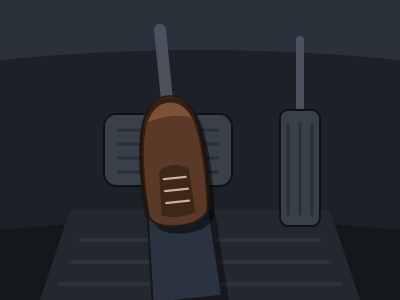
When climbing a steep mountain road in Oman, why should a rider select a lower gear rather than a higher one?
- AA higher gear keeps engine speed low and reduces fuel consumption on climbs
- BA lower gear reduces heat in the brakes on the way up
- CA lower gear provides more torque and engine braking, preventing the engine from labouring and allowing controlled speed
- DGear selection does not matter on climbs as long as the throttle is open
Answer and explanation in the bank
- Q14Motorcycle control
Which tyre condition is most likely to cause a sudden and unexpected loss of grip while cornering?
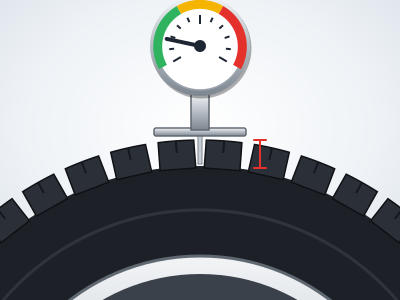
- AA new tyre that has not yet been broken in
- BA tyre inflated to the manufacturer's recommended pressure
- CA tyre with even tread wear across its full width
- DA tyre with a flat, squared-off centre profile caused by heavy straight-line use
Answer and explanation in the bank
- Q15Motorcycle control
In an emergency stop on a motorcycle, which brakes should you use?
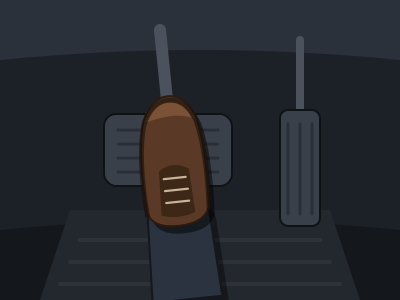
- ABoth front and rear brakes simultaneously, applied progressively and firmly
- BThe rear brake only to avoid the risk of locking the front
- CThe front brake only, as it provides all the stopping force
- DNeither brake; downshift rapidly to use engine braking
Answer and explanation in the bank
- Q16Motorcycle control
Which area of a motorcycle tyre generally has the least grip?
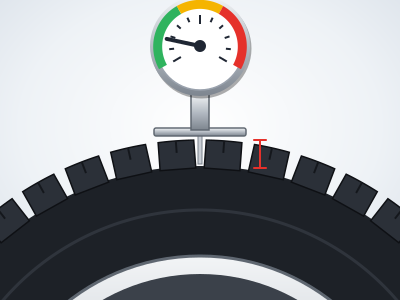
- AThe centre strip used for straight-line riding
- BThe inner sidewall
- CThe outer shoulder edges used only at maximum lean
- DAll areas have equal grip when properly inflated
Answer and explanation in the bank
- Q17Motorcycle control
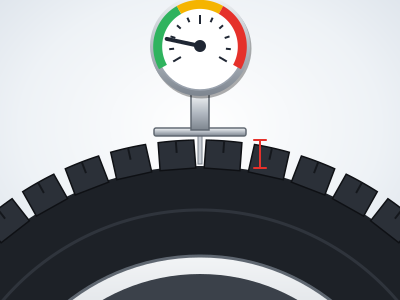
Why should you avoid heavy braking while the motorcycle is leaning in a corner?
- ABraking while leaning causes the engine to stall
- BBraking while leaning has no effect if only the rear brake is used
- CBraking while leaning reduces available tyre grip for cornering, risking a slide or low-side fall
- DBraking while leaning is only dangerous on gravel roads
Answer and explanation in the bank
- Q18Motorcycle control
Before entering a corner, which gear should you select?
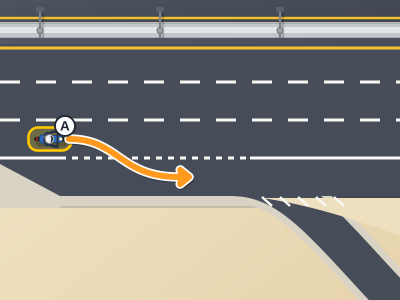
- AThe highest gear available to reduce engine braking
- BThe correct gear for your exit speed so you can accelerate smoothly out of the corner
- CNeutral, to coast through the corner
- DAny gear, as long as the clutch is fully in throughout
Answer and explanation in the bank
- Q19Motorcycle control
What is the danger of suddenly rolling on the throttle while leaning in a tight corner?
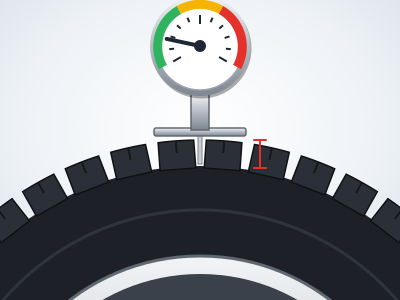
- AIt causes the front wheel to lift off the ground
- BIt can cause the rear tyre to lose grip and spin, leading to a high-side or low-side crash
- CIt has no effect as long as the road is dry
- DIt reduces lean angle automatically
Answer and explanation in the bank
- Q20Motorcycle control
What is the main advantage of using the rear brake on a motorcycle?
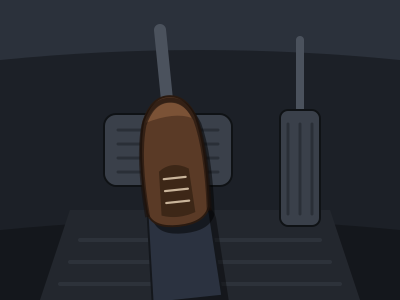
- AIt provides more stopping power than the front brake on dry roads
- BIt is the only brake that is safe to use in corners
- CIt helps stabilise the motorcycle during slow manoeuvres and supplements front braking without pitching the bike forward
- DIt prevents the front wheel from locking
Answer and explanation in the bank
Every answer above, with the rule it comes from, plus the full 20-question timed test.
Get the Oman Driving Test Questions PDF (ROP) - OMR 3What this test covers
Topics include road signs, traffic signals, right of way, roundabouts, speed limits, seat belts, fines and penalties, and the safe-driving rules specific to your vehicle category. Full question-by-question feedback with explanations is shown immediately after you finish the test above.
Frequently asked questions
How many questions is the Al Batinah North Royal Oman Police motorcycle theory test?
The official Royal Oman Police motorcycle theory test in Al Batinah North has 30 questions and you need 23 correct (75%) to pass. This practice test has 20 questions.
Is this the real exam?
These are practice questions to help you revise, written to the published rules and to what candidates report from the real test. They are not the official Oman exam and the real question bank, format, fees and pass mark are set by the Royal Oman Police, and can change. Always confirm the current requirements with your driving school or the Royal Oman Police.
Is this practice test free?
The first 10 questions are free, with no signup, and each shows the answer and the reason. The full 20-question test, timed, is in the Oman Driving Test Questions PDF (ROP) (OMR 3, one payment), with every question in the bank.
What does the Al Batinah North motorcycle theory test cover?
Road signs, traffic signals, right of way, roundabouts, speed limits, seat belts, penalties and safe-driving rules, plus the handling and safety topics specific to your vehicle.