

Hail General Dept. of Traffic Truck & Bus
Timed mock exam· Full mock examsHail General Dept. of Traffic - Saudi Truck & Bus Theory Mock Test 1
A full 35-question timed practice exam for the Saudi heavy-vehicle (truck and bus) theory test. Covers shared road rules and signs plus heavy-vehicle handling and safety. Aim for 22/35 to pass.
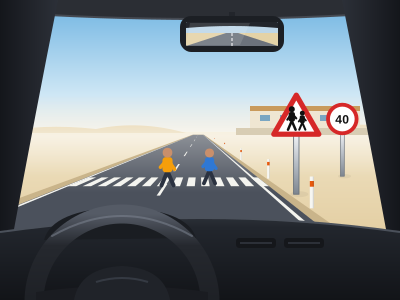
You are approaching a pedestrian crossing in a school zone and a group of children is about to cross. What is the correct action?
The other 25 questions in this test
Read them all. The answer and the reason for each, and the timed 35-question run, are in the Saudi Driving Theory Online Practice Bank.
- Q11Road signs and signals
What does a blue circular sign with a white upward-pointing arrow mean?
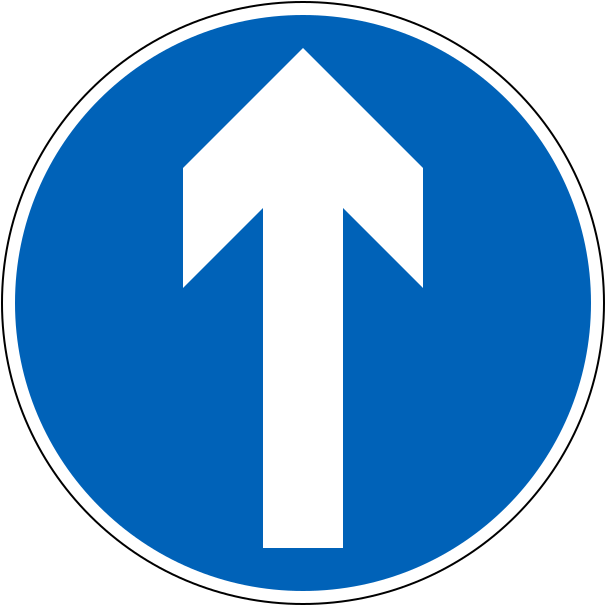
- AOne-way traffic going uphill
- BYou must proceed straight ahead only
- CThe road is closed from the other direction
- DBuses and trucks only in this lane
Answer and explanation in the bank
- Q12Traffic rules
A school bus has stopped and is displaying flashing lights or a stop sign. What must you do?
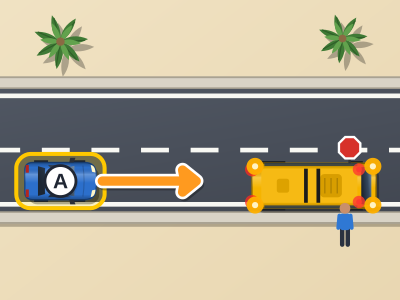
- ASlow down to 20 km/h and pass carefully
- BStop and wait until the bus moves or the stop signals are cancelled before proceeding
- COvertake quickly on the left to minimise the time near the bus
- DSound your horn and continue at the speed limit
Answer and explanation in the bank
- Q13Right of way
Flashing amber lights are activated on a school warning sign near a crossing. What does this require you to do?
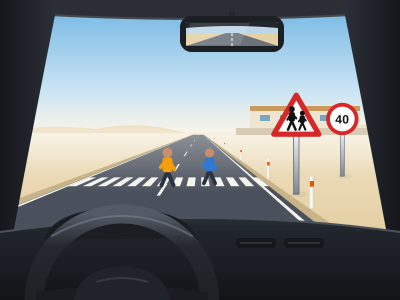
- AReduce speed to the posted school-zone limit and give way to pedestrians
- BStop and wait until all flashing lights stop
- CMaintain your speed but watch carefully
- DOnly reduce speed if children are visible on the road surface
Answer and explanation in the bank
- Q14Safe driving
Where are the main blind spots around a large truck or heavy vehicle?
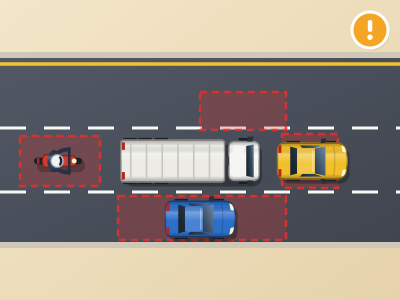
- ADirectly in front of the cab, directly behind the trailer, and on both sides alongside the trailer
- BOnly directly in front of the cab
- COnly to the right side of the trailer
- DLarge vehicles have no blind spots because they use wide mirrors
Answer and explanation in the bank
- Q15Penalties and fines
Under Saudi traffic law, when is a driver legitimately permitted to use the hard shoulder of a highway?
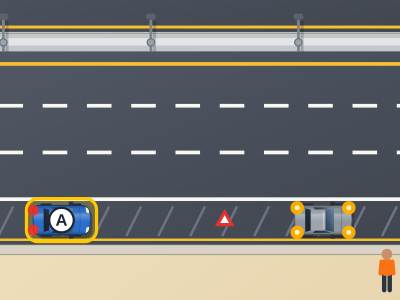
- AWhenever the driver is running late and traffic in the main lanes is heavy
- BWhen overtaking slow vehicles on the left side of the road
- COnly in a genuine emergency, such as a vehicle breakdown or when directed by traffic police
- DAt any time between 10 pm and 5 am when traffic is light
Answer and explanation in the bank
- Q16Heavy vehicle
What is the fifth wheel on an articulated truck?
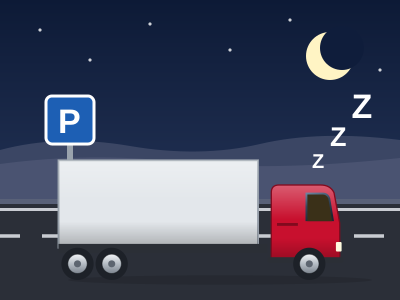
- AAn emergency spare wheel carried on the rear of the trailer
- BThe steering axle fitted behind the drive axles to assist with tight turns
- CAn extra drive axle used only when the truck is fully loaded
- DThe coupling plate on the tractor unit that connects to the trailer's kingpin and allows the trailer to pivot
Answer and explanation in the bank
- Q17Road signs and signals
What does a blue rectangular sign with a bold white P tell drivers?
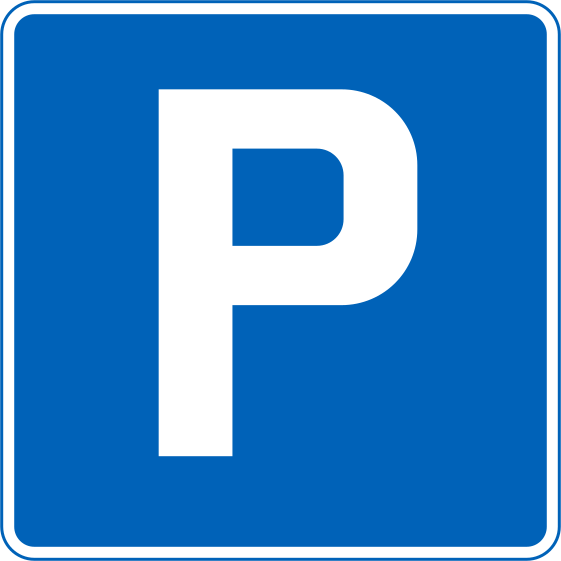
- AParking is permitted in this area
- BNo parking is allowed here
- CPetrol station is nearby
- DPolice station ahead
Answer and explanation in the bank
- Q18Traffic rules
A pedestrian is waiting at a marked crossing (zebra crossing). What are you required to do?
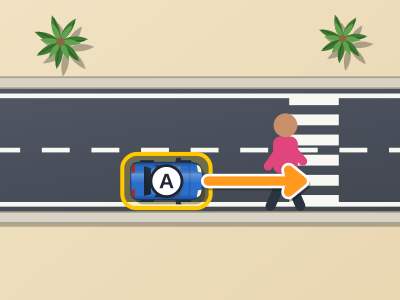
- AFlash your headlights and continue at the same speed
- BSound the horn to let the pedestrian know you are coming
- CStop and give the pedestrian priority to cross
- DOnly stop if a traffic signal instructs you to
Answer and explanation in the bank
- Q19Right of way
The traffic signals at a pedestrian crossing are flashing amber after the green phase. What must you do?
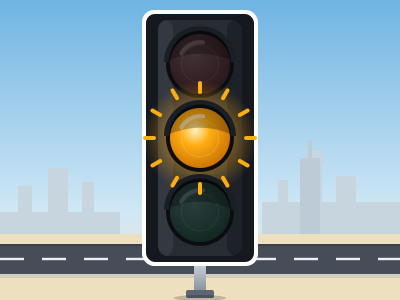
- AProceed at full speed because pedestrians should have already crossed
- BGive way to pedestrians still on the crossing and proceed only when the crossing is clear
- CStop and wait for the next green phase
- DSound your horn to warn pedestrians to hurry
Answer and explanation in the bank
- Q20Safe driving
Why should you avoid cutting in front of a large truck immediately after overtaking it?
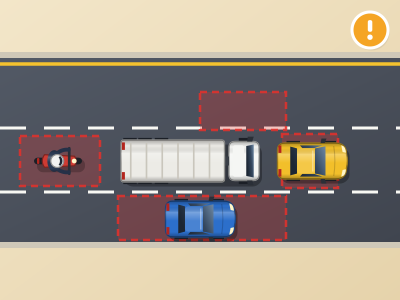
- ATrucks need a much longer stopping distance than cars, so cutting in front leaves insufficient space for them to brake
- BTrucks accelerate faster than cars and may rear-end you
- CIt is only a problem at night
- DTrucks always drive at higher speeds than cars
Answer and explanation in the bank
- Q21Penalties and fines
A driver fits an aftermarket exhaust that produces very loud noise and drives it on public roads in Saudi Arabia. Is this allowed?
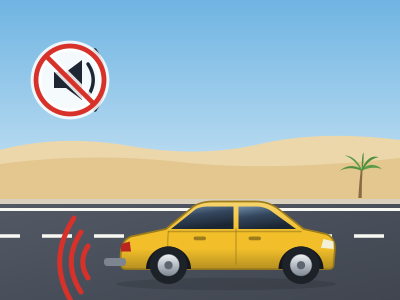
- AYes, as long as the modification was done by a licensed workshop
- BYes, there are no noise regulations for private vehicles in Saudi Arabia
- CNo, modified exhausts that produce excessive noise are illegal and can result in a fine and an order to restore the vehicle to a legal specification
- DOnly illegal between 10 pm and 6 am in residential areas
Answer and explanation in the bank
- Q22Heavy vehicle
After coupling a trailer to a tractor unit, which check is most critical before moving the vehicle?
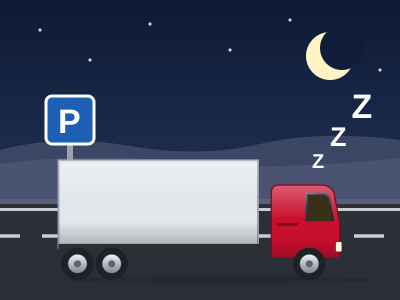
- ACheck that the trailer number plate matches the documents and then drive away
- BPerform a tug test by engaging a low gear and pulling forward gently to confirm the kingpin is locked in the fifth wheel and will not release
- CConnect all electrical and air lines, then immediately perform a full-speed run to settle the coupling
- DOnly visual inspection of the coupling from ground level is necessary
Answer and explanation in the bank
- Q23Road signs and signals
A blue circle shows a white arrow curving to the right. What does this mandatory sign require you to do?
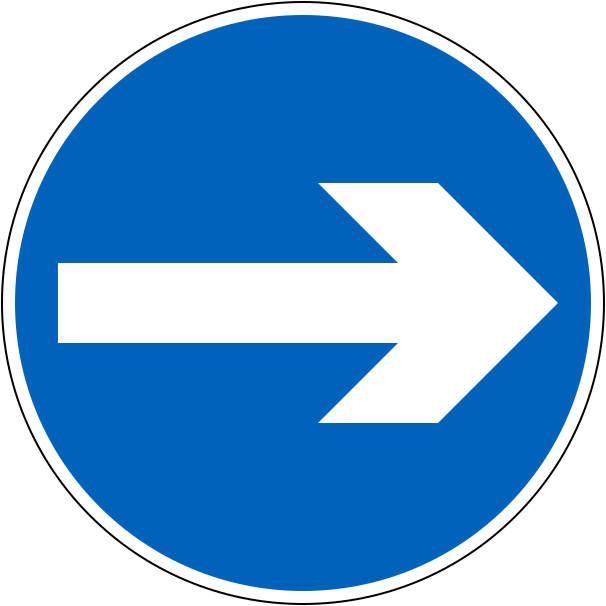
- AOvertaking is permitted on the right side
- BTurn or keep right - you must not go straight or turn left
- CThe right lane is for merging traffic
- DYou have right of way at the next junction
Answer and explanation in the bank
- Q24Traffic rules
You are turning right at a junction. A pedestrian is crossing the road you are turning into. Who has priority?
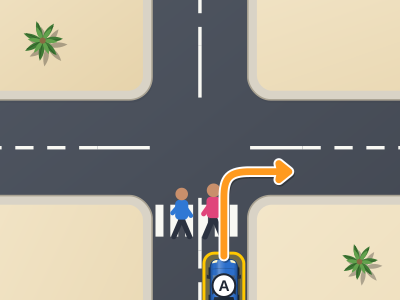
- AYou, because you have a green light to turn
- BThe pedestrian; you must wait until they have safely crossed
- CThe pedestrian only if they are already on the crossing
- DNeither; you must both stop and negotiate
Answer and explanation in the bank
- Q25Right of way
At a roundabout with three lanes, you are in the middle lane. Which exits can you appropriately use without crossing other lanes dangerously?
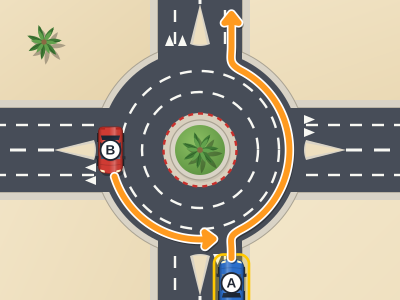
- AOnly the first exit
- BAny exit without restriction
- COnly exits beyond the halfway point of the roundabout
- DThe second exit (straight ahead), staying in the middle lane
Answer and explanation in the bank
- Q26Safe driving
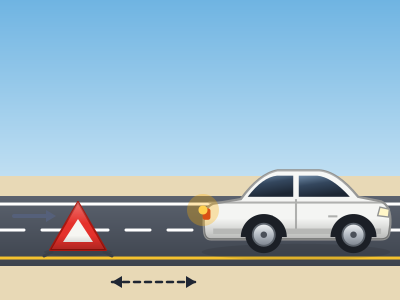
Your vehicle breaks down on a Saudi highway. What is the correct sequence of actions?
- AStay in the vehicle and call for help without moving
- BSwitch on hazard lights, move the vehicle off the carriageway if possible, place a warning triangle well behind it, and stand well away from traffic
- CWalk along the carriageway to the nearest phone
- DOpen the bonnet and wait for other drivers to stop
Answer and explanation in the bank
- Q27Penalties and fines
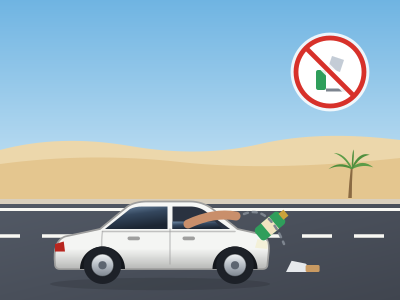
A driver throws a plastic water bottle out of their car window while driving on a Saudi road. What offence has been committed?
- ANo offence; littering laws only apply to pedestrians
- BAn offence only if the litter lands on another vehicle and causes damage
- COnly an offence in national parks; city roads have no littering rules for vehicles
- DLittering from a vehicle, which is a fineable offence under Saudi environmental and traffic regulations
Answer and explanation in the bank
- Q28Heavy vehicle
Before uncoupling a trailer on an incline, what must the driver do to prevent the trailer from rolling away?
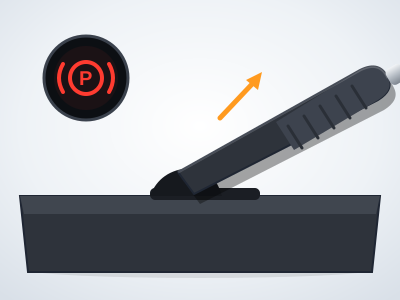
- AApply the trailer hand brake, chock the trailer wheels on the downhill side, and lower the landing legs to a stable position before releasing the fifth wheel
- BSimply apply the tractor handbrake; the tractor will hold the trailer in position
- CLower the landing legs only; the trailer brakes will hold automatically once decoupled
- DUncoupling on an incline is perfectly safe provided the ground is firm
Answer and explanation in the bank
- Q29Road signs and signals
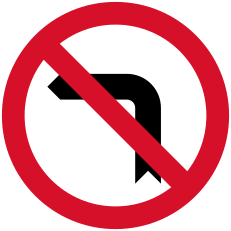
What does it mean when a pictogram inside a red-bordered circle has a red diagonal bar across it?
- AThe action shown is recommended
- BThe restriction is temporary due to road works
- CThe sign applies only in an emergency
- DThe action or vehicle type shown is prohibited
Answer and explanation in the bank
- Q30Traffic rules
You need to reverse out of a driveway onto a busy road. What is the safest approach?
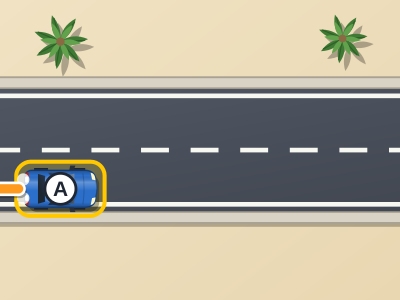
- AReverse quickly to minimise time in traffic
- BSound your horn and reverse continuously
- CCheck mirrors and blind spots thoroughly, reverse slowly, and have someone guide you if possible
- DReverse without checking because you have right of way in your own driveway
Answer and explanation in the bank
- Q31Right of way
A police vehicle with lights and siren is travelling in the opposite direction on a dual carriageway. Do you need to make way for it?
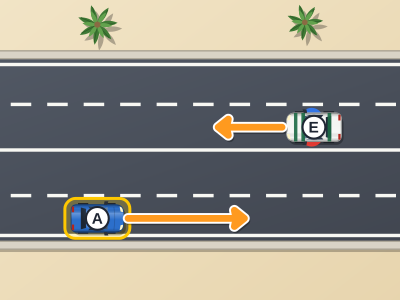
- AYes, slow down and be ready to stop in case the police vehicle crosses the central reservation
- BNo, because it is in the opposite carriageway and cannot affect you
- COnly if the police vehicle is heading towards your carriageway
- DYes, immediately move onto the hard shoulder
Answer and explanation in the bank
- Q32Safe driving
Your car breaks down just after a sharp bend. Where should you place the warning triangle?
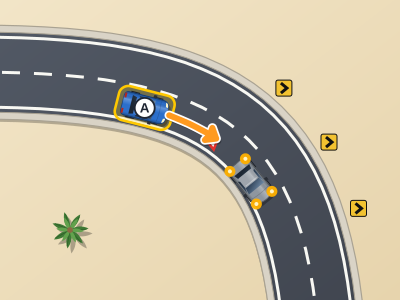
- ARight next to your car so it is not hit
- BBefore the bend, so drivers see it before they see your car
- COn the far side of the car, beyond it
- DLeave it in the boot; hazard lights are enough on a bend
Answer and explanation in the bank
- Q33Penalties and fines
On a road posted at 120 km/h or less, what fine applies for exceeding the limit by more than 50 km/h?
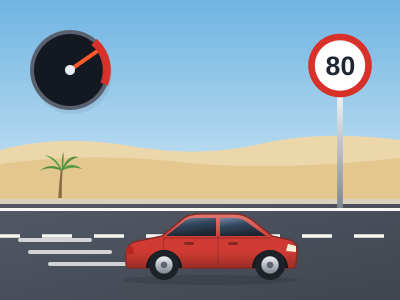
- ASR 150-300
- BSR 1,500-2,000
- CSR 300-500
- DSR 800-1,000
Answer and explanation in the bank
- Q34Heavy vehicle
A driver is about to couple a tractor to a semi-trailer. The trailer is slightly higher than the fifth wheel. What adjustment should be made?
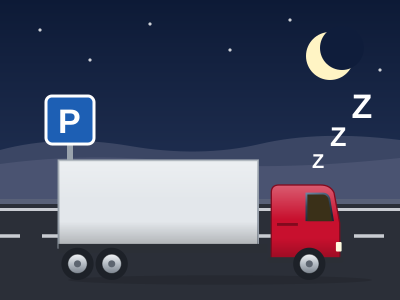
- ADrive the tractor under the trailer at speed to force the coupling with momentum
- BRaise the tractor's air suspension or adjust the fifth-wheel height so the fifth wheel is slightly above the trailer skid plate, allowing it to slide under and lock cleanly
- CLower the trailer landing legs further until the trailer tilts and the kingpin lines up
- DNo adjustment is needed; the fifth wheel will pull the trailer down automatically
Answer and explanation in the bank
- Q35Road signs and signals
Which sign in the Saudi / GCC system has a unique octagonal shape not shared by any other sign?
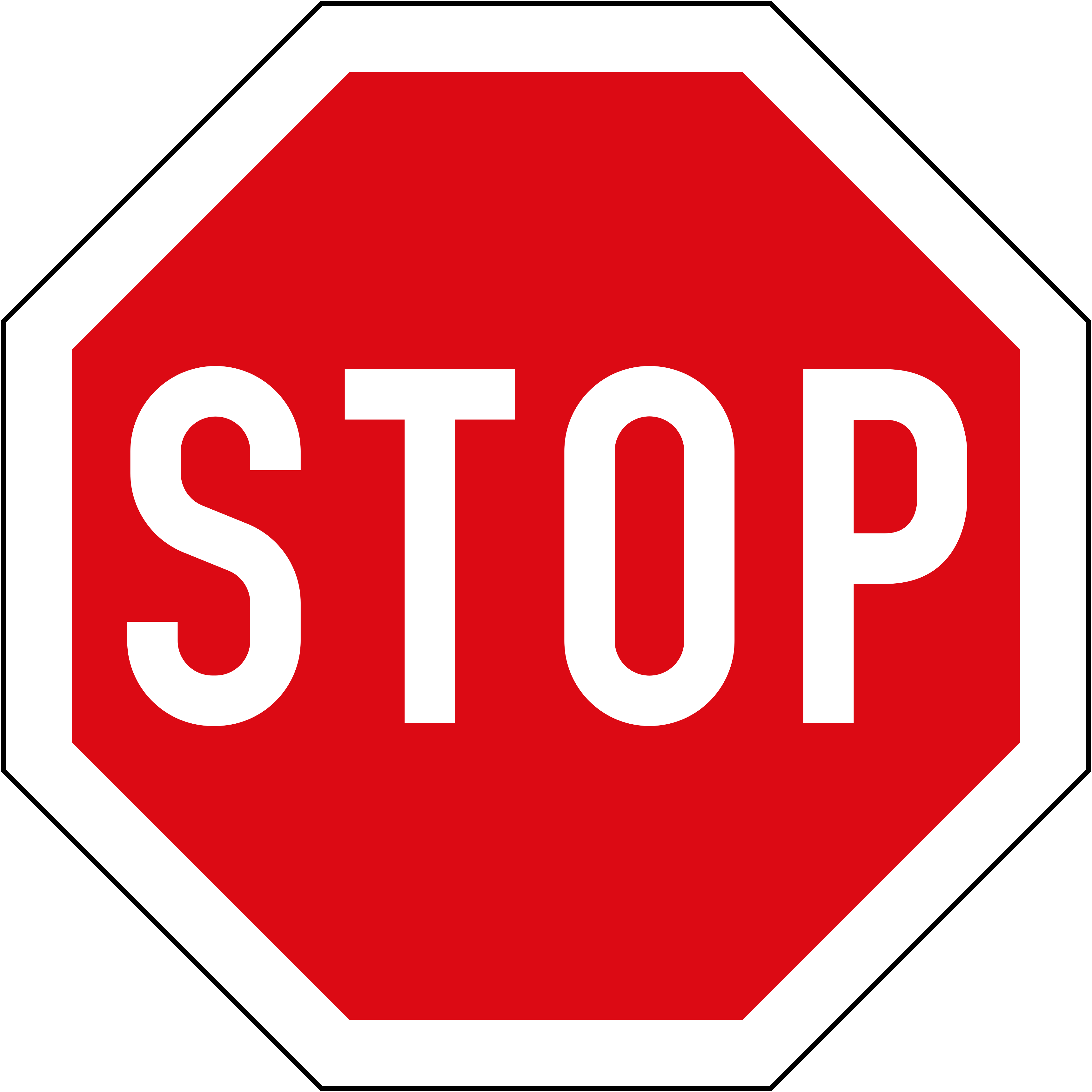
- AThe Give Way sign
- BThe No Entry sign
- CThe STOP sign
- DThe No Overtaking sign
Answer and explanation in the bank
Every answer above, with the rule it comes from, plus the full 35-question timed test.
Get the Saudi Driving Theory Online Practice Bank - SAR 39What this test covers
Topics include road signs, traffic signals, right of way, roundabouts, speed limits, seat belts, fines and penalties, and the safe-driving rules specific to your vehicle category. Full question-by-question feedback with explanations is shown immediately after you finish the test above.
Frequently asked questions
How many questions is the Hail General Dept. of Traffic truck & bus theory test?
The official General Dept. of Traffic truck & bus theory test in Hail has 35 questions and you need 22 correct (63%) to pass. This practice test has 35 questions.
Is this the real exam?
These are practice questions to help you revise, written to the published rules and to what candidates report from the real test. They are not the official Saudi exam and the real question bank, format, fees and pass mark are set by the General Department of Traffic (Moroor) and the driving schools, and can change. Always confirm the current requirements with your driving school or the traffic department.
Is this practice test free?
The first 10 questions are free, with no signup, and each shows the answer and the reason. The full 35-question test, timed, is in the Saudi Driving Theory Online Practice Bank (SAR 39, one payment), with every question in the bank.
What does the Hail truck & bus theory test cover?
Road signs, traffic signals, right of way, roundabouts, speed limits, seat belts, penalties and safe-driving rules, plus the handling and safety topics specific to your vehicle.