

Riyadh General Dept. of Traffic Motorcycle
Timed mock exam· Full mock examsRiyadh General Dept. of Traffic - Saudi Motorcycle Theory Mock Test 1
A full 35-question timed practice exam for the Saudi motorcycle theory test. Covers shared road rules and signs plus motorcycle-specific control and safety. Aim for 22/35 to pass.
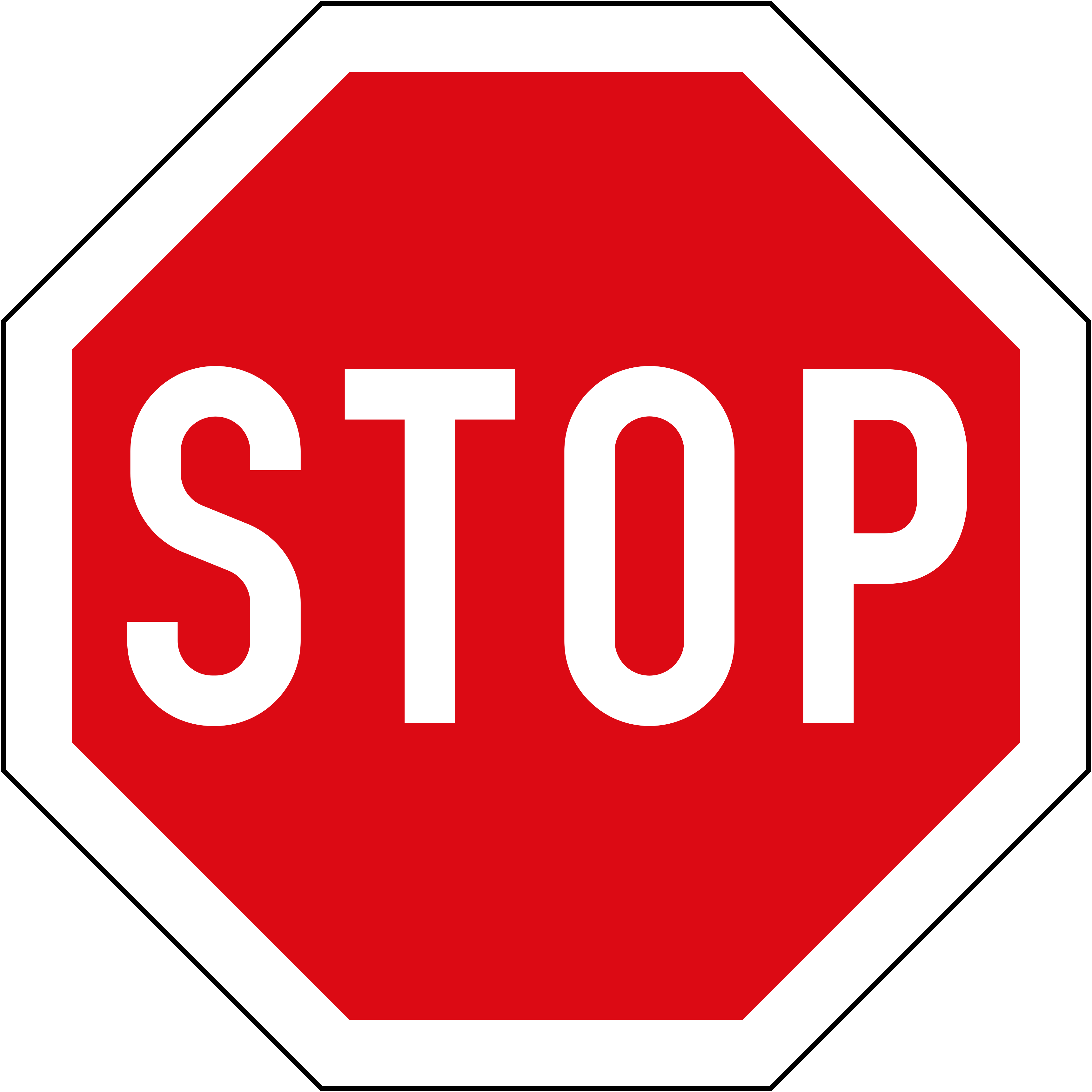
What does this sign mean?
The other 25 questions in this test
Read them all. The answer and the reason for each, and the timed 35-question run, are in the Saudi Driving Theory Online Practice Bank.
- Q11Safe driving
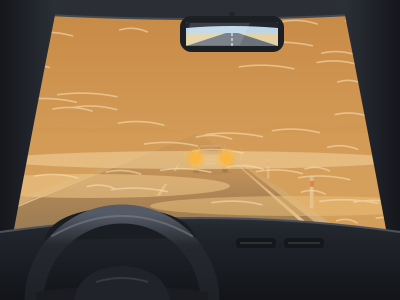
Under what conditions should you at least double your following distance to 6 seconds or more?
- AOnly on gravel roads
- BOnly when overtaking a truck
- CWhen driving in rain, fog, sandstorm, or when fatigued
- DOnly at night in a city
Answer and explanation in the bank
- Q12Penalties and fines
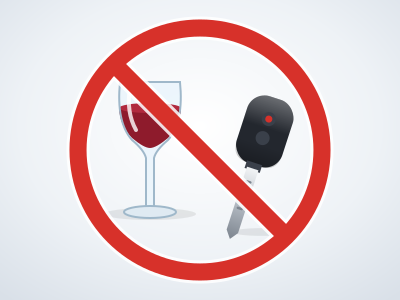
An expatriate driver is convicted of a drink-driving offence in Saudi Arabia. Which additional consequence beyond fines and imprisonment is highly likely?
- ADeportation from the Kingdom
- BA compulsory defensive-driving course only
- CCommunity service and a warning letter to the employer
- DA temporary suspension of the driving licence for 30 days
Answer and explanation in the bank
- Q13Motorcycle control
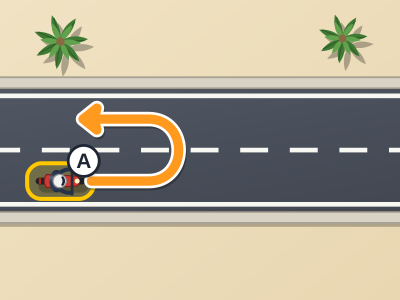
When performing a slow U-turn in a Saudi residential street, which technique best prevents the motorcycle from stalling or falling?
- AFully release the clutch and coast through the turn at idle speed
- BHold the clutch at the friction point, apply a steady light throttle, and control speed with the rear brake
- CUse the front brake throughout the turn to limit speed
- DKeep both feet on the ground and walk the motorcycle around
Answer and explanation in the bank
- Q14Motorcycle safety
How should a motorcycle helmet chinstrap be fastened correctly?
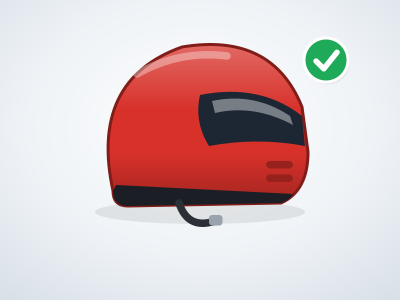
- AThe strap should be loose enough to slide the helmet off without undoing the buckle in an emergency
- BThe strap should be tight enough that only one or two fingers can fit between the strap and your chin, with the buckle fully locked
- CThe strap only needs to be clipped; tightness is a matter of personal comfort
- DA tight strap is dangerous because it can restrict breathing; leave it loose
Answer and explanation in the bank
- Q15Road signs and signals
What does this sign tell you?
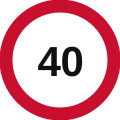
- AThe maximum speed allowed is 40 km/h
- BThe minimum speed on this road is 40 km/h
- CYou are 40 km from the city centre
- DThe speed limit applies only between 40-minute intervals
Answer and explanation in the bank
- Q16Traffic rules
Which of the following is the correct way to enter a roundabout in Saudi Arabia?
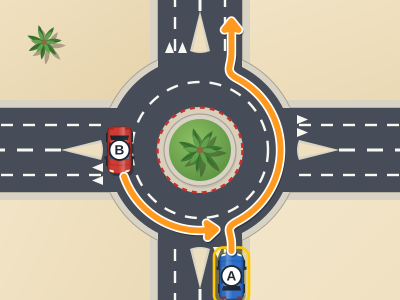
- AVehicles entering have priority over those already inside
- BSound your horn and enter without stopping
- CFlash your headlights to warn drivers inside, then enter
- DGive way to vehicles already circulating inside the roundabout
Answer and explanation in the bank
- Q17Right of way
You are about to enter a roundabout. Traffic is already circulating inside. Who has priority?
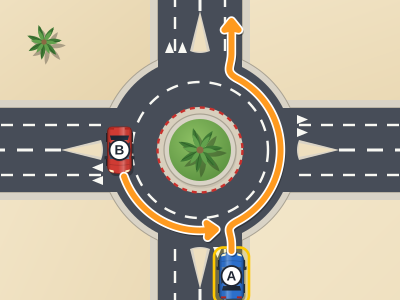
- AVehicles entering the roundabout have priority
- BVehicles already circulating inside the roundabout have priority
- CThe vehicle to your right at the entry has priority
- DBoth vehicles have equal priority
Answer and explanation in the bank
- Q18Safe driving
At 100 km/h on a dry road, approximately how far does a typical car travel from the moment the driver sees a hazard to the moment the car stops completely?
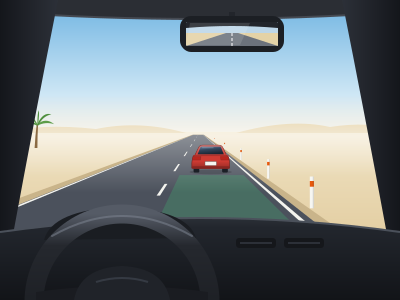
- AAbout 50 metres
- BAbout 70 to 80 metres
- CAbout 130 metres (about 30 m thinking distance plus 100 m braking distance)
- DAbout 300 metres
Answer and explanation in the bank
- Q19Penalties and fines
A driver is caught using a hand-held mobile phone while driving on a Saudi road. What type of penalty does this attract?
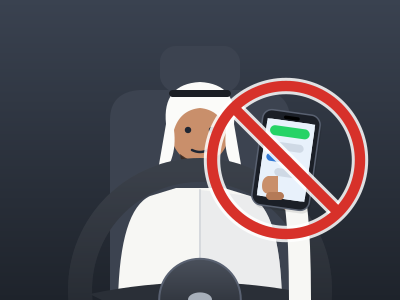
- AA traffic fine and recorded violation points against the driving licence
- BOnly a verbal warning from the traffic officer
- CImmediate vehicle impoundment for 30 days
- DA criminal prosecution identical to a reckless driving charge
Answer and explanation in the bank
- Q20Motorcycle control
Counter-steering means that to turn right at speeds above approximately 20 km/h you should:
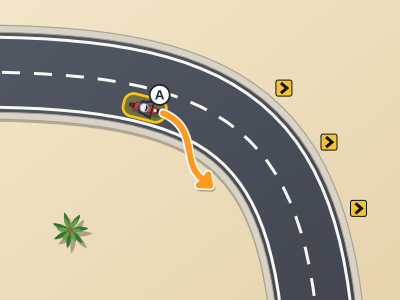
- APull back on the right handlebar while leaning your body left
- BSteer the front wheel to the right as you would on a bicycle at any speed
- CPress down on the right footpeg only and keep the bars straight
- DPush forward gently on the right handlebar to lean the bike to the right
Answer and explanation in the bank
- Q21Motorcycle safety
Saudi Arabia has extremely high summer temperatures. Which statement about protective gear in that heat is most accurate?
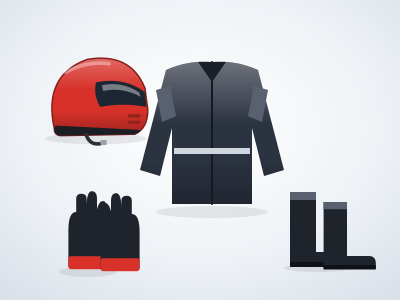
- AWearing a T-shirt and shorts in hot weather is acceptable because low-speed crashes cause only minor injuries
- BTextile mesh or perforated leather gear designed for hot climates provides airflow while still protecting against abrasion and impact in a crash
- CFull leathers that trap heat are always safer than mesh gear regardless of temperature
- DRemoving protective gear is recommended above 40 degrees Celsius to prevent heat stroke
Answer and explanation in the bank
- Q22Road signs and signals
What is the maximum speed permitted where this sign is displayed?
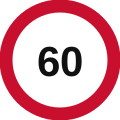
- A80 km/h
- B50 km/h
- C60 km/h
- D100 km/h
Answer and explanation in the bank
- Q23Traffic rules
At a three-lane roundabout you want to take the second exit (straight ahead). Which lane should you use?
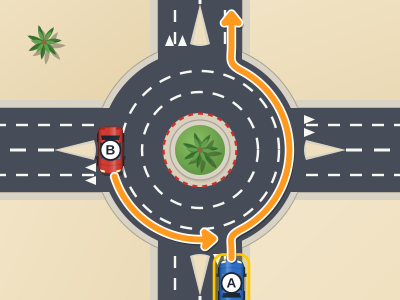
- AThe right lane, then cut across to the left lane inside
- BThe left lane, signalling left the whole way
- CAny lane, because lane choice does not matter at roundabouts
- DThe middle lane (lane 2), staying in it around the roundabout
Answer and explanation in the bank
- Q24Right of way
At a roundabout with two entry lanes, you are in the right-hand entry lane. Which exits can you generally use?
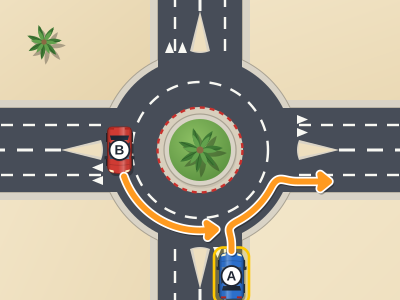
- AOnly the first exit to the left
- BAny exit, regardless of your entry lane position
- CThe first exit or turning right, keeping to the outer lane inside the roundabout
- DOnly exits that do not require crossing other lanes
Answer and explanation in the bank
- Q25Safe driving
How does braking distance change when you double your speed from 60 km/h to 120 km/h?
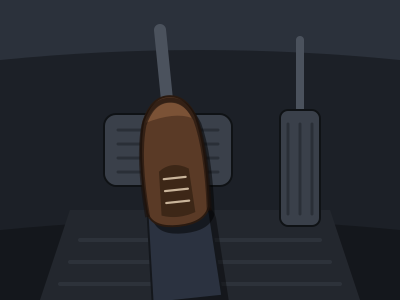
- AIt doubles
- BIt triples
- CIt quadruples (increases by four times)
- DIt stays roughly the same if the road is dry
Answer and explanation in the bank
- Q26Penalties and fines
Is a driver allowed to use a hands-free phone system (e.g., Bluetooth speaker) while driving in Saudi Arabia?
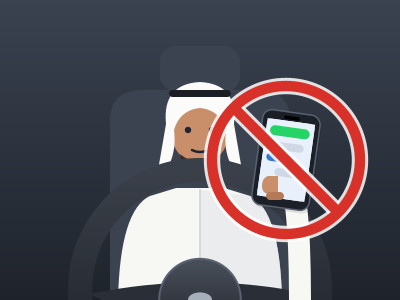
- ANo, all mobile phone use in any form is completely banned while the engine is running
- BYes, hands-free use is generally permitted, but the driver must still remain fully attentive to the road
- COnly permitted on motorways, not in urban areas
- DPermitted only if the vehicle is stationary at a red light
Answer and explanation in the bank
- Q27Motorcycle control
When descending a long hill on a motorcycle, which approach best controls speed without overheating the brakes?
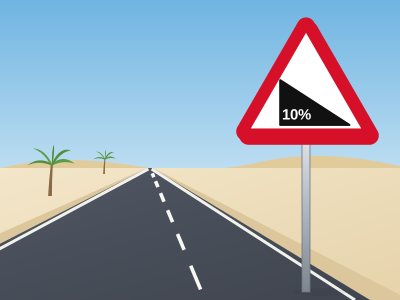
- AHold both brakes fully applied all the way down the hill
- BSelect a lower gear to use engine braking and apply the brakes in short, firm squeezes rather than holding them on continuously
- CPut the transmission in neutral and use only the front brake
- DSelect a high gear so the engine runs at low revs and generates less heat
Answer and explanation in the bank
- Q28Motorcycle safety
Which item of motorcycle protective gear best protects your hands in a fall?
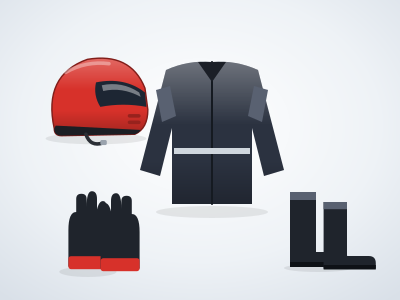
- AThin driving gloves, which maintain touchscreen sensitivity for phone use
- BPurpose-made motorcycle gloves with palm sliders and knuckle protection
- CThick winter gloves designed for cold weather, which provide adequate padding
- DGloves are optional; experienced riders can brace themselves without them
Answer and explanation in the bank
- Q29Road signs and signals
You are driving on a Saudi inter-city road and see this sign. What does it mean?
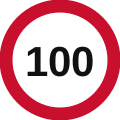
- AYou must maintain at least 100 km/h
- BThe recommended speed in good conditions is 100 km/h
- CHeavy vehicles may travel at 100 km/h here
- DThe maximum speed on this section is 100 km/h
Answer and explanation in the bank
- Q30Traffic rules
On a Saudi highway, when are you allowed to overtake on the right side of another vehicle?
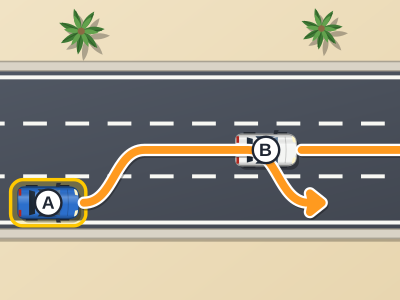
- AWhenever the right lane is clear and faster
- BNever, unless the vehicle in front is turning left and has signalled
- CAt any time as long as you signal
- DOnly if the speed limit is above 120 km/h
Answer and explanation in the bank
- Q31Right of way
You hear the siren of an emergency vehicle approaching from behind. What must you do?
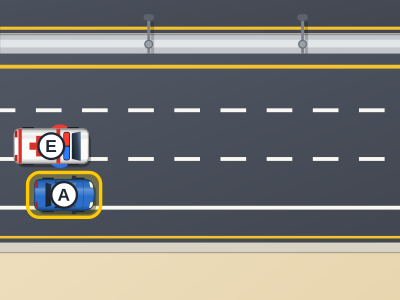
- AMove safely to the right side and slow down or stop to let it pass
- BAccelerate to get out of its way as quickly as possible
- CStop immediately wherever you are
- DContinue at your current speed but move slightly left
Answer and explanation in the bank
- Q32Safe driving
You are driving on a wet road after rain. What is the safest approach to braking?
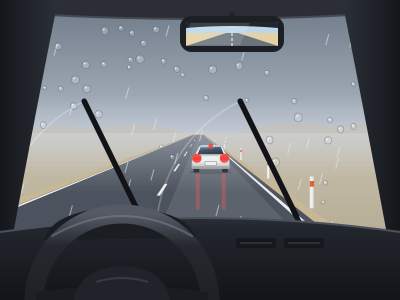
- ABrake firmly and late to maintain speed
- BBrake early, gently and progressively to avoid wheel lock
- CUse only the handbrake on wet roads
- DPump the brakes very rapidly at all times
Answer and explanation in the bank
- Q33Penalties and fines
Who is required to wear a seatbelt in a private car travelling in Saudi Arabia?
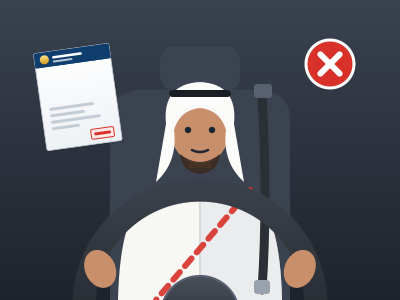
- AThe driver only; passengers are responsible for their own choice
- BThe driver and all passengers in every seat
- CFront-seat occupants only; rear passengers are exempt
- DOnly passengers aged 12 and above
Answer and explanation in the bank
- Q34Motorcycle control
You need to brake hard in a straight line on a dry Saudi highway. Which braking technique gives the shortest stopping distance?
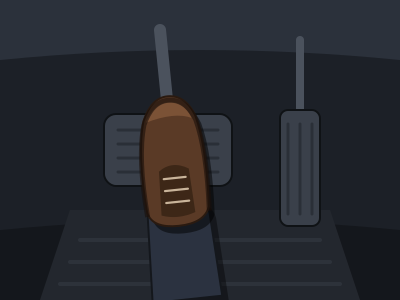
- AUse only the rear brake to avoid any risk of front-wheel lock
- BUse only the front brake and pull in the clutch at the same time
- CApply both brakes suddenly and fully in a single hard squeeze
- DApply both front and rear brakes progressively and firmly, keeping the bike upright
Answer and explanation in the bank
- Q35Motorcycle safety
What is the best lane position on a multi-lane Saudi expressway to maximise your visibility to other drivers?
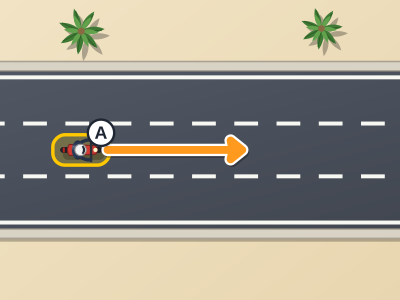
- AAlways the extreme left edge of the lane so overtaking vehicles have maximum room
- BThe right-hand third or left-hand third of your lane, away from the lane centre, so you are visible in the mirrors of vehicles ahead
- CDirectly behind the vehicle in front so you are sheltered from wind and debris
- DLane position is irrelevant; conspicuity depends only on hi-vis clothing
Answer and explanation in the bank
Every answer above, with the rule it comes from, plus the full 35-question timed test.
Get the Saudi Driving Theory Online Practice Bank - SAR 39What this test covers
Topics include road signs, traffic signals, right of way, roundabouts, speed limits, seat belts, fines and penalties, and the safe-driving rules specific to your vehicle category. Full question-by-question feedback with explanations is shown immediately after you finish the test above.
Frequently asked questions
How many questions is the Riyadh General Dept. of Traffic motorcycle theory test?
The official General Dept. of Traffic motorcycle theory test in Riyadh has 35 questions and you need 22 correct (63%) to pass. This practice test has 35 questions.
Is this the real exam?
These are practice questions to help you revise, written to the published rules and to what candidates report from the real test. They are not the official Saudi exam and the real question bank, format, fees and pass mark are set by the General Department of Traffic (Moroor) and the driving schools, and can change. Always confirm the current requirements with your driving school or the traffic department.
Is this practice test free?
The first 10 questions are free, with no signup, and each shows the answer and the reason. The full 35-question test, timed, is in the Saudi Driving Theory Online Practice Bank (SAR 39, one payment), with every question in the bank.
What does the Riyadh motorcycle theory test cover?
Road signs, traffic signals, right of way, roundabouts, speed limits, seat belts, penalties and safe-driving rules, plus the handling and safety topics specific to your vehicle.