

Riyadh General Dept. of Traffic Truck & Bus
Timed mock exam· Full mock examsRiyadh General Dept. of Traffic - Saudi Truck & Bus Theory Mock Test 3
Third full heavy-vehicle mock exam and a strong final readiness check before your real truck or bus theory test. Another distinct set of 35 timed questions.
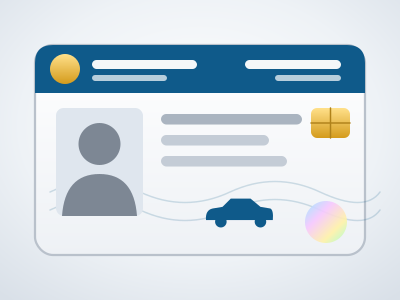
A driver is stopped by traffic police and found to have no valid driving licence. What penalty applies?
The other 25 questions in this test
Read them all. The answer and the reason for each, and the timed 35-question run, are in the Saudi Driving Theory Online Practice Bank.
- Q11Road signs and signals
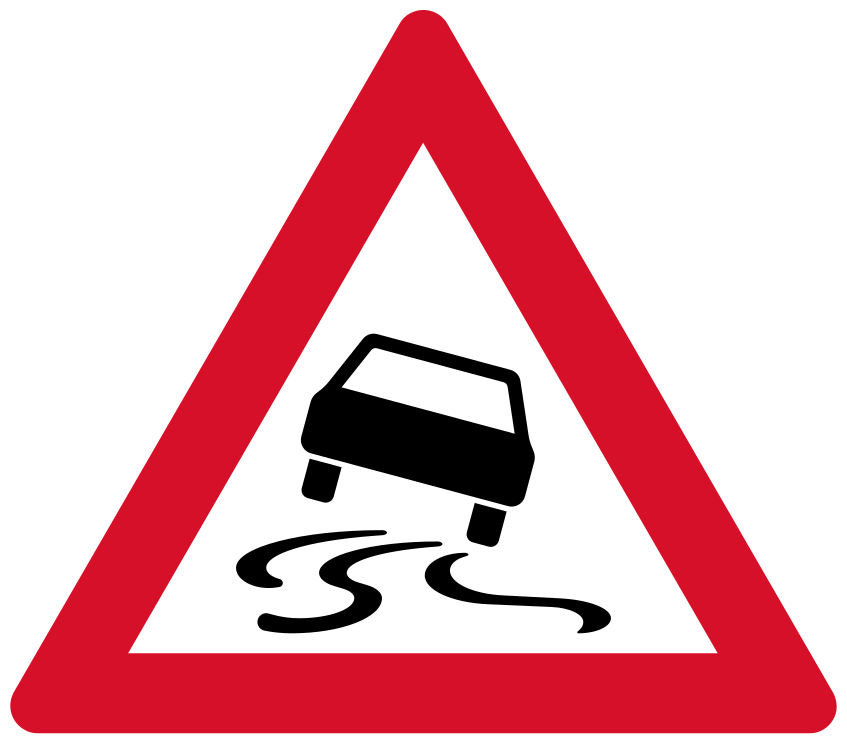
What hazard does this sign warn of?
- AA speed bump is located ahead
- BThe road surface is being repaired
- CThe road surface ahead may be slippery
- DFlash flooding has been reported
Answer and explanation in the bank
- Q12Safe driving
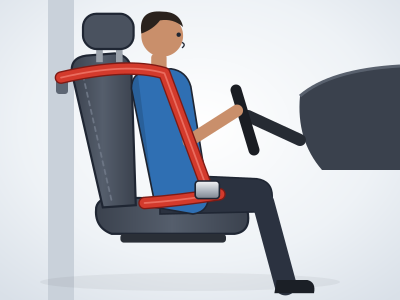
Saudi law requires all occupants of a vehicle to wear seat belts. When should you put on your seat belt?
- AOnly on highways above 100 km/h
- BOnly the driver needs to wear a seat belt
- CBefore the vehicle moves, every trip without exception
- DOnly front-seat occupants must wear a seat belt
Answer and explanation in the bank
- Q13Penalties and fines
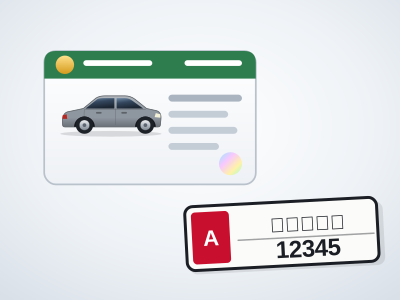
What is Istimara in the context of Saudi traffic regulations?
- AThe Saudi national driving licence card
- BThe official vehicle registration document that must be kept valid and carried in the vehicle at all times
- CThe roadworthiness certificate issued after a periodic vehicle inspection
- DThe insurance policy document required to be displayed on the windscreen
Answer and explanation in the bank
- Q14Heavy vehicle
Which method of load securing is most suitable for preventing a heavy steel coil from rolling on a flatbed trailer?
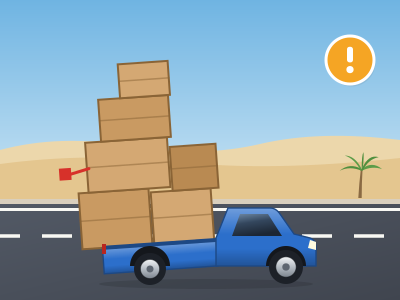
- AChocks and chains or straps rated for the coil's weight, positioned to prevent forward, rearward, and lateral movement
- BA single ratchet strap placed over the top of the coil is sufficient for road transport
- CThe coil should be placed loose and braked by the trailer's friction surface alone
- DSteel coils do not require securing because their weight prevents movement
Answer and explanation in the bank
- Q15Road signs and signals
What does this sign warn drivers about?
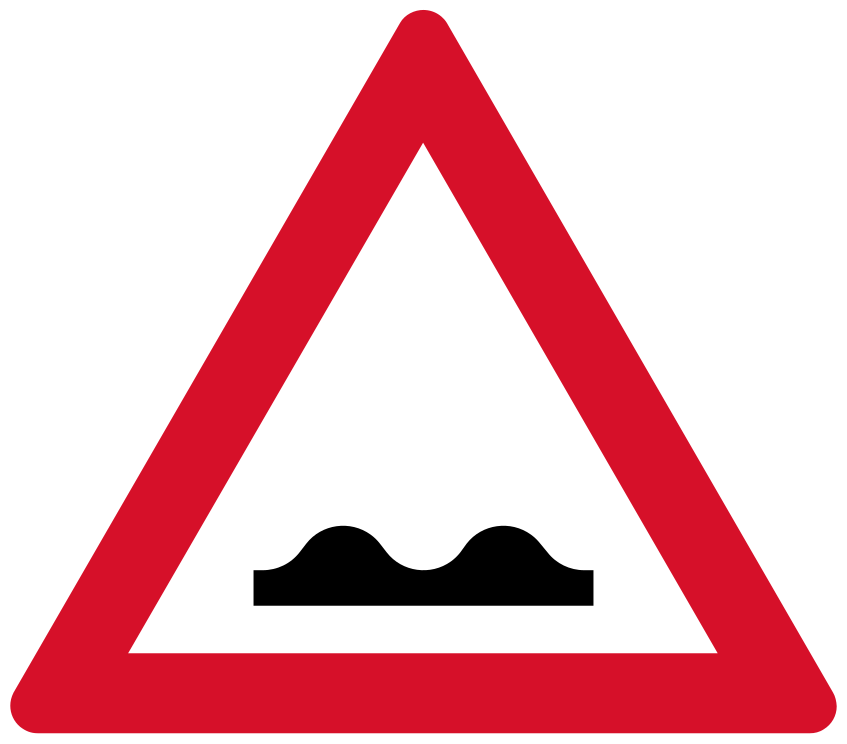
- AA pothole or dip in the road
- BA steep hill descent
- CA speed bump or road hump ahead
- DRoad works causing an uneven surface
Answer and explanation in the bank
- Q16Traffic rules
Is it permitted to park your vehicle on a pedestrian crossing in Saudi Arabia?
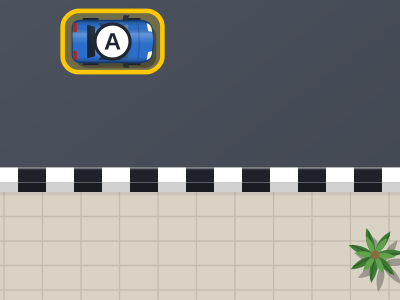
- AYes, for no more than five minutes
- BYes, if your hazard lights are on
- CYes, provided the vehicle is fully off the road surface
- DNo, parking on or within the approach zone of a pedestrian crossing is prohibited
Answer and explanation in the bank
- Q17Right of way
You are on a minor road approaching a T-junction where your road meets a major road. Who must give way?
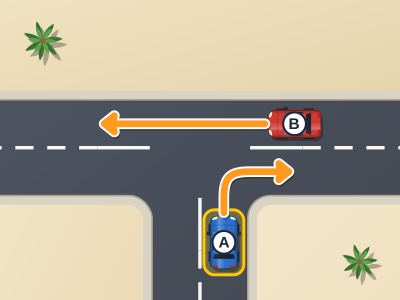
- ATraffic on the major road must give way to you
- BRight-hand priority applies so you give way to traffic from the right only
- CWhoever arrives first at the junction has priority
- DYou must give way to traffic on the major road
Answer and explanation in the bank
- Q18Safe driving
How should a seat belt be positioned on the body to work correctly?
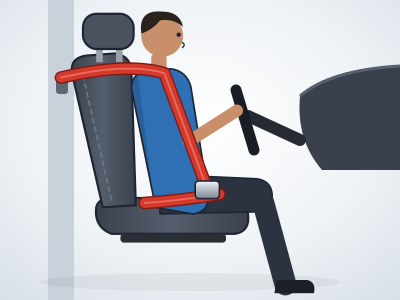
- ALap belt across the stomach and shoulder belt behind the back
- BLap belt across the hips and shoulder belt across the chest and over the collarbone
- CUnder the arm with the shoulder belt across the neck
- DShoulder belt only, without the lap belt fastened
Answer and explanation in the bank
- Q19Penalties and fines
A driver is stopped and found to be driving a vehicle with an expired Istimara (vehicle registration). What is the likely outcome?
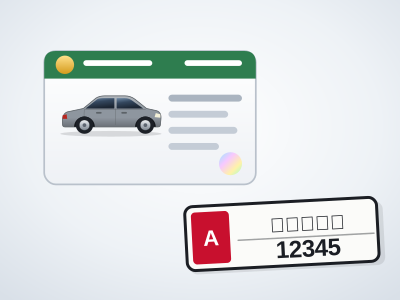
- AA fine for the expired registration, and the driver may be required to stop driving the vehicle until it is re-registered
- BThe officer will renew the Istimara on the spot for a small fee
- CNo penalty applies during the first month after expiry
- DOnly the owner of the vehicle, not the driver, can be fined for this offence
Answer and explanation in the bank
- Q20Heavy vehicle
A driver is loading a curtain-sided trailer with pallets. To maintain proper weight distribution, the heaviest pallets should generally be placed
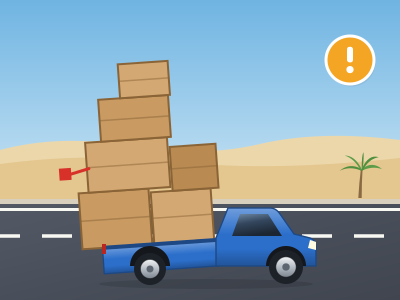
- AAt the very rear of the trailer for easy unloading at the delivery point
- BAs low as possible and centred lengthwise over the axles to keep the centre of gravity low and axle loads within limits
- CAt the very front of the trailer immediately behind the cab to improve steering
- DStacked as high as possible at the centre to maximise load space
Answer and explanation in the bank
- Q21Road signs and signals
What action should you take when you see this sign ahead?
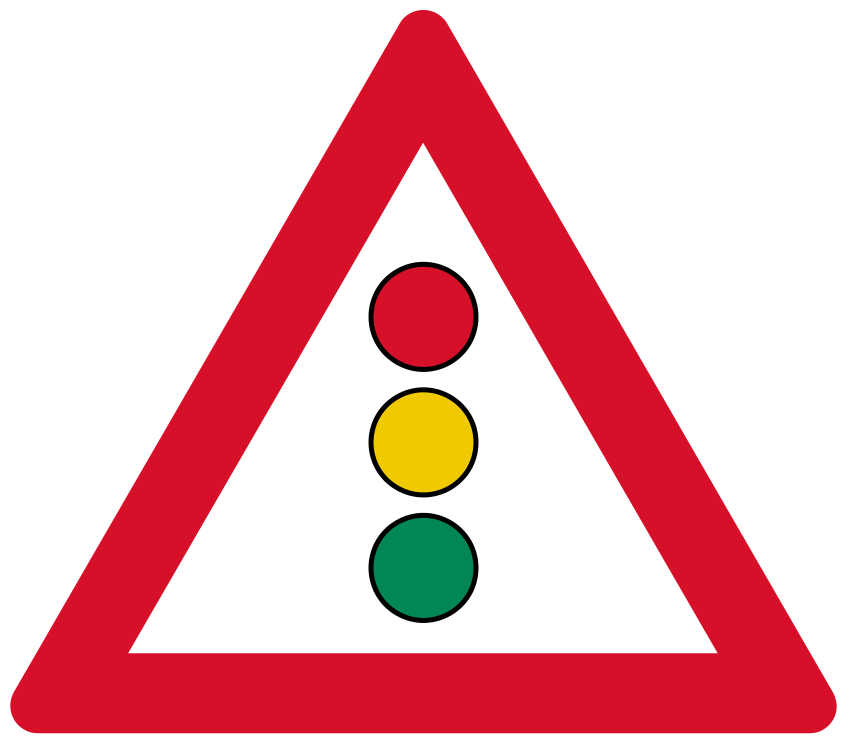
- ASpeed up to clear the junction before the light changes
- BThe lights are currently green so proceed without slowing
- CSound your horn to alert other drivers of the lights
- DSlow down and be ready to stop at the traffic lights ahead
Answer and explanation in the bank
- Q22Traffic rules
A yellow kerb line is painted along the side of a road. What does this normally indicate?

- AParking is prohibited alongside that kerb
- BLoading is permitted for up to 30 minutes
- CThe road is a bus lane
- DParking is reserved for taxis only
Answer and explanation in the bank
- Q23Right of way
You are on the main road at a T-junction and a vehicle from the side road is waiting to emerge. You have no signs or signals. Who has priority?
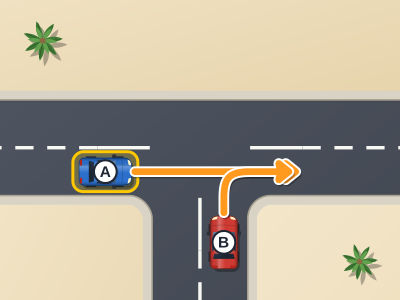
- AThe vehicle emerging from the side road
- BYou, because you are on the continuing main road
- CNeither vehicle; both must stop and negotiate
- DThe vehicle to the right of the waiting driver
Answer and explanation in the bank
- Q24Safe driving
A child aged 4 years and weighing 18 kg must travel in your car. Which restraint is most appropriate?
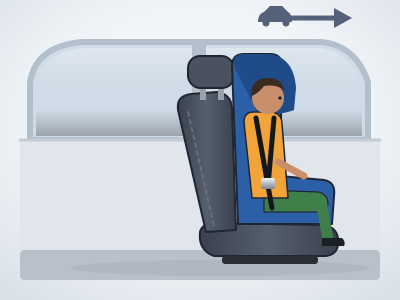
- AA rear-facing infant seat
- BA forward-facing child seat with a harness suitable for their weight
- CThe adult seat belt without any child seat
- DHeld by an adult passenger
Answer and explanation in the bank
- Q25Penalties and fines
Is it mandatory to have valid motor insurance to drive a vehicle in Saudi Arabia?
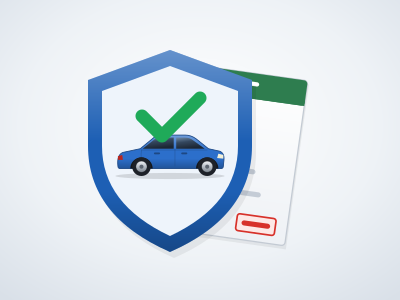
- ANo, insurance is optional; the driver is only liable if an accident occurs
- BInsurance is only required for vehicles older than five years
- CInsurance is only mandatory on expressways and highways, not in cities
- DYes, at minimum third-party (TPL) insurance is compulsory for all vehicles driven on public roads
Answer and explanation in the bank
- Q26Heavy vehicle
During a pre-departure check a driver notices that several load restraint straps have cuts and are fraying. What should the driver do?
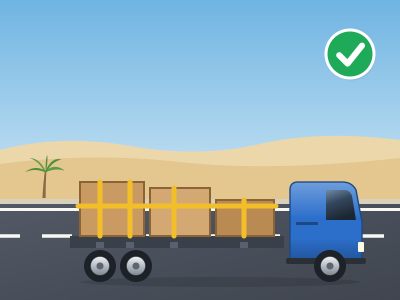
- AReplace the damaged straps immediately before moving the vehicle, as damaged straps can fail in transit and cause the load to shift or fall
- BUse the damaged straps for lighter items only and add extra undamaged straps over the heaviest loads
- CComplete the journey and report the damage on return, because the straps are unlikely to fail in normal conditions
- DWrap the frayed sections with adhesive tape and continue the journey
Answer and explanation in the bank
- Q27Road signs and signals
There is no other vehicle visible at this STOP sign junction. What must you do?
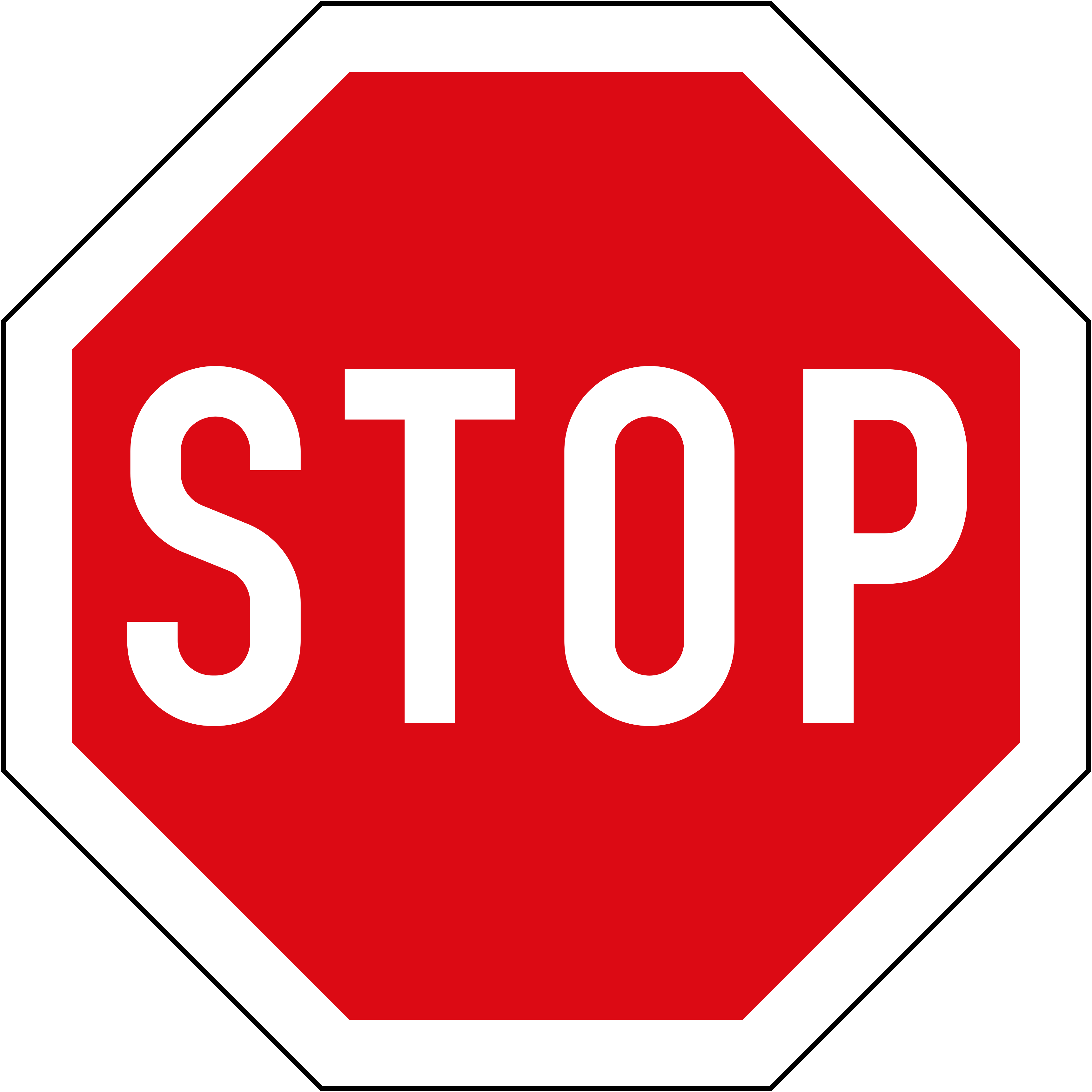
- ASlow to 10 km/h and proceed if the road is clear
- BYou may proceed without stopping because there is no traffic
- CFlash your headlights and continue
- DStop completely regardless, then check it is safe before moving off
Answer and explanation in the bank
- Q28Traffic rules
You park on a hill facing downhill and there is no kerb. Which way should you turn your front wheels?
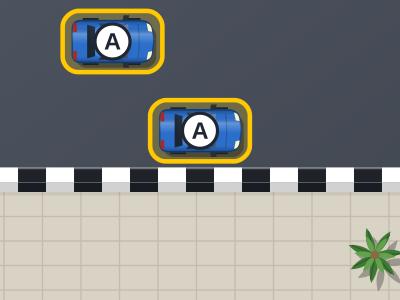
- ATurn wheels to the right so the vehicle would roll away from traffic if it moved
- BTurn wheels to the left to face traffic
- CKeep wheels straight and rely on the handbrake alone
- DDirection of wheels does not matter on a hill
Answer and explanation in the bank
- Q29Right of way
At a Y-junction without signs, two roads merge at an acute angle. How is priority determined?
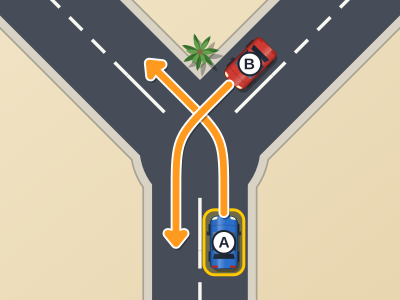
- AApply right-hand priority: give way to any vehicle approaching from your right
- BThe vehicle on the busier road always has priority
- CThe vehicle travelling straight ahead always has priority
- DThere is no rule; drivers must make eye contact and agree
Answer and explanation in the bank
- Q30Safe driving
Why must a rear-facing child seat never be installed in a front seat that has an active passenger airbag?
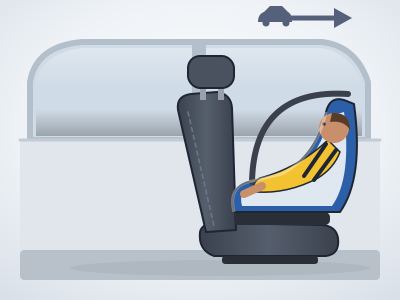
- ABecause the seat belt will not reach around the child seat
- BBecause the front seat is always narrower than the rear seat
- CBecause the deploying airbag can strike the back of the child seat with lethal force
- DBecause it blocks the driver's view of the speedometer
Answer and explanation in the bank
- Q31Penalties and fines
A driver is involved in a collision and is found to have no valid motor insurance. What additional complication arises compared to an insured driver?
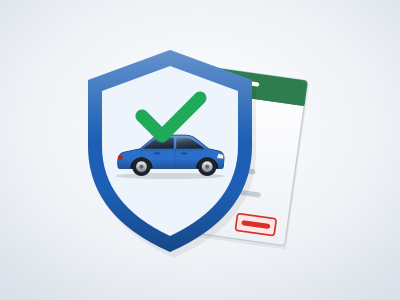
- AThe government insurance fund automatically covers the damages with no penalty to the driver
- BThe uninsured driver is personally liable for all damages and medical costs, and also faces a separate fine for driving without insurance
- CThe uninsured driver's fine is waived if the accident was the other party's fault
- DThe uninsured driver simply pays a flat administration fee to Najm to resolve the claim
Answer and explanation in the bank
- Q32Heavy vehicle
A heavy transport vehicle is carrying a load larger than the permitted dimensions. What fine applies?
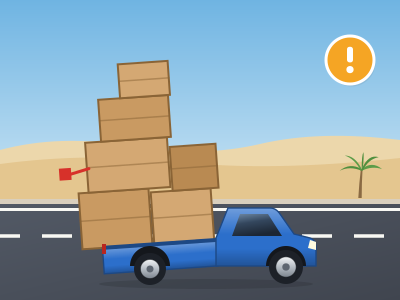
- ASR 100-150
- BSR 300-500
- CNo fine if the load is tied down
- DSR 1,000-2,000
Answer and explanation in the bank
- Q33Road signs and signals
This Give Way sign is ahead. How is it different from a STOP sign?
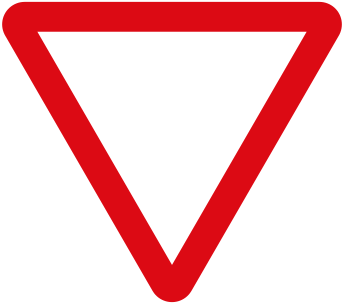
- AA Give Way sign means you have priority over all other traffic
- BA Give Way sign requires a complete stop the same as a STOP sign
- CA Give Way sign only applies at night
- DA Give Way sign lets you proceed without stopping if the road is clearly safe
Answer and explanation in the bank
- Q34Traffic rules
What does a one-way street sign require of you?
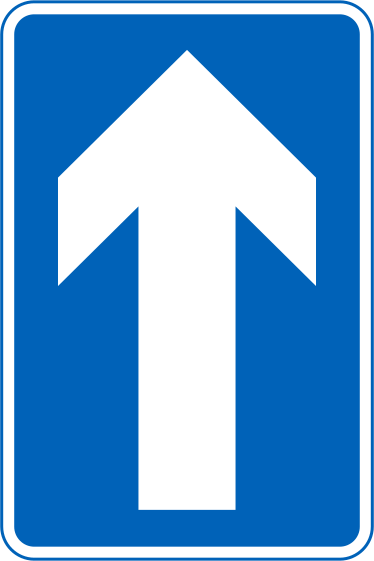
- AGive way to oncoming traffic at all times
- BUse only the rightmost lane
- CSound your horn before entering the street
- DDrive only in the direction shown by the arrow on the sign
Answer and explanation in the bank
- Q35Right of way
You are driving on a one-way street and need to turn left. Is there any difference in right-of-way compared to a two-way road?
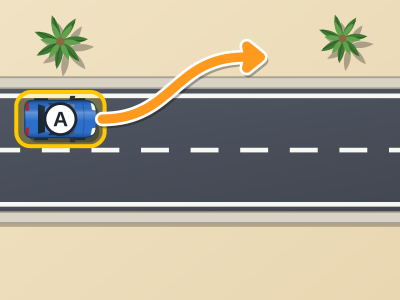
- ANo difference; give way to traffic from the right as usual
- BOn a one-way street you always have priority when turning
- CRight-hand priority does not apply on one-way streets at all
- DOn a one-way street all traffic travels the same direction so you give way to any vehicle already in the flow
Answer and explanation in the bank
Every answer above, with the rule it comes from, plus the full 35-question timed test.
Get the Saudi Driving Theory Online Practice Bank - SAR 39What this test covers
Topics include road signs, traffic signals, right of way, roundabouts, speed limits, seat belts, fines and penalties, and the safe-driving rules specific to your vehicle category. Full question-by-question feedback with explanations is shown immediately after you finish the test above.
Frequently asked questions
How many questions is the Riyadh General Dept. of Traffic truck & bus theory test?
The official General Dept. of Traffic truck & bus theory test in Riyadh has 35 questions and you need 22 correct (63%) to pass. This practice test has 35 questions.
Is this the real exam?
These are practice questions to help you revise, written to the published rules and to what candidates report from the real test. They are not the official Saudi exam and the real question bank, format, fees and pass mark are set by the General Department of Traffic (Moroor) and the driving schools, and can change. Always confirm the current requirements with your driving school or the traffic department.
Is this practice test free?
The first 10 questions are free, with no signup, and each shows the answer and the reason. The full 35-question test, timed, is in the Saudi Driving Theory Online Practice Bank (SAR 39, one payment), with every question in the bank.
What does the Riyadh truck & bus theory test cover?
Road signs, traffic signals, right of way, roundabouts, speed limits, seat belts, penalties and safe-driving rules, plus the handling and safety topics specific to your vehicle.