

Tabuk General Dept. of Traffic Truck & Bus
Practice mode· Heavy vehicle skillsTabuk General Dept. of Traffic - Saudi Heavy Vehicle Skills Test 2
Second set of heavy-vehicle questions covering coupling, tunnels and bridges, passenger safety, hill starts and managing long or wide loads. Complete both tests for full coverage.
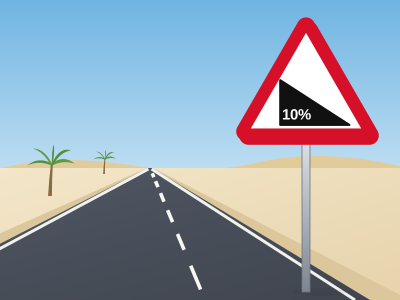
Why should a driver use the engine brake or exhaust brake on a long downhill gradient rather than relying on the service (foot) brakes alone?
The other 12 questions in this test
Read them all. The answer and the reason for each, and the timed 22-question run, are in the Saudi Driving Theory Online Practice Bank.
- Q11Heavy vehicle
After coupling a trailer to a tractor unit, which check is most critical before moving the vehicle?
- ACheck that the trailer number plate matches the documents and then drive away
- BPerform a tug test by engaging a low gear and pulling forward gently to confirm the kingpin is locked in the fifth wheel and will not release
- CConnect all electrical and air lines, then immediately perform a full-speed run to settle the coupling
- DOnly visual inspection of the coupling from ground level is necessary
Answer and explanation in the bank
- Q12Heavy vehicle
Before uncoupling a trailer on an incline, what must the driver do to prevent the trailer from rolling away?
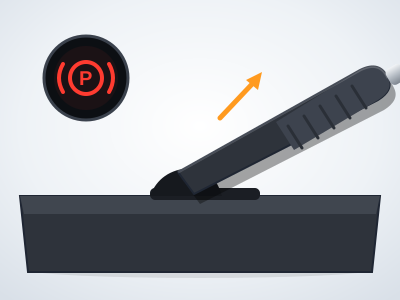
- AApply the trailer hand brake, chock the trailer wheels on the downhill side, and lower the landing legs to a stable position before releasing the fifth wheel
- BSimply apply the tractor handbrake; the tractor will hold the trailer in position
- CLower the landing legs only; the trailer brakes will hold automatically once decoupled
- DUncoupling on an incline is perfectly safe provided the ground is firm
Answer and explanation in the bank
- Q13Heavy vehicle
A driver is about to couple a tractor to a semi-trailer. The trailer is slightly higher than the fifth wheel. What adjustment should be made?
- ADrive the tractor under the trailer at speed to force the coupling with momentum
- BRaise the tractor's air suspension or adjust the fifth-wheel height so the fifth wheel is slightly above the trailer skid plate, allowing it to slide under and lock cleanly
- CLower the trailer landing legs further until the trailer tilts and the kingpin lines up
- DNo adjustment is needed; the fifth wheel will pull the trailer down automatically
Answer and explanation in the bank
- Q14Heavy vehicle
What is the role of a banksman when a heavy truck is reversing in a confined area?
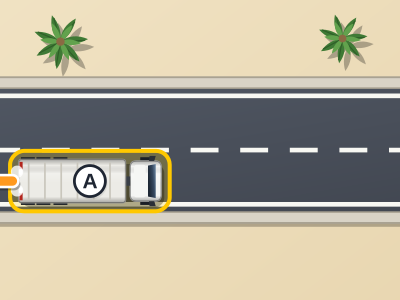
- ATo stand behind the trailer and shout warnings, even if the driver cannot see or hear them
- BTo operate the trailer brakes independently using a remote control
- CTo direct traffic past the truck while it reverses; they have no role in guiding the driver
- DTo guide the driver by using agreed hand signals or a radio from a position where the driver can see them and where they can see all hazards
Answer and explanation in the bank
- Q15Heavy vehicle
While reversing a large articulated truck with a banksman, the banksman suddenly disappears from view. What must the driver do?
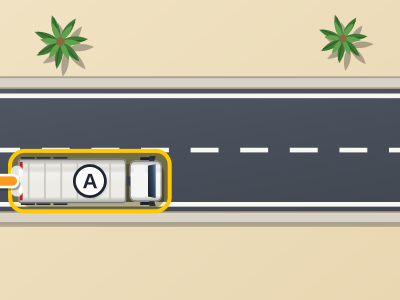
- AStop the vehicle immediately and not move again until the banksman reappears in a visible position
- BContinue reversing slowly and assume the banksman has moved aside to avoid the truck
- CSound the horn and continue reversing at the same speed
- DLook in the mirrors for the banksman and continue only if no hazards are visible
Answer and explanation in the bank
- Q16Heavy vehicle
A heavy truck driver must reverse into a loading bay without a banksman. What precautions are most important?
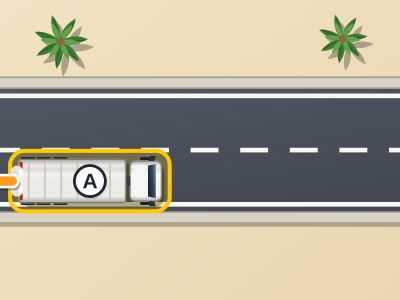
- ASound the horn continuously while reversing to warn anyone in the path
- BReverse as quickly as possible to minimise the time the truck is in a vulnerable position
- CWalk the entire reversing path before starting to identify all hazards, use all available mirrors and cameras, reverse slowly, and stop if vision becomes obstructed
- DAsk another driver to watch through their cab window and wave if they see a problem
Answer and explanation in the bank
- Q17Heavy vehicle
What is the maximum permitted speed for a heavy truck on a Saudi dual carriageway (expressway) outside urban areas?
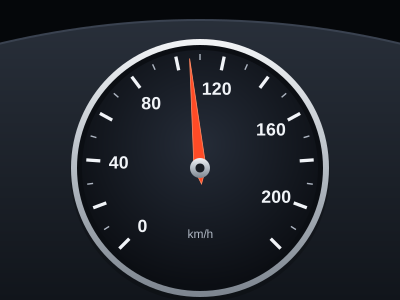
- A120 km/h, the same as for private cars
- B150 km/h on motorways with no speed camera enforcement
- CSpeed limits do not apply to heavy trucks licensed for long-distance haulage
- DThe limit posted for heavy vehicles on that road, which is often lower than the limit for cars
Answer and explanation in the bank
- Q18Heavy vehicle
In urban areas in Saudi Arabia, what speed limit typically applies to heavy trucks where no other sign is posted?
- A80 km/h, because heavy trucks need to keep up with traffic
- B100 km/h on all roads with three or more lanes
- CThere is no urban speed limit for heavy trucks
- D50 km/h, unless a sign shows a different limit
Answer and explanation in the bank
- Q19Heavy vehicle
A heavy truck is equipped with a speed limiter. The limiter is set to 90 km/h. A traffic sign shows a 110 km/h limit. What must the driver do?
- AComply with the lower of the two limits, which is the 90 km/h speed limiter setting; the vehicle must not exceed the limiter regardless of the posted limit
- BOverride the speed limiter because posted road signs always take priority over vehicle settings
- CDrive at 110 km/h only on multi-lane roads where overtaking lanes are available
- DRemove the speed limiter fuse temporarily and drive at the posted speed
Answer and explanation in the bank
- Q20Heavy vehicle
Which tyre check is most important during a pre-trip inspection of a heavy truck in Saudi Arabia's hot climate?
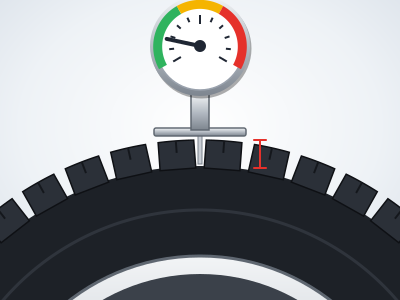
- ACheck tyre pressure when cold, inspect for cuts, bulges, uneven wear, and embedded objects, and check that all wheel nuts are properly torqued
- BOnly check that tyres appear inflated visually; precise pressure measurement is needed only at service intervals
- CInflate tyres to the maximum sidewall pressure rating before each trip to compensate for heat expansion
- DCheck tread depth only; pressure and sidewall condition are secondary concerns
Answer and explanation in the bank
- Q21Heavy vehicle
During a pre-trip brake check on a truck with air brakes, the driver builds pressure to maximum, turns off the engine, and observes the gauges. If the pressure drops more than approximately 10 psi in one minute, what does this indicate?
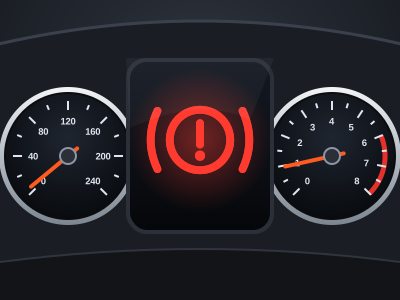
- AThere is a significant air leak in the braking system that must be located and repaired before the vehicle is driven
- BThe air dryer is working correctly and removing moisture from the system
- CThe pressure drop is normal and the vehicle is safe to drive
- DThe spring brakes need adjusting at the next scheduled service
Answer and explanation in the bank
- Q22Heavy vehicle
What should a heavy truck driver check regarding lights and reflectors during a pre-trip inspection?

- AOnly the headlamps and brake lights need checking; marker lights are optional on trailers
- BLights only need checking at night or in bad weather
- CAll headlamps, indicators, brake lights, reverse lights, and reflective markers on the vehicle and trailer must be clean, undamaged, and functioning
- DOnly lights visible from the front of the vehicle are required by law
Answer and explanation in the bank
Every answer above, with the rule it comes from, plus the full 22-question timed test.
Get the Saudi Driving Theory Online Practice Bank - SAR 39What this test covers
Topics include road signs, traffic signals, right of way, roundabouts, speed limits, seat belts, fines and penalties, and the safe-driving rules specific to your vehicle category. Full question-by-question feedback with explanations is shown immediately after you finish the test above.
Frequently asked questions
How many questions is the Tabuk General Dept. of Traffic truck & bus theory test?
The official General Dept. of Traffic truck & bus theory test in Tabuk has 35 questions and you need 22 correct (63%) to pass. This practice test has 22 questions.
Is this the real exam?
These are practice questions to help you revise, written to the published rules and to what candidates report from the real test. They are not the official Saudi exam and the real question bank, format, fees and pass mark are set by the General Department of Traffic (Moroor) and the driving schools, and can change. Always confirm the current requirements with your driving school or the traffic department.
Is this practice test free?
The first 10 questions are free, with no signup, and each shows the answer and the reason. The full 22-question test, timed, is in the Saudi Driving Theory Online Practice Bank (SAR 39, one payment), with every question in the bank.
What does the Tabuk truck & bus theory test cover?
Road signs, traffic signals, right of way, roundabouts, speed limits, seat belts, penalties and safe-driving rules, plus the handling and safety topics specific to your vehicle.